Coloproctologist - who is he and what heals?
Against the background of improper diet, a sedentary lifestyle and bad habits, many people are faced with a delicate problem - diseases of the colon or rectum. They give patients serious discomfort and force them to seek medical help. The branch of medicine that studies diseases associated with the end sections of the intestine, the region of the rectal opening and the perineum is called coloproctology, and doctors trained in this area - coloproctologists. What is the competence of a coloproctologist and in what cases do you need to contact this specialist?
Coloproctologist - who is it and what heals
Content
- 1 What diseases does the doctor treat?
- 2 Professional responsibilities
- 3 When should you see a coloproctologist?
- 4 How to prepare for your visit?
- 5 How is the inspection going?
-
6 Treatment methods
- 6.1 Video - About specialists in the field of coloproctology
What diseases does the doctor treat?
A coloproctologist is a specialist who deals with the prevention, diagnosis and therapy of pathologies of the large intestine, rectum and rectal opening. The main difference between a specialist in this area and an ordinary proctologist is that his sphere activity is broader (proctologists deal exclusively with pathologies and diseases of the rectum).

Coloproctology
The diseases that a coloproctologist treats include:
-
hemorrhoids in any of its manifestations, including prolapse of nodes, bumps, dilated intestinal veins, thrombosis;
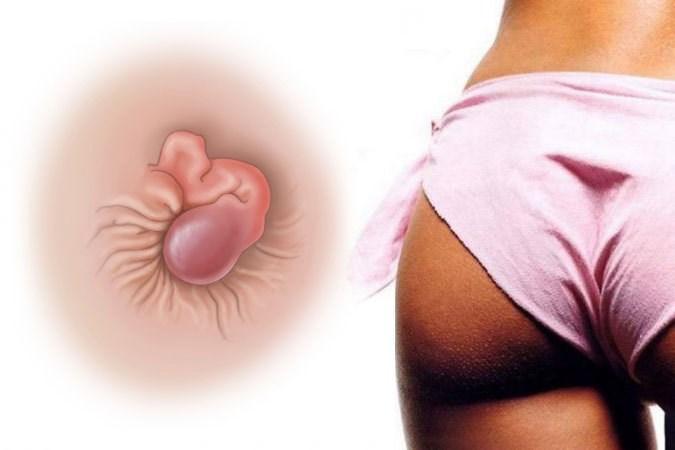
External hemorrhoids
- mechanical damage, inflammatory and infectious diseases large intestine and anus (ulcers, colitis, paraproctitis, etc.);
- episodic or chronic constipation, fecal incontinence, diarrhea;
- neoplasmslocalized in the large intestine, rectum and nearby tissues - polyps, cysts, cancerous and benign tumors;
- rectal prolapse;
- congenital anomalies intestines, rectal area and nearby tissues;
- infection with worms.

How worms enter the human body
In addition, coloproctologists are engaged in the extraction of foreign bodies from the rectum, provide consultations for the prevention of the above diseases and the recovery of patients after surgery and injuries.
For reference: ten years ago, the specialty of coloproctology did not exist in Russia, but in 1997, to comply international medical standards, the proctologist was renamed into a coloproctologist, and his field of activity expanded.

The specialty of a coloproctologist appeared with us in 1997
Professional responsibilities
In order to obtain the specialty of a coloproctologist, a doctor must receive a diploma in the specialties of general medicine or pediatrics, as well as undergo an internship or residency in proctology and surgery, and then pass exams for certificate. Depending on the field and nature of the doctors' activity, coloproctology is divided into two sections - surgical and therapeutic, each of which has its own characteristics.
Duties of a coloproctologist
Table. Coloproctology sections.
| Specialization | Peculiarities |
|---|---|
| Surgical coloproctology | Deals with issues related to bowel and anal diseases that require urgent care and surgery - severe trauma to the anus and perineum, bleeding from the anus with hemorrhoids, prolapse of nodes with hemorrhoids, intestinal varicose veins, etc. Surgeons-proctologists must be able to perform a certain amount of surgical procedures on the large intestine, rectum, anus and nearby tissues, pelvic organs. |
| Therapeutic proctology | Specialists in this section treat intestinal pathologies of non-infectious, infectious and inflammatory origin, infection worms, intoxication associated with intestinal diseases, and therapy is carried out with medications without surgical interference. |
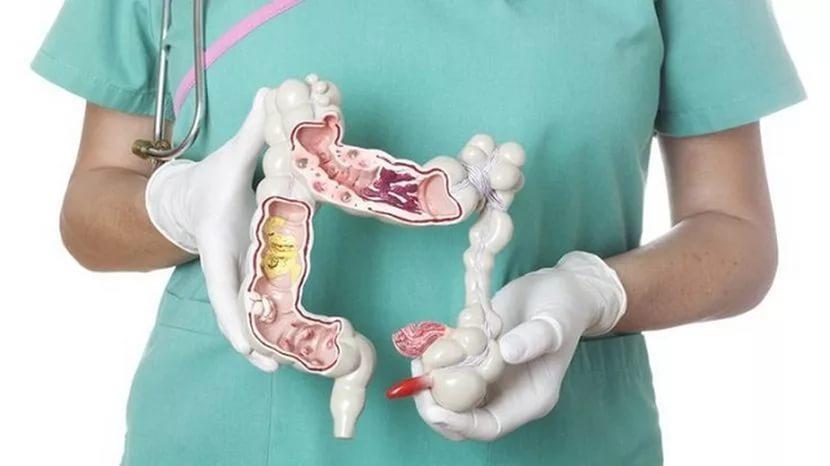
Coloproctology can be therapeutic and surgical
A coloproctologist must have deep theoretical knowledge and practical skills in the diagnosis and treatment of diseases that are included in his specialization, be able to carry out diagnostic measures and correctly interpret their results, and then develop optimal tactics treatment. Experts of this consult patients within the walls of medical institutions, determine the indications and contraindications for certain types of therapy. If necessary, they prepare patients for operations and monitor their condition during the rehabilitation period.
In addition, the duties of a coloproctologist include monitoring patients who are on dispensary registration, identifying factors and groups risk of diseases of organs that are within the scope of its activities, the development of preventive measures to prevent data pathologies. Specialists are required to constantly improve their qualifications, attend lectures, seminars and scientific conferences, dedicated to topical issues of coloproctology, as well as conduct similar events on one's own.

Coloproctologist
Important: in addition to professional skills, a coloproctologist must have some knowledge of psychology, since his field of activity is very specific, and not all patients can calmly talk about delicate problems.
When should you see a coloproctologist?
Symptoms of diseases that coloproctology studies include:
- itching, discomfort, or bleeding in the anus;
- unnatural discharge from the rectal opening, bleeding;
- the appearance of impurities of blood and mucus in the feces;
- frequent constipation or diarrhea;
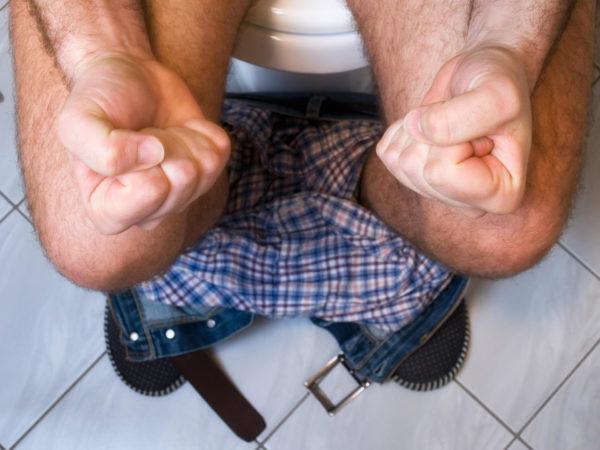
Constipation is a reason to see a specialist
- difficulty and pain during bowel movements;
- prolapse of nodes with hemorrhoids or a section of the intestine after physical exertion;
- frequent urge to defecate, which does not end with the release of feces;
- bloating, flatulence;
- a feeling of having a foreign object in the anus;
- a sharp decrease in body weight of unexplained etiology.

Dramatic weight loss
The risk group for the development of diseases of the lower intestines and rectal region includes women who have recently given birth (about 70% of them face manifestations of hemorrhoids), elderly people, as well as those who are forced to stay in a sedentary position. To prevent unpleasant health consequences for these categories of patients, it is necessary to undergo examinations by a coloproctologist, even in the absence of any symptoms.
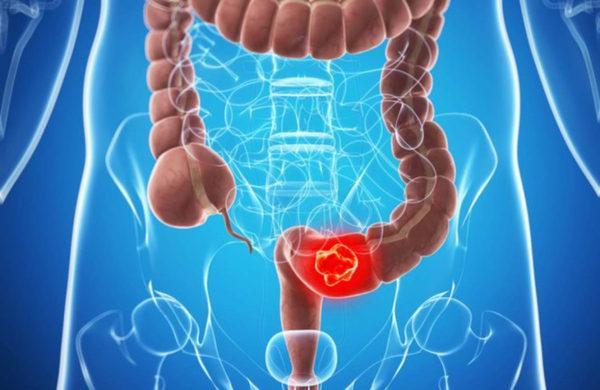
Important: Colon cancer is one of the most common gastrointestinal cancers that can be fatal. The likelihood of developing pathology after 50 years increases several times, therefore, older people should undergo preventive examinations by a coloproctologist at least 2 times a year.
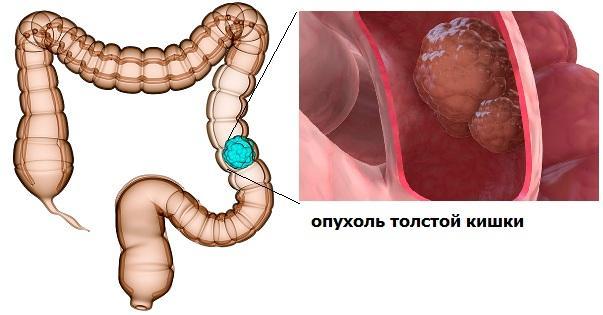
Colon cancer
How to prepare for your visit?
So that the doctor can freely examine the patient and identify pathologies, the patient must properly prepare for the visit. A few days before taking, you should refuse products that cause fermentation and increased gas formation in the abdomen. These include baked goods, legumes, milk and dairy products, raw vegetables and fruits.

Gassing products
You can take an absorbent drug or "carminative" agent - activated carbon, "Espumisan", "Bobotik", etc. If there is a minimum amount of gas in the intestines, the doctor will be able to palpate the intestinal sections well through the abdominal wall, as well as conduct an external examination of the tissues of the anus.

"Espumisan"
A few hours before a visit to a coloproctologist, you should cleanse the intestines with the Esmarch mug or mini-enemas, which are sold in pharmacies. It is not recommended to use laxatives for these purposes, since some of them (in in particular, "Dufalak" and its analogues) cause excessive gas formation, which can interfere with the medical inspection.
Attention: the use of enemas during pregnancy is prohibited, so women who are carrying a child can skip this stage of preparation for examination by a coloproctologist.

The use of enemas during pregnancy is prohibited.
How is the inspection going?
Examination by a coloproctologist, as a rule, consists of several stages, each of which plays an important role in the diagnosis. First of all, the collection of complaints and anamnesis of the patient is carried out, an external examination of the skin of the abdomen, palpation of the intestines, then a digital rectal examination of the anus. This is a specific procedure that gives patients some discomfort - if a person feels severe pain due to injury to the anus, hemorrhoids, or other causes, the doctor may use an anesthetic gel or spray.
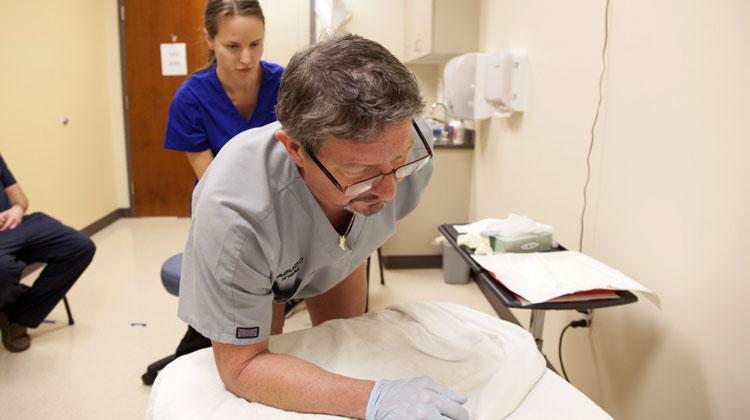
Examination by a coloproctologist
Based on the results of the initial examination, the coloproctologist prescribes additional diagnostic tests. These include:
- anoscopy, colonoscopy and sigmoidoscopy (examination of the intestinal mucous membranes using special devices);
- ultrasound procedure;
- X-rays, usually using a contrast agent;
- smear for enterobiasis;
- fecal analyzes - biochemical, coprogram, for the presence of eggs of worms or occult blood.
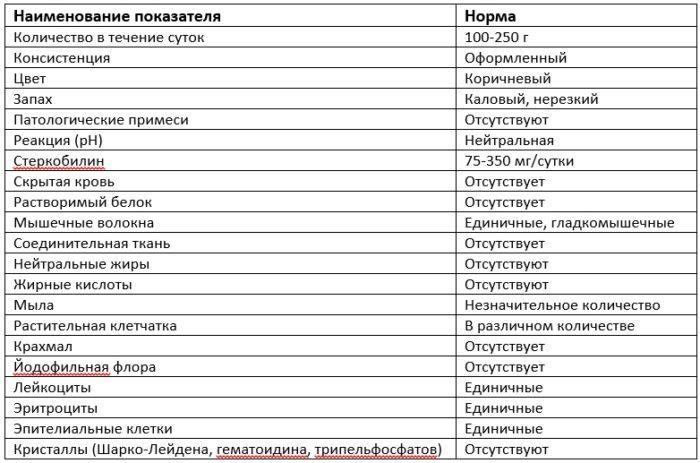
Coprogram is the norm
In some cases, patients need to additionally pass blood and urine tests, as well as consult with other specialists.
Treatment methods
The treatment that the coloproctologist prescribes depends on the specific disease, its stage, the severity of the symptoms and the state of the patient's body. Drug treatment, as a rule, is prescribed for helminthic invasions, intestinal infections and the initial stages of diseases that do not require surgical intervention.
In more severe cases (for example, with advanced hemorrhoids), patients are shown surgical intervention, which in modern clinics can be performed using minimally invasive methods. So, the treatment of hemorrhoids can be performed using sclerotherapy, radio wave therapy, infrared coagulation and other methods. Traditional surgeries are usually performed in the presence of benign and malignant tumors in the intestine, intestinal obstruction and other conditions that may pose a threat to health and life the patient.
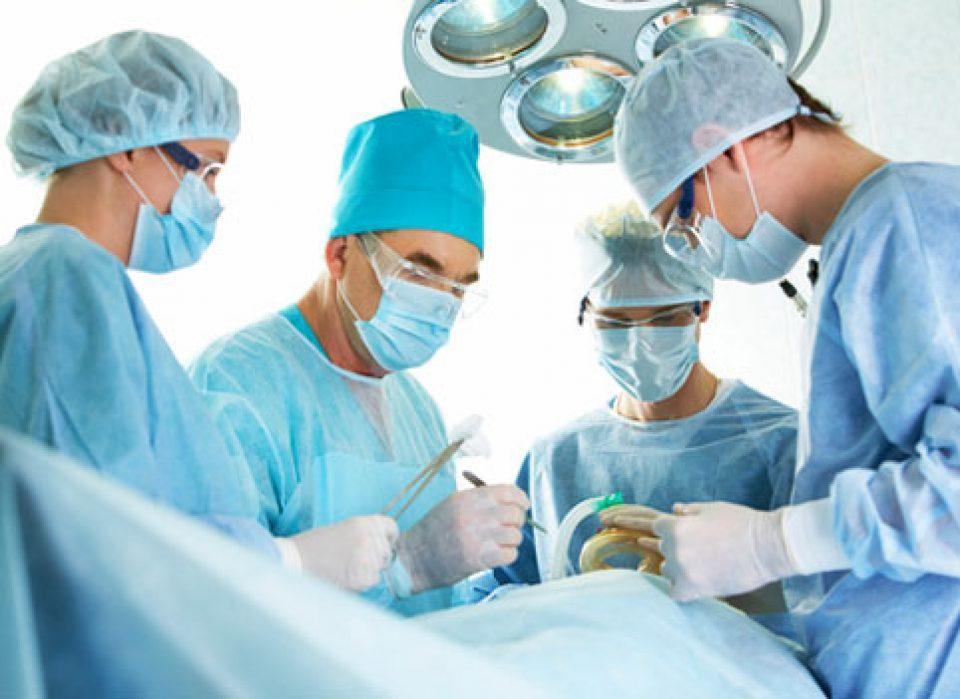
Surgery
Non-drug problem solving and disease prevention includes a diet that improves the activity of the gastrointestinal tract, exclusion of factors provoking the development of pathologies (bad habits, sedentary lifestyle), careful adherence to personal hygiene.

Rejection of bad habits
Coloproctology is a specific branch of medicine that studies problems that are not usually talked about out loud. However, it is strongly discouraged to ignore the symptoms of bowel and anal diseases, as they can lead to serious complications and consequences. When the first signs of pathologies appear, you need to go to an appointment with an experienced coloproctologist, who will make the correct diagnosis and prescribe the appropriate treatment.