Diet for skin allergies in a child, adults: elimination and non-specific, menu for a week
Content
- What is a diet for allergy sufferers?
- Diet for allergies in adults
- Diet for allergies in a child
- Diet during pregnancy
- Diet of a nursing mother
- Where else are allergens found?
- Diet with exacerbation of the disease
- Diet in remission
- Cross allergy
- Diet for food allergies
- Diet for seasonal allergies
- Diet for drug allergies
- Diet for allergic dermatitis
- Diet for bronchial asthma
- Can diet replace treatment?
- Weekly menu for allergy sufferers
- What do doctors advise?
A diet for allergies involves the use of hypoallergenic, gentle dishes. What foods are allowed for allergies, how to make an optimal diet for an adult, child, expectant and nursing mother - let's try to figure it out in this article.

What is a diet for allergy sufferers?
A diet specially observed for allergies, during a relapse of the disease, as well as during the chronicity of the pathological process, makes it possible to reduce terms to minimize the symptoms of intolerance and prevent its occurrence, which was provoked by the immune system in relation to a specific allergen.
The elimination of allergenic foods from the diet is a mandatory indication for food allergies, for example, to protein foods. At the same time, dietary food is required for other types of allergies - drug, inhalation and contact.
Reducing the load on the organs of the gastrointestinal tract and the liver makes it possible in a short time to get rid of toxins, and, therefore, to normalize the functioning of vital organs responsible for well-being person.
Several goals can be noted in the use of dietary food for allergic pathologies.
- Diet therapy. Should be observed at the very beginning after the penetration of the allergen into the body. Thanks to this, it is possible to evacuate unsafe toxic compounds, improve the therapeutic effect of drugs and reduce the clinical manifestations of the pathology that has arisen.
- Hypoallergenic menu. Required when a food allergen diagnosis has failed. In this case, a well-organized diet can help, which will be an additional diagnostic method. That is, if you follow a diet, observing the change in symptomatology for certain foods will allow you to establish what exactly the allergy has arisen. Keeping a food diary will help with this.

- Gentle food. Necessary for allergies to drugs, chemicals and other irritants. Certain foods are introduced into the diet of an allergic person, it is recommended that the drinking regime and a hypoallergenic menu be observed.
Diet for allergies in adults
The diet for adults can be of two types: non-specific and elimination. The first type of diet is based on the exclusion from the menu of all the most allergenic foods, elimination involves the exclusion of only known allergenic food for a particular person.
Non-specific diet
Nutrition for allergies in adults according to the type of non-specific diet is suitable for all types of allergic diseases. In this case, foods that are potential allergens, such as chocolate and citrus fruits, must be removed from the human diet.
Foods that are less allergenic just need to be limited. Thus, a strict diet is recommended to the patient, the menu of which includes exclusively hypoallergenic foods.
What foods should make up the diet for a non-specific diet, and which should be discarded:
- YOU CAN: oil of animal and vegetable origin; fermented milk products; low-fat cheese (up to 40% fat); onion; buckwheat, rice and corn grits; pasta; cabbage; zucchini; lean meat (such as rabbit), wholemeal bread.
- LIMITED: sugar; dishes with wheat flour.
- DO NOT (highly allergenic): rich broths; semi-finished products; seafood; eggs; sauces; especially industrial preparation; honey; confectionery with trans fats and artificial fillers; milk; nuts; tea; coffee.
A similar diet for allergies should be followed for two to three weeks until the main clinical manifestations of the disease, for example, the disappearance of symptoms of urticaria and allergic dermatitis on the skin in adults.
Elimination diet for allergies
This type of diet is based on the removal of a specific, precisely known allergen from the diet.
But for this, it is necessary to first determine what exactly a person has a reaction of individual hypersensitivity to. The elimination diet can be year-round for food allergies, or it can be practiced seasonally for hay fever.
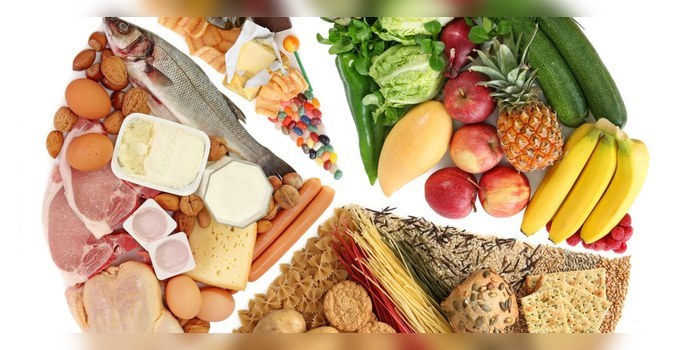
For example, if it is a food allergy, a diet that eliminates the known allergen is sufficient. When it comes to seasonal allergies, then certain foods are removed from the diet during the flowering period of individual plants.
If you are allergic to milk, you must follow a dairy-free diet, in which there is no place for cow's milk, milk protein, baked goods and sweets on dairy products. Elimination diet for food allergies in adults to eggs, excludes the consumption of foods containing the protein and yolk of eggs, in particular mayonnaise, pasta, baked goods, etc. All options for this diet are discussed individually with your doctor.
Diet for allergies in a child
From the moment of birth, breast milk becomes the best nutrition for the newborn. Breast milk contains a full range of useful microelements - vitamins and immunomodulators, as well as all the nutrients necessary for a child's body. Therefore, it depends on the young mother whether she can provide her baby with natural feeding. After the baby is 5 months old, with the permission of the pediatrician, you can introduce a new food - complementary foods, focusing on possible negative reactions from the skin.
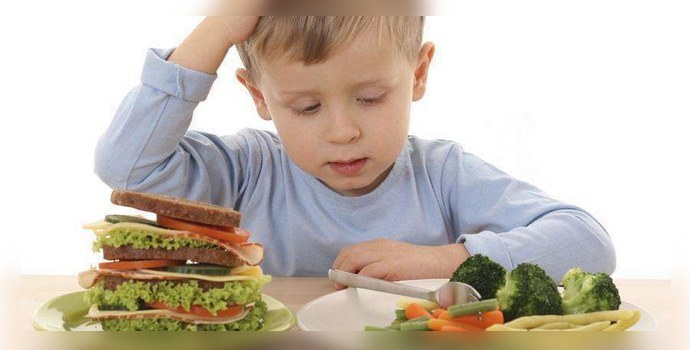
It is the most hypoallergenic foods, for example, vegetables and fruits (exclude exotic and colored ones) and lean meat that are the basis of meals for feeding babies. Then, with caution in small volumes, cereals with water and milk, bread, fermented milk and dairy products are introduced. Any product that is new to the child is introduced in strict sequence at time intervals, so that if something happens, it is timely to determine which particular dish the baby has an intolerance to. It is recommended to record all data in a pre-established food diary, which in the future can help the allergist to determine the true provocateur-allergen and make the correct diagnosis.
It is undesirable even for healthy children to give citrus fruits, sweet and flour products, to pamper them with chocolate even on holidays. For children with allergies, such dishes are a luxury at all, since they are categorically unacceptable to them.
Otherwise, if you ignore the above rules, you may face the fact that in the future the child will even have such a situation as an allergy to baby food.
Thus, a diet for allergies in a child limits the use of not only products that deliberately provoke the disease, but also the mandatory rejection of some risky products. The child's nutrition should be strictly hypoallergenic, about what is possible and what cannot be considered in the following table.
| Can | It is forbidden |
|---|---|
|
|
In general, food for allergies in children has much in common with the diet of a nursing woman, that is, to remove from the daily diet that food that is a provocateur of allergies in a child.
Diet during pregnancy
Pregnant women are at increased risk of developing an allergic reaction, for example, food or drug. It is no secret that during gestation, allergies first appeared even in those expectant mothers who had never suffered from any type of individual hypersensitivity before.
In addition, the very fact of pregnancy can be a provoking factor for an exacerbation of an allergic disease that a woman has in her history.
Specific preventive work aimed at preventing the formation of primary and secondary allergic reactions in the expectant mother is of great importance for the unborn baby as well.
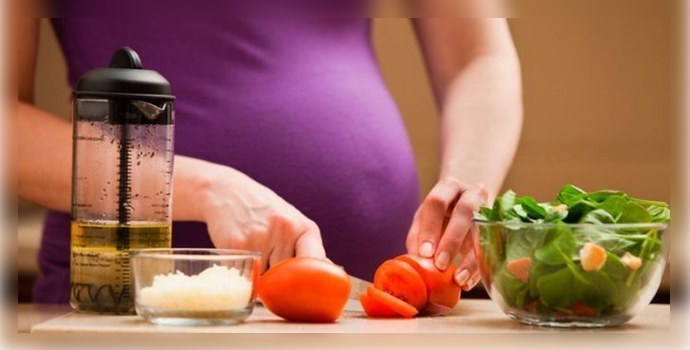
Exacerbation of allergies during childbearing increases the likelihood of having a newborn with a high tendency to develop allergies - this risk is three times increased compared to healthy children.
To avoid it, the expectant mother throughout the entire gestation period must adhere to the recommendations for drawing up a diet.
Consider what should be the nutrition of a pregnant woman:
- YOU CAN: buckwheat, rice, oatmeal; fruits and vegetables not painted in bright colors; lean meat; Rye bread; drinks from dried apricots, prunes, raisins; lean soups; fermented milk products.
- RESTRICT: sweets; bakery; cow's milk; semolina; bread and pasta made from premium flour; salt.
- FORBIDDEN: seafood; mushrooms; honey; cocoa products; marinades; pickles; non-alcoholic purchased drinks; semi-finished products; cheeses; kvass; meat delicacies.
Diet of a nursing mother
The diet of a nursing mother should be based on the use of quality food, which makes milk the most nutritious and does not put the baby at risk of developing an allergic reaction.
If both parents do not suffer from food allergies, the possible risk that the child will develop it is minimal, but you should always be careful, especially with hepatitis B.
So what might a nursing mother's diet include? We list the list of recommended products in the table.
| It is possible during lactation | Should be abandoned |
|---|---|
|
|
The breastfeeding diet should be slowly expanded with additional foods, but at the same time, after feeding, the young mother should watch for symptoms in the baby allergies.
Where else are allergens found?
You can face allergies due to the fault of almost any product, despite the fact that their allergenic properties may differ to one degree or another from each other. The products with the highest and lowest concentration of allergens were considered above.
Also, food additives can become allergens, which manufacturers often use in their products to give them the necessary properties, for example, color or aroma, or to increase their life suitability. Foods with a high amount of food additives often cause allergic reactions in both children and adults.
The following additives are most dangerous:
- Dyes: E 102, 110, 122-124, 127, 151;
- Flavors and flavor enhancers: E 321, B 550 - 553;
- Preservatives: E 220-227, 249, 250, 251, 252.
Diet with exacerbation of the disease
During a relapse of an allergic disease, it is important to exclude highly allergenic foods, especially if you know which ones. The basis of the diet should include exclusively hypoallergenic foods, we will consider what is possible and what is not possible during an exacerbation of the disease, in the table.
| Can | Limit |
|---|---|
|
|
Diet in remission
At this time, after the relapse of the allergic reaction has passed, appropriate diagnostic tests are usually performed. examinations (skin tests or determination of the reaction to immunoglobulin E), as a result of which the allergist finds out a specific allergen. From this moment, each person knows which products are allowed for him, and which ones are better to refrain from.
In any case, it is advisable to abandon deliberately low-quality products rich in artificial fillers: semi-finished products, store all kinds of sauces, canned food, instant meals.
It is necessary to study the composition of any purchased product, especially for the presence of artificial additives that may be highly allergenic (see list above). It is strongly recommended to purchase meat and fish products as a whole and prepare dishes from them yourself.
Cross allergy
Cross-allergy usually results from a specific similarity of allergenic components of individual plants (and even some representatives of the animal world) with proteins from food products.
In most cases, people who are hypersensitive to plant pollen suffer from cross-allergy.
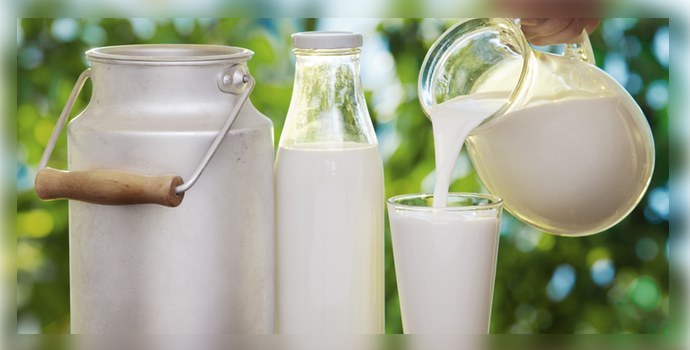
- In case of intolerance to cow's milk, allergy symptoms can also appear on goat milk, veal and beef meat, so such a person will need special food for protein allergy.
- With intolerance to individual elements of a chicken egg (white or yolk), hypersensitivity of the body to chicken and quail meat, quail eggs, medicines containing egg protein fractions (for example, Interferon) and filler feather.
- If you are allergic to strawberries, the same negative reaction can occur to berries such as raspberries, lingonberries, blackberries and currants.
There are a lot of options for the development of cross-allergy, therefore, with the development of symptoms of the disease, you need to pay attention to this specific factor.
Diet for food allergies
This type of allergy requires the use of hypoallergenic foods and dishes.
| Possible for food allergies | Forbidden |
|---|---|
|
|
Diet for seasonal allergies
To prevent the occurrence of symptoms of hay fever or seasonal hypersensitivity, during the spring-summer flowering, nutrition should be organized, which will minimize the possibility of the occurrence of pathological process.
With this type of allergy, it is required to exclude products-provocateurs of cross-reaction from the daily menu. Here are some examples in the table.
| Allergen | Cannot be eaten |
|---|---|
| DUST OF SHUSTERS AND TREES. | The fruits of this tree, as well as additionally recommended to abandon raspberries, nuts, decoction of calendula inflorescences. |
| HERBS DUST (FOR EXAMPLE Wormwood). | Sunflower seeds, vegetable oil, zucchini, eggplant, honey, medicinal plants, alcohol, mustard. |
| DUST OF GRAINS. | Oatmeal, rice and wheat groats, bread, pastries, smoked meats, citrus fruits, cocoa. |
Diet for drug allergies
If an allergy to food or flowering plants requires a strict restriction of the diet, then with a medicinal type of allergy there are no such requirements. But, during an exacerbation of a pathological condition, for example, against the background of taking a prohibited medication and with skin allergy symptoms, most often hives, you need to review your diet to improve well-being.
In case of an acute reaction to drugs, it is recommended to refuse any food, drink more fluids and take sorbents within two days.
Consider what should be the diet for allergies to antibiotics and aspirin in the table.
| Allergen | Cannot be included in the diet |
|---|---|
| ANTIBIOTICS |
|
| ASPIRIN |
|
Diet for allergic dermatitis
Any skin condition, such as hives or allergic dermatitis, results from a person's hypersensitivity to one or another irritating factor - regardless of whether it turned out to be external or internal.
A diet followed for skin allergies is the key to successful therapy. Food in this case will not be just a banal set of permitted foods, but food that does not burden the liver. When a skin allergic reaction occurs, it is the liver that begins to function in an enhanced mode, and if, together with food, to it additional toxic compounds will come in, she may simply not cope with the increased load and the patient's well-being worsen.
But, first of all, you need to pay attention not to food, but to the presence of bad habits in a person. This includes alcoholic beverages and smoking.

The liver suffers from these negative factors more strongly than other organs, and if you add harmful products to them, it is almost impossible to avoid a pathological reaction.
It is recommended to start the diet for dermatitis with two days of fasting to allow the body to get rid of harmful compounds. From the third day, you can eat the following foods listed in the table.
| It is possible with allergic dermatitis | It is recommended to abstain |
|---|---|
|
|
Diet for bronchial asthma
Diet for asthma must perform the following tasks:
- improve the state of the immune system;
- accelerate metabolic processes in the body;
- reduce the severity of the inflammatory process in the broncho-pulmonary tissue;
- normalize the work of mast cells that produce histamine, which is a provocateur of allergic reactions;
- eliminate the true cause of the development of bronchospasm.
Nutrition for bronchial asthma should be balanced and varied, with the indispensable inclusion of all the necessary nutrients - fats, proteins and carbohydrates.
So, what can and cannot be eaten with asthma?
POSSIBLE: lean first courses, vegetables and fruits of a neutral color; various cereals without restrictions; fermented milk products without food additives; lean meat; whole wheat bread.
RESTRICT: pasta and wheat flour baked goods; condensed and cow's milk; products with artificial fillers; sorrel; spinach; Strawberry; cranberry; cowberry.
FORBIDDEN: rich soups; seafood; all kinds of spices; eggs; citrus; various preservation.
Can diet replace treatment?
A diet for allergies in children and adults can only be a component factor in complex therapy, but not in any way a substitute for it.
In addition to formulating an optimal diet, it is strongly recommended to limit contact with other potential allergens, this rule is true for cats and dogs, upholstered furniture and other provoking factors.
Medical treatment is also of particular value because it reduces the likelihood of complications, but the whole range of therapeutic measures is important. And a special hypoallergenic diet, and conservative treatment, and the elimination of provoking factors together help in the treatment of an allergic disease, for example, when it comes to urticaria.
Weekly menu for allergy sufferers
First of all, you need to calculate your daily diet in such a way that the daily calorie content was at least 2800 kcal. Ideally, there should be four or five small meals each day, but more frequent than usual. The general menu should be balanced as much as possible.
Food for allergies in children and adults (for any allergic disease during an exacerbation) should be as gentle as possible - mashed, boiled or steamed.
First courses, including for a nursing mother with allergies in a child, must be prepared with a mandatory change broth - preferably double, that is, after boiling, the liquid is drained and the meat or chicken is again poured clean water.
The daily amount of salt should vary within 7 grams. In addition, the menu should be free of known allergenic foods and potentially unsafe foods, such as mayonnaise or canned food.
So, what will an approximate weekly menu look like for allergies in a child or an adult, what can you offer on the table?
| Days of the week | The diet |
|---|---|
| MONDAY |
|
| TUESDAY |
|
| WEDNESDAY |
|
| THURSDAY |
|
| FRIDAY |
|
| SATURDAY |
|
| SUNDAY |
|
What do doctors advise?
When drawing up a diet during allergies, it is necessary to listen to the opinion of the allergist. Many patients neglect an integrated approach to eliminating the problem, as a result of which taking medications and adhering to a diet becomes meaningless.
Not only diet and taking antihistamines and sorbents are a mandatory aspect of therapeutic therapy. Simultaneously with them, you need to get rid of the cause of the disease in a particular case: from the main household dust collectors - carpets, upholstered furniture, old magazines and books. And this is not a whim of a specialist, but part of a comprehensive treatment approach.
You cannot, relying on your own knowledge or the Internet, select drugs for yourself for the treatment of an allergic reaction. Any self-medication is not only fraught with a lack of proper results, but also the development of serious health complications and an aggravation of the clinical picture of the disease. It is forbidden to independently take antibacterial and sulfa drugs for therapeutic purposes, if it is known that some of them are allergic. In case of drug allergy, any medication required for administration should be discussed with a doctor in advance.
It is completely thoughtless and wrong to put your own health and life at risk. It is no secret that mild allergic rhinitis or urticaria in the absence of a proper therapeutic approach and prolonged neglect of the condition over time can develop into a more complex form of allergy, for example, bronchial asthma.
A healthy, balanced diet is the foundation of human health. If a person suffers from one type of allergy or another, he should deliberately exclude potentially dangerous foods from his menu. Each patient has his own list of products that he needs to refuse. Only under this condition can one forget about exacerbations of an allergic disease for a long time, prolonging the period of remission.