Prevention of allergies in children and adults
Content
- Primary prevention
- Secondary prevention
In recent years, allergies have become a real problem in society. The body's hypersensitivity to various environmental factors has gained massive momentum.
Probably, there is no person who is not familiar with the symptoms of allergy in the practical understanding of this diagnosis. Residents of large cities are forced to regularly resort to the help of antihistamines. But allergy prevention is a more preferable option than its difficult treatment.

There are many measures to prevent allergic diseases, and this is what this article will discuss.
Prevention of allergies, as in the case of other pathologies, is primary and secondary.
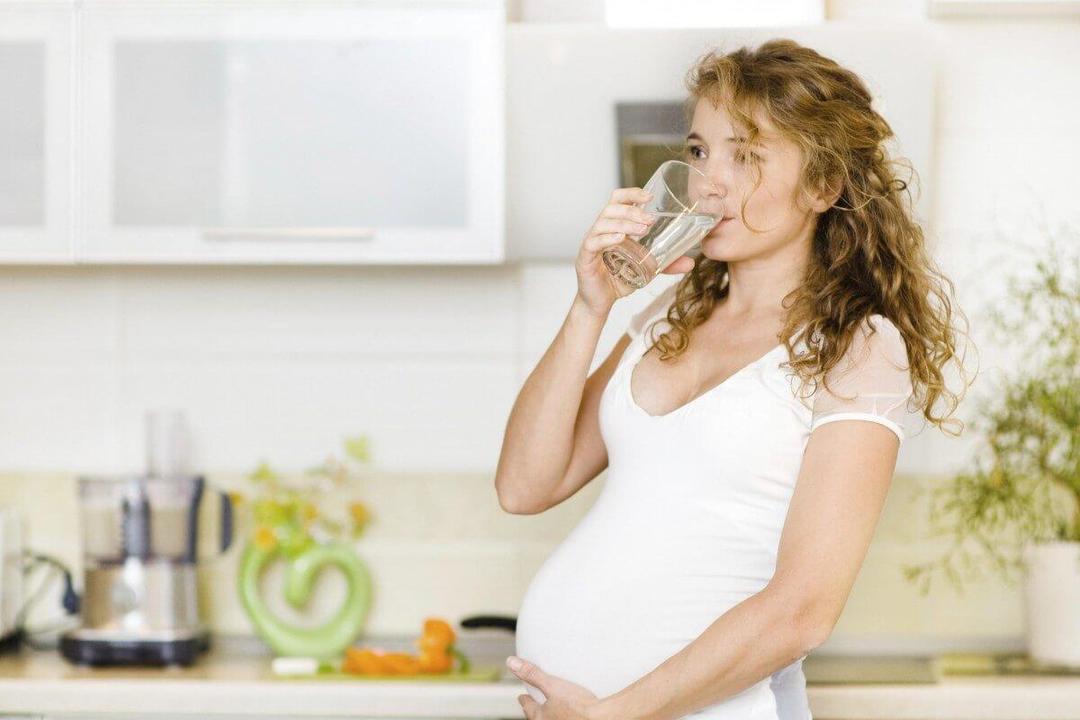
Primary prevention challenge: prevention of the influence of factors that can cause an inappropriate response from the immune system to potential irritants. This type of prophylaxis is intended for persons who do not suffer from any allergic diseases, but who have a predisposition to their development. This, first of all, includes the prevention of allergies in children and it is necessary to adhere to its recommendations already during pregnancy and from the first days of a child's life.
The task of secondary prevention it becomes the prevention of the meeting of the body with irritants that provoke hypersensitivity to their effects.
Primary prevention
Allergy prophylaxis in this case should be carried out already when planning pregnancy and during it. This type of prevention is most relevant for future parents who already suffer from any allergic disease.
The likelihood of having a child with allergic diseases largely depends on the mother's behavior during pregnancy. Primary prevention includes the following points:
- avoiding potentially allergenic foods: citrus, honey, strawberries, chocolate, etc.;
- elimination of harmful working conditions in the workplace;
- quitting bad habits, including secondhand smoke;

- refusal to self-medicate with any medication without medical supervision;
- exclusion of contact with possible allergens.
After the baby is born, the mother needs to make every effort to establish and maintain lactation. A child should receive breast milk as the main and only food for the first 6 months of his life. If breast milk is not available, adapted milk formulas are recommended. It is necessary to breed them for feeding with ready-made water from well-known manufacturers, in no case should you use tap water for this purpose. The first complementary food can be administered to the baby as prescribed by the doctor, but not earlier than 6 months.
It should be borne in mind that the unprotected organism of children is significantly weakened by an unfavorable environmental situation, for example, gas exhaust from cars, secondhand smoke, etc. To reduce the likelihood of developing allergies, it is necessary to install climatic devices or at least air purifiers that can neutralize the activity of pathogenic substances in air.
Before the baby is born, it is important to pay attention to one more point. Almost every home has a pet, whose fur is the strongest allergen. In addition, it is necessary to minimize the presence of soft toys, carpets, put books in tight-fitting cabinets - all of them are sources of dust collection. Also, in the house where the child was born, wet cleaning should be carried out daily.
Recommendations for primary prevention can be summarized in the table.
| Target | What to do |
|---|---|
| Prevention of allergies in a newborn. | Compliance with the recommendations on nutrition for the mother during pregnancy. Selection of priority dates for the introduction of mixed or artificial nutrition. Hypoallergenic life. |
| Breastfeeding up to 6 months. | Prevention of allergies in case of dysfunctional heredity. Hypoallergenic diet of a nursing mother. The rational timing of the introduction of complementary foods is no earlier than 6 months. The use of hypoallergenic mixtures. |
Secondary prevention
Secondary allergy prophylaxis should be observed in persons who have previously shown signs of allergic diseases and have received appropriate treatment.
Preventive work depends entirely on the type of stimulus that provokes an inappropriate response from the immune system.
Prevention of food allergies. Secondary prevention of food allergies in children and adults, first of all, consists in the diagnosis of the allergen and its further elimination from the diet. The composition of food products should be carefully studied, since even in the simplest products, many modern manufacturers try to put a larger amount of potentially allergenic chemical additives than natural components.
It is better to give preference to natural products, rather than semi-finished products. You should also avoid knowingly allergenic foods: fish, mushrooms, honey, etc.

Prevention of animal allergies. If the body reacts with increased sensitivity to the hair of domestic animals - cats and dogs, the only measure of secondary prevention in this case will be a complete rejection of their maintenance in a residential the room. If this is not possible, general guidelines should be followed to help reduce the likelihood of developing an allergy, but not eliminate it.
So, preventive measures to reduce sensitization to hair of pets are:
- limit close contact with the animal;
- carry out wet cleaning in the room every day;
- regularly comb the pet's hair with special devices for animals (it is better to perform the procedure for a person who does not suffer from wool allergies);

- carry out full-fledged care of the animal, that is, regularly carry out preventive vaccinations, deworming, neutering or spaying a pet - all this helps to reduce the number of allergens in it the body.
Home allergy prevention. Household allergies are most often seen in individuals who spend most of their time in areas with high dust accumulation. These can be carpets, blackout curtains, upholstered furniture, feather pillows and blankets, books, and more. It is advisable to exclude all these items from the interior of the allergic person, replacing them with more hypoallergenic accessories.

Prevention of plant pollen allergy. It is necessary to take preventive measures to prevent hay fever from April to October, that is, during the period during which the plants bloom. What is prevention?
- First, it is compulsory to wear wide-brimmed hats and sunglasses on the street.
- Second, the use of disposable respiratory masks.
- Thirdly, a regular shower with washing the head and the whole body after each visit to the street.
- Fourthly, the limitation of being outside in windy and sunny weather and, on the contrary, the opportunity to go for a walk on rainy days and in the evening.

Household allergy prevention. Modern manufacturers of household chemicals produce a line of hypoallergenic products for laundry and home care. The use of these funds in practice, allows you to reduce the likelihood of developing allergic reactions to household chemicals.
In addition, there are the following recommendations for preventing allergies to such irritants:
- the use of protective masks and gloves when cleaning;
- compulsory ventilation of the dwelling before and after cleaning;
- replacement of household chemicals in the form of aerosol and powder products with gel and liquid products;
- refusal to use flavored products or products that give abundant foam;
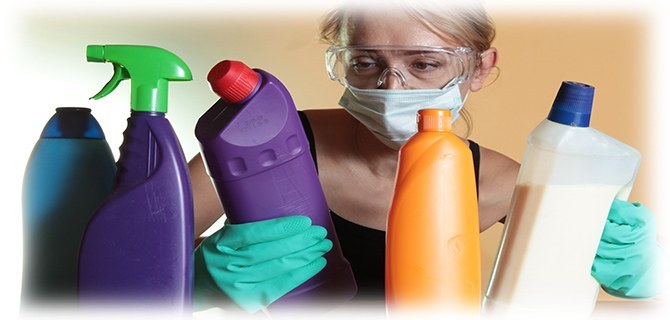
- additional rinsing of things after washing, even if it was carried out in the conditions of the washing machine.
Prevention of mold allergy. Mold loves damp, warm rooms, so it is most often found in the bathroom, basement and attic. In older cold houses, mold spores can also be found in living rooms. What is mold? This is a fungus that is comfortable in places where there is no fresh air flow.
To prevent the development of allergies to mold, it is necessary to ventilate the room as often as possible, do not lock the door to the bathroom, preventing the growth of fungal flora. In a private house, special waterproofing to the foundation must be provided.
It is also important to pay attention to the shelf life of some foods, for example, mold spores often affect stale bread, while a large number of fungi are in the ambient air, which also leads to the development of allergic reactions.
In addition, mold can grow in planters and pots if the plants are over-watered - it is important to pay attention to this.
Prevention of drug allergies. If a person has an allergic reaction to any drug, this must be clarified in his history illness, so that in the future, medications with the active substance that caused the allergy are not were appointed.

It is strictly forbidden to self-prescribe medication to yourself. The decision on the choice of drugs for allergy sufferers should be made by a doctor.
The listed secondary preventive measures can be summarized in the following table.
| What to do | Why is it important |
|---|---|
| Correct organization of living conditions. | It is important to create a hypoallergenic living environment in order to minimize the amount of allergens in the environment. This applies to books, upholstered furniture, carpets, feather products, etc. |
| Limit, and if possible exclude, contact with pets. | Pet hair allergies are common. But a banal allergic rhinitis to a kitten's fur can eventually develop into bronchial asthma, which occurs with relapses of emergency conditions. Therefore, allergy sufferers need to make a choice between love for animals and their own health. |
| Monitor your diet. | If you are allergic to food, it is important to closely monitor what the allergic person eats. Allergenic products should be replaced with their counterparts, it is also recommended to keep a food diary so that there are fewer questions about why the disease has relapsed. |
| Consult a doctor about any medication. | If you are allergic to medications, it is better not to take risks with the choice of any medication. It is better to entrust your health to the attending physician. |
| Take all measures to prevent hay fever. | Seasonal allergies are common and sufferers tend to prepare in advance for spring. It is necessary to comply with all preventive measures in relation to hay fever in order to reduce the likelihood of developing the disease. |
| Monitor the condition of the digestive system. | This is important in order to exclude the aggravation and recurrence of allergic reactions. Helminthiasis, intestinal dysbiosis, constipation, diarrhea - all this negatively affects the immune system, reducing its resistance to pathogenic external factors. |
Allergic diseases make themselves felt almost immediately - the pathogenetic reaction occurs in the first minutes, less often hours and days after contact with the allergen. Only sometimes the disease is formed over the years under the systematic influence of negative factors. Frequent infectious diseases, chronic stress factors, bad habits such as alcohol and tobacco addiction, living in an environmentally friendly disadvantaged area - all this negatively affects the state of immunity, contributing to the development of individual intolerance to certain irritants.
Treatment and prevention of allergies should not be in the first place in the life of every modern person, especially if his immediate family has a predisposition to allergies.