Vascular dementia: what it is, symptoms and treatment, prognosis
Content
- General information about the disease
- Causes and risk factors
- Signs and symptoms
- Diagnostics
- Treatment
- Security and supportive measures
- Treating diseases that increase the risk
- Medications
- Caring for carers
- Life expectancy forecast
General information about the disease
Vascular dementia - the second most common form dementia, after Alzheimer's disease, affecting almost a third of the elderly over 70 years of age. Dementia (acquired dementia) causes decreased brain function, or cognitive performance, beyond what is expected from the normal aging process. Dementia causes problems with memory, thinking, behavior, language skills, and decision making.
Vascular dementia occurs when conditions damage the blood vessels in the brain, depriving it of oxygen. Lack of oxygen slows down the brain. For example, the reason may be strokethat blocks blood flow to the brain, reducing oxygen levels. However, high blood pressure, high cholesterol levels, and smoking also increase the risk of vascular dementia. The disease can develop on its own or with Alzheimer's disease.
Causes and risk factors
Several consecutive strokes can lead to vascular dementia. Such strokes are more common in men and usually begin after they reach the age of 70.
Risk factors for vascular dementia include:
- arterial hypertension (high pressure);
- diabetes;
- cerebral atherosclerosis;
- atrial fibrillation (a kind of irregular heart rate);
- increased levels of fats (lipids), including cholesterol;
- smoking (current or past);
- previously suffered a stroke.
With high blood pressure, diabetes and atherosclerosis, the blood vessels in the brain are damaged. Atrial fibrillation increases the risk of strokes due to blood clots in the heart. Diseases that cause blood to clot too much also increase the risk of strokes. Unlike other types of dementia, vascular dementia can sometimes be prevented by adjusting or eliminating risk factors for stroke.
In strokes, brain tissue is destroyed due to blockage of the blood supply to parts of the brain. A damaged area of brain tissue is called a heart attack.
Dementia can result from multiple major strokes or multiple minor strokes. Some of these strokes seem minor and may not be noticed. However, patients may have a series of micro-strokes, and dementia may develop after the brain tissue is significantly destroyed. Thus, vascular dementia can occur before strokes cause severe symptoms, or before any noticeable symptoms appear.
Vascular dementia includes the following factors, which may overlap to some degree:
- Multi-infarction dementia. Dementia caused by multiple strokes, usually involving medium-sized blood vessels.
- Lacunar disease. The term is sometimes used to describe multi-infarction dementia caused by multiple lacunar infarctions - strokes due to blockage of small blood vessels.
- Binswanger dementia. Blockage of several small blood vessels (lacunar infarctions) in patients with severe, poorly controlled increased blood pressure and blood vessel disease (vascular disease), in which blood vessels are damaged during the whole body.
- Strategic infarction dementia. A single piece of brain tissue in a critical area has been destroyed.
Vascular dementia often occurs with Alzheimer's disease (like mixed dementia).
Signs and symptoms
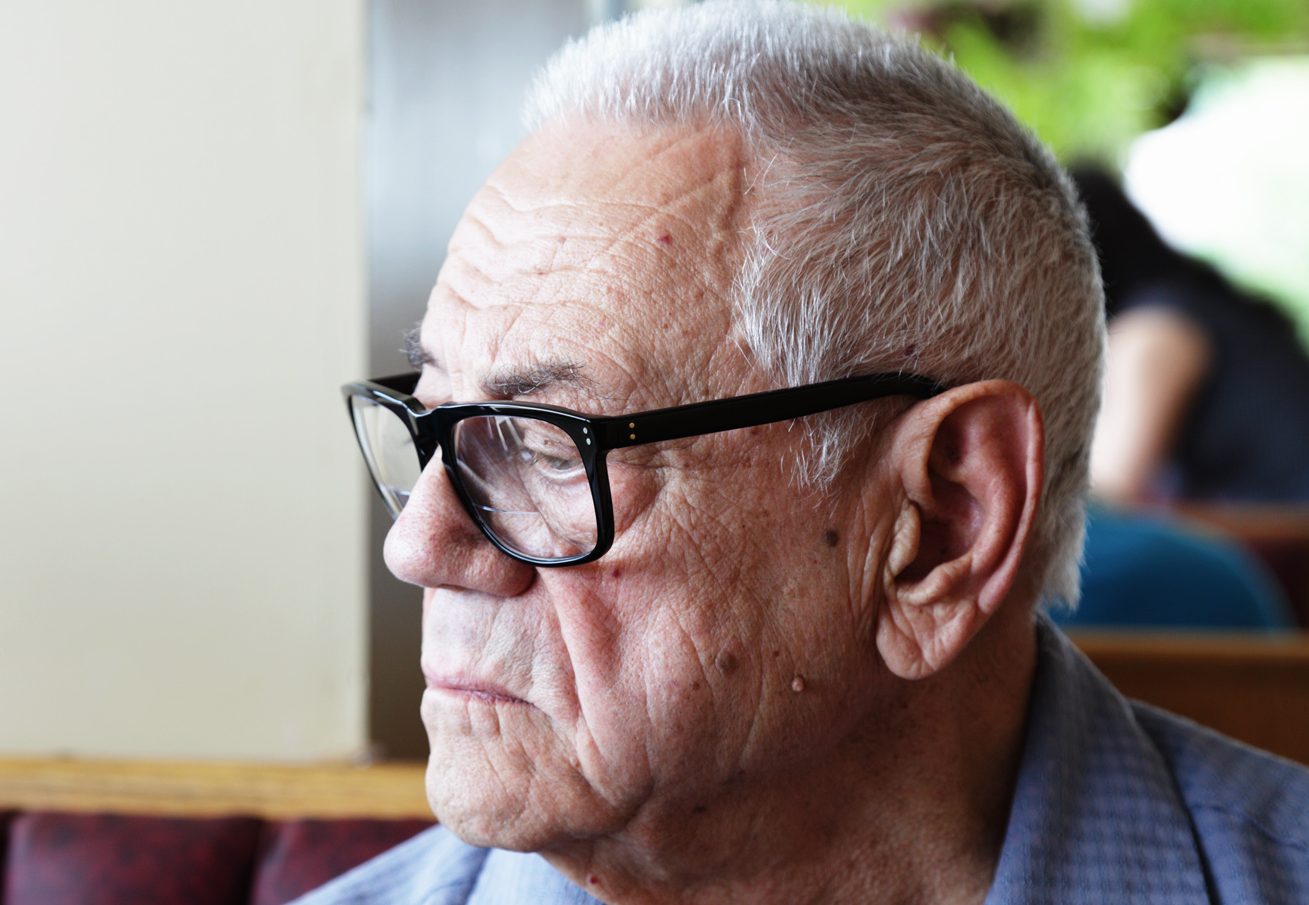
Unlike dementia caused by Alzheimer's disease, vascular dementia can progress in leaps and bounds. Symptoms may suddenly worsen and then stabilize or slightly improve symptoms. Then, after a few months or years, symptoms worsen with another stroke. Dementia, which results from multiple micro-strokes, usually progresses more gradually than dementia due to multiple major strokes. Microstrokes can be so subtle that dementia develops gradually and continuously, rather than in leaps and bounds.
Symptoms of vascular dementia (memory loss, difficulty planning and initiating actions or completing tasks, slow thinking, wandering tendencies) are similar to those seen with other types of dementia. However, compared to Alzheimer's disease, memory loss occurs later in vascular dementia, and the effects on judgment and personality changes are not as significant. In vascular dementia, the difficulty in planning and initiating action occurs earlier than in Alzheimer's disease. Thinking can slow down noticeably.
Symptoms vary depending on the part of the brain that is damaged. Typically, some aspects of mental function are not affected because strokes only destroy tissue in part of the brain. Thus, patients are more aware of the loss of function and are more prone to depression compared to patients with other types of dementia.
As more strokes develop and dementia progresses, patients develop additional symptoms from strokes. An arm or leg may become weak or paralyzed. Difficulty in speaking. For example, speech becomes illegible. Vision may become blurry, or partial or complete loss of vision occurs. Coordination may be lost, resulting in unsteady walking. Patients may laugh or cry inappropriately. Difficulties in controlling bladder function may occur, leading to urinary incontinence.
After the onset of symptoms, approximately 6 out of 10 patients die within 5 years. Death is often due to stroke or myocardial infarction.
Diagnostics
Diagnosis of vascular dementia is similar to diagnosis of other forms of the disease.
Doctors must determine if the patient has dementia, and if so, whether the dementia is vascular.
- Diagnosis of dementia.
Diagnosis is based on the following:
- symptoms identified when interviewing the patient and family members or other caregivers;
- the results of the physical examination;
- mental status test results;
- results of additional examinations, such as computed tomography (CT) or magnetic resonance imaging (MRI).
A mental status check, consisting of simple questions and tasks, helps doctors determine if a patient has dementia.
Sometimes a more detailed study is required (the so-called neuropsychological examination). The examination assesses all major areas of mental function, including mood, and usually takes 1-3 hours to complete. This test helps professionals distinguish dementia from other conditions that cause similar symptoms, such as age-related memory impairment, mild cognitive impairment, and depression.
The information obtained from the above sources usually helps doctors rule out delirium as the cause of symptoms. This is necessary because delirium is often cured with immediate treatment, unlike dementia.
Delirium - sudden, unstable and usually reversible impairment of mental function. The disorder is characterized by inability to focus, disorientation, inability to think clearly and fluctuations in the level of perception (consciousness).
- Diagnosis of vascular dementia.
Once a diagnosis of dementia is made, doctors suspect vascular dementia in patients with risk factors or symptoms of stroke. Doctors then do a thorough examination to check for a stroke. Computed tomography or magnetic resonance imaging is also done to look for evidence of a stroke. The results of examinations can confirm the diagnosis, but are not conclusive.
Treatment
Treatment for vascular dementia includes general measures for safety and support, as with all types of dementia.
Security and supportive measures
Creating a safe and supportive environment can be extremely rewarding.
In general, the environment should be bright, joyful, safe and stable, and should be organized to help the patient navigate. Some stimulation, such as radio or television, is helpful, but overstimulation should be avoided.
The system and routines help patients with the disease stay focused and give them a sense of security and stability. Any change in the environment, routine or change of caregiver should be explained to the patient in simple and clear language.
Daily routines such as washing, eating, or sleeping can help people with vascular dementia remember them. A bedtime routine helps sufferers sleep better.
Scheduled activities at a specific time help the patient feel independent and in demand by directing attention to pleasant or useful things. Such activities should include physical and mental activities. Activities should be broken down into small parts or simplified as the disease progresses.
Treating diseases that increase the risk
Treatment of diseases that increase the risk of developing vascular dementia - diabetes mellitus, arterial hypertension and hypercholesterolemia (high cholesterol) - can help prevent and slow or stop the progression of vascular dementia. It is also recommended to quit smoking.
To prevent future strokes, doctors recommend taking steps to control risk factors for stroke (high blood pressure, diabetes, smoking, high cholesterol, obesity and lack of physical activity).
Doctors prescribe a drug that makes blood clots less likely, such as aspirin, and if the patient has atrial fibrillation or a disease that causes excessive blood clotting, - warfarin (anticoagulant). These drugs can help reduce the risk of having another stroke.
Medications
There are no specific treatments for vascular dementia. Cholinesterase inhibitors (such as rivastigmine) and memantine, drugs used to treat treating Alzheimer's disease because some people with vascular dementia also have the disease Alzheimer's.
If depression is present, it is treated with antidepressants.
Caring for carers
Caring for patients with dementia is stressful and requires full dedication, and caregivers the patient may become depressed and extremely tired, often forgetting about their own mental and physical condition. To help caregivers, it is helpful to do the following:
- Learning how to effectively meet the needs of sick patients. Carers can obtain this information from nurses, social workers and organizations, as well as from publications and materials on the Internet.
- If necessary, you need to seek help: Caregivers can talk to social workers (including at the local community hospital) about appropriate sources of assistance, such as day care programs, nursing home visits, part-time or full-time housekeeping assistance, and help with accommodation. Counseling and support groups can also help.
- Taking care of yourself: Caregivers need to remember to take care of themselves. They should not deny themselves communication with friends, as well as their favorite pastimes and other activities.
Life expectancy forecast
In patients with dementia who have had a stroke, there is a significant increase in mortality. In patients with vascular dementia, the 5-year survival rate is 39% compared to 75% in control age groups.
Vascular dementia is associated with a higher mortality rate than Alzheimer's, presumably due to the coexistence of other atherosclerotic diseases.
Research into the causes of death in patients with the disease has shown that disorders of the circulatory system (for example, cardiac ischemia) are the most common immediate cause of death in vascular dementia, followed by respiratory diseases (e.g. pneumonia).
A study of hospital admission rates in patients with dementia found that individuals who developed various types of dementia, including vascular dementia, an increased risk of hospitalization has been identified, including hospitalization in an outpatient setting help.