Neutropenia: what is it in adults, symptoms, treatment, prognosis
Content
- What is neutropenia?
- Severity of neutropenia
- Causes of neutropenia
- Signs and symptoms
- Diagnostics
- Treating neutropenia
- Forecast
What is neutropenia?
Neutropenia characterized by a significant decrease in neutrophils, a type of white blood cell, which is an important first line of defense against infection. The main complication of neutropenia is an increased risk of infection.
Neutrophils are a type of white blood cell that plays a critical role in the body's defense against acute bacterial and some fungal infections. Neutrophils usually make up 45 to 75% of the total white blood cell count in the bloodstream. Losing the important protection that neutrophils provide, the body can hardly cope with infections, so one of these infections can be fatal for a person.
Neutrophils are produced in the bone marrow. Neutrophils are short-lived cells that spread widely throughout the body and can invade tissues that other cells cannot.
Most often, neutropenia develops in cancer patients (both adults and children) due to chemotherapy. Medicines kill neutrophils along with the cancer cells they are supposed to kill.
Neutropenia may resolve quickly with resolution of infection or cessation of exposure. Chronic neutropenia in adults can last for months or years.
Severity of neutropenia
The typical lower limit for neutrophil count is about 1500 cells per microliter of blood. When the number of neutrophils falls below this level, the risk of infection increases. According to the severity, neutropenia is classified as follows:
- Lightweight (1000 to 1500).
- Moderate (500 to 1000).
- Severe (below 500).
If the neutrophil count falls below 500 cells per microliter (severe neutropenia), the risk of infection is greatly increased. Infections caused by bacteria that normally live in the mouth and intestines can even develop without causing any harm to the person.
Causes of neutropenia
There are a variety of causes of neutropenia in adults, but they fall into two main categories:
- Neutrophils are depleted or destroyed faster than the bone marrow can produce new ones;
- The production of neutrophils in the bone marrow decreases.
- Rapid use or destruction of neutrophils.
Many diseases result in the wasting or destruction of neutrophils. These disorders include certain bacterial infections, certain allergic disorders, and certain types of medication (for example, drugs used to treat hyperthyroidism). In the body of patients with autoimmune diseases antibodies can be produced that destroy neutrophils and lead to the development of neutropenia. In patients with enlarged spleen the number of neutrophils may decrease as the enlarged spleen invades and destroys such cells.
- Decreased production of neutrophils.
The production of neutrophils by the bone marrow may decrease in malignant tumors, viral infections (such as flu), bacterial infections (such as tuberculosis), myelofibrosis or failure vitamin B12 or folate (folic acid). Patients who have undergone bone marrow capture radiation therapy may also develop neutropenia.
Many drugs, including phenytoin, sulfa drugs, and a number of drugs used to treat cancer (chemotherapy), as well as certain toxins (benzene and insecticides) can also negatively affect the ability of the bone marrow to produce neutrophils.
The production of neutrophils by the bone marrow is also affected by a disease called aplastic anemia (in which the bone marrow can stop producing all types of blood cells).
Some rare hereditary disorders also lead to a decrease in the number of neutrophils. With cyclical neutropenia, the neutrophil count rises and falls regularly over several weeks. In chronic benign neutropenia, the number of neutrophils is low, but infections are rare - probably due to the production of enough neutrophils in response to infection. Severe congenital neutropenia is a group of disorders in which neutrophils do not mature, leading to serious infections starting in early childhood.
Signs and symptoms
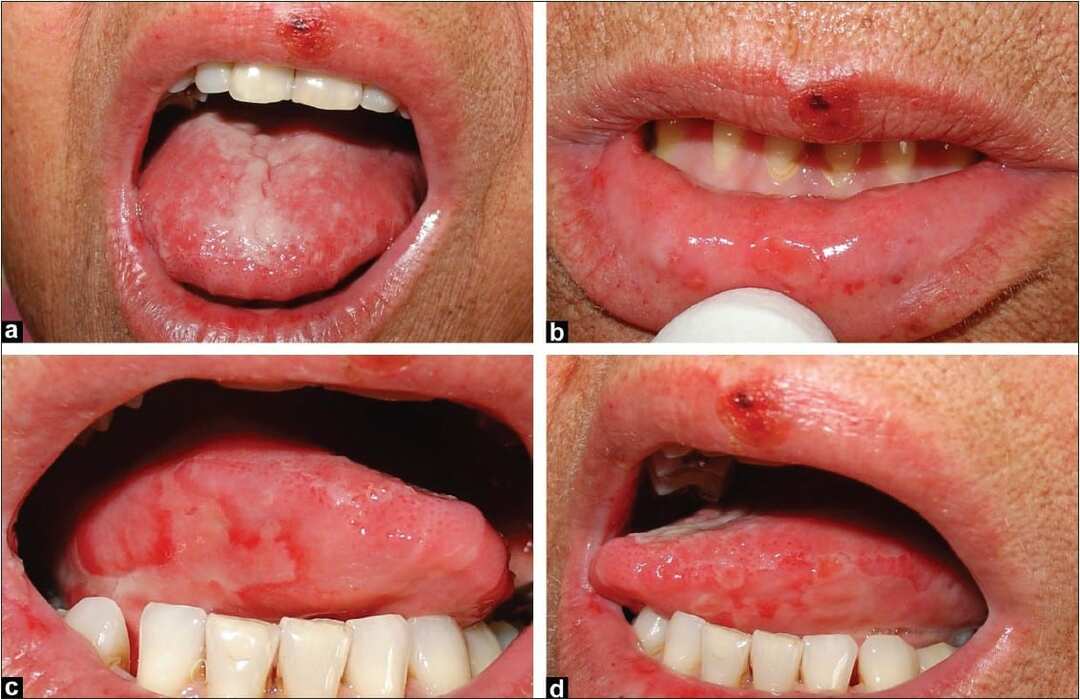
Neutropenia can develop:
- suddenly within hours or days in response to certain infections or exposures;
- gradually.
Neutropenia itself has no specific symptoms, so it is usually diagnosed when an infection occurs. People may have fever and painful ulcers in the mouth or anus. Bacterial pneumonia and other serious infections.
Unless there is an excessive fall in neutrophil levels in chronic neutropenia, patients have few symptoms.
If drugs are the cause of neutropenia, the patient may have a fever, rash, and swollen lymph nodes.
With cyclical neutropenia, symptoms may come and go as patients' leukocyte counts rise and fall over time.
Diagnostics
If the patient has frequent or unusual infections, or if the scorer is on drugs that can cause neutropenia, doctors will order a blood test (general blood analysis) to establish a diagnosis. Reduced quantity neutrophils indicates neutropenia.
In some cases, the development of neutropenia is not unexpected and the cause of the disease is known (for example, in patients undergoing chemotherapy or radiation therapy). If the cause is unknown, it must be determined. And regardless of whether the cause of the disease is known or not, doctors also usually do tests to look for hidden infections that can develop as a result of neutropenia.
- Establishing the cause.
Doctors find out what medications the patient is taking and whether he is exposed to toxic exposure, and examined for infections or other disorders that may be causing neutropenia. They often take a sample of the bone marrow with a needle. The bone marrow sample is examined under a microscope to check for abnormalities during the appearance of cells, the number of neutrophilic stem cells (precursors) and development neutrophils.
By determining whether a reduction in the number of stem cells is occurring, and by establishing whether such cells mature normally, doctors obtain the ability to find out what the problem is with - with a violation of cell production or with too intensive consumption or destruction cells in the blood. In some cases, a bone marrow examination allows you to understand whether a person has other diseases (for example, malignant tumors such as leukemia) or infections (such as tuberculosis) affecting the bone brain.
- Screening for infections.
In patients with neutropenia, typical symptoms and test results that would indicate the presence of infections may be absent, so doctors ask patients detailed questions about their symptoms and examine them with head to toe. If any ambiguous symptoms are found, appropriate tests and studies are carried out, for example, if a person experiences discomfort in the abdomen, a computed tomography (CT) scan of the abdominal cavity.
Even in the absence of any specific symptoms, doctors usually also do a urinalysis, urine culture, blood culture, and chest x-ray. During culture, doctors take a sample of the material that needs to be examined (in this case, a urine sample or blood), and send it to the laboratory, where bacteria or other organisms (if they availability).
Treating neutropenia
The main thing that needs to be done is to cure all detected infections. In patients with severe neutropenia, exposure to infections can quickly lead to serious consequences or even death. Even if doctors fail to diagnose a particular infection, the suspicion of infection in patients with neutropenia and fever remains. These people receive antibiotics that are effective against common infectious agents.
Treatment for neutropenia itself depends on its cause and severity. Drugs that may cause neutropenia are discontinued; exposure to toxins is also excluded.
In some cases, the bone marrow heals on its own (without treatment). Neutropenia caused by viral infections (such as the flu) may be temporary and resolve once the infections are cleared. With mild neutropenia, there are usually no symptoms and no need for treatment.
Patients with severe neutropenia can die quickly from infection because they are unable to fight off invading microorganisms. If such patients develop an infection, they are usually hospitalized and immediately (even before the cause and the exact location of the infection are identified) they are injected with potent antibiotics. Fever (a symptom that usually indicates an infection) is an important sign that a person needs to see a doctor right away.
In some cases, growth factors (called colony-stimulating factors) help stimulate the production of white blood cells in the bone marrow and are injected (under the skin or into a vein).
If an autoimmune disorder is the cause of neutropenia, corticosteroids may be used to treat it. If you have a medical condition such as aplastic anemia, intravenous antithymocyte globulin or other treatments that suppress the activity of the immune system can be used.
If neutropenia is caused by another disorder (such as tuberculosis, leukemia, or other types of cancer), treatment for the underlying condition can correct the neutropenia. A bone marrow (or stem cell) transplant is not used to treat neutropenia itself, but it may recommended to treat certain serious causes that cause it, such as aplastic anemia or leukemia.
Forecast
The prognosis of a neutropenic patient depends on the primary etiology (cause), duration, and severity of the disease. Improved broad-spectrum antibiotics combined with improved supportive care improved the prognosis for the majority of patients with severe neutropenia. Ultimately, patient survival depends on the recovery of an adequate neutrophil count.
Complications in neutropenic individuals usually include infections during severe, prolonged episodes of illness. Infections can be superficial, affecting mainly the oral mucosa, gums, skin and sinuses, or they can be systemic and life-threatening septicemia.
Serious medical complications occur in 21% of people with cancer and neutropenic fever. Mortality correlates with the duration and severity of neutropenia and the time elapsed before the first dose of antibiotics for neutropenic fever. Neutropenic fever in cancer patients usually has an overall mortality rate of 4-30%. A study of hospitalizations associated with febrile neutropenia in patients with breast cancer showed that the average hospital mortality rate during 2009-2011. amounted to 2.6%, and in patients aged 65 years and older - 4.4%.