Felty's syndrome: what is it, symptoms, treatment, prognosis
Content
- What is Felty Syndrome?
- Signs and symptoms
- Causes
- Affected populations
- Related disorders
- Diagnostics
- Standard treatments
- Prognosis and complications
What is Felty Syndrome?
Felty's syndrome - a condition associated with rheumatoid arthritis or its complication. The disorder is usually defined by the presence of three conditions: rheumatoid arthritis, enlarged spleen (spenomelgalia) and low white blood cell count (neutropenia). Rheumatoid arthritis causes joint pain, stiffness, and inflammation. A low white blood cell count, especially when accompanied by an abnormally large spleen, makes infections more likely.
Other symptoms associated with the disease may include fatigue, fever, weight loss, and / or discoloration of areas of the skin (brown pigmentation). The exact cause of Felty's syndrome is unknown. It is believed that this autoimmune disease, which can be transmitted genetically as an autosomal dominant trait.
Signs and symptoms
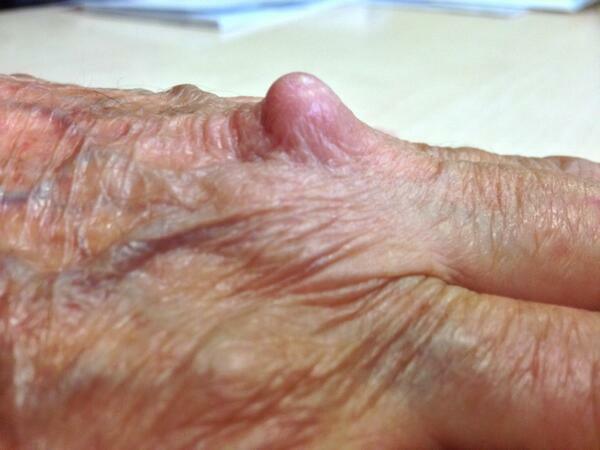
The symptoms of Felty syndrome are similar to symptoms of rheumatoid arthritis
. Patients suffer from painful, stiff and swollen joints, most often the joints of the arms and legs are affected. In some affected individuals, Felty syndrome may develop during a period when the symptoms and physical signs associated with rheumatoid arthritis have subsided or are absent. In this case, the disease may remain undiagnosed. In more rare cases, the development of Felty's syndrome may precede the development of symptoms and physical signs associated with rheumatoid arthritis.Felty's syndrome is also characterized by abnormal enlarged spleen (splenomegaly) and abnormally low levels of certain white blood cells (neutropenia). As a result of neutropenia, affected people become more susceptible to certain infections.
People with the syndrome may also experience fever, weight loss, and / or fatigue. In some cases, affected people may have skin discoloration, especially the legs (abnormal brown pigmentation), leg ulcers, and / or an abnormally large liver (hepatomegaly).
In addition, affected individuals may have abnormally low levels of circulating red blood cells (anemia), a decrease in the number of platelets in the circulating blood, which help in the functions of blood clotting (thrombocytopenia) and / or inflammation of the blood vessels (vasculitis). In rare cases, eye abnormalities have been associated with the syndrome.
Causes
The exact causes of Felty's syndrome are currently unclear. Scientists believe that blood cell abnormalities, allergies, or some unknown immune disorder can lead to the frequent infections that are commonly associated with this disorder. These scientists believe that Felty's syndrome may be an autoimmune disorder. Autoimmune disorders occur when the body's natural defenses (antibodies) against invasion or "foreign" organisms begin to attack the body's own tissues, often for unknown reasons.
At least some cases of the disease are considered genetically determined. Some generations of studies of families with the syndrome lead clinical geneticists to the conclusion that a spontaneous mutation can occur, which is transmitted as an autosomal dominant trait. However, the nature of the mutant gene and its location have not been determined.
Chromosomes, which are present in the nucleus of human cells, carry the genetic information of each person. The cells of the human body usually have 46 chromosomes. Pairs of human chromosomes are numbered 1 through 22, and the sex chromosomes are labeled X and Y. Men have one X and one Y chromosome, while women have two X chromosomes. Each chromosome has a short arm, labeled "p", and a long arm, labeled "q". Chromosomes are further subdivided into multiple bands, which are numbered. For example, "chromosome 11p13" refers to lane 13 on the short arm of chromosome 11. The numbered stripes indicate the location of the thousands of genes present on each chromosome.
Genetic diseases are defined by a combination of genes for a specific trait, which are found on chromosomes received from the father and mother.
Dominant genetic disorders occur when only one copy of an abnormal gene is needed for a disease to appear. The abnormal gene can be inherited from either parent, or it can be the result of a new mutation (gene change) in the affected person. The risk of passing the abnormal gene from the affected parent to the offspring is 50% with every pregnancy, regardless of the sex of the child.
Recessive genetic disorders occur when a person inherits the same abnormal gene for one trait from each parent. If a person receives one normal gene and one gene for disease, the person will be a carrier of the disease, but usually asymptomatic. The chance of two carrier parents passing on both defective genes and therefore having a sick child is 25% with every pregnancy. The risk of having a child who is a carrier as a parent is 50% with every pregnancy. The risk for a child to receive normal genes from both parents and be genetically normal for this particular trait is 25%. The risk is the same for men and women.
All humans carry several abnormal genes. Parents who are close relatives (brother and sister) are more likely than unrelated parents who have the same abnormal gene, which increases the risk of having children with a recessive genetic disorder.
Affected populations
It is estimated that 1-3 percent of all patients with rheumatoid arthritis suffer from Felty's syndrome. This is a large number, but most of them remain undiagnosed. The disorder is about three times more common in women than in men. Felty's syndrome is less common among people of African descent than among Caucasians. The disorder usually affects people between the ages of 50 and 70.
Related disorders
The differential diagnosis of Felty syndrome may include sarcoidosis, amyloidosis, reactions to certain medications and / or myeloproliferative disorders.
Diagnostics
Felty's syndrome is usually diagnosed as a result of careful clinical evaluation, detailed patient history, and identifying the classic triad of physical signs (i.e., the presence of rheumatoid arthritis, low white blood cell counts, and splenomegaly).
Standard treatments
Treatment for Felty syndrome is symptomatic and supportive. Rheumatoid arthritis should be treated in the same way as in the absence of Felty syndrome (for example, bed rest, appropriate exercise, thermotherapy, non-steroidal anti-inflammatory drugs (NSAIDs), penicillamine, etc.).
In many cases, treatment may include removing the spleen (splenectomy). Splenectomy has been shown to have beneficial effects on anemia, thrombocytopenia, neutropenia, and / or chronic infections often associated with Felty's syndrome. However, according to the medical literature, the long-term value of this procedure is not yet clear.
Prognosis and complications
While many people are asymptomatic, others do develop symptoms and can develop life-threatening infections. Lung and skin infections are common. Mortality and morbidity are highly dependent on the level of wasting caused by the underlying rheumatoid arthritis (RA), as well as the degree of immunosuppressive therapy used in the treatment of both RA and Felty's syndrome. In one study from southwest England, of 32 patients with the syndrome, 5 patients died of overwhelming bronchopneumonia during a median follow-up of 5.2 years.