Meningococcal meningitis: causes, symptoms, treatment, prognosis
Content
- What is meningococcal meningitis?
- Signs and symptoms
- Causes and risk factors
- Affected populations
- Symptomatic disorders
- Diagnostics
- Prophylaxis
- Standard treatments
- Forecast
What is meningococcal meningitis?
Meningococcal meningitis Is a form of meningitis caused by a specific bacterium known as Neisseria meningitidis. Meningitis characterized by inflammation of the membranes around the brain or spinal cord. This inflammation can start suddenly (acute) or develop gradually (sub-acute).
Symptoms may include fever, headache, and a stiff neck, sometimes with aching muscles. Nausea, vomiting, and other symptoms may also occur. Skin rashes occur in about half of all people with meningococcal meningitis. Meningococcal meningitis continues to be associated with high mortality and persistent neurological disorders, especially among infants and young children. Meningococcal infection without antibiotic therapy is lethal.
Signs and symptoms
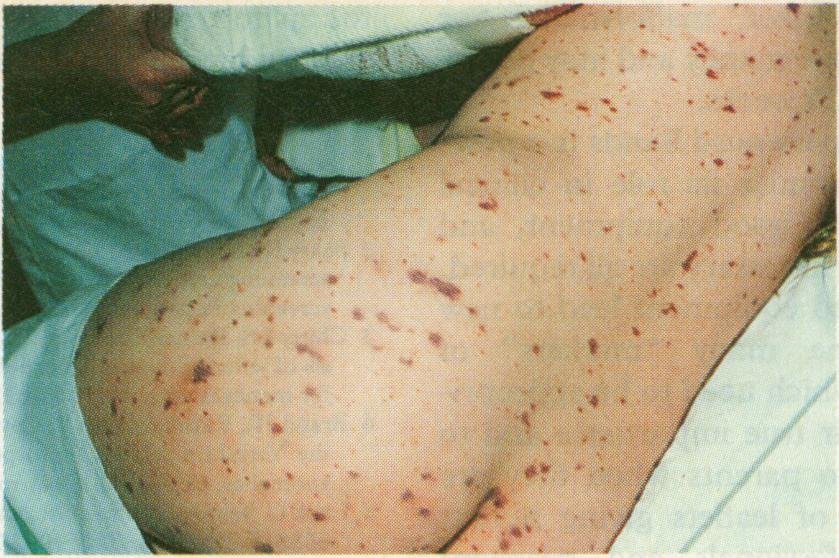
Meningococcal meningitis is one of the three most common types of bacterial meningitis. The incubation period is on average 3-4 days (in the range of 1-10 days), which is a period of sociability. It progresses faster than any acute form of bacterial meningitis. Meningococcal meningitis affects the central nervous system. In adults and children, this is often preceded by respiratory illness or sore throat.
In its acute form, the disorder is characterized by fever, headache, neck stiffness, nausea, vomiting, and an altered mental condition such as confusion or coma. Adults can become seriously ill within a few hours. In children, the course of the infection may be even shorter.Meningococcal meningitis develops when the bacteria Neisseria meningitidis (N.meningitidis) attachment to the mucous membrane of the nasopharynx (nose and throat) before penetrating into the deeper layers of the mucous membrane (submucous layer). These bacteria multiply rapidly and can lead to mild (subclinical) infections. However, in about 10-20% of cases, N.meningitidis enters the bloodstream, causing meningococcemia. This systemic form of the disease, meningococcemia, usually precedes the development of meningococcal meningitis 24 to 48 hours later.
Meningococcemia is characterized by severe, widespread vascular injury, with signs of circulatory disorders and disseminated intravascular coagulation (DIC). A skin rash occurs in about half of all people with meningococcal meningitis. The rash is petechial (tiny, not raised, purplish-reddish lesions that do not fade on pressure and result from intravascular bleeding).
You may also experience edema or inflammation of the brain (cerebral edema or ventriculitis), or hydrocephalus (accumulation of fluid in the brain cavity). Additional symptoms may include:
- chills;
- increased sweating;
- weakness;
- loss of appetite;
- muscle pain (myalgia) in the lower back or legs;
- inability to tolerate bright light (photophobia).
Dehydration of the body common in people with meningococcal meningitis. In some cases, collapse of blood vessels can lead to shock (Waterhouse-Friedrichsen syndrome), when meningococcal bacteria spreads in the blood (septicemia). Later symptoms may include paralysis on one side of the body (hemiparesis), hearing loss, or additional neurologic disorders.
The course of meningococcal meningitis is less predictable among children aged three months to two years. Fever, refusal to feed, vomiting, irritability, and epilepsy. A high-pitched scream and a bulging or taut soft spot (fontanelle) on the crown of the head (where parts of the unhardened bones of the skull meet) can also occur. Since the incidence of most types of meningitis is the highest in the pediatric age group, any unexplained fever should be closely monitored. Over the course of several days, cerebral fluid can build up directly inside the rigid outer membrane that covers the brain (subdural effusion). Warning signs may include seizures, persistent fever, and an increase in head size. You may also experience brain abscess or accumulation of subdural pus.
Possible consequences of meningitis are water accumulation in the brain (hydrocephalus), deafness, and mental and physical retardation.
Causes and risk factors
Meningococcal meningitis is caused by a bacterium known as Neisseria meningitidis. There are several types or serogroups of Neisseria meningitidis. The most common of these serogroups are A, B, C, D, X, Y, 29E, and W135. Serogroups A, B, C, and Y are responsible for most meningococcal diseases.
The bacterium is spread by airborne droplets (i.e., droplets in the air) or through close contact with an infected person. It collects in the nasopharynx or in the postnasal space, connecting the nasal cavity to the throat. The bacteria is transported by the blood to the membranes around the brain (meninges) or spinal cord. It usually spreads from nearby infected areas, such as the sinuses or cerebrospinal fluid.
Affected populations
Meningococcal meningitis mainly affects infants, children, and young adults. Men suffer slightly more than women and account for 55% of all cases, with an incidence of 1.2 cases per 100,000 population, compared with 1 case per 100,000 for women. Meningococcal meningitis can occur as an epidemic in subgroups, such as people on military service or students in dormitories. Vaccines can help control meningitis epidemics caused by serogroups A, B, C, Y, or W135.
The age-related incidence of meningococcal disease is highest in young children, although the incidence of meningococcal disease in adolescents and college youth appears to be increased. College students living in dorms appear to be at increased risk. This is due to the close proximity of students in college dorms, which allows the infection to spread faster.
Symptomatic disorders
Symptoms of the following disorders may mimic those of meningococcal meningitis. Comparisons can be useful for differential diagnosis:
- Generally, meningitis characterized by inflammation of the membranes around the brain or spinal cord. This inflammation can be caused by various types of bacteria, viruses, fungi, cancers, or reactions to certain injections into the spinal canal.
- Encephalitis- a brain infection. There are different types of this disorder, caused by different types of viruses. Encephalitis can also be caused by hypersensitivity caused by a virus or proteins that are foreign to the body. Symptoms may include headache, drowsiness, hyperactivity, and / or general weakness. This disorder may have some of the symptoms similar to those of meningitis, such as stiffness occipital muscles, altered reflexes, confusion, speech disturbances, seizures, paralysis and coma.
- Rocky Mountain spotted fever - an acute infectious disease transmitted to humans through infected tick bite, usually in wooded areas of the midwest, eastern and southeastern United States. Fever and rash are some of the main symptoms. The rash may not develop in all cases, which can make diagnosis difficult. Swelling, headaches, chills, weakness, and muscle aches can also occur. Severe headaches, lethargy, confusion, delirium, focal neurological deficit, increased pressure in the skull, leading to compression and swelling of the disc optic nerve, epilepsy and / or coma, may occur in untreated cases as the lesion progresses nervous system. Some people may have a stiff neck due to muscle pain (myalgia) or irritation of the membranes surrounding the tissues of the brain and spinal cord (meningismus).
Diagnostics
Testing for meningococcal meningitis may include imaging techniques such as computed tomography or magnetic resonance imaging (MRI). Other tests may include blood and / or skin tests. The diagnosis is made by laboratory examination of the cerebrospinal fluid, which often reveals the presence of bacterial meningitis.
Prophylaxis
Meningococcal vaccines protect against certain types (called serogroups) of meningococci that cause most meningococcal diseases: serogroups A, B, C, W, and Y.
There are two types of meningococcal vaccines that have been tested:
- MenACWY vaccine: This vaccine protects against meningococcal serogroups A, C, W, and Y. It can be given to babies from 2 months of age.
- MenB vaccine: This vaccine protects against meningococcal serogroup B. It can be given to people 10 years of age or older.
Doctors may also consider vaccinating all healthy adolescents and young adults aged 16–23 with MenB. preferably 16-18 years of age, to provide short-term protection at an age when the risk of serogroup B infection is the highest.
Children and adults who are at increased risk of contracting meningococcal disease (including those traveling across countries with meningitis belt) may receive one or both vaccines depending on how old they are, what risk factors they have, and what meningococcal vaccines they already have got.
MenACWY vaccine recommended for the following category of persons:
- people living in areas where an epidemic may break out, including serogroups A, C, W, or Y (to control it);
- conscripts;
- first-year students living in a residential building;
- tourists traveling to places where such infections are common, for example, in tropical Africa during the dry season from December to June and in Saudi Arabia before visiting the hajj;
- people who work with meningococcal bacteria in laboratories or in industry;
- children aged 2 months and older with certain immune system disorders;
- people whose spleen has been removed or damaged (for example, people with sickle cell anemic);
- people who take eculizumab;
- HIV-infected.
Vaccination using MenB vaccines Recommended for people aged 10 years and older with an increased risk of contracting meningococcal disease, including the following subgroups:
- people in the region where the outbreak of meningococcal serogroup B infection occurred;
- people who work with meningococcal bacteria in laboratories or in industry;
- people with certain diseases of the immune system;
- People whose spleen has been removed or damaged (for example, people with sickle cell disease)
- people who take eculizumab;
- After contact with a sick meningitis.
Family members, medical personnel, and others in close contact with those infected with meningococcal disease should receive an antibiotic to prevent the infection from developing. Antibiotics can be given orally or by injection. With most of the recommended antibiotics, only one dose or no more than 2 days of treatment is needed.
During an outbreak, people in close contact with those infected with meningococcus are also given the meningococcal vaccine (in addition to antibiotics).
Standard treatments
Before obtaining the results of bacteriological research, identifying the causative agent of the infection, the patient usually placed in the intensive care unit and resuscitation unit and as soon as possible begin intravenous administration of antibiotics and liquids. If meningococci are confirmed, antibiotics are replaced with the most effective drugs against these bacteria - usually ceftriaxone or intravenous penicillin.
Children and adults with meningitis may be prescribed corticosteroids (for example, dexamethasone). These drugs help prevent brain damage.
Forecast
Before the introduction of sulfa drugs and penicillin into therapy, 30-70% of patients with meningococcal meningitis died. Survivors often had a decrease in intelligence, developed dropsy of the brain, deafness, blindness, persistent paralysis and epileptic seizures or necrosis, leading to amputation limbs. With the introduction of sulfa drugs, the lethality decreased to 8-28%. Even more mortality has decreased due to the use of penicillin.
The prognosis is now favorable, provided that treatment is started early. But, despite this, meningococcal meningitis is even now one of the most common causes of death from infectious diseases. The high mortality rate persists, despite the success of antibiotic treatment, due to the fact that in many cases, rapid progression illness is limited by the possibility of therapeutic intervention, and most of the deceased patients do not have time to actually receive treatment. Hence, it is clear that the main way to further reduce mortality in meningococcal infection lies in organizational and methodological measures.