
Is it possible to play sports with hemorrhoids: recommended types
Hemorrhoids are one of the most common and unpleasant diseases of the rectum (distal colon). With hemorrhoids, the veins that form the hemorrhoidal plexus expand, filling them exudative fluid and inflammation, which with a high degree of probability can turn into thrombosis hemorrhoidal veins. In most cases, hemorrhoids have a chronic course, which forces patients to follow certain dietary and lifestyle recommendations. One of the limitations in this pathology is physical activity. About whether it is possible to play sports with hemorrhoids and how to do it correctly, so as not to aggravate the course of the disease, will be discussed below.

Is it possible to play sports with hemorrhoids
Content
-
1 What are hemorrhoids?
- 1.1 Symptoms
- 1.2 Causes
- 1.3 Forms of hemorrhoids
- 2 How are hemorrhoids treated?
- 3 Benefits of sports training
-
4 Recommended sports
- 4.1 Run
- 4.2 Swimming
- 4.3 Pilates
- 4.4 Yoga
- 4.5 Stretching
- 4.6 Fitball lessons
- 4.7 Step aerobics
- 4.8 Outdoor games
- 5 The complex of physiotherapy exercises
- 6 Classes in the gym: is it possible or not?
- 7 Hemorrhoids after childbirth: what can you do?
- 8 Contraindications for sports with hemorrhoids
-
9 What sports should I not do?
- 9.1 Video - Exercises for hemorrhoids
What are hemorrhoids?
Hemorrhoids (popular name - pocheuy) is a pathology of blood vessels that provide nutrition tissues of the hemorrhoidal ring, manifested by expansion, pathological tortuosity and inflammation. The main function of hemorrhoids is to seal the anal canal and prevent spontaneous excretion of fecal masses after they move into the rectum. With hemorrhoids, the blood vessels of the hemorrhoidal ring (arterioles and venules) expand, become convoluted, in them there is an active accumulation of exudate - an inflammatory fluid released from blood vessels when they inflammation.

Internal and external hemorrhoids
If the patient does not receive the necessary therapy for a long time, the spread of pathogenic flora may begin in the exudative fluid. and the discharge of pus: in this case, chronic hemorrhoids turn into a purulent form, the treatment of which in most cases is carried out only by surgery by.
Another danger of hemorrhoids is thrombosis of hemorrhoidal veins. This is a dangerous disease in which there is a blockage of veins and blood vessels with blood clots (blood clots). Hemorrhoids complicated by thrombosis is the most dangerous form of the disease that can lead to necrotic changes in inflamed veins and surrounding tissues.

The development process of hemorrhoids
Symptoms

The most common manifestation of hemorrhoids is anal bleeding.
The main clinical manifestations of pathology include the following symptoms:
- bleeding from the anus (scant to intense);
- itching in the anal ring and in the anus;
- prolapse of hemorrhoids outside the rectum;
- pain in the anus after prolonged sitting, mechanical pressure and increased physical activity.
Causes

The main causes of hemorrhoids
The main causes of hemorrhoids:
- hypodynamia (a decrease in muscle strength and an associated circulatory disorder provoked by a sedentary lifestyle);
- excess weight;
- endocrine disorders (violation of the synthesis of thyroid hormones, diabetes mellitus);
- stress;
- benign and malignant formations in the rectum;
- chronic constipation against the background of a low content of vegetable fiber in the diet;
- diseases in which intestinal motility is disturbed (duodenitis, sigmoiditis, colitis, enteritis);
- pregnancy and childbirth.
Forms of hemorrhoids

Types of hemorrhoids
There are two forms of hemorrhoids:
- Sharp (external). It is accompanied by intense pain syndrome, hemorrhoidal vein thrombosis and bleeding. The nodes fall outside the rectum.
- Chronic (internal). Recurrent form, which is characterized by a weakening of symptoms during remission and their intensification during an exacerbation. Loss of nodes occurs with pathology of 2-4 degrees.
How are hemorrhoids treated?

A proctologist (coloproctologist) is a doctor who diagnoses, prevents, and treats diseases of the perineum, as well as the colon, rectum and colon, including polyps, anal fissures and hemorrhoids
Hemorrhoid treatment requires an integrated approach and may include:
- drug correction;
- physiotherapy methods;
- massage;
- herbal treatment;
- surgical methods.
Note. Physiotherapy, massage, exercise therapy and other methods of treating chronic hemorrhoids are used only outside periods of exacerbation.
Benefits of sports training
A sedentary lifestyle is one of the main factors of circulatory disorders in the vessels of the hemorrhoidal plexus and development inflammatory process, therefore, physiotherapy exercises is an element of supportive and restorative therapy in chronic form diseases.

Exercise and sports are key to maintaining a healthy weight
The possibility of continuing to engage in professional sports depends on what type of stress the patient is experiencing. To understand whether it is possible to play sports with hemorrhoids, it is necessary to understand how physical education affects the course of the disease, and how sports can correct the existing symptoms.
Benefits from classes:
- Improving blood circulation. With any physical activity, the blood begins to actively circulate, which improves its flow to the vessels of the rectum and allows you to eliminate congestion in the pelvic organs, which are among the factors that can provoke haemorrhoids.
- Reducing pain. During sports activities, adrenaline is actively released into the human blood - the main hormone synthesized by the adrenal cortex, which exhibits the properties of neurotransmitters and is a natural analgesic.
- Prevention of constipation. Active sports eliminate one of the main causes of hemorrhoids - chronic constipation. Even simple exercise has a positive effect on intestinal motility and promotes faster movement of digested food into the rectum.
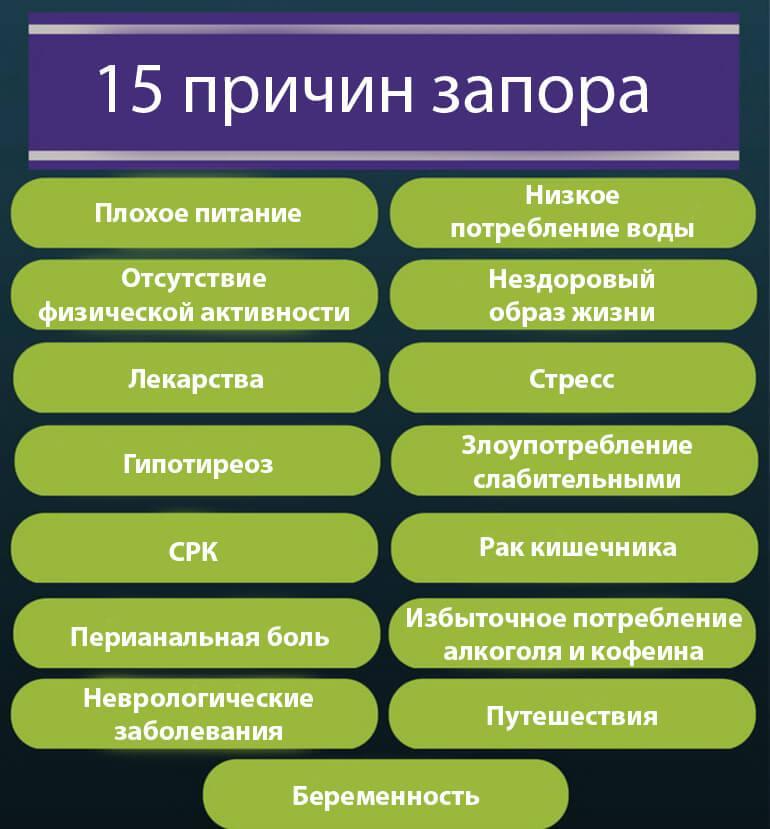
15 reasons for constipation
Note! During classes, patients suffering from hemorrhoids need to monitor their well-being, pulse and blood pressure. Strong jumps in arterial and venous pressure can cause an exacerbation of pathology and the opening of hemorrhoidal bleeding, therefore, the load should be selected individually, taking into account the patient's age, weight and build, as well as the degree of physical preparedness.
Recommended sports
If the patient was involved in any sport or attending sports activities prior to diagnosis, he will have to make a choice whether to continue training or have to change the type of physical loads.

It is imperative to consult a doctor, since some sports can negatively affect the course of the disease, the dynamics of the therapy and the general condition of the patient.
Even if sports have to be stopped for medical reasons, there are many alternative ways to stay fit and healthy.
Run
Running is one of the most effective, gentle and beneficial sports for hemorrhoids. The maximum load during running falls on the muscles of the thigh, lower leg and heart muscle, as well as the rectus abdominis muscles (abdominal muscles). A positive effect on the muscles located in the abdominal cavity, provides the prevention of pelvic pathologies, which can be secondary factors development of hemorrhoids, since almost all pathologies of the pelvic organs are accompanied by congestion (stagnation of blood, lymph and other fluids circulating in the vascular channel).

Smooth workout rhythm with a gradual increase in intensity at the beginning of the run and a gradual decrease at the end will help to avoid sudden changes in blood pressure, and, accordingly, a sharp blood flow to the rectum
With regular jogging, you can also achieve the following results:
- Improving respiratory function. When running, blood is actively enriched with oxygen, which helps to prevent hemorrhoidal thrombosis and rectal ischemia.
- Stimulating heart rate. Regular training of the heart muscle ensures normal blood circulation and provides tissue nutrition at the cellular level.
- Increased endurance. Jogging helps to develop resistance to pain and increased physical activity.
In order for jogging with hemorrhoids to be effective, certain rules must be followed. Do not work out on a full stomach, as this increases the load on the pancreas and can cause dull pain in the right hypochondrium.

Subject to the rules, this sport will help reduce the frequency of exacerbations and help overcome your ailment.
Important! The duration of training in patients with chronic hemorrhoids should not exceed 20-30 minutes. More intense exercise can cause hemorrhoidal bleeding and prolapse of hemorrhoids outside the rectum. It is recommended to do it 3-5 times a week (daily workouts should be excluded).
Swimming
Swimming is another way to keep fit and safely treat hemorrhoids early on. During swimming, almost all the muscles of the axial skeleton are involved, which has a positive effect on overall health and trains physical strength and endurance. To train the gluteal muscles, as well as the rectal sphincter muscles surrounding the hemorrhoidal ring, any type of swimming is suitable, but backstroke, breaststroke and butterfly.

During swimming, the load on all the muscles of the body is evenly distributed, and excessive pressure on the pelvic region and abdominal cavity disappears
Swimming in open water (in rivers, bodies of water) is also useful for the treatment and prevention of hemorrhoids and the restoration of venous circulation, but for swimming, it is necessary to choose only specially equipped areas on which signs are installed allowing swimming in these places.
In order for swimming to have not only a general strengthening, but also a healing effect, certain rules should be adhered to.
- To achieve a positive result, you need to practice in the pool 2-3 times a week.
- For training, be sure to take a bottle of water (approximately 400-500 ml). You need to drink it immediately after exercising in small sips.
- Breathing technique is of great importance. To learn how to breathe correctly, you need to stretch your body in a straight line during the inhalation phase and look down (to the bottom of the pool). Blowing bubbles under water has a positive effect. By doing these exercises regularly, you can learn proper breathing in 2-3 weeks.

Swimming can be done by patients of all ages and even during pregnancy.
Swimming with hemorrhoids is also useful if a person does not exercise regularly, but visits the pool only a few times a month. For the prevention of hemorrhoids, it is useful to swim once a week for 30-40 minutes.
Pilates
Pilates is a modern fitness area representing the exercise system developed by Josef Pilates. Pilates strengthens the muscles of the whole body, increases flexibility and endurance, and improves the circulation of fluids in the blood and lymph vessels. The big advantage of Pilates over other techniques is the gentle load and the absence of sudden movements and jerks, which makes it possible to use this complex in elderly patients, as well as pregnant women (provided that the pregnancy proceeds without complications, and there is no threat of termination or premature childbirth).

Pilates is easy and enjoyable, regardless of age and sporting experience
The following results are of therapeutic importance in the treatment of hemorrhoids, which are achieved with systematic Pilates exercises:
- Respiratory function normalization. Improves oxygen transport to organs and tissues and prevents chronic hypoxia (oxygen starvation).
- Improving the skills of innervation (control) of various muscle groups. Allows you to avoid excessive straining during bowel movements, which is one of the leading factors in the development of hemorrhoids.
- Stimulation of metabolic and metabolic processes. It has a positive effect on the work of all internal organs, including the blood vessels of the rectum.
For practicing in the late stages of the development of the disease, it is better to consult with your doctor.
Pilates contains many exercises aimed at strengthening the pelvic and abdominal muscles, which allows it to be used to treat chronic forms of hemorrhoids outside of periods of exacerbation.
Yoga
Yoga (if we consider it as a sports discipline) is a set of exercises aimed at achieving physical perfection and spiritual harmony. Yoga classes, which are offered in modern fitness centers, help to improve endurance, flexibility, and also normalize the psycho-emotional state. Stress, anxiety, emotional lability (frequent mood swings), neuroses - all this increases the risk of exacerbation of hemorrhoids and opening of anal bleeding. In addition, stress is a mediator of anal itching - one of the main symptoms of hemorrhoids, which significantly reduces the quality of life and negatively affects the mental state of the patient.

During yoga practice, many exercises are performed to help relieve hemorrhoid symptoms
Proponents of non-traditional and alternative methods of medicine single out yoga as a separate area, which makes it possible to treat many diseases of the digestive and nervous system, musculoskeletal system, vascular disorders, including hemorrhoids (yoga therapy). Yoga classes for hemorrhoids usually include three areas:
- performing rhythmic exercises with elements of aerobics;
- meditation;
- focusing on sound and visual aspects.

The benefits of yoga
Important! In some cases, yoga classes can be shown even with grade 3 hemorrhoids, but make up a complex exercise is necessary in conjunction with the attending physician to exclude the likelihood of a more severe loss hemorrhoids.
Stretching
Stretching is a complex of special gymnastic exercises, the purpose of which is to stretch the muscles, increase their elasticity and endurance. With regular exercise, stretching can relieve muscle tension, improve blood flow in veins and arteries, and get rid of chronic pain syndrome, which is also one of the main clinical signs hemorrhoids. Stretching can be done at any age, regardless of the level of physical fitness, weight and build.

There are different types of stretching that you can choose for yourself based on your personal preference.
Fitball lessons
Fitball is a gymnastic ball made of dense rubber with a diameter of 50 to 85 cm. Fitball exercises have a positive effect on the general well-being of the patient, increase the tone of the whole body, correct posture and improve metabolic processes. Fitball refers to gentle gymnastic apparatus, exercises with which do not create an increased load on the muscles of the anus and reduce the risk of exacerbation of existing symptoms. Performing springy movements on the ball helps to very quickly strengthen the muscles of the thighs and buttocks and increase the tone of the arterioles and venules that make up the vasculature of the hemorrhoidal plexus. To achieve a therapeutic result, you need to practice with the ball 3-4 times a week.

Fitball is a unique gymnastic ball that has no contraindications
Step aerobics
This is a relatively new trend in fitness that was first proposed in 1989. Exercises in this sport are performed using a special platform, the height of which is adjusted in accordance with the height, degree physical fitness of the patient and existing diseases (for example, with pathologies of the musculoskeletal system, the height of the platform decreases by 1.5-2 cm).

A step aerobics workout usually lasts 45-60 minutes. The lesson goes on continuously and in increasing complexity, as a rest and recovery, you will periodically return to the step in place
The main goal of training on the step platform is to reduce weight and normalize the vegetative status. Regular exercise eliminates sleep disorders, helps fight stress, and increases muscle strength and endurance. With hemorrhoids, step aerobics helps to eliminate stagnation in the hemorrhoidal veins and increase the elasticity of their walls.
Important! Any sports (including physiotherapy exercises) are allowed only during the period of remission. The acute form of the disease, accompanied by anal bleeding and loss of nodes, is a contraindication for training.
Outdoor games
Outdoor games with a ball (basketball, football, volleyball) are not contraindicated if the patient monitors his health during training, fulfills all the doctor's recommendations to prolong remission and does not exceed the recommended degree and duration of physical activity (no more than 40-50 minutes in a day). Professional athletes should train according to an individual schedule drawn up in conjunction with trainer and full-time physician, as the standard training regimen is not suitable for patients with all forms of hemorrhoids.

If you have external hemorrhoids with greatly enlarged nodes or internal hemorrhoids with prolapsed nodes, then it is better to refrain from playing football.
To reduce the risk of a sudden rise in blood pressure that can provoke anal bleeding, the following guidelines should be followed:
- before training, you must warm up (at least 5-10 minutes);
- 2 hours before training, you should not drink drinks containing a large amount of caffeine, as they can increase the tone of the vascular walls and increase the strength of their resistance to the flow of circulating blood;
- if any unpleasant symptoms occur (pain in the anus, anal discharge, itching), the exercise should be stopped.

Permission for outdoor games for hemorrhoids in each case can be given by a proctologist after examination
The recommended training schedule for patients with chronic hemorrhoids is 3-4 times a week.
The complex of physiotherapy exercises
The optimal choice for patients with chronic hemorrhoids is exercise therapy. This is a set of exercises aimed at restoring venous circulation in the vessels of the hemorrhoidal plexus, increasing the elasticity and elasticity of the vascular walls, prevention of congestion in the pelvic organs and prevention constipation.

Exercises to treat hemorrhoids
To achieve a stable positive result, the complex below must be performed daily. It consists of five exercises that increase the tone of the rectal vessels and can help cope with hemorrhoids at an early stage.
Exercise 1
Sit on the floor, straighten your legs and stretch them forward. The neck and arms are relaxed. Move forward and backward without hands, using only the strength of the gluteal muscles. Repeat several times in one and the other direction.
Exercise 2
Squat down, put your hands behind your head. Walk in a circle for 1 minute so that the foot is completely on the floor (you cannot walk on toes).
Exercise # 3
Get on your knees, put your hands on your waist, body straight. Perform up and down movements so that the pelvis describes a circle. Repeat 10 times.
Exercise 4
Standing, spread your legs shoulder-width apart, put your hands on your belt. Make rotational movements of the pelvis, describing the "eight", for 1 minute.
Exercise 5
Lean forward with outstretched arms. After that, bend back (180 °), putting your hands behind the body. Run 8-12 times in each direction.

The complex of physiotherapy exercises
Classes in the gym: is it possible or not?
If the patient attended the gym before the diagnosis, it is necessary to consult with the trainer and the attending physician about the possibility of continuing the exercise. Even if the doctor allowed to continue training, the standard training complex will have to be adjusted so as not to disrupt the dynamics of the treatment. Increased caution must be exercised when working with weights, since increased physical activity can provoke repeated prolapse of hemorrhoids and anal bleeding.

Deadlifts, squats, weighted hyperextensions, and abdominal exercises with weights can cause hemorrhoid inflammation.
For any form of hemorrhoids, the following exercises are possible only with the permission of a specialist:
- deadlift (an exercise with a barbell, in which an athlete lifts a projectile of a certain weight from a half-squat position);
- barbell squats (the bar is in the shoulder girdle);
- bench press;
- abdominal exercises performed with weights.

A bicycle saddle that does not take into account the physiological characteristics of the human body will provoke clamping of the arteries and large area of nerve endings, which can cause not only infringement of the tissues of hemorrhoids, but also impaired sensitivity or numbness feet
Useful for hemorrhoids exercises on cardiovascular equipment: ellipsoid, exercise bike, treadmill, stepper. Their duration should be about 10-20 minutes. With hemorrhoids, it is not worthwhile to engage in a stationary bike for a long time, since prolonged sitting hinders blood flow in the veins and arteries and contributes to an increase in pain.
Hemorrhoids after childbirth: what can you do?
Pregnancy and childbirth are the main causes of hemorrhoids in women. The first signs of the disease may appear within 1-2 days after the birth of a child or 2-3 months after childbirth. A woman is allowed to perform light exercises in 4-6 weeks after childbirth - this time enough so that the body can partially recover after childbirth, if they occurred on time and without complications. If the pregnancy was difficult, during childbirth, vacuum extraction or the application of obstetric forceps was applied, you can start training 3-4 months after returning from the hospital.

The expectant mother needs to take a responsible approach to the treatment of hemorrhoids
The preferred sports and fitness for hemorrhoids in women after the postpartum period are:
- callanetics;
- Pilates;
- health-improving physical education;
- fitball classes;
- stretching.
An excellent choice for women diagnosed with hemorrhoids will be oriental and Latin American dances. They normalize blood circulation in the pelvic organs, but also prevent not only hemorrhoids, but also many female diseases: salpingitis, salpingo-oophoritis, ovarian cysts, etc.

Ovarian cyst
You should train in a gentle mode: 2-3 times a week for 15-20 minutes. Even if a woman was previously in excellent physical shape, the load should be increased gradually, since pregnancy greatly weakens the woman's body and immune system.
Important! Physical education for hemorrhoids must be combined with a special diet (restriction of fatty, spicy, smoked and pickled foods) and the use of medication. If any symptom of hemorrhoids worsens, classes should be discontinued and a doctor should be consulted.
Contraindications for sports with hemorrhoids
The main and absolute contraindication for sports is acute hemorrhoids. To understand why physical activity during this period is excluded, you need to know how acute hemorrhoids differ from the chronic form.

The four stages of hemorrhoids
Tables 1. Acute and chronic hemorrhoids
| Hemorrhoid form | Characteristics and features of the flow |
|---|---|
| Sharp | Hemorrhoids in acute course are always characterized by thrombosis of hemorrhoidal veins, therefore the pathology has a second name - anorectal thrombosis. The patient experiences severe painful sensations (due to the large number of nerve endings in hemorrhoids), and the inflamed nodes acquire a bluish tint and become painful when palpation. In the absence of treatment (or improperly selected therapy), adjacent tissues are involved in the pathological process, in which necrotic changes occur. |
| Chronic | The chronic form develops with insufficient treatment of acute hemorrhoids. Symptoms may include recurrent bleeding from the anus (including bleeding), moderate pain. The stage is determined by the degree of prolapse of the inflamed nodes and the possibility of their reduction without assistance. |

If the bleeding does not stop, an ambulance should be called
Another contraindication to sports for hemorrhoids is arterial hypertension (the risk of anal bleeding increases during exercise or after it), therefore, patients with this disease should consult a doctor about the possibility of doing sparing therapeutic and recreational physical education.
What sports should I not do?

With hemorrhoids, it is imperative to give up bodybuilding. One wrong breath at the time of lifting weights and the loss of knots is guaranteed
Sports in which there is mechanical pressure on the anus, as well as those associated with shaking (rowing or canoeing, motorcycle and cycling) are contraindicated in any form of hemorrhoids. It is also forbidden to engage in:
- bodybuilding;
- wrestling and hand-to-hand combat;
- weightlifting;
- figure and roller skating.

Be sure to see a doctor
Sports for hemorrhoids is not only a means of maintaining the general tone of the body and physical strength and endurance, but also a way to treat pathology at an early stage. Despite the benefits of exercise for inflammation and thrombosis of hemorrhoidal veins, it is important to decide whether the patient can practice sports, only a doctor should, since in some cases there may be individual contraindications (for example, hypertension).


