Acute diarrhea: symptoms, treatment for adults and children
Acute diarrhea sometimes becomes a symptom of various diseases of the internal organs. More often the signal comes from the gastrointestinal tract. Acute diarrhea occurs with discomfort in the abdomen: pain, bloating, cramps, bouts of nausea and gagging. The number of trips to the toilet per day increases, while the feces are liquid or mushy in consistency.
Children are at risk of developing acute diarrhea. According to medical statistics, every child until the age of five suffers from a disorder of the digestive system.
Diarrhea, if not chronic, lasts up to 14 days. Lack of adequate treatment translates into an acute form chronic diarrhea. The therapy in this case is different, other methods are used.
Gastrointestinal disorders manifest themselves in different ways. Depending on the degree of intoxication of the body, mild symptoms of malaise occur or in severe form, provoking a significant deterioration in health and death.
It is not diarrhea that is dangerous, but human actions in an attempt to get rid of toxins, pathogenic microorganisms. As a result, together with harmful bacteria, useful microflora, vitamins and microelements are washed out of the internal organs. The body becomes dehydrated, which leads to disruption of the internal systems.
Content
- 1 Causes of Acute Diarrhea
-
2 Symptoms of the disease
- 2.1 Symptoms of diarrhea in adults
- 2.2 Symptoms of diarrhea in children
-
3 Types of Disorders
- 3.1 Secretory diarrhea
- 3.2 Osmolar diarrhea
- 3.3 Exudative diarrhea
- 3.4 Hyperkinetic diarrhea
- 3.5 Hypokinetic diarrhea
-
4 Treatment
- 4.1 Sorbents
- 4.2 Rehydration funds
- 4.3 Antibiotics
Causes of Acute Diarrhea
Acute diarrhea does not occur due to a single ailment. As a rule, there are many provoking factors:
- Dysfunction of the digestive system associated with spoiled food.
- Entering the body of pathogens of intestinal diseases.
- Disorders in the gastrointestinal tract caused by the presence of parasites.
- Pathogenic viruses and bacteria that cause enterovirus and rotavirus diseases.
- Inflammatory processes that provoke the occurrence of ulcerative colitis, Crohn's disease.
- IBS - Irritable Bowel Syndrome. Intense and painful diarrhea becomes a sign of the disease.
- Uncontrolled intake of medicines. Cause of occurrence loose stools not only chemical overdose. The use of natural medicines with a laxative effect leads to frequent emptying, watery stools appear.

- Poisoning. The negative effects of toxins as a result of alcohol abuse, ingestion of household and industrial chemicals.
Symptoms of the disease
The course of acute diarrhea is accompanied by pronounced symptoms. This allows the doctor to make a preliminary diagnosis of infection.
What an adult patient with an acute gastrointestinal tract complains about:
- Frequent urge to defecate, loose stools interspersed with mucus, blood, or pus.
- Pain syndrome extends not only to the abdomen. Complaints about headaches come in with varying degrees of intensity.
- The skin turns red, rashes appear.
- The body temperature rises, the patient develops a fever.
- Weakness, the appearance of seizures is noted.
- Nausea, profuse vomiting.
- Loss of appetite.
- Pain symptoms in the muscles.
- Loss of consciousness or temporary cloudiness is possible.
Diagnosis of the disease is carried out with the help of examination and analysis. The feces of the patient are studied in the first place. Examining the composition of feces, the laboratory assistant sees information about the severity of the condition, identifies what provoked the diarrhea.
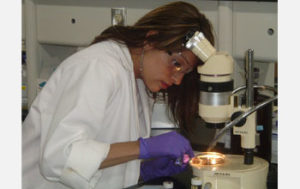
The risk of intestinal infection is great: the patient is rapidly losing strength due to constant diarrhea and vomiting.
An acute form of malaise occurs unexpectedly, pulling up other symptoms with increasing intensity in a short period of time - fever, pain, cramps, lack of appetite and fast fatigue.
Acute diarrhea appears and disappears within 3-4 days (rarely a week) with adequate treatment. If therapy is absent or not carried out effectively enough, the disease leads to dehydration of the body and the appearance of other symptoms:
- Dry skin.
- The volume of urine decreases. The color of urine changes from yellow to dark brown.
- The patient becomes irritable, indifferent.
- The mouth feels like a swollen tongue, saliva becomes viscous.
- Tingling sensation in the limbs.
- Heartbeat increases.
Symptoms of diarrhea in adults
The resistance of the organism of a particular person is different. From an acute gastrointestinal upset, symptoms appear with varying intensity. The main symptom that manifests itself in all patients is the same:
- Diarrhea comes on suddenly.
- Toilet urges increase up to 5-6 times a day. There were cases of 10-15 bowel movements.
- Feces contain an abundance of water, mucus. There are blotches of blood.
- Stomach ache.
- Due to frequent bowel movements, painful cider and irritation appear in the rectum and in the area of the anal exit.

Symptoms of diarrhea in children
In young children, the period of acute diarrhea is difficult and with serious complications. The body of young children, babies has not formed, and the immune system is not able to effectively resist the attacking microbes and bacteria. It is noted that it is impossible to cope with a new product due to insufficient production of the necessary enzyme.
The appearance of acute diarrhea in a baby leads to severe dehydration. Parents take steps to stop the elimination of fluid from the child's body. The baby's feces differ in consistency and color from the feces of adults. It is a mushy stool, yellowish in color, without foreign inclusions. Abundant emptying, accompanied by the release of loose stools and spasmodic phenomena in the abdomen, indicate the appearance of acute diarrhea. If at the same time the child is nauseous and vomiting occurs, the body rapidly loses water. To prevent the onset of dehydration symptoms, parents give the baby plenty of fluids to help replenish lost moisture.
Types of Disorders
Doctors divide acute diarrhea into several types, depending on the mode of occurrence.
Secretory diarrhea
During the period of acute secretory diarrhea in the intestine, there is an increased release of electrolytes. This is due to the effect of pathogenic microorganisms on the mucous membrane of the walls of the organ. The disease is manifested by liquid bowel movements, more than 1 liter during the day. Secretory diarrhea does not provoke spasmodic phenomena in the abdomen, does not depend on the contents of the diet.

Osmolar diarrhea
In the body, there are disturbances in the process of digestion of food and absorption of nutrients in the intestine - osmolar diarrhea appears. The appearance of undigested food particles in the feces is characteristic.
The etiology of the occurrence of this type of diarrhea is the intake of drugs that have a laxative effect, non-compliance with the instructions for use. Also, a lack of enzymatic substances can provoke a disorder when a certain product appears in the diet. Prolonged fasting or stopping laxatives can help stop osmolar diarrhea.
Exudative diarrhea
Diarrhea, characterized by the appearance of mucus or blood in the patient's feces. A viral inflammatory process occurs on the intestinal mucosa, which contributes to the onset of diarrhea.
Hyperkinetic diarrhea
It occurs as a result of certain diseases of the nervous system or stress. As a result of increased motor activity in the intestinal tract, food moves rapidly through the digestive system. It is poorly digested and has an irritating effect on the walls of the organ, which leads to the appearance of irritable bowel syndrome.
Hypokinetic diarrhea
Once in a beneficial environment, pathogenic microorganisms multiply and disrupt the local microflora, provoking the occurrence of hyperkinetic diarrhea. The feces contain particles of poorly digested fat. The presence of a pungent smell of feces is noted.
Treatment
When choosing the methods of therapy, remember: it is not the symptoms that need to be treated, but the source of the disease.
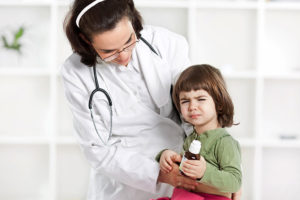
Since diarrhea is a dangerous ailment that can significantly impair health, the choice of medication is based on the “do no harm” principle. Strict adherence to the doctor's recommendations and the requirements of the instructions for the use of the drug will help to quickly get rid of diarrhea and its accompanying symptoms.
Not every diarrhea can be cured at home, there are signs of serious pathologies when you cannot do without medical help:
- Increased body temperature. The fever does not subside for 2-3 days.
- A symptom of dehydration. The patient is dizzy, thirsty, weak, vomiting.
- Spasmodic and burning pain in the abdomen.
- The stool contains bloody spots or the stool turns black.
The absence of indications for an emergency call for an ambulance team allows starting treatment with medications sold in pharmacies.
Sorbents
The action of the drugs included in the group of sorbents is aimed at binding toxins and other toxic substances in the stomach and intestines. Then it is safely removed from the body in a natural way along with the feces. Smecta, Polysorb, activated carbon, Atoxil - help to get rid of pathogenic microorganisms, have an astringent effect, and help to stop acute diarrhea. The effect of the use is noticeable if you take these drugs after the first signs of the disorder appear.
Rehydration funds
During the period of diarrhea and profuse vomiting, liquid leaves the human body in large volumes, and the water-salt balance is disturbed. To replenish lost moisture and salts, "Regidron" is used. The solution of the drug replenishes the lost fluid, restores the electrolyte balance.
Antibiotics
Antimicrobial drugs are prescribed to combat severe forms of the disorder, such as dysentery, salmonellosis, and others. The attending physician, on the basis of examination data and analyzes, prescribes antibiotics and a course of treatment.