Foam diarrhea: causes of occurrence in adults and children
Loose stools - this is not a separate disease, but a symptomatic manifestation of disorders in the gastrointestinal tract. Therefore, the treatment of diarrhea begins with a set of examinations and finding out the kind of reasons that caused the stool liquefaction. The norm for the duration of the disease is considered to be fourteen to twenty days (acute course of diarrhea), if recovery does not occur, then we are talking about a chronic nature.
Disordered stool etiology:
- dangerous products with violations of the shelf life, violation of the norms of thermal processing of products during cooking;
- mild food intoxication;
- individual intolerance to certain types of products or their components (allergies);
- stressful conditions, changes in stool due to a change in the climatic zone and changes in the diet (exotic dishes).
If the diarrhea associated with these causes disappears after 2-4 days of illness, then there is no cause for concern. However, irritable bowel syndrome also occurs due to a number of other factors:
- ingestion of pathogens of infectious diseases (shigellosis; intestinal infection caused by salmonella; rotavirus disease);
- the course of inflammatory processes in the digestive organs: changes in the gastric mucosa (gastritis), ulcers on the colon mucosa;
- enzymatic deficiency (lactase, lipase, etc.);
- poisoning with chemicals.
If diarrhea is due to serious reasons, qualified help from a gastroenterologist and examination in a stationary environment are required.
Content
-
1 Stool consistency and color
- 1.1 Feces of yellow and green shades
- 2 Treatment methods
-
3 Loose stools in childhood
- 3.1 Diarrhea at age 3
- 3.2 Changed color and foam in fluids in children
- 3.3 What to do if a child suddenly has diarrhea?
Stool consistency and color
Pay attention to changes in the color of the secreted intestinal contents, this will help to establish the correct diagnosis and carry out adequate treatment measures. Foamy stools are the first signal of the presence of dangerous disturbances in the work of the digestive tracts of the intestine. It is advisable to immediately contact the clinic.
Feces of yellow and green shades
Foam diarrhea is formed when pathogenic microorganisms enter the intestinal cavity. It is accompanied by a temperature above 38 degrees, weakness, pain in the abdomen, and vomiting. Liquid-like, green-colored stools and sour smell are the hallmarks of intestinal infection. At home, treatment will not give positive results. It occurs when there is a microbial imbalance (intestinal dysbiosis), which negatively affects the functioning of the intestines. As a result of a long course of antibiotic therapy. With the rapid development of dysbiosis, a yellow tint of discharge and foam in liquid feces. An adult is treated to restore the balance of bacteria. The course takes 14-21 days.
With white coloration of foamy discharge:
- Inflammation in the gastrointestinal tract (ulcerative colitis, microflora disorder, congenital insufficiency of digestive enzymes).
- With helminthic invasion, a liquid stool with a foamy component appears.
- Lactase deficiency (infancy). It runs without temperature. It also occurs in an adult as a result of disorders of the pancreas.
The appearance of foam and mucus:
- Individual intolerance to specific products (allergic reaction).
- Improper nutrition (fatty foods, unusual dishes). With the wrong treatment, complications arise.
Treatment methods
Seek help from a health care provider. And the following measures will help to reduce the manifestation of violations of this kind.
To drink: herbal decoctions - brewed oak bark; chamomile tea; a drink from dried apricots and bird cherry; rice broth; water containing minerals without gases. They restore the balance of minerals and salts in the body, protect against dehydration, and promote the elimination of toxic substances.
Health food: exclude dairy products in the diet; rich pastries; fried foods; fruits other than bananas; foods and vegetables containing fiber; spicy food, sauces (mayonnaise and ketchup); seasonings.
Medicines: the treatment of intestinal dysfunctions distinguishes four groups of drugs that improve the patient's condition in case of intestinal tract disorders.
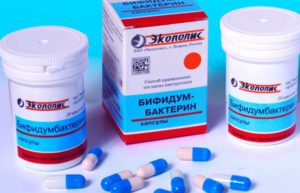
- Probiotic and prebiotic. Restores the balance of beneficial bacteria (Lactobacterin, Bifidin).
- Enterosorbent drugs (charcoal, Polysorb, Karbopect). Absorbs and subsequently removes toxins.
- Decreasing peristalsis in IBS (Stoperan, Lopedium). Soothes contraction of the walls of the stomach and intestines, reduces the incidence of diarrhea.
- Antibacterial. It is taken to suppress pathogenic microbes and bacteria that cause disorders of the intestinal cavity (Enterofuril, Metronidazole).
Loose stools in childhood
Phenomenon diarrhea in children - a problem with which parents often meet, because from birth to 3 years, the gastrointestinal tract works intermittently and unstably.
Diarrhea at age 3
Stool disturbances in babies are provoked by pathogenic microbes that enter the body through unwashed hands or with improperly processed food, when using expired food. It is not necessary to panic if the child is vilified, but to urgently alleviate the symptoms of the disease and begin treatment. Be sure to contact a pediatrician, it is impossible to treat folk remedies. At preschool age, it is not the disease itself that is dangerous, but the consequences of diarrhea, if timely treatment is not started.
If the liquefied stool is associated with a number of other factors:
- mucous components;
- bleeding; liquid feces with foam.
The manifestation of these symptoms is a reason to urgently contact a medical facility. Before an examination is carried out and medications are prescribed, it is important for adults to prevent dehydration of the body (dehydration). To do this, let the child drink boiled water at intervals. The volume of liquid is 10 milliliters per kilogram of weight.
The reasons for the disturbed stool:
- neurotic disorders;
- obtained with the help of alimentary transmission routes of infection (through the mouth, when contaminated water gets into, airborne and household transmission of infection);
- secretory disorders of the digestive organs;
- toxic poisoning.
If water diarrhea and continues continuously - this indicates serious diseases of the intestinal cavity (enteritis, colitis).
Preschoolers are susceptible to functional diarrhea - symptoms of manifestation:
- the consistency is mushy or watery, and 70% of the intestinal secretion is liquid;
- not accompanied by abdominal pain;
- discharge of liquid fecal fluids from 3 times a day.
With functional diarrhea, the patient's physical growth is normal, and this kind of disease can only be detected in laboratory studies. The leading place among the causes of IBS in three-year-olds is occupied by viral infections that enter the digestive tract along with dirty hands. Together with contaminated water and food, Shigella bacteria enter the intestinal cavity, and infection with dysentery occurs. In this case, the appropriate treatment is prescribed by a gastroenterologist or an infectious disease doctor.
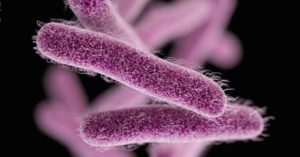
Shigella bacteria
Changed color and foam in fluids in children
Yellow color indicates serious intestinal problems, but not in all cases. In the case when a light or green tint appears, mucus impurities or bloody blotches and against this background the body temperature rises and the small child feels worse - parents are immediately advised to contact to the doctor. In addition to color changes in your baby's bowel movements, look for foam in the diarrhea. This is due to a number of reasons:
- improper nutrition (incompatible foods, fast food, drinks with chemical dyes);
- parasites (helminthic invasion, giardiasis);
- rotavirus infection;
- appendicitis;
- inflammatory liver disease;
- infection with salmonella bacteria, etc.
What to do if a child suddenly has diarrhea?
When to show concern: with mucus, fever, anabolism (vomiting), acute abdominal pain. The consistency of the diarrhea is watery and of a bright yellow color, there is frothiness. If these signs are present, this indicates a danger. Diarrhea in children is fatal if left untreated.
With a lighter version of diarrhea: no impurities and discoloration of the stool, no temperature - it is recommended to observe the drinking regime, dietary food (table number 1). To prevent dehydration (Rehydron) and preparations that restore the intestinal microflora (Lactofiltrum).