Loose stools in breastfed babies: reasons, is it normal
The appearance of a liquid stool of a month-old baby is constantly observed: this is how a fragile body functions. The first day the child poops ten times, up to six months - a maximum of five. Meconium is dense. In the future, most babies begin to experience interruptions in the work of the intestines. It takes a long time until the intestines get used to new food, different from the one that the mother used when carrying the baby.
Loose stools in a childbeing breastfed is a normal fact. Don't panic immediately. The digestive system in babies is far from that of an adult. It did not take shape completely. The intestinal microflora in the process of life begins to be populated with the necessary microorganisms. Enzyme production is too weak; due to the specific location of the organs of the digestive system, food passes and is digested very quickly.
What becomes a cause for alarm:
- the frequency of bowel movements reaches ten times a day;
- the structure of the baby's stool becomes liquid when breastfeeding;
- bowel movement as if under pressure;
- feces acquired a sourish odor;
- the color changes from yellow to orange and green;
- in the structure, the presence of foamy, bloody or mucous secretions is clearly visible.
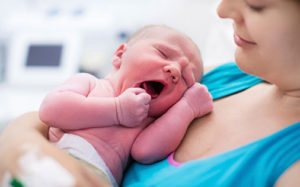
Most of the above symptoms are accompanied by light sleep, loss of appetite, tearfulness, and a temperature above 37 degrees. The kid begins to worry about colic, excessive gas formation. Abundant regurgitation is more frequent after breastfeeding.
Diarrhea in a newborn not always directly related to serious misconduct. It often goes away without treatment in a short period of time. If the situation is not resolved without outside intervention, you should seek qualified advice from a pediatrician. Increased adult attention is required if the stool becomes water-like in structure against a background of body temperature in excess of 37 degrees.
Content
- 1 What should a parent do?
- 2 Doctor's help is needed!
- 3 Drugs used
What should a parent do?
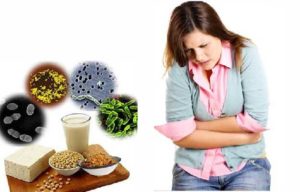
Stools from breastfeeding babies often change structure. As a rule, the issue is easily resolved by making the necessary changes to the list of foods consumed by the mother. Nutrition becomes the cause of what is happening. To ensure that the baby's body can work without interruption, breast milk should contain healthy products: rice or buckwheat porridge, preferably without salt; boiled, steamed fish or soups based on it; lean meat; low-fat dairy products, as well as chamomile tea or the specified drink with the addition of mint.
Children's doctors advise young mothers who are breastfeeding their babies to eat the food they are used to during pregnancy. Ignore processed foods, foods containing artificial additives, fatty foods. It is useful to forget smoked meats, heavy confectionery products, dishes with a sour and tangy aftertaste.

Often, crumbs, which are fed with mother's milk by a vegetarian, experience difficulties with loose stools. Excessive eating of cucumbers, carrots, apples and similar fruits will definitely affect the consistency of the baby's stool. If, in addition to liquid feces, other symptoms (colic, restless behavior and sleep) are not observed, consider this a manifestation of the norm.
At the beginning, the diet of a lactating woman is expected to be quite dietary. New elements must be introduced into the diet with caution, note the reaction to them in a specially designed notebook. This will be of great help in controlling how the baby's body responds to a particular product. If the need arises, the food component that the child does not accept is easily replaced by another.
A loose stool that appears in a baby should not become a reason for refusing natural feeding and switching to artificial mixtures, due to the fact that nursing has a number of advantages. Often, most inexperienced mothers attribute the baby's bowel disorders to insufficient quality breast milk. According to experts, this is not true. Mother's milk, in addition to nutrition, is also a source of vitamins and minerals necessary to strengthen the immune system of infants who have reached one month of age and older. It happens that it protects the body from the release of fluid from the body in case of poisoning or dysbiosis.
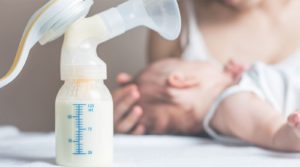
Frequent loose stools with a greenish tinge are associated with a violation of the feeding procedure. This can be seen in babies who attach themselves to both breasts. Due to the change of nipples, the baby receives liquid milk, which is closer, and nutritious and fatty milk continues to remain in the breast. To avoid making this mistake, feed your baby with one breast until it is empty. As long as the amount of milk required is small, the remaining milk must be expressed so that milk does not stop being produced. This will keep the shape of the mammary glands.
Doctor's help is needed!
If loose stools do not pass for a long time, there are no changes for the better, although the diet has been adjusted, the baby's parents will have to consult a pediatrician. This is also required in the case when the stomach is tense, the baby is worried and capricious. Alertness is also caused by the situation when the baby is not gaining weight well, he has no appetite, vomiting does not stop, accompanied by fever. If the child is a newborn, all the symptoms indicated in the article pose a threat to him, it is impossible to hesitate with a visit to the clinic: this is a loud signal to parents that there is a danger to the health of the baby.
If the yellow liquid stool becomes watery, with a smell of rotten food, immediately run to the hospital. In a similar form, diseases caused by pathogenic bacteria that have entered the baby's intestines are often manifested. The reason for this is the untreated water that was given to the child, the lack of cleanliness in the room, and non-disinfected toys. This makes it possible for pathogenic microbes to easily enter the body of the crumbs and begin destructive work.
Unfortunately, dysbiosis is quite common in babies. Often, pathology occurs when a mother, being in a state of pregnancy or after childbirth, used Ciprolet, Ciprofloxacin, Amoxicillin and similar drugs. Dysbacteriosis is characterized by greenish stools with grains or mucus. To determine an accurate diagnosis, you will need to undergo an appropriate examination.
Diarrhea is a phenomenon of fermentopathy, which is manifested by the inability of the body to break down milk sugar. In this case, the baby can notice a lack of weight, increased excitability. The severity of the disease is determined by the doctor after receiving the results of stool tests.

Drugs used
Antimicrobial drugs prescribed to babies for health reasons are aimed at fighting bacteria, but they also destroy beneficial microflora. In connection with their intake, a condition begins to develop, caused by a violation of the intestinal microflora. It is accompanied by loose stools with accompanying symptoms.
To exclude the unfavorable development of events will allow systematic natural feeding and medications intended to fight infection, the purpose of admission is to restore the microflora. The most commonly used available means are, for example, Lactobacterin, Bifidumbacterin, Lactofiltrum. The most valuable medicinal properties of bifidumbacterin are associated with the presence of living bacteria that are able to resist pathogens and normalize the intestines. According to the mechanism of action, the multifunctional drug stimulates the recovery processes in the intestine.
The child takes the drug in a diluted form, according to the instructions for use, with breast milk in a spoon. These drugs are allowed to drink and a nursing mother, in a similar way they enter the baby's body with milk.
Liquid feces are not a reason for panic, provided that the state of health of the crumbs does not bother loved ones. Remember clearly, it is better to insure yourself - to take him to pediatricians, infectious disease specialists, than to let the course of the disease take its course, aggravating the situation.