Diarrhea and temperature in an adult: what to do, causes and treatment
Diarrhea, accompanied by a high fever, may indicate the development of inflammatory diseases in the body. The person is weakened, the state of health worsens. In this situation, it is necessary to determine the source of the diarrhea and begin treatment.
Diarrhea and fever are not considered a disease, but serve as a warning sign of health problems. Treatment can only be prescribed by a doctor, after the diagnosis is made.
Content
- 1 Why does diarrhea occur?
- 2 Symptoms of Infections in the Gut
-
3 First aid for diarrhea with fever
- 3.1 When to call a doctor, warning signs
- 4 Diarrhea treatment
Why does diarrhea occur?
Reasons that provoke stomach upset, are divided into infectious and non-infectious. The method of treatment is determined depending on the source of the disease. Factors contributing to the onset of diarrhea:
- Poisoning (spoiled food, alcohol intoxication, misuse of drugs).
- Allergic reaction to medicines, food additives.
- Intestinal diseases (rotavirus, enterovirus, salmonellosis).
- Bacterial infection.
- Helminthic invasion.
- Inflammatory disease of the digestive system (cholecystitis, pancreatitis, gallstone disease, ulcerative colitis, gastritis).
- "Traveler's diarrhea" can occur with frequent business trips, travel. An upset stomach is associated with a change in climate, diet, and an unusual diet for the stomach.
- In a teenager, loose stools can cause psychoemotional disorder, severe stress. Nervous diarrhea manifests itself without an increase in temperature.

Common causes are food poisoning and intestinal infections. Pathogenic microorganisms can enter the stomach along with spoiled food, dirty water, unwashed hands, through contact with a sick person.
If diarrhea began with an increase in temperature, then doctors talk about acute diarrhea against the background of infection. A high fever is a symptom of inflammation. With intoxication, a rise in body temperature from 37 to 39 degrees is possible, sometimes it is low. Due to diarrhea, the body is depleted, the patient feels weak.
The condition is dangerous because it can lead to dehydration, exhaustion. You can start therapy only after determining the source of the disease.
Symptoms of Infections in the Gut
Intestinal infections affect the gastrointestinal tract. Pathogenic bacteria cause intestinal upset. A person may notice signs:
- Constantly nauseous;
- Acute abdominal pain;
- Bloating and abdominal discomfort;
- Lack of appetite;
- High body temperature (can rise from 38-40C);
- Diarrhea;
- Vomiting after fever;
- Weakness.

Dangerous loose stools with vomiting. At the same time, there is a sharp deterioration in health. Self-medication cannot be carried out. You can provide first aid before the ambulance arrives. Most often, diarrhea caused by viruses is treated in a hospital under the supervision of doctors.
First aid for diarrhea with fever
To help the patient and not harm his health, you need to know what you can do and apply for the symptoms of diarrhea.
There are several ways to provide assistance:
- Provide bed rest. The body is weakened, dizziness is possible. It is necessary to maintain rest so that the patient is under supervision.
- Monitor the temperature, if there is a sharp increase, first take antipyretic drugs. Then you can wipe your forehead, neck, bends of the elbows and knees with water and vinegar. Avoid convulsive condition from temperature.
- Drink water. With frequent loose stools, a person loses fluid, mineral compounds, nutrients. Lost fluid needs to be replenished. To restore the water-salt balance, it is recommended to take rehydration solutions, physiological saline. They promote fluid retention in the body.
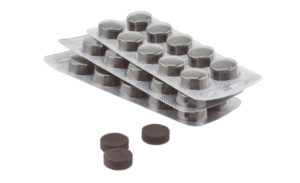
- Take sorbent drugs for indigestion. Activated carbon, Enterosgel, Polisobr, Smecta, Polyphepan - drugs that absorb and remove from the body toxic compounds, pathogenic microorganisms, help cleanse the intestines, do not allow them to enter the blood poisons. The action of the drugs has no effect on the mucous membrane.
- During an upset stomach, a person does not feel well, his appetite disappears. On the first day, it is recommended not to eat heavy food, so as not to further burden the stomach. It is necessary to eat dietary food, in small portions, fractionally. Exclude foods: fatty, spicy, carbonated drinks, alcohol, canned food, smoked meats, baked goods.
- To normalize intestinal motility, restore stomach function, it is recommended to take probiotics. Substances that colonize the stomach are beneficial bacteria.
- Stool strengthening medications should not be taken without the doctor's permission. The condition can be aggravated. The disease can be determined only after examination. Therefore, in case of diarrhea with a temperature on the first day, seek medical help.
- After consulting a doctor, you can use traditional methods of dealing with indigestion. Tea, decoction and tincture of medicinal herbs help to strengthen the stool, restore the stomach. For treatment, they drink decoctions from oak bark, pomegranate peels, bird cherry, walnut partitions.
Constantly monitor the patient's well-being, if it does not become easier, immediately call an ambulance. An adult is as prone to dehydration as a child. Due to the temperature, the condition may worsen.
When to call a doctor, warning signs
With intestinal disorders and poisoning, the first symptoms may be similar. It is impossible to determine on your own what may be the cause of diarrhea. A number of symptoms for which the patient needs hospitalization:
- Feels dryness of the mucous membrane of the mouth;
- Constant thirst;

- High fever, which cannot be brought down by antipyretic;
- Low temperature with diarrhea is dangerous, indicates a strong depletion of the body, weakness;
- A sharp decrease in the amount of urination;
- If blood clots, bile begin to appear in the feces;
- Tachycardia;
- Pale skin, fainting;
- Chills, aches, convulsions;
- Uncontrolled frequent loose stools;
- If the diarrhea has not gone away within 24 hours.
Only a doctor can prescribe the correct treatment. Based on the disease, drugs are prescribed that act on the source of diarrhea. Avoid these symptoms. Call your doctor in advance, get advice, undergo a medical examination. The worse the patient's condition, the longer the recovery period will last.
Diarrhea treatment
Treatment tactics are determined by the nature of the diarrhea. Diarrhea of non-infectious origin requires gastric lavage, intake of adsorbents; probiotics. It is important to get rid of substances that poison the stomach in a short period of time, to prevent them from entering the bloodstream. Antispasmodics are prescribed for pain in the abdomen.
Then the patient after diarrhea is assigned a dietary table to restore the stomach, vitamin complexes for replenishment with microelements. A strict diet is recommended for three days. Diarrhea caused by poisoning, in some cases requires hospitalization, treatment in a hospital. The patient recovers within a week.
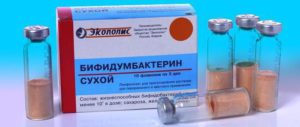
With intestinal infections in an adult, the approach to treatment changes. Diarrhea of a viral nature is treated with antibiotics in the form of tablets or intramuscular injections. Medicines destroy pathogens. During antibiotic treatment, the intestinal microflora suffers. Together with pathogenic microorganisms, beneficial bacteria are also destroyed. It is imperative to take probiotics together with antibiotics (Enterohermina, Biogaya, Bifidumbacterin).
For treatment intestinal infections use antibiotics a broad spectrum of action. They should not have a negative effect on the liver, kidneys, and the patient's condition. The goal is to destroy pathogenic bacteria, to be minimally dangerous to humans. Antibiotics are used in medicine: Claforan, Cefotaxime, Tsiprolet, Neomycin, etc. They are selected individually, contraindications for use must be taken into account.
If the temperature has passed, but the diarrhea remains, then it is necessary to undergo a full examination to identify the cause. If the stool has returned to normal, and there is a slight temperature, the treatment of the inflammatory process should be continued.
During pregnancy, diarrhea is treated with a dietary table, etnerosorbens, adherence to a drinking regimen. Antibiotics are prescribed in severe cases when the mother's life is at risk. The least toxic effect is possessed by Amoxicillin, Ceftidin.
It is necessary to start treating diarrhea with fever at the first sign. Timely identify the cause and eliminate it. Medicines and methods of treatment are selected for each case individually.