Yellow diarrhea in a child: causes and quick treatment
In children, the formation of the stomach occurs up to three years. In infants, yellow liquid stools may occur due to enzyme deficiency. Parents should be alerted to the change in stool in the baby. Yellow diarrhea in children looks like a symptom of the disease. It is important to quickly find out the cause and prescribe the correct treatment to restore the stomach.
Diarrhea can be a symptom of an irritable bowel, which is provoked by various reasons, incomplete digestion of food and absorption of nutrients and trace elements occurs.
A parent can assume that a child has diarrhea if:
- The frequency of bowel movements is 5 times a day.
- The volume of excreted stool is 150-200 ml per day.
- Feces water content - more than 80% watery stools.
Any change in the number of trips to the toilet per day, consistency, color of feces require the attention of parents. It is important to monitor your baby's health to prevent signs of dehydration.
Content
- 1 What can cause diarrhea in children
- 2 Symptoms of yellow diarrhea
-
3 What helps with diarrhea, quick methods of treatment
- 3.1 Home remedies for diarrhea
- 4 When to see a doctor
- 5 Prevention of yellow diarrhea in children
What can cause diarrhea in children
The baby's stool is yellow. The first year of a baby's life, indigestion is common.
The causes of yellow diarrhea in children are varied, divided into infectious and non-infectious diarrhea.
Infectious diarrhea is caused by viruses (rotaviruses), bacteria, inflammation of the intestinal mucosa.
Non-infectious forms of diarrhea:
- Food allergy;
- Milk intolerance (lactose);
- Dietary error (a matter of excessive or improper consumption of a certain type of food);
- Food poisoning (infected, poorly stored food, mushroom poisoning);
- Side effects of the drugs injected (antibiotics, cough medicine);
- Non-invasive infection (sore throat, flu, otitis media);
- Mentally induced diarrhea (anxious children) and intense stress;
- Abdominal discomfort (acute intestinal inflammation).
If the baby is breastfed or mixed food (breast milk, formula), then the causes of diarrhea can become improper nutrition of the mother in the first months of the baby's life, non-compliance with recommendations for preparation, storage mixtures.
Symptoms of yellow diarrhea
Children's diarrhea may come on suddenly. Usually, the baby first begins to swell and seethe in the abdomen, pain and cramps. Symptoms of childhood diarrhea:
- Poor appetite, food rejection;
- Pallor of the skin;
- Drowsiness, apathy, lethargic appearance;
- Frequent, watery, yellow stools;
- Possible impurities of mucus and blood inclusions in the feces;
- Weight loss;
- The body temperature rises;
- Feeling of nausea, vomiting;
- Loud bubbling in the abdomen.
The kid feels bad, is capricious. Parents should constantly monitor him, not leave him alone. Provide first aid, call an ambulance if necessary.
Diarrhea in children dangerous by rapid dehydration of the body.
The symptoms of dehydration in children are always pronounced. The appearance of warning signs, persistence of diarrhea for more than 6-10 hours (despite home treatment), the presence of mucus and blood in the stool, repeated vomiting and fever are serious reasons for urgent visits to the doctor who will determine the diagnosis and prescribe the appropriate treatment.
The younger the child (weight and age), the more closely it is necessary to observe the nature and composition of the stool, the general state of health. Breastfeeding is especially prone to indigestion as the digestive system is still developing.
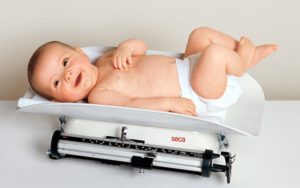
Measure body temperature at least twice a day, observe vomiting, stool volume and consistency, monitor fluid intake, weigh twice a day to detect weight loss.
What helps with diarrhea, quick methods of treatment
Parents should properly provide first aid for diarrhea. This requires knowing how to act, how to help, what to pay attention to.
If yellow diarrhea is observed during the day, monitor the baby's well-being, you cannot leave the child unattended. What to do with diarrhea, recommendations for parents:
- Offer water. If the child declined for the first time, offer later. During diarrhea, thirst arises due to loss of fluid.
- Adjust your diet for a period of indigestion. If the symptom is observed in an infant, the mother should follow the diet herself. If your baby's food is artificial, you may need to reconsider the choice of formula.
- Measure your body temperature periodically, do not allow a strong rise in temperature. If diarrhea with body temperature, it is necessary to give an antipyretic and wipe the forehead, neck, axillary tabs with a weak vinegar solution.
- During loose stools, appetite worsens, nausea is possible. Offer food in small portions. Nutrition should be correct, gentle and age appropriate.
- If diarrhea is caused by food poisoning, it is necessary to give sorbents (Activated carbon, Polysorb, Enterosgel).
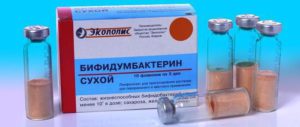
- To restore the work of the stomach, probiotics (Enterohermina, Bifidumbacterin) are used.
Home remedies for diarrhea
If loose stools in a child without fever, and he feels good at the same time, it is permissible to try to normalize the work of the stomach using folk methods.
To strengthen the chair, perhaps at home cook rice water. It has a beneficial effect on the digestive system and has an astringent effect. For cooking, you need to pre-soak 2 tablespoons of rice in cold water. Put a saucepan on the fire, pour a glass of water, bring to a boil. Place the washed rice in boiling water, cook for 40 minutes, stir occasionally. Cool, drain. Take the broth in a tablespoon three times a day. Helps to quickly strengthen the stool.
Dill water. Applied from birth. Helps to reduce gas formation, improves the functioning of the digestive tract. You can buy ready-made dill water at a pharmacy or prepare a decoction yourself. A tablespoon of dill seeds is poured into 500 ml of water. Simmer over medium heat for 30 minutes. Filter, cool. Take before meals.
Potato broth is a well-known folk way to restore the work of the stomach. Starch is found in large quantities in water after boiling potatoes, helps to cope with loose stools. Boil 2-3 peeled potatoes for 40 minutes. Cool the broth. Take before meals. The broth envelops the walls of the stomach, prevents toxic compounds from entering the bloodstream and removes them from the body.
Remember! Homemade methods are effective, but they must be used with caution. Consultation and permission of a pediatrician is required. If at home it is not possible to cope with the treatment of diarrhea in a child, complex treatment is indicated. To carry out therapy inpatiently or outpatiently, the attending physician decides after examination and determination of the diagnosis.
When to see a doctor
Diarrhea is a serious symptom that can harm a child's body. For what symptoms it is necessary to urgently seek medical help:
- High body temperature;
- Vomiting opened;
- A lot of mucus, blood clots appear in the feces;
- Loose stools, light yellow, watery;
- Dry tongue, lack of saliva, tears when crying, decreased amount of urination;
- The color of the feces turned green;
- The child has a pulsating fontanelle or sunken fontanelle.
If there is at least one sign - urgently call the pediatrician at home. Take your child's health seriously. The child's body is more susceptible to poisoning and rapid dehydration. An experienced physician should find out what is the cause of yellow diarrhea and suggest treatment. Be conscientious about your doctor's recommendations.
Prevention of yellow diarrhea in children
The main rule is hygiene. Preventing diarrhea is much easier than taking treatment and restoring a baby's stomach. Advice:
- Practice good hygiene when preparing food.
- The food of the child must be age appropriate.
- If the baby is bottle-fed, then the mixture is prepared each time before feeding, and is not left for storage.
- Buy fresh food, check the date of manufacture, expiration date, compliance with basic storage conditions, and the integrity of the packaging.
- Wash fruits and vegetables thoroughly before eating.
- Avoid eating fast food or street food.
- Watch out for the drinking water that your baby drinks. Dirty water can cause stomach upset. Bring bottled water with you when traveling.
- If an adult has diarrhea, make sure you minimize contact with your child. Remember to practice your body hygiene regularly.
By taking precautions, it will be possible to prevent the development of intestinal diseases in young children.