Black diarrhea in an adult and a child: causes and treatment
Diarrhea always brings a lot of inconvenience, but sometimes the symptom is caused by reasons that do not pose a threat to human health. Black bowel movements are troublesome, provoked by serious pathologies. Dark loose stools may be the first sign of internal bleeding.
Content
- 1 Causes of black diarrhea
-
2 Diseases of the digestive system
- 2.1 Stomach ulcer
- 2.2 Gastritis
- 2.3 Oncology
- 2.4 Expansion of the veins of the esophagus
- 2.5 Polyp of the esophagus and stomach
- 3 Black diarrhea in children
- 4 Diagnostics
- 5 Treatment
- 6 Prophylaxis
Causes of black diarrhea
The consistency and color of the stool depends on the content of the masses. Normally, an adult's stool is brown in color, homogeneous, of a dense consistency. Black stool can cause the use of certain foods or drugs. The terrible reason is internal bleeding. The normal shade of the stool changes to dark according to the circumstances:
- Nutritional errors.
- The use of alcohol-containing products.
- Taking certain medications.
- Diseases of the gastrointestinal tract.
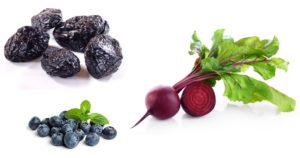
Eating prunes, beets, blueberries can cause intestinal upset and stain the stool black. Taking medications, for example, activated carbon, bismuth preparations, changes the color of the feces to dark. These are harmless reasons for the phenomenon. Such diarrhea quickly passes and is not accompanied by other symptoms.
Black diarrhea can occur in people who abuse alcohol, especially if the alcoholic drink is of poor quality. In this case, the use of alcohol-containing products in any quantity should be completely excluded.
The symptom sometimes occurs in people who have had stomach surgery.
Small dark blotches in the stool appear as a result of a burn of the esophagus.
In pregnant women, liquid stools of a dark color occur due to the intake of various vitamin complexes with an increased iron content. Metal ions affect the color of the stool.
Diseases of the digestive system
If black diarrhea does not stop for more than two days, in addition, the person has a stomach ache, weakness is observed, most likely, the organs of the gastrointestinal tract have suffered. Perhaps the patient has internal bleeding caused by pathologies:
- Stomach ulcer.
- Expansion of the veins of the esophagus.
- Portal hypertension.
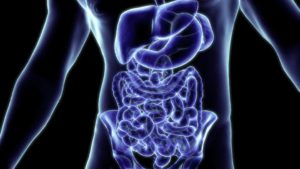
Stomach ulcer
Pathology provokes the appearance of microcracks, which subsequently turn into wounds. Under the influence of gastric juice and irritating food, the lesions begin to bleed. When it enters the digestive tract, the blood takes on a dark hue. Mixing with food, at the exit it gives feces of an unnatural shade.
In addition to liquid stool, a person feels severe pain after eating. Vomiting is common.
Gastritis
Chronic or acute stomach disease. During the period of exacerbation, bleeding develops. Launched gastritis can turn into an ulcer.
Oncology
At an early stage, oncology does not manifest itself in any way. Diarrhea and stools of an unnatural shade are characteristic of the latter stage. The disease at the last stage is practically not amenable to treatment, it often becomes the cause of the patient's death.
Expansion of the veins of the esophagus
The disease itself does not cause diarrhea. With pathology, the veins become inelastic. Coarse food can easily damage a vein, resulting in bleeding. Dark diarrhea is possible with concomitant bowel upset.
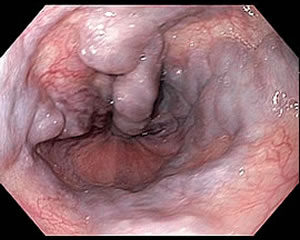
Veins of the esophagus
Polyp of the esophagus and stomach
A benign neoplasm that has arisen due to an inflammatory process in the mucous membrane or microtrauma of an organ, as well as a hereditary predisposition. Formations that are significantly increased in size cause bleeding. Doctors recommend removing benign tumors due to their ability to turn into malignant ones.
If you suspect a disease, it is important to immediately consult a doctor for diagnosis.
Black diarrhea in children
Like an adult, dark loose stools in a child often caused by a malnutrition or abuse of plant foods, which can stain the stool a dark color.
With the introduction of complementary foods in infants, intestinal upset is often observed. To eliminate the malaise, it is enough to remove the product that provokes dark-colored diarrhea from the baby's diet.
In the first weeks of a baby's life, dark loose stools are natural and are not considered diarrhea.
If a child has a plentiful loose stool that has acquired a dark color, while the temperature rises, an ambulance must be called. Perhaps the baby is bleeding, and any delay can threaten the life of the child.
Baby's fluids may be brown in color with black dots. These are pieces of undigested food, which is considered normal.
Diagnostics
If a symptom appears, you need to see a doctor. The doctor will listen to the patient's complaints and order an examination to identify the cause. First of all, the patient will be required to submit biological material for research. Laboratory diagnostics of feces allows you to identify intestinal infections. The blood is checked for hemoglobin.
Hardware diagnostics includes ultrasound, colonoscopy, FGDS. With fibrogastroduodenoscopy, the doctor has the opportunity to visualize the pathology of the stomach, esophagus and duodenum. The procedure allows taking biological material for research, placing clips on bleeding vessels.
Colonoscopy is an unpleasant but highly informative procedure. Using a probe equipped with a camera, the doctor examines the intestines. The procedure allows you to see the neoplasms and the general condition of the intestinal mucosa, to take material for histology.
The doctor will prescribe an ultrasound diagnosis of the gastrointestinal tract, which will help identify pathologies of the digestive system.
Treatment
Treatment of diarrhea will not give a positive result if the symptom is provoked by diseases of the internal organs of the gastrointestinal tract. Antidiarrheal medications can make the situation worse.
A woman should pay special attention to her health during pregnancy. If a girl has a similar bowel disorder while waiting for a child, you need to call an ambulance, the lack of urgent measures can cause serious harm to the health of the mother and fetus.
It is necessary to urgently call an ambulance in the following cases:
- There is mucus in the stool, diarrhea is frequent - more than 20 times in 24 hours.
- Black stools in a child and an elderly person.
- High body temperature.
- Unbearable abdominal pain.
Depending on the reasons, the doctor prescribes medications. In case of diarrhea, a gentle diet is always recommended, excluding heavy and difficult-to-digest foods. The patient should completely abandon dairy products, carbonated drinks, canned foods. Drinking warm liquids frequently in small sips is necessary in order to avoid dehydration.
If diarrhea occurs after consuming expired products or after alcohol, you can take Activated Charcoal or Smecta. The drugs are sorbents, they bind toxic substances and quickly remove them from the body.
An adult can stop plant-related diarrhea by taking Loperamide. The use of the drug is not recommended if diarrhea is caused by a disease of the internal organs or poisoning.
Prophylaxis
Prevention of bowel disorders includes adherence to personal hygiene rules and periodic examination of the gastrointestinal tract. You need to thoroughly and often wash your hands with soap and water, wash vegetables and fruits well. Regular cleaning and airing the premises will help to avoid health problems.
People with chronic pathologies and those prone to such need regular examination and treatment. Timely treatment of diseases of the gastrointestinal tract is recommended.
You should carefully study the instructions for medicinal products. A side effect of a number of medications is stool staining. Do not exceed the dosage of prescribed drugs.
A change in the color of stool, even if it is not accompanied by other symptoms, can be a sign of serious pathologies and dangerous processes in the human body. It is important to diagnose the disease that caused such a symptom in time and neutralize it with the help of adequate treatment prescribed by the doctor.