Loose stools in an adult for a long time: causes and treatment
Liquid stools cause a lot of inconvenience to a person, be it an adult or a child. The symptom is unpleasant and negatively affects health, health and lifestyle.
Content
- 1 What is loose stools
- 2 Causes of prolonged loose stools in adults
-
3 When to see a doctor
- 3.1 How to cure loose stools for an adult
- 4 Diet with loose stools
- 5 Prophylaxis
What is loose stools
During normal stomach function, bowel movements occur once or twice a day.
If the disruption of the gastrointestinal tract is observed for a long period of time, they talk about chronic diarrhea (not diarrhea). How to determine the cause and correctly start treatment is a question that requires a serious approach and attention.
Chronic loose stools in an adult speaks of health problems. This is not only unpleasant, but also a dangerous phenomenon that can lead the body to dehydration. Together with feces, a large volume of water, useful trace elements, minerals, nutrients are released. They are necessary to maintain water-salt balance and normal functioning of the gastrointestinal tract. With dehydration, the following signs are distinguished:
- Lethargy, drowsiness, constant feeling of weakness;
- Dry skin;
- Weight loss;
- Feeling thirsty, dry mouth;
- Decrease in the amount of urination.
Remember! Prolonged, liquid, odorless stools in an adult should not be ignored. The symptom is dangerous to the body. If you ignore the symptoms, there is a risk of severe harm to health, serious treatment will be required.
The difference between loose stools and diarrhea is palpable. Loose stools differ from diarrhea in that the feces acquire a liquid consistency; it can persist for a long period of time without other symptoms. It manifests itself daily, every other day, or occurs periodically. Diarrhea is a frequent and sudden bowel movement. It is accompanied by a number of symptoms: acute abdominal pain, high fever, and the state of health is rapidly deteriorating.
Causes of prolonged loose stools in adults
If a person is worried about loose stools for a long time at least once a day, this indicates pathological processes in the body. They can cause serious illness and complications. Stool difficulties are of a different nature.
Factors contributing to stomach upset:
- Irritable Bowel Syndrome (IBS) can cause problems with stool. The disease is a functional disorder of the intestine. It is characterized by cramps and pain in the lower abdomen and diarrhea (frequent bowel movements, diarrhea). Desires are sharp, a person cannot control them. IBS is also manifested by increased flatulence (gas), bloating, severe stomach boiling, and constipation. Possibly symptom without abdominal pain. The disease can be hereditary or appear against the background of constant stressful situations, disorders of the psychoemotional state.
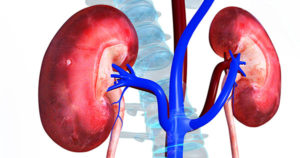
- Diseased kidneys. With renal failure, there is a disorder of the digestive system.
- The reason is the consumed food for a long time. If spoiled, expired products often come across in food, this leads to a violation of the microflora intestines, normal metabolism, the normal functioning of the digestive path. Infected pathogens enter the body with poor-quality food, poisoning occurs. Dirty drinking water negatively affects the digestive tract. After eating, there is discomfort in the stomach, nausea is felt.
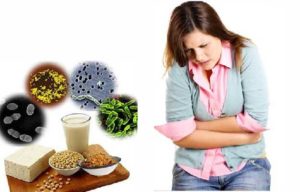
- Individual intolerance to substances (gluten, lactose, milk sugar) that are part of the products, constantly taken medications. In this case, loose stools are accompanied by nausea, increased gas production, stomach cramps. There is diarrhea without pain.
- Ulcerative colitis is an inflammatory disease of the mucous membrane of the large intestine. In this case, the patient notes acute pain in the left side of the abdominal cavity, weight loss, prolonged loose stools. Blood clots and mucus appear in the feces. The body temperature rises periodically.
- Crohn's disease. Symptoms are similar to those of ulcerative colitis. It differs in that all parts of the gastrointestinal tract and the oral cavity are affected. Localization of pain is noted in the lower right abdomen. Pathogens, infections, severe stressful situations, heredity can provoke Crohn's disease.
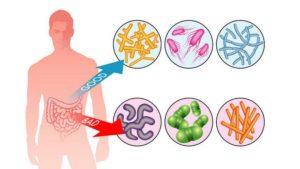
- Dysbacteriosis. An imbalance of the intestinal microflora, in which there is a decrease in lactobacilli. Microorganisms are involved in digestion processes. Dysbacteriosis can occur with improper intake of medications (antibiotics). Medicines have a detrimental effect on both pathogenic bacteria and beneficial microorganisms. The result is prolonged indigestion, especially in childhood.
- Infection of the body. Signs are noted: nausea, vomiting, loose stools, fever. There is a deterioration in health, weakness, headaches, abdominal cramps. With the wrong approach to the choice of drugs or ineffective intake of pills, the symptoms cause the infection to flow into a chronic form. The indicator can persist for six months or several years with diseases of the stomach organs.
The list of reasons is incomplete. The main factors provoking loose stools are given.
When to see a doctor
If a symptom is observed, you should not ignore it, even if nothing hurts. It is recommended to immediately call an ambulance if:
- Unformed feces, odorless, is observed for a long time, every day (month);
- Severe weight loss has occurred;
- Feeling of constant nausea, bitter taste in the mouth;
- After treatment, the symptom does not go away;
- A fetid odor appeared;
- The man has severe shortness of breath, heart rate increases;
- The stool is very watery;
- Blood clots and mucus appeared in the feces. This means that complications of the disease have begun.

If stomach problems persist for a long time, see your doctor. An adult must undergo a medical examination, undergo tests and undergo a course of treatment.
How to cure loose stools for an adult
It is required in the near future to find out the exact cause, determine the diagnosis and prescribe a comprehensive treatment, which includes:
- Taking medications (anti-inflammatory, probiotics, prebiotics, antibacterial, sorbents, etc.).
- The second advice is adherence to the dietary menu (foods that can have a laxative effect or overload a sick stomach are excluded).
It is recommended to give up bad habits (alcohol, smoking). Popular ways of dealing with the problem are selected.
The method of treatment directly depends on the cause of the upset stomach. The diagnosis may be different for each person with this symptom. How and what to treat is determined by the attending physician. Self-medication is prohibited! With the wrong treatment, there is a risk of harm to health.
Enterosorbents will help provide first aid in this situation. Substances of the drug absorb and help remove toxic compounds from the body. Harmful substances together with sorbents naturally leave the body. The drug is used if there is a case of food poisoning. Sorbents include: Polysorb, Activated carbon, Smecta, Enterosgel, etc.
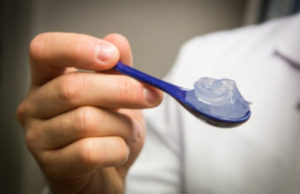
Medicine offers a selection of drugs that restore the stomach. Taking probiotics helps to normalize digestion (Bifidumbacterin, Linex, Bifiform).
It is important to take in more water to restore lost fluid. You can make water with added salt. Rehydration preparations are recommended to normalize the water-salt balance.
With the correct diagnosis and adherence to treatment, you can get rid of loose stools in a week.
Diet with loose stools
Proper nutrition will help your stomach to work quickly. Strict adherence to the doctor's recommendations regarding the diet will shorten the treatment period.
The diet includes:
- Eating low-fat foods;
- Lean broth;
- Rusks, crackers;
- Porridge on the water (oatmeal, rice porridge);
- Boiled potatoes;
- Steam-cooked vegetables;
- Bananas.
If you have loose stools, you should refrain from alcoholic beverages, coffee, dairy products, fatty and spicy foods, baked goods, water with gases, fruit juices.
Prophylaxis
Disease prevention is better than cure. Preventive measures:
- Always wash your hands before eating;
- Choose food carefully;
- Lead a healthy lifestyle;
- Undergo an annual preventive examination.
A single, rare loose stool is not dangerous, but if a person has it for no reason and is regular, the symptom requires prompt treatment.