What can you eat with an upset stomach: diet, sample menu and nutritional rules
Digestive disorders include disorders of the esophagus and intestines. Gastroenterologists name the following reasons - latent dangerous diseases (malignant tumors) and failure of the functions of the digestive tract, which are temporary. Symptoms of disorders are diarrhea, heartburn and vomiting. The listed signs occur with disorders of internal organs in a person that process food. Not giving due attention to the signs of a painful condition and not starting treatment on time, gastrointestinal disorders cause serious consequences and, in isolated cases, death.
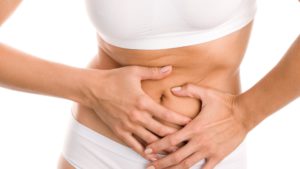
Primary reasons with upset stomach:
- Increased fatigue, stressful situations.
- Inadequate hygiene.
- Infection of the intestines with viruses and pathogens.
- Personal intolerance to certain types of products.
- Violation of the principles of healthy eating.
- Foods saturated with fat.
- Eating expired products.
- The effect on the body of alcoholic beverages and tobacco smoking.
Content
- 1 General prohibited foods
-
2 The correct diet for diarrhea
- 2.1 The specificity of the diet in a state of impaired digestion
- 2.2 For painful sensations in the abdomen
- 2.3 Tips for recovering from a bowel disorder
- 2.4 Diet for poisoning
- 2.5 Recommended diet for impaired digestion
- 2.6 Power by mode
- 2.7 Fluid intake
- 2.8 Heat treatment and temperature recommendations
- 2.9 Alcohol
- 3 What foods are allowed
- 4 What foods are not recommended to eat
General prohibited foods
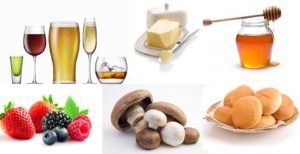
The diet, taking into account the identified digestive disorders, relieves and eliminates the symptoms of the disease. You need to eat those foods that will not cause a deterioration in the condition and will not lead to bloating. You can not eat certain types of fruits, meals containing a lot of sugar and too fatty. Refuse coffee in the acute stage of the disease. Prohibited:
- Alcoholic drinks.
- Food cooked in oil.
- Stewed vegetable dishes.
- Berries.
- Mushrooms.
- Meat broths boiled in first water.
- Pure honey.
- Soft bread and pastry products.
The correct diet for diarrhea
What food products can you eat: bread products; dried in an oven or toaster; diet types of meat - cooked or steamed; chicken or turkey fillet, after removing the skin; fish with 4-5% fat content; omelette; low-fat or fat-free cottage cheese; buckwheat; oatmeal porridge; boiled or steamed vegetables, broccoli, zucchini, carrots; baked apples; jelly; broth with rosehip and black tea.
What foods can not be consumed: baking; bran-containing bread products; noodles and pasta; semi-finished meat products; varieties of fish related to fatty - salmon, salmon; egg; dairy products; vegetable oil; salads made from fresh vegetables; barley porridge, millet; chocolate candies; jam; natural honey; citrus fruits; bananas; grape.
The specificity of the diet in a state of impaired digestion
The proper effect for diarrhea is achieved by strict observance of the following rules. Eat portions of 200 grams and at intervals of one and a half to two hours. Compliance with a diet when the digestive tract is upset becomes a necessary component in the treatment and relief of symptoms of the disease. Taking medication and following dietary recommendations is equally important.
Liquid stool washes out salt and essential trace elements from the body, so eating liquid-based foods returns the water-salt balance to normal. It is better to add one-fourth teaspoon of table salt to drinks and food, while the body replenishes the loss of salt and at the same time, salt helps to retain fluid in the body. After each loose stool, another 200 ml of additional liquid is drunk.
For painful sensations in the abdomen
If you experience bloating, stomach cramps, and abdominal pain, you should drink herbal teas or decoctions, such as brewed oak bark, mint tea, or chamomile tea. It is useful to drink the cooked rosehip broth in small portions at intervals of 2 hours. Rowan and pomegranate juice restores the digestive tract and helps in the fight against diarrhea in case of intestinal upset.
Tips for recovering from a bowel disorder
Dehydration of the body with diarrhea and vomiting leads to destabilization of the immune system. As a result, long-term recovery is important. Nutritional therapy and adherence to recommendations is the main assistant in restoring the correct functioning of digestion. For the improvement and rehabilitation of the intestinal tract, the following food is recommended:
- Steam cutlets made from chicken or ground beef.
- Cottage cheese and kefir.
- Low-fat soups, preferably cooked in a second broth.
- Porridge: rice and semolina.
- Drink tea, juices and herbal teas.
- From bakery products, slowly introduce gray bread or black bread with bran into the diet.
Diet for poisoning
When eating spoiled food or violating the rules of heat treatment, signs of intoxication appear. Frequent vomiting and stool disturbances appear. Diet helps the body to cope with the disease. And the task of restorative nutrition is to reduce the load on digestion.
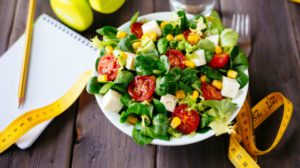
The task of the diet is to provide comfortable conditions for the work of digestion, taking into account the condition of the sick person. This effect can be achieved by gentle thermal, mechanical and temperature effects of the food consumed. Requirements for the thermal conditions of food processing for a dietary diet: boiling, steam processing, grated food, sometimes baked in the oven. During this period, in order to eliminate side negative effects on the intestines and the digestive tract as a result of prolonged disturbance of stool and vomiting, diet therapy should:
- replenish electrolyte balance;
- reduce dehydration and weaken inflammatory processes in the digestive organs, promote the regeneration of mucous membranes;
- compensate for the loss of minerals, proteins and vitamins in the body.
Recommended diet for impaired digestion
Sparing medical nutrition in the form of "Table number 1". Fat consumption is not allowed more than 100 grams per daily intake, of which a fifth is vegetable fats. Proteins up to 100 grams and 50% of them are of animal origin. The rate of intake of carbohydrates in the body along with food, according to the advice of doctors, is 200 grams. You need to eat without exceeding the daily calorie intake (2000 kcal). The maintenance time of the therapeutic diet is individual, but often takes seven to eight days. The resumption of the usual diet is carried out progressively and systematically.
Power by mode
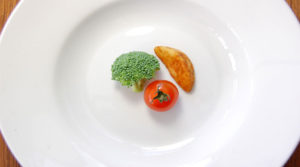
Food consumed during the day is divided into small fractions (parts). Eat every two hours. The capacity of dishes in the first days is 160 grams or a maximum of 200 grams, later you can use more. But it is important to know that you should gradually increase the volume of dishes. These principles of a gentle diet will reduce the stress on the digestive system, and food can be digested quickly if you have an upset stomach.
Fluid intake
You need to drink half or two liters of water or, if desired, replace with other liquids. In case of poisoning, it is extremely important to adhere to a drinking routine. The liquid will cope with the elimination of harmful toxic substances from the body and help stop dehydration (dehydration). In the period of the first 15-18 hours after food and toxic intoxication, it is reasonable not to eat, but to use only water. It is recommended to drink no more than half a glass every half hour, as this causes an anabolic attack (vomiting). Pre-boiled water, or even better still mineral water, will cope with dehydration and help the body finally recover from digestive disorders. And it will be useful to take drugs that prevent rehydration, which also have a detoxifying effect (Rehydron, Hydrovit, etc.).
Heat treatment and temperature recommendations
Prepare food correctly using the following methods (boiled, steam, grated and mashed dishes). It is recommended to grind meat in a meat grinder twice. Ready-to-eat meals are served at a temperature that does not cause discomfort to the mucous membranes. Hot or cool food will not work. Food with temperatures of 40-50 degrees is considered comfortable. If these conditions are not observed, muscle contraction, reflex stomach cramps and possible vomiting will occur. Hot food has a negative effect on the mucous membrane, increasing the recovery time. Cooking is beneficial with a minimal addition of table salt (up to 10 grams).
Alcohol
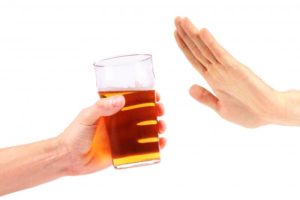
In case of disorders of the digestive tract, it is forbidden to drink alcoholic beverages, since an excessive load on the digestive organs will cause a deterioration in the condition. Kidneys and liver, affected by intoxication during poisoning, will function much worse. In the first days of the disease, it is recommended to give up even small doses of alcoholic beverages.
What foods are allowed
To eat right, you need to know what foods are allowed to be consumed. Food, which contains the right proportion of animal proteins, will restore mucous membranes faster. The beneficial substances that make up berry and fruit compotes and jelly are involved in creating a glycogen reserve in the liver and will help neutralize toxins. Vitamins A and E are natural antioxidants that can fight free radicals that occur during digestive upset and inflammation. Vitamins should be included in the diet daily.
It is allowed to eat:
- meat broths boiled in second water (beef, turkey, skinless chicken);
- semolina, oat and rice soups (proper consistency level);
- veal, rabbit meat, ground chicken fillet (steamed soufflé, steamed cutlets, meatballs);
- grated and boiled cereals in the form of cereals (buckwheat, rice groats, oatmeal);
- fish: cod, pollock, blue whiting, tuna, halibut;
- low fat milk;
- oven-dried bread, biscuit biscuits;
- fruit jellies and mousse;
- soft cottage cheese (you can wipe it).
Allowed drinks:
- lemon water;
- juice with the addition of boiled water (50% juice);
- a decoction prepared on the basis of oak bark;
- rosehip drink.
What foods are not recommended to eat
Eliminate foods high in salt. Food should not cause bloating in the intestines. A therapeutic diet involves reducing the consumption of fatty foods.
- bakery products (buns, cakes, white breads);
- the first meat broths;
- canned foods;
- semi-finished meat products (sausages, ham, salami);
- smoked meat;
- hot spices and sauces;
- carbonated water, a drink made from coffee beans, brewed tea;
- pickled and fresh mushrooms;
- fresh vegetables;
- fruits (apples, oranges, grapes);
- hard and soft types of cheese.
The benefits of dietary nutrition during digestive upset cannot be overstated. The proper level of organization of the diet will strengthen the patient's condition and normalize the functioning of the gastrointestinal tract. If the diet is not adhered to, consequences are possible in the form of complications and a sharp deterioration in the patient's condition.