Rumbling in the stomach and loose stools: causes and treatment in adults and children
Diarrhea has occurred in every person's life. But not everyone knows the reasons for the appearance, what to do in a similar situation and how to prevent similar cases in the future.
Content
- 1 Why does the stomach growl and diarrhea occurs in adults?
-
2 Why does a child have diarrhea and stomach grumbles?
- 2.1 Treatment of diarrhea in children
- 3 Rumbling and diarrhea in pregnant women
- 4 Associated symptoms
- 5 What the color of loose stools can tell
- 6 When to seek medical attention
- 7 How is the disease provoking diarrhea detected?
- 8 What to do if an adult has diarrhea and seethes in the stomach
- 9 Nutrition for diarrhea
- 10 Prophylaxis
Why does the stomach growl and diarrhea occurs in adults?
Diarrhea is not an independent disease, but a consequence of dysfunction of the gastrointestinal tract. There are many reasons for the occurrence of dysfunction:
- Viral and bacterial infections. The culprits of the unpleasant symptom are salmonella, adenovirus, dysentery amoeba, staphylococcus aureus, cholera vibrio.
- Lack of digestive enzymes. This is a consequence of a violation of the production of enzymes in the pancreas, liver and stomach in the required quantities.
- Bowel diseases. Irritable bowel syndrome interferes with absorption due to excessive activity of the intestinal muscles. If at this moment you put your ear to your stomach, you can hear the rumbling emitted by the muscles, like processed food gurgles. The causes of the disease are: stress, malnutrition, dysbiosis.
- Tumors. Diarrhea is one of the signs of benign or malignant tumors in the intestines. Changing the structure entails disruption of normal work. The larger the neoplasm, the stronger the violation.
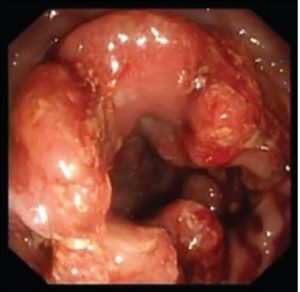
Intestinal tumor
- Poisoning by chemicals. In this case, the body reflexively tries to get rid of the foreign matter using available methods. In severe poisoning, diarrhea may be accompanied by vomiting.
- Side effect of medications. After using certain medications, loose stools and belly growl. The most famous are antibiotics and laxatives.
- Changes in microflora after a course of antibiotic treatment. The gastrointestinal tract is home to many beneficial bacteria that help digest food.
Antimicrobial drugs are not selective, destroying any microorganisms. The consequence of use is dysbiosis, which disrupts the digestion process.
Why does a child have diarrhea and stomach grumbles?
The body of a child, especially under 1 year old, is very different from that of an adult. The immune and digestive systems are well-formed or malfunctioning. Therefore, children are often susceptible to this symptom.
In children under one year old, diarrhea and loose stools should be distinguished. For an infant, loose stools are a consequence of feeding with milk or milk substitute. Diarrhea is an abnormal phenomenon and requires elimination.
The main reasons for the appearance of rumbling in the abdomen and diarrhea in a child include:
- Violation of the diet by a nursing mother (for children under one year old);
- Eating dirty fruits, berries, sweets;
- Inability to digest certain foods
- Food allergy;
- Poisoning with household chemicals;
- Failure to comply with personal hygiene;
- Infection with helminths.
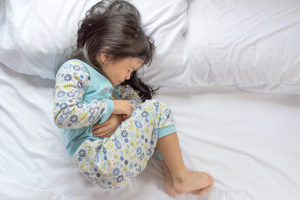
Treatment of diarrhea in children
You should not treat a child on your own, but first aid is recommended. It is allowed to take sorbents and make up for the loss of fluid with special solutions.
In addition to taking medications, you need to make the diet soft for the gastrointestinal tract. Heavy foods (fried, fatty, smoked), carbonated drinks, apples, beans, cabbage, tomatoes, baked goods are excluded from the diet.
Foods allowed for diarrhea:
- Rice and oatmeal porridge without milk added;
- Kefir, yogurt;
- Mashed potatoes in water;
- Lean meat (chicken or turkey fillet);
- Crackers.
Children's diseases develop rapidly, so you need to closely monitor the patient's condition and, if the condition worsens, immediately contact a medical facility.
Rumbling and diarrhea in pregnant women
For ladies in "position", digestive disorders are normal. This is due to several processes that occur exclusively during pregnancy:
- Toxicosis. With this disease, the patient experiences a sharp change in her eating habits. Often there is a craving for hard-to-digest and unhealthy foods. This leads to disruption of the digestive tract. A strict diet is the only solution.

- Side effect of multivitamin complexes. It is treated by selecting a drug that excludes such a reaction.
- Hormonal changes. In the third trimester, the onset of diarrhea signals the onset of labor.
- Infections. During pregnancy, immunity is greatly reduced, it becomes easier to get sick. The treatment of infectious diarrhea is complicated by the fact that many drugs are prohibited for use. To start treatment, you should contact your local therapist.
- Uterus enlarged by the fetus. Changing the size of the uterus leads to compression of the bile ducts and intestines, which impairs the process of digestion and absorption of food.
Associated symptoms
Diarrhea in many cases is complemented by a number of unpleasant symptoms:
- The temperature rises to 38.5. This is a serious symptom that signals the onset of an inflammatory process in the body.
- Nausea and vomiting. Nausea and dizziness are manifested with mild poisoning. In severe poisoning, vomiting is profuse and can lead to dehydration.
- Belching. The manifestation of a symptom indicates a violation of the diet or the work of the organs of the digestive system. Belching after eating is caused by swallowing excess air along with the food lump.
- Abdominal pain. Pain in the left side is a signal of difficulty with the stomach or pancreas. If it hurts near the navel and below, the intestines are out of order. Pain on the right side - problems with the liver, gallbladder, or appendicitis.
- Flatulence, or, in other words, bloating. The cause of the symptom is the gases released by bacteria during the digestion of food. It occurs for similar reasons for diarrhea.
What the color of loose stools can tell
Yellow color indicates excessive work of intestinal motility. His muscles are working harder than usual. Therefore, seething and mild abdominal pain may occur.
Feces acquire a green color if diarrhea is caused by an infectious disease. This color is acquired due to pathogens and leukocytes. Mucus is often present and smells like rot.
White feces confirm the fact of unsatisfactory work of the bile ducts due to gallstone disease.
Black color indicates internal bleeding. The blood, passing through the digestive tract, acquires a similar color. The use of certain foods (blueberries, beets) and drugs (activated carbon) has a similar effect.
The presence of red streaks in the stool may indicate damage to the intestinal walls, the decay of a tumor, or the appearance of holes in the digestive tract due to an ulcer.
Mucus in diarrhea indicates an intoxication of the body. By its color, it is possible to determine the degree of poisoning. If the mucus is clear, it is insignificant. Brown, green or foam suggests otherwise.
Excess water in the stool is a symptom of cholera. Its pathogen, penetrating the intestines, makes it secrete more digestive secretions. This can lead to dehydration and death.
When to seek medical attention
Medical intervention is necessary if loose stools does not go away within 2-3 days, and the body temperature is constantly kept at around 39. If blood streaks appear in the feces or it contains mucus, this is a reason for immediate medical attention. These symptoms can simultaneously signal peritonitis or internal bleeding.
How is the disease provoking diarrhea detected?
A gastroenterologist prescribes a laboratory examination, the list of which includes:
- Analysis of urine, blood, feces;
- Ultrasound examination of the abdominal cavity;
- Examination of the esophagus, stomach, rectum and colon.
Based on the events preceding the disease (medical history) and the results of examinations, a diagnosis is made and treatment is prescribed: outpatient or inpatient. It depends on the patient's condition at the time of examination.
What to do if an adult has diarrhea and seethes in the stomach
Sometimes it is not necessary to go to the hospital to correct the dysfunction, as it often appears due to a violation of the diet. After diarrhea, it is permissible to independently take activated charcoal in a dosage of 1 tablet per 10 kilograms of weight. It is pointless to take other medicines after coal - it neutralizes the active substances. It is allowed to cleanse the intestines of irritants with an enema.
To replenish the lost fluid, it is recommended to take Rehydron's solution. You can buy it at a pharmacy or prepare it yourself: dilute 1 teaspoon of table salt and 4 teaspoons of sugar in 1 liter of boiled water. The resulting solution should be taken every 5-10 minutes, a teaspoon for children and a dining room for an adult.
If the measures taken on the 2nd day of the malaise do not have an effect, you must call the local doctor at home or go to the emergency room of the infectious diseases hospital.
The treatment prescribed by a specialist involves the use of antibiotics and drugs that stimulate the growth of the patient's own beneficial bacteria. In addition to medications, a special diet is required, the observance of which accelerates recovery.
Nutrition for diarrhea
The presence of gastrointestinal dysfunction compels one to refuse:
- Alcoholic drinks and coffee;
- Fatty and fried foods;
- Any product containing yeast.
It is recommended to include oatmeal or rice porridge, fruits, boiled vegetables in the diet for the duration of treatment. Fermented milk products are good helpers in the restoration of microflora: kefir, yogurt, fermented baked milk. Water should not be neglected - it is vital for the body.
Prophylaxis
To avoid the appearance of such an unpleasant symptom as diarrhea, you need to follow easy-to-follow tips. The habit of keeping your hands clean and washing them after a walk, going to the toilet, contact with an animal is a guarantee of good health!
Wash fruits and vegetables thoroughly. It is allowed to use regular toilet soap. And when cooked, they boil well.
Meat, milk, eggs - the listed products must be heat treated before use.
Sour ready meals should not be eaten. Dispose of expired products. Do not rely on "maybe" and risk your health.
Diarrhea is an unpleasant, painful, unexpected phenomenon. Its appearance signals a serious malfunction in the body or nutrition. Improper treatment or absence can cost a person their lives.