
Dysbacteriosis in children: symptoms, causes and treatment
In children under one year of age, intestinal dysbiosis often develops. The microflora of the baby is formed thanks to the mother. Orphans who are bottle-fed are at risk. The process ends at 2 years old, when the composition of the biocenosis strongly resembles the biota of adults. Therefore, the treatment of a 6-year-old child is similar to that of an adult. The only difference is that a small patient often cannot clearly describe the existing symptoms.

For these reasons, it is logical to divide the reported cases into two global categories: under 1 year old and after one year of age. There is an additional nuance mentioned in the review on infants. Differences in microflora are observed depending on the feeding method (artificial or natural). A one-year-old child who was fed with milk formulas has a conditionally pathogenic flora that is not observed in breastfed babies. The reason is the content of harmful strains in external food (except for human milk).
Content
-
1 Symptoms
- 1.1 Dyspepsia
- 1.2 Anorectal Syndrome
- 1.3 Intestinal absorption disorders
- 2 Bacteriological background
- 3 Causes
- 4 Treatment
-
5 Drugs
- 5.1 Bifidumbacterin
- 5.2 Lactobacterin
- 5.3 Bificol
- 5.4 Hilak-forte
- 5.5 Lactulose
- 5.6 Nifuroxazide
Symptoms
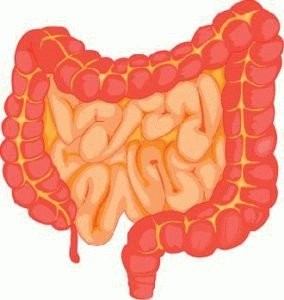
Conduct a simple experiment, try to gently push the belly along the colon (the form of the Greek Omega). The presence of pain is already recognized as a symptom of dysbiosis. Doctors say that 90% of the population suffers from the disease. Only every tenth family member gets a chance to be healthy.
Intestinal dysbiosis is accompanied by a decrease in the protective functions of microflora when a pathogenic strain is added. Because of what happened, the obligate part of the microflora ceases to perform the following functions:
- Production of vitamins.
- They act as a catalyst for the absorption of calcium, iron, vitamin D.
- Participants in water-salt metabolism.
- Absorption of toxins.
- The production of immunoglobulins.
- Deactivation of food enzymes.
- Complete the breakdown of proteins, carbohydrates, RNA, DNA, fats.

The obligate microflora ceases to perform these actions. The most notable feature is function number 3. Impaired electrolyte metabolism causes diarrhea. Against the background of diarrhea, a lack of vitamins appears, causing a bunch of new symptoms. Signs easily visible:
- Anemia (especially fingers, lips).
- Peeling skin on the face.
- Bad mood, with swings.
- Fatigue, weakness due to lack of calcium.
Violation of the mechanism for the production of immunoglobulins undermines the body's defenses. No wonder it was noted that the intake of bifidobacteria accelerates recovery from colds. Finally, the body begins to become infected with toxins. In addition to the deterioration of absorption in the colon, peristalsis is poorly expressed. Feces stagnate, poisoning the body. Malakhov cites amazing figures: some stones from excrement rot for years, and the time spent in the large intestine is measured in decades.
It is easy to imagine how many problems appear against the background of such unfavorable conditions. Today it is believed that dysbiosis provokes cancer. The listed symptoms are far from the only ones. Let us describe additionally three isolated states, which, due to their peculiarities, have received their own names.
Dyspepsia
In the literature, dyspepsia is described as a complex of unpleasant symptoms from the gastrointestinal tract. Obvious signs:
- Heartburn.
- Nausea, vomiting.
- Belching.
- Bad taste in the mouth.
- Constipation or diarrhea.
- Flatulence.
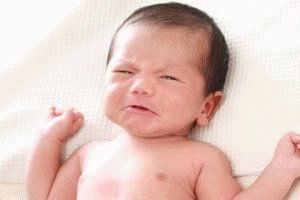
Feces of unusual consistency, liquid, like sheep droppings. It often has an unpleasant or sour odor. The color is different, there may be impurities of blood, mucus. The appearance of feces depends on the causative agent of the disease. In the case of associated dysbacteriosis, the stool is frequent (up to 12 times a day), watery, often accompanied by vomiting.
When infected with Proteus, the stool is relatively sparse (up to 8 times), foams, the color is shifted to green. Unpleasant odor is present. The growth of staphylococcus aureus causes blood impurities. The stool is foaming and mucus is present. The difference in symptoms caused by Pseudomonas aeruginosa is in the presence of a similar shade of pus (bluish).
Anorectal Syndrome
Antibiotics are more often provoked. It is characterized by burning and itching around the anus, in the rectum, the release of blood and mucus, false urge to defecate, dull pain. Signs resemble hemorrhoids. The temperature often rises.
Intestinal absorption disorders
Typical signs of vitamin deficiency (B, PP, K, D) and calcium deficiency develop. Lips, fingers, toes grow numb. Lack of nicotinic acid causes depression, apathy, mood swings, increased saliva flow, and the tongue is red and inflamed. The presence of fatty masses in the stool. Calcium deficiency caused by low phylloquinone intake leads to general weakness.
A lack of thiamine interferes with sleep, causing neuritis. Riboflavin deficiency worsens the skin condition, stomatitis develops. Along with malabsorption, vitamin deficiency can develop independently, since bifidobacteria are involved in the production of PP, K and group B. Symptoms, at first glance, are similar, but the reasons that gave rise to them are different.
Bacteriological background
The causes of the disease lie in the composition of the intestinal microflora. First of all, the pathology is caused by a number of external and internal factors. Dysbacteriosis of children is usually divided into 3 degrees of severity:
- A slight decrease or constancy of the anaerobic flora, a change in the population of Escherichia. Conditionally pathogenic strains in the amount of 2 species show a maximum population density in the region of 1 mln. units. This form is called light, corresponds to the first degree.
- The number of anaerobes can be drastically reduced, compared with the total number of aerobic bacteria. Atypical forms of Escherichia coli appear, the quantitative growth of the number of opportunistic strains continues. The form is called moderate, doctors consider it clinical (you need to consult a doctor).
- In severe cases, the population of lactobacilli and bifidobacteria suffers damage, disappearing completely. Among Escherichia coli, atypical forms predominate, the density of conditionally pathogenic flora is increased to 10 million. units.
Before the manifestation of symptoms of dysbiosis in children in a pronounced form, the attending physician is able to see the bacteriological picture according to the test results, voicing part of the recommendations. The first step is to find out to which antibiotics the pathogenic flora is sensitive, identifying an effective method of control. If there are two or more pathogens (associated form), one antibiotic may not cope. Then the treatment regimen is complicated.
A broad spectrum antibiotic is not suitable for treatment. It will kill the already weakened beneficial flora along with the causative agent of the disease. It is easier to cure dysbiosis in a child with the help of a point, directed action. This method is recognized as gentle. Especially if the trouble happened to a child at the age of one.
Doctors testify that the signs of dysbiosis in children do not correspond to the severity and depend on individual characteristics. Therefore, you should not focus on external signs. Symptoms and treatment, which often do not coincide, cannot be linked.
Causes
The reasons are divided by nature into endogenous (internal) and exogenous (external). The group of external criteria includes:
- Ecology.
- Climate.
- Product quality in shops and gardens.
- Hygiene.
External reasons are as follows:
- Pathology of the child's gastrointestinal tract, including viral and bacterial nature (dysentery, cholera).
- Reasons for taking medications. Mostly bactericidal, hormones and antibiotics. Salicylic acid-based preparations favor the reproduction of atypical E. coli species.
- Hereditary pathologies that impair intestinal absorption.
- Wrong daily routine, stress, imbalance in the diet of proteins, fats and carbohydrates.
- Weakened immunity.
Everyone can name well-known bad habits. It is extremely rare to find children's dysbiosis caused by alcoholism, otherwise the causes of the disease are similar to the adult population. Try to use less food containing preservatives - homemade pickles do not count.
Treatment
Treatment of dysbiosis in children is complex.
- First of all, the patient's menu is checked. The diet is adjusted towards the content of useful components for the cultivation of normal microflora.
- Bacteriophages or antibiotics are prescribed to suppress the causative agent of the disease. The reason is a representative of the conditionally pathogenic flora, which has grown too much. What to treat (name of the drug), the doctor decides according to the results of the analysis for the sensitivity of the strain.
- Dysbiosis treatment intestines in children is impossible without the use of prebiotics (nutrient medium for bacteria) and probiotics (strains of living beneficial microflora). It is allowed to use general recommendations or be guided by the analysis (of the composition of microflora). Usually, the emphasis is on the cultivation of bifidobacteria and lactobacilli, Escherichia coli (Escherichia) grows without assistance.
- Detoxification is required periodically. Feces poison the body, it will be useful to take sorbents, offer the child activated charcoal.
- Taking immunoglobulins increases immunity. This is an indispensable step, the body "knows" which bacteria are superfluous, but cannot fight it. Help Wanted.
- Enzymes help break down undigested substances (proteins, fats, carbohydrates).
- Vitamins are used against the background of a shortage. Emphasis is placed on groups A and B, vitamins PP.
Drugs
Consideration of 6 drugs is enough to create an idea of the drug prescription.
Bifidumbacterin
In powder form, it is used to restore the population of bifidobacteria. Sold in ampoules, vials, assigned in a similar way:
- 1 year and younger - 2 doses daily during the work week (5 days).
- Up to 3 years - it is allowed to give three times already.
- At an older age, the duration of treatment is doubled if necessary.
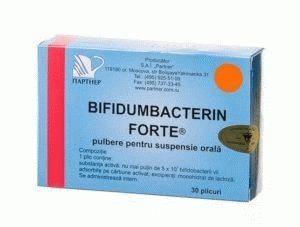
Bifidobacteria are part of the obligate flora, the functions of which are described in detail above. The mentioned type of bacteria forms the necessary level of pH-factor, which prevents the multiplication of pathogenic strains, ensuring an acceptable level of health. Participate in the formation of vitamins, eliminating the characteristic symptoms of deficiency.
The challenge is to deliver the strain to the intestines. The lion's share of bacteria is destroyed in the stomach by digestive juices. Too high acidity of the environment kills most of the microorganisms. The survivors will get the opportunity to reproduce.
Lactobacterin
The same can be said about the drug as about the previous one. Except for information about an attempt to restore the population of lactobacilli. Sold in ampoules, vials. To treat dysbiosis in a child, dilute with water, drink half an hour before meals. Reception scheme:
- Children under 1 year old - twice a day, for three days.
- At an older age, the treatment course is increased to 5 days.
Bificol
It is a mixture of E. coli and bifidocultures. The name comes from the Latin names Escherichia Coli and Bifidobacterium. The purpose is quite understandable. Ampoules restore populations of bifidobacteria and Escherichia coli.
Hilak-forte
One of the purposes of a prebiotic is the prevention of dysbiosis. Consists of many metabolites of normal flora (lactobacillus, streptococcus, E. coli), reaching the intestines without changes. It is intended to create an environment favorable for the reproduction of normal microflora, suppressing the growth of pathogenic and putrefactive strains. Suitable for infants.
Lactulose
In nature, this disaccharide (fructose + galactose) does not occur, it is not digested by the gastrointestinal tract. But bacteria are happy to use the substance in food. In medicine, it is used as a laxative, improves intestinal motility (antispasmodic).
Nifuroxazide
A local antiseptic that inhibits the vital activity of gram-negative and gram-positive microbes. The doctor chooses an antibiotic depending on the manifestations of dysbiosis in children. It is quite possible to prescribe nifuroxazide if pathogens enter the drug's spectrum of action.
We emphasize that the choice of an antiseptic is made according to the results of analyzes. It is not uncommon for mothers to give children Nifuroxazide as a panacea, wondering that the child's dysbiosis does not go away, the symptoms intensify. Remember, the main goal of comprehensive treatment is to correct the imbalance. Ill-considered medication exacerbates the situation.
The analysis reveals a pathogenic strain, laboratory technicians determine the degree of sensitivity of the population to many known antibiotics, which allows the doctor to prescribe treatment.


