Intestinal dysbiosis: symptoms and treatment of dysbiosis in adults
What is dysbiosis? This problem has been gaining popularity lately. It should be noted that many people associate dysbiosis with young children, but in fact this is not the case.
Dysbiosis can also occur in adults. And in this case, you need to understand how to recognize the problem in time and cure it.

Content:
- 1 Dysbacteriosis - a description of the problem
- 2 Classification of dysbiosis in adults
- 3 Signs
- 4 Identification of the disease
-
5 Treatment
- 5.1 Prebiotics
- 5.2 Probiotics
- 5.3 Antibiotics
- 5.4 Proper nutrition
- 6 Treatment of dysbiosis in adults - traditional medicine
- 7 Useful video
Dysbacteriosis - a description of the problem
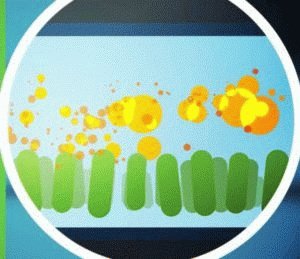
Intestinal dysbiosis is understood as nothing more than a disorder in the functioning of the intestine. Throughout the body, both inside and outside, there is an uncountable set of different bacteria.
When all microorganisms exist in harmony and balance is maintained, then nothing happens in the body.
This is considered the norm. But, only if some die, then the population of others increases sharply, the balance is disturbed, which means that a pathogenic process develops in the form of dysbiosis.
Treatment of intestinal dysbiosis in adults should begin in a timely manner, without waiting for the appearance of other problems. Dysbacteriosis of the intestine can manifest itself independently or in conjunction with another disease.
In fact, dysbiosis is not such a terrible disease. It's just that an atmosphere was created in the intestines, when beneficial bacteria greatly reduced their number.
Sometimes it is enough to change your diet and create an environment inside the body for the recovery and reproduction of microorganisms.
It is much more difficult if the dysbiosis appeared as a result of another serious illness. Thus, not only dysbiosis is subject to treatment, but also its main cause.
Beneficial microorganisms play a very important role in the body. They perform the following tasks:
- Remove toxins.
- Participate in the digestion of food.
- Vitamins are synthesized.
- They break down substances that are unnecessary inside the body.
- Carcinogenic substances are eliminated.
The most important microorganisms in the intestine are anaerobic bifidobacteria, aerobic lactobacilli.
There are 3 types of bacteria involved in the digestion of food:
- Neutral. They got this name due to the fact that their task is to exist neutral. These bacteria are not harmful, but they are not beneficial either.
- Useful. These are lactobacilli and bifidobacteria. They are considered the most important and responsible bacteria. It is they who exercise control over the maintenance of the balance between all microorganisms. Important functions: neutralize allergens, enhance immunity, prevent the influence of other harmful components.
- Harmful. Their activation can occur only if the useful ones have greatly decreased in quantity. Harmful bacteria include candida fungus, streptococcus, staphylococcus. Their effect on the body is negative, as a result of which various problems appear in the organisms and disruptions in the functioning of the gastrointestinal tract.
Thus, now a person should not have a question: dysbiosis - what is it?
Treatment in adults of dysbiosis should take place after an accurate diagnosis, analysis and identification of the cause.
There are many factors contributing to the appearance of dysbiosis. But, if the cause itself is not eliminated, then the dysbiosis will return again.
Causes:
- Improper nutrition. A person's diet should not contain excessive amounts of proteins, fats, carbohydrates, and calories. If a large amount of carbohydrates has entered the stomach, then fermentation begins. If the excess is in proteins, then the process of decay begins in the body. You also need to give preference to healthy and natural products.
- Long intake of antibiotics. During the use of drugs of this group, the patient must also take medications that will monitor and align the balance of the normal intestinal flora. During serious drug therapy, not only pathogenic bacteria are destroyed, but also those that peacefully coexist inside. That is why the balance of bacteria must always be replenished.
- Chronic pathology of the digestive tract. Normally, food enters the intestines already processed. This is the most suitable habitat for bacteria. Only with the existing violations, the food does not go through the very processing. As a result, toxins accumulate and negatively affect the intestinal biocenosis.
- Intestinal infection.
- Serious pathological diseases of the systems.
In some patients, only one reason is noted, while in others there is a whole list. Dysbiosis develops in everyone in different ways.
It all depends on the individual characteristics of the organism. In someone, any, even the most insignificant, changes in the body can provoke the appearance of dysbiosis.
Classification of dysbiosis in adults
The disease is divided into several types. According to the severity, dysbiosis is divided into 3 types: mild, moderate, severe.
If we proceed from the factor of the appearance of the disease, then there are:
- Professional. Such dysbiosis appears in people working in harmful work.
- A disease that occurs in a healthy person.
- Age. The balance of normal intestinal flora is disturbed as a result of aging of the body.
- Seasonal. Pathogenic bacteria predominate over healthy bacteria at a certain time of the year.
- Nutritive. Occurs due to improper nutrition.
Depending on the time of the course, dysbiosis is divided into:
- Spicy. The disease lasts no more than 1 month.
- Protracted. Treatment can take up to 4 months. In this case, symptoms are not required. Signs can disappear or appear again.
- Chronic. Dysbacteriosis lasts more than 4 months.
Signs
Symptoms of dysbiosis directly depend on the severity of bowel pathologies. The main symptoms of intestinal dysbiosis:
- Nausea.
- Headache.
- Feeling of fullness in the intestines.
- Bloating.
- Change in color and consistency of feces.
Sometimes there is a temperature. This is not a necessary symptom, but it occurs quite often.
First of all, the digestive system suffers. When ingested, food is broken down by bacteria and then absorbed into the bloodstream.
If bacteria do not do this, then the body perceives food as something foreign. Food rejection manifests itself in the form of nausea, vomiting, and diarrhea.
Bacteria do not die right away; it happens in several stages. For this reason, the symptoms are not so obvious, especially at the initial stage. Stages of bacterial imbalance:
- Only a small excess of pathogenic microflora. At this stage, all signs are absent. Intestinal disorders may appear only occasionally.
- An active increase in the number of harmful microflora and, as a result, a decrease in useful. Common signs include flatulence, diarrhea, or constipation. The latter can alternate.
- Excessive prevalence of harmful bacteria over beneficial ones. At this stage, an inflammatory process begins, which affects the walls of the mucous membrane in the intestine.
- Complete colonization of the intestinal microflora with pathogenic microorganisms and the formation of complications.
Classification of the disease by the form of the course:
- Compensated dysbiosis. The reproduction of harmful bacteria occurs in a latent form without symptoms.
- Subcompensated. Inflammatory foci cause certain symptoms, depending on the site of localization.
- Decompensated. Pathological problems arise that affect the large and small intestines.
This division is only conditional. In fact, the stage and division are carried out, judging by the actual manifestations and individual indicators.
Identification of the disease
Only after a high-quality diagnostic measure and receiving tests can you begin a comprehensive treatment.
All appointments must be handled by a doctor. Self-medication in this case can be not only ineffective, but also bring additional unpleasant consequences.
For any symptoms of digestive or intestinal upset, it is advisable to seek the help of a specialist. This will help detect pathology in time.
Initially, diagnostic measures include: examination, recording of complaints, palpation of the abdomen, and fecal analyzes.
Dysbacteriosis of the intestine is confirmed by a study of feces. For this, 1 gram of feces is placed in a special solution.
Sowing on a nutrient medium shows the presence of bacteria. If the number of bifidobacteria decreased, but at the same time the growth of staphylococci or fungi was detected, this is a clear indicator of the development of dysbiosis.
In some cases, an additional examination may be required to confirm the diagnosis:
- Blood analysis. The study will help determine if there is bleeding in the intestines and inflammation. In severe cases of dysbiosis, hemoglobin decreases and anemia occurs.
- Colonoscopy or sigmoidoscopy. A probe is inserted through the anus into the patient. Thus, the pathological processes occurring inside the intestine are viewed.
- Gastroscopy. Detects diseases of the stomach or duodenum. Since it is the problems in this area that can provoke an imbalance in the intestinal microflora.
- Irrigoscopy. Implies examination of the intestine through X-ray. Before the procedure, a special composition is introduced into the body. As a result, the doctor can observe any changes occurring in the colon.
Treatment
After the doctors made an accurate diagnosis and established a violation of the microflora, the question arises: how to treat intestinal dysbiosis in adults?
Dysbiosis is a very delicate problem that a specialist must deal with in order to avoid complications.
Depending on the individual course of the disease, several methods of therapy are distinguished:
- Taking medications. Medicines are prescribed:
- Probiotics. These preparations contain live beneficial bacteria.
- Prebiotics. They provoke the reproduction of beneficial microorganisms and prevent the reproduction of harmful ones.
- Synbiotics.
- Antibacterial drugs. Prescribe with caution.
- Bacteriophages. These are drugs that contain viruses. They are absorbed into the bacterial cell and destroy it.
- Antiseptics - nitrofurans, fluoroquinols.
- Plant antiseptics affecting staphylococci. This is an alcohol-based solution of Chlorophyllipt. Before use, it is additionally diluted with water.
- Taking vitamins - A, D, E.
- Immunomodulators - Echinacea tincture, Dibazol. Restores protective functions in the body and helps to increase immunity.
The initial stage involves easy treatment. The more difficult the stage, the more difficult the recovery process.
It is necessary to treat intestinal dysbiosis in adults correctly. When prescribing, doctors take into account important tasks:
- Restoring the balance between pathogenic and beneficial microorganisms.
- Reducing the population of harmful bacteria.
- Restoring the process of digestion and absorption of nutrients.
- Stimulating the reactivity of the body.
Prebiotics
Affects the composition in the colon. Prebiotics contain a set of non-digestible food that leads to the activation and reproduction of the right bacteria.
The drug of this group both promotes the growth of beneficial microflora and the destruction of pathogenic microorganisms.
Effective prebiotics:
- Normase.
- Good luck.
- Lactusan.
- Duphalac.
- Prelax.
- Exportal.
- Hilak forte.
To maintain the natural microflora, you can consume the natural prebiotics found in foods. This is:
- Onion.
- Cornflakes.
- Dairy.
- Bread.
- Peas.
- Asparagus.
- Beans.
- Garlic.
- Field chicory.
- Artichoke.
- Bananas.
Probiotics
These are microorganisms that contribute to the normalization of beneficial microflora. To deliver all the contents to the intestines, the contents are placed in a special acid-sensitive capsule.
Probiotics are an important part of effective treatment.
Probiotic classification:
- Multicomponent - Bifikol, Bifiform, Linex.
- Monocomponent - Colibacterin, Bifidumbacterin, Lactobacterin.
- Combined - Linex, Bifikol, Rioflora.
- Synbiotics - Laminolact, Maltodofilus, Bifidobac.
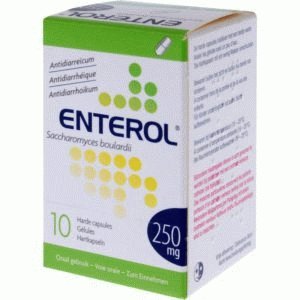
- Antagonists - Bactisubtil, Enterol, Bactisporin.
Antibiotics
Sometimes the use of prebiotics and probiotics is insufficient. Only after consulting a doctor is it possible to take antibiotics.
Usually they are prescribed when infectious inflammations develop in the gastrointestinal tract, the absorption of nutrients is impaired and digestive disorders have occurred.
Antibiotics of groups are used:
- Tetracycline.
- Fluoroquinolone.
- Penicillin.
- Cephalosporin.
With a lighter course of dysbiosis, the usual Furazolidone is dispensed with. It has a mild antimicrobial and bactericidal effect in the intestinal lumen.
Proper nutrition
It is very important for dysbiosis to adhere to some important nutritional recommendations.
At the same time, special attention is paid not only to food, but also to its quality, and it is also necessary to observe the regime. Meals should be frequent with small portions.
Nutrition rules for dysbiosis:
- Warm liquid food should be present in the diet every day.
- It is desirable to develop a regime. Eat food at the same time.
- Observe the thermal regime for all food.
- While eating, you need to thoroughly chew each piece of food.
- Eliminate fatty, spicy and fried foods.
- Drink as much water as possible throughout the day. In this case, during a meal, fluid will be superfluous, as this interferes with proper digestion.
Allowed Diet Foods:
- Soup from cereals and vegetables in broths. If it is a broth, then it should be low-fat.
- Use only yesterday's bread.
- Crackers.
- Meat. Steaming or stewing is recommended. Give preference to low-fat varieties.
- Low-fat varieties of fish. Boil, simmer or steam.
- Compotes, jelly.
- Vegetables cooked in any form other than roasting. From vegetables, legumes, mushrooms or cabbage are not recommended for consumption.
- Low fat dairy products.
- Sometimes it is allowed to use butter.
- Eliminate spices.
Treatment of dysbiosis in adults - traditional medicine
The elimination must be comprehensive. You can not stick only to recipes from traditional medicine. Also, everything should be agreed with the attending physician.
Traditional medicine has various information on this matter. Some agents have a fruitful effect on the intestinal microflora, promoting the growth of beneficial bacteria and the destruction of pathogenic ones.
Plants that help in the treatment of dysbiosis:
- Natural antiseptics: strawberries, raspberries, pomegranate and rosehip juice diluted with water.
- Astringent and anti-inflammatory foods: beets, blueberries and bird cherry.
- Plants that have anesthetic effect: St. John's wort decoction, mint extract, chamomile infusion.
Recipes that help in the fight against intestinal dysbiosis:
- Garlic. Preparation: knead 1 slice in a mortar and fill with a glass of fat-free kefir. You need 2 such glasses of kefir with garlic per day.
- Oak bark. Preparation: prepare a broth, take 1 tablespoon, pour a glass of boiling water and cook the mixture over low heat for 20 minutes. Allow the mixture to cool before use and then strain it. Drink ½ cup three times a day.
- Serum. If someone cooks cottage cheese at home, then it will definitely be available. It can also be freely purchased at any store. Drink 1 glass daily in the morning on an empty stomach for 1 month. Before use, the whey is slightly warmed up.
- Prepare a mixture of pumpkin seeds, sunflower seeds and walnut kernels. The seeds must be dried. Mix everything and grind with a coffee grinder. The contents are consumed in 2 tablespoons, washed down with warm water every day.
- Dill. Preparation: 4 tablespoons seeds, pour a glass of boiling water. Dill is infused for 2 hours, and then filtered. Drink dill water throughout the day at intervals of every 2 hours. Such an infusion helps well to relieve symptoms in the form of bloating and flatulence.
- Herbal decoction. With dysbiosis, 2 options are used based on eucalyptus and mint. Recipe number 1: 3 tbsp. dry eucalyptus pour 2 cups of boiling water. Drink ¼ glass 3 times a day. Recipe number 2: 3 tbsp. mint pour a glass of boiling water. Take ¾ glass 4 times a day. The course lasts 2 weeks.
- Propolis honey. Preparation: 1 tsp. dilute in a glass of warm water. Drink 2 times after meals. The course of treatment is one and a half months. Rosehip decoction can be used instead of water.
Traditional medicine does not involve complex recipes. Many products are found in everyone's home.
Thus, recipes from traditional medicine can be used not only for treatment, but also for the prevention of dysbiosis.
If a person takes a responsible attitude to his health and chooses his menu more carefully, then the likelihood of dysbiosis will be minimized. You also need to be more careful about antibiotics.
It is they who can provoke the problem. Therefore, together with drug therapy, doctors prescribe drugs from the group of probiotics or prebiotics.