
Treatment of intestinal dysbiosis in adults with folk remedies at home
Lamour stated that 90% of human diseases are caused by constipation. Fecal stones have become common, as evidenced by postmortem autopsies. Over the course of life, the large intestine becomes a waste dump. Mechnikov considered colon intoxication an obstacle to longevity. Human waste products introduced to experimental animals immediately caused pathologies of the cardiovascular system. The scientist believed that you need to consume less oily food and more vegetables and fruits. Perhaps, treatment should begin with a similar rule. intestinal dysbiosis in adults.
Do a simple test. Squeeze the juice from the beets and drink fresh. If the urine is colored appropriately, the intestinal walls are too thin, and through the thin walls, toxins poison the body. By the age of forty, most of the population has an abundance of feces rotting inside. Experts recommend doing enemas.
Content
- 1 Colon
- 2 Microflora
-
3 Honey
- 3.1 Useful material
- 3.2 Enemas
-
4 Herbs
- 4.1 chamomile
- 4.2 St. John's wort
- 4.3 Centaury
- 4.4 Moss
- 5 Full set
- 6 The diet
Colon
The lion's share of bacteria lives in the large intestine, the conversation about feces is justified. Scientists have calculated that the colon biocenosis weighs 1.5 kg. It is a voluminous conglomerate that consumes 10% of the energy of the food eaten and has a life of its own.
Compression of the large intestine, feces in contact with the walls, make it difficult to feed the tissues. There are cases where smelly stones have remained inside the intestines for decades. The result is quite representable. Reduced blood supply causes stagnation. Add to this the toxins that are constantly absorbed from the stool. A real trash heap - you can't say otherwise.
For the sounded reason, diseases develop. The defeat of the mucous membrane leads to colitis, compression of the colon leads to hemorrhoids, or varicose veins in the anus. There are cases of polyps and cancer. According to researchers, every third person has serious complications.
A well-fed person is more susceptible to this problem. Think - in a dry body, slags have nowhere to linger. Obese people have created their own buffer - fat. People swell due to toxins, the body's defense response to the effects of poison. Practice shows that slim people live longer - due to the rapid elimination of toxins.
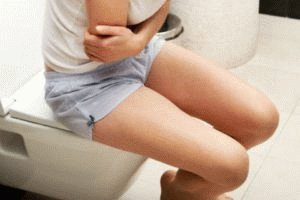
Absolutely any person, regardless of the type of build, experienced constipation in life, poisoning himself with his own feces.
Constipation is caused by the regulation of the central nervous system. Often a person forbids himself to go to the toilet. This happens in unfamiliar places, in the absence of comfort and peace. In public toilets, a person is afraid to attract attention, so he restrains himself. Constipation is common among travelers, students, and pregnant women.
Microflora
Representatives of microflora are the final link in the digestive chain. They ferment proteins, fight fiber. Bacteria form the protective functions of the body. During the process vitamins, enzymes, hormones, amino acids are produced. Without the activity of microflora, it is much more difficult for the body to provide nutrients. By its own existence, the flora suppresses pathogenic species, releasing the necessary metabolites into the environment.
Coli produces 9 vitamins:
- Group B.
- A nicotinic acid.
- Phylloquinone.
Microbes act like enzymes. They are able to produce some of the enzymes for the final breakdown of fats and proteins. At the same time, substances necessary for the body are synthesized. For example, acetylcholine. It has a stimulating effect on the vegetative system.
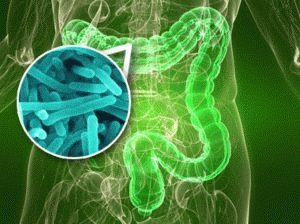
Intestinal microflora
Normal living conditions require suitable conditions. The pH factor is shifted to the acidic side, carbohydrate compounds serve as a nutrient medium. In most of the population, the intestine does not meet the specified requirements, determining the cause of the development of dysbiosis. Stress, alcohol, preservatives, antibiotics become the sources of difficulties.
Honey
Muhammad argued that there are three ways to heal:
- Take a sip of honey.
- Use a leech.
- Burn.
Useful material
The Prophet recommended bee honey for stomach ailments. There is a special surah of the Bee in the Qur'an. The drug contains a number of vitamins:
- Thiamin.
- Riboflavin.
- Pyridoxine.
- Ascorbic acid.
- Tocopherol.
- Folic acid.
- Phylloquinone.
- Provitamin A.
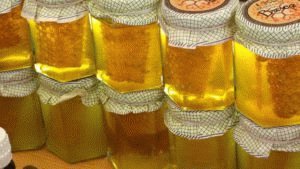
Let's look at the composition. These vitamins are produced by the normal intestinal flora. Bacteria are involved in the synthesis of B12. Therefore, home treatment should include the replacement of missing vitamins, therefore honey is extremely useful for dysbiosis.
Retinol is a separate line, recommended for taking in large quantities. Think of enemas that deliver a range of substances directly to their destination. Honey contains calcium, the absorption of which drops sharply with the development of dysbiosis in adults. In children, the absence of an element causes rickets or a similar condition.
Muhammad himself drank honey on an empty stomach, diluting it with warm water. A 30% solution of honey is similar in properties to blood plasma. Few know that John the Baptist ate a similar diet. Wild dates and honey were his food. The health of Christian saints is legendary. Few of his contemporaries can easily endure a forty-day fast.
When treating intestinal dysbiosis at home, do not brew honey. The product is taken raw. Imitate the Prophet for a positive effect. Application of honey water:
- Increases immunity, which decreases with the death of strains.
- Normalizes peristalsis. Sweet syrups are used to restore intestinal motility, relieve constipation.
- Fecal stones dissolve in the colon.
- The substances contained in honey provide weak antimicrobial properties. No wonder people with colds are fed honey.
Enemas
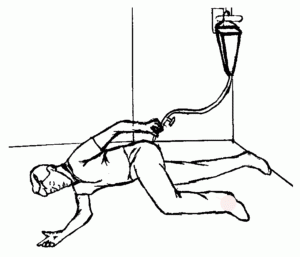
Enemas, which are a serious method of intervention, go on a separate line. The healer uses Esmarch's mug, a 100 g rubber bulb. 1 or 1.5 liters of solution is poured into a "heating pad" installed 1.5 meters above the patient. The tip is lubricated with petroleum jelly or thick oil.
You should lie on your left side, press your knees tightly to your chest. The tip is inserted about 5-7 cm deep into the rectum. If necessary, the knee-elbow position is taken. The contents pass slowly into the intestines after opening the locking device.
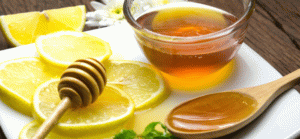
In addition to water with honey, it is not forbidden to add lemon juice here. For example, 1 tablespoon per glass of water. The time for taking the procedure is a quarter of an hour.
Herbs
Herbal treatment is called folk. From time immemorial, people have collected information, passed on knowledge by inheritance. Today, the treatment of dysbiosis with herbs seems to be a curiosity, the doctor prescribes synthetic drugs. But the natural components of medicinal herbs cope with dysbiosis. Before the restoration of the flora, the pathogenic one is destroyed. Applicable:
- Air.
- Coltsfoot.
- Anise.
- Burnet.
- Blackberry.
- St. John's wort.
Plants do not infect normal flora, they are applied calmly. The listed set is traditional and needs a mutual combination.
chamomile
When gargling, the mild antiseptic effect of chamomile is used. This is not the only beneficial quality of the herb. Chamomile flowers exhibit two important qualities:
- Antispasmodic.
- Astringent.
Chamomile helps to get rid of constipation, flatulence, and improves intestinal motor function. Diarrhea relieves. The brewed chamomile does not stand for a long time, it swells, increases in size. Consume the decoction fresh to relieve symptoms.
To obtain the drug, pour 30 g of boiling water with a glass of boiling water, leave for an hour. Take 50 ml before meals.
St. John's wort
For intestinal dysbiosis, St. John's wort is sometimes taken. It differs from chamomile in pronounced antidepressant properties, it perfectly drives bile. This makes the herb a good laxative, antispasmodic properties help get rid of constipation and flatulence. The purpose of St. John's wort is to treat diseases of the upper gastrointestinal tract. We are talking about the duodenum (the place where bile is dumped).
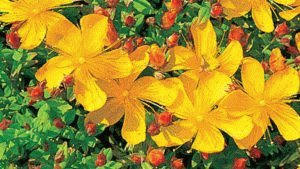
Popular rumor ascribes to grass the ability to cure ninety diseases. It is difficult to say where such a strange name came from. It has been noticed that animals that have tasted herbs begin to get sick, the symptoms are truly curious. Ulcers form on the skin, extremely itchy, causing distress to livestock. It is noteworthy that light-colored animals suffer more on sunny days.
For humans, the herb is safe, since the gastrointestinal tract is not capable of producing substances that, in combination with St. John's wort, give the above-mentioned striking symptoms. The plant is rich in vitamins A and C, contains a lot of tannins that help with inflammation. Imanin is active against 40 microbes, among which are the causative agents of dysentery and whooping cough.
Extracts from St. John's wort perfectly deal with bacteria that have developed resistance to antibiotics. If the strain is resistant to imanin, the vulnerability to penicillin is sure to increase, and so on. Tea is prepared in the following way:
- Pour a liter of boiling water into a thermos.
- Throw in two tablespoons of the herb.
- Drink three quarters of a glass before meals.
Centaury
It is impossible not to mention the use of herbs for dysbiosis. Centaur helped the centaur Chiron to heal the wounds inflicted by Hercules. Since then, the herb has been used for similar purposes. According to legend, the unusual name has two etymological roots:
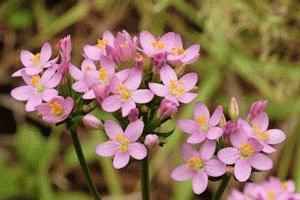
- The herb got its name from the word "centaur". The spelling was consonant with the Greek expression "100 gold".
- Once a rich man promised to donate 100 gold coins to the poor if a remedy could be found to cure the disease. In a dream I saw an angel who commanded to drink grass, a bunch of which was growing nearby. The rich man immediately got down to business. Having recovered, he fulfilled his promise.
To classify the recipe, the monks began to add the plant to the grimoires as 100 gold pieces. Once the figure grew to a thousand. The people have long been used as an antispasmodic, relieving constipation and flatulence. For infusion, take a glass of boiling water, two tablespoons of herbs. Consumed in a third to a quarter of a glass half an hour before meals.
Moss
Icelandic moss is great for diarrhea and chronic constipation. Thallus is rich in carbohydrates of various natures, it is considered an effective remedy for recuperating, growing bacteria in the colon. Representatives of lichens are excellent:
- Reindeer moss.
- Cladonia.
- Parmelia.
- Sleeping.
The antibiotic included in the composition gets along with normal microflora. At the same time, the existing mucus absorbs harmful substances, envelops the walls, protecting it from damage by gastric juice or bile acids.
Full set
Alternative medicine is complex, treatment of dysbiosis with folk remedies is not an easy task. The herbal infusion should include a number of plants that complement each other. For example, cetraria is supplemented with marsh wild rosemary and thyme. This mixture does not cause allergic reactions, is effective against amoebae and proteas.
Badan, aloe, immortelle, Saussurea, sage, burdock and Amur barberry help to fight with protozoa.
The diet
Traditional medicine does not work from scratch. Try to eat more natural foods: cereals, wholemeal bread, peas, beans, carrots, blueberries, artichoke, onions. Serve with garlic. Many people take brewer's yeast to compensate for the lack of B vitamins, while simultaneously relieving the symptoms of skin flaking.
For pain, eat puree, liquid food. Return to your normal diet if no symptoms are present. Treatment of dysbiosis in adults is ineffective without bacterial preparations, the necessary strains will not appear on their own. It is different with infants - some of the flora is present in breast milk.
Buy fresh bifidok, acidophilus, periodically consume fresh yogurt. The date of manufacture is key. The ability to ferment milk at home will be useful. Suitable bacterial cultures for this purpose are sold in pharmacies.
Cured dysbiosis observed according to the results of the analyzes. A sure sign is the return of the flora to its normal state. This is the treatment of dysbiosis with folk methods.


