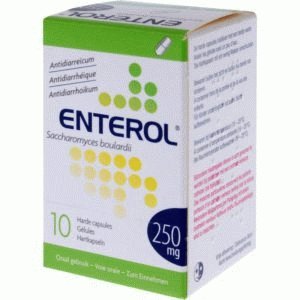
Rash with dysbiosis in infants: causes of appearance and methods of elimination
The microflora of the child is unique and begins to form already in the prenatal period. The process continues during childbirth, natural feeding plays the main role in the formation. With a cesarean section and weaned, the baby is at risk of developing dysbiosis. This is due to a violation of the formation of microflora, the content of immunoglobulins in the intestine decreases. As a result, with dysbiosis, a rash appears in infants.
The reason is easy to explain. In addition to the harmful action of bacteria, allergic reactions occur when digestion is disturbed. A rash in a child falls into this category. The skin begins to peel off, showing signs of a B vitamin deficiency. Allergy is caused by a mechanism similar in adults - substances that come with food. Dysbacteriosis greatly exacerbates the body's reactions due to a weakened immune system.
Content
- 1 The role of the mother in the life of the child
- 2 Formation of microflora and possible risks
-
3 Some clinical symptoms
- 3.1 Excessive generation of organic acids
- 3.2 Excess bile formation and fatty acid oxidation in the large intestine
- 3.3 Motor disorder
- 4 Diseases of the gastrointestinal tract
- 5 Treatment
The role of the mother in the life of the child
It is known that human milk contains a large amount of substances that form the normal microflora. The skin around the nipples of the lactating breast becomes overgrown with the right bacteria strains. The mechanism of the process is not completely clear. Prebiotics are present in milk, substances that serve as a nutrient medium. For example, lactose (milk sugar): most of the lactose is not digested, reaching the intestines, is sent to feed anaerobic strains.
The role of correct childbirth is great. The pathways for the exit of the fetus are covered with normal microflora; in the process of leaving the uterus, the child gains what is needed. The opinion of doctors is known that it is useful to take the necessary cultures in the last weeks of pregnancy, in some way they reach the fetus. We emphasize that no special studies have been carried out.
Formation of microflora and possible risks
Even minor cataclysms for adults in the first hours and days of a child's life damage the process of the formation of a young organism. It is welcomed if the baby begins to feed from the mother quickly, a couple of hours after giving birth. Antibiotics are not recommended for infants. We list the reasons for the development dysbiosis of newborns:
- Late onset of breastfeeding.
- Improper nutrition (human milk does not count).
- Gastrointestinal disorders (celiac disease, lactase deficiency).
- Taking antibiotics.
- Immune system disorders.

The first year of life is considered a key one in the process of microflora formation. An immature immune system cannot recognize pathogenic strains. To avoid the negative effects of artificial feeding, lactose and oligosaccharides are added to adaptive milk formulas, trying to create the effect of the mother's presence. Up to 8 months it is recommended to use adapted or partially adapted mixtures.
The presence of lactose and oligosaccharides allows bacteria to form an environment suitable for colonocyte development.
Some clinical symptoms
To confirm the link "dysbiosis-rash", you need to navigate among the possible symptoms. There are known processes leading to a painful condition, with the described clinical signs along the way. Symptoms are visible to the parent's eye.
Excessive generation of organic acids
The process is accompanied by a number of factors (internal):
- Decrease in the level of acidity of the chyme, the activity of digestive enzymes. It is caused by a decrease in the level of activity of beneficial bacteria, which provides the prerequisites for the growth of useless or harmful microbes.
- Reducing the concentration of kinetically active particles of the medium.
- Digestion and absorption disorders. Avitaminosis of various kinds.
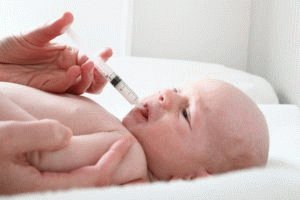
The phenomena are accompanied by pain (the child is restless), diarrhea (stops after two days of fasting), flatulence, instability of the infant's mass. Lack of B vitamins causes anemia (mainly of the limbs) and peeling of the skin (mainly on the face).
Excess bile formation and fatty acid oxidation in the large intestine
- Mild diarrhea due to electrolyte loss.
- Deformation of the intestinal mucosa.
- Impaired absorption of fat (and vitamins).
The effect is manifested in diarrhea, which cannot be stopped by fasting, with changes in the small intestine, body weight drops significantly, feces contain mucus.
Motor disorder
- Eructations of air, the smell is bitter.
- Stomach pain or heaviness (the child is dull, restless).
- Constant diarrhea, or bean-like feces, interspersed with constipation.

Diseases of the gastrointestinal tract
Observe closely the child (for a rash on the skin with dysbiosis), if the indicated diagnoses were previously made (diseases transferred):
- The gallbladder was removed.
- Chronic pancreatitis.
- Liver disease.
- Worms, parasites of any kind.
- Disaccharidase deficiency.
- Malabsorption.
The irrepressible growth of microflora is accompanied by a number of consequences: disturbances in the activity of the duodenum, inflammation of the mucous membrane, hepatitis.
Treatment
Follow your diet. If necessary, it is allowed to introduce adapted mixtures into the diet. Along the way, a complex of trace elements and vitamins is taken, especially A and B. At the same time, according to the results of the analyzes, a drug is selected that eliminates the excess of pathogenic flora. It is wrong to think that the only medicine will help in any case (for example, many parents believe in the power of Enterol). A separate antibacterial drug fights a limited kind of strains. Testing is inevitable.
After the destruction of the harmful colony, the vacant place needs to be populated. Prebiotics and probiotics are used for filling. The role of human milk, which contains the lion's share of the necessary components, is important. When taken in parallel with antibiotics, a gap is made for a couple of hours so that the drug does not kill live strains contained in probiotics.
Antibiotic therapy is carried out using specific and non-specific drugs. Antibiotics are selected from the families of quinolones, tetracyclines, metronidazoles. They try not to use drugs with a multiple spectrum of action, preventing a strong suppression of the intestinal flora. Sometimes this is beneficial with a total violation of motor skills or absorption.
The course of taking antibiotics does not exceed a week, then prebiotics and probiotics are used. In diseases of the colon, it is often possible to choose antiseptics without disturbing the microflora in the body (Nifuroxazide). A similar technique is shown in the fight against fungi, staphylococci.
For the cultivation of useful microflora, probiotics are used, for example, Hilak Forte. The period of admission lasts in children until the rash stops (up to a month). The final cure is confirmed by the test results. During the time of treatment, vitamins (B, C, K, PP) and microelements are taken, since the assimilation of these components is impaired.
In treatment, suppositories consisting of proteins and immunoglobulins are used to modulate immunity. The feces are periodically examined for the effectiveness of the prescribed course. Now readers know that in children, a rash with dysbiosis is considered the norm. The effect wears off as it heals.