Constipation after removal of the gallbladder: what to do, causes
Any intervention, especially surgical, in the human digestive system is accompanied by unpleasant consequences. The gallbladder plays an important role in the digestive system of the body, including in the high-quality intestinal processing of the food received. Removal for various reasons (developmental pathology, when the body of the bladder is bent, tumor development) of the above organ disrupts the usefulness of the digestion process when young bile enters straight into the intestines. Medical name gallbladder removal - cholecystectomy. The article describes in detail the reasons for the absence of a chair, life after surgery, treatment.
Stool retention in the patient immediately after gallbladder removal and during the first six months it is normal. The postoperative period makes adjustments to the work of the body. The patient does not move much, the intestinal walls are weak, the diet changes.
The main causes of constipation are distinguished:
- Weakened undulating contraction of the intestinal walls. When the gallbladder is removed, there is no longer enough secretion in the intestine to break down the incoming food, it accumulates, but does not move further along the intestinal canals, causing obstruction.
- Change of food. In order to avoid overloading the digestive system, food is introduced through a special tube-probe in the first days after the operation. When the patient's condition stabilizes, there are no complications, then the doctor prescribes a special diet. The incoming food lacks fiber, the volume of food is small, the digestive system is at the stage of stabilization due to the absence of an organ responsible for the removal of bile. These factors lead to a disturbance in the function of the gastrointestinal tract and are manifested by constipation.
- Pain medications used in the postoperative period can cause rectal dysfunction.
- Because of the bile, or rather its absence, the acidity of the gastric juice is not stable. The determination of the pH and the selection of a drug that regulates the content of hydrochloric acid in the stomach, strict adherence to the diet will help to solve the problem.
- Reducing the amount of water consumed. A healthy person should drink at least two liters of water per day. For a patient with a removed gallbladder, 2 liters per day becomes a necessity in order to avoid dehydration of the whole body and the appearance of constipation in particular.
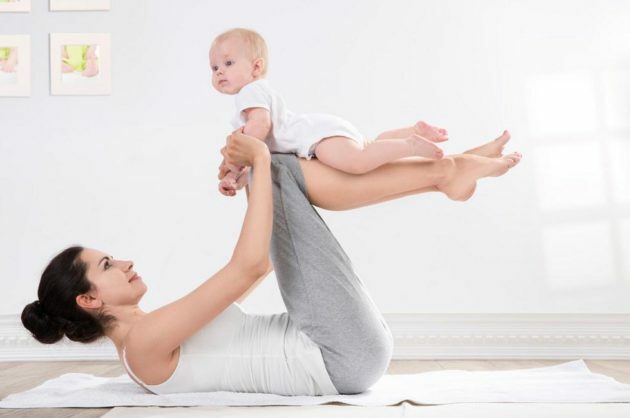
- Almost no active body movements. Leading a sedentary lifestyle, even in the presence of all organs of the gastrointestinal tract, leads to a weakening of their function. After the operation to remove the organ, physical activity is limited, but in the future it is necessary to gradually increase physical activity: exercise in the morning, fitness, walking.

Content
- 1 After anesthesia
-
2 Rehabilitation regimen after surgery to avoid constipation
- 2.1 After cholecystectomy
- 2.2 After abdominal surgery
- 2.3 After laparoscopy
- 3 What to do during treatment
-
4 Drug treatment
- 4.1 Guttalax
- 4.2 Bisacodyl
- 4.3 Microlax
- 5 ethnoscience
- 6 Constipation in children
After anesthesia
When carrying out the process of surgical removal of an organ, general anesthesia is mandatory. Lack of stool is the most common complication after using anesthesia, because the muscles and body of a person relax; poisoning of the body with substances contained in anesthesia. The work of the kidneys and liver is impaired.
The result is intestinal dysfunction. The restoration of normal functioning of the whole organism depends on the time of elimination of toxic substances. The release rate can be increased by drinking more water. Diet recommended. It is possible to restore the disturbed microflora with the help of preparations with special bacteria. Doctors recommend microclysters: chamomile decoction, saline solution, oil solutions.
Rehabilitation regimen after surgery to avoid constipation
After surgical removal of the organ, unpleasant consequences begin to arise - constipation. Rehabilitation of the human body after surgery begins from the first day after withdrawal from anesthesia.
After cholecystectomy
The first day it is better to refuse any food altogether. Drinking water, especially juices, drinks is undesirable. The patient can only moisten the lips and irrigation of the oral cavity with herbal infusions is permissible. On the second day, it is allowed to drink plain boiled water without sweeteners, with the addition of rose hips. One liter of liquid per day.
On the third day, a compote made from dried fruits or tea is introduced. You should try to give drinks without sugar. The use of low-fat kefir is possible. The volume of the liquid increases to 2 liters.
On the fourth day after surgery, solid foods can be added to the diet. First, mashed potatoes, vegetable puree soup. Cook food in plain water. You can lightly sweeten the tea with sugar. The main thing to remember is to eat a little, but often.
The introduction of new products into the patient's diet should be gradual, with a frequency of one day. Porridges and soups are boiled in water. On the fifth and subsequent days, the menu includes crackers, stale bread, meat, low-fat dairy products. Food should enter the stomach in a grated form.
After abdominal surgery
This surgery leads to adhesions in the abdominal cavity. The rehabilitation process with such an intervention is similar to the process described above, but with one caveat. On the fourth day, include in the diet vegetable salads, cereals boiled in water using coarse cereals, biokefir. At the same time, any foods and liquids that can cause gas formation in the intestines are excluded from the menu.
To prevent the appearance of cords and aggravate constipation, the patient should start moving as early as possible: get up, walk. In some cases, the surgeon will prescribe mild laxatives.

After laparoscopy
Few people are familiar with the operation, in which there is less intervention in the abdominal cavity than with open surgical operations. The work to remove the affected organ is performed through small-diameter holes with special devices. The minimally invasive method of conducting operations does not traumatize the body much, complications are not observed and rehabilitation takes place in the shortest possible time.
But even this method accompanies the occurrence of constipation, especially if the gallbladder is removed. Treatment is prescribed by a doctor, strictly individually. There are some general guidelines that everyone should follow:
- The patient must give up heavy physical exertion.
- Avoid going to the sauna, bath and other procedures involving high temperatures.
A diet is prescribed.
What to do during treatment
The normal process for treating constipation depends entirely on the underlying causes. There are general tips:
- If the cause of discomfort is anesthesia - up to eight glasses of water during the day, excluding tea, juices, drinks. Water helps the intestines to remove feces by softening them.
- Prunes are very helpful. The tincture is also consumed raw.
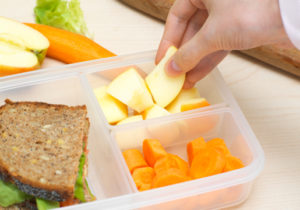
- The food without fail includes: buckwheat, oatmeal, cabbage, bran, carrots, whole grain bread.
Drug treatment
For the treatment of constipation, the pharmaceutical industry daily issues a mountain of new drugs, which are not always effective when the gallbladder is removed. Surgeons-doctors try to relieve the patient of intestinal dysfunction without resorting to medication, but if necessary, then below are the drugs used in the treatment of constipation.
Guttalax
The body does not get used to this medication, it has a mild effect on the intestines for 6-10 hours. It is recommended to take 20 drops at a time, dissolved in boiled water. Sold without a doctor's prescription.
Bisacodyl
Also has a mild effect. Available in tablets and in the form of pills and suppositories. The result is expected within 8 hours after taking the medicine or pills orally, and within 1 hour after inserting the suppository rectally.
Microlax
Produced in the form of microclysters. It is administered rectally. Promotes the dissolution of feces and their soft excretion. The drug acts as follows: displaces the bound fluid from the feces, due to this, the intestinal lumen increases and it facilitates the emptying of the intestines. The drug begins to remove feces within 15 minutes.
Fortrans, bekunis, probiotics, ointments - also help in the fight against constipation and are prescribed by a doctor on an individual basis. It is important to remember that you cannot abuse laxatives. This can lead in the future to a complete failure of intestinal motility.
ethnoscience
The recipes are passed down from century to century and are effective even today. They take into account the substances the body needs to deal with the difficulties that have arisen. Alternative medicine offers for constipation:
- Beetroot juice. Passing through a juicer, juice begins to stand out from the beets. Take 0.5 liters per day. The first 250 grams are drunk in the morning on an empty stomach, and the remainder is drunk throughout the rest of the day.
- Potato juice. Prepare 150 ml. You need to drink only in the morning before eating.
- Carrot and pumpkin juices. Vegetables are passed through a juicer. No more than 1 glass is drunk per day, on an empty stomach.
Constipation in children
Children are also often prone to the problem of not having regular bowel movements. The reasons for this can be very different, the main thing is to detect at the right time and prevent even greater complications from developing. Treatment of constipation in a child proceeds in the same way as in an adult. It is undesirable to focus on taking laxative medications.
The process of eating should be crushed throughout the day (5 times). Foods containing fiber (vegetables and fruits) are accepted, they are eaten boiled or raw. It is desirable to add cabbage, lean meat, coarse cereal porridge, prunes, oranges. Carbonated drinks, canned and fried foods are subject to exclusion from the diet.