Senna herb for constipation: indications and uses
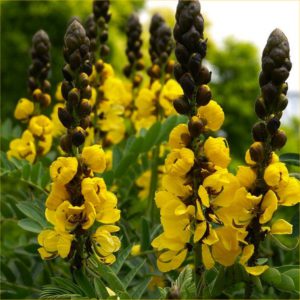
Senna is a leguminous dwarf shrub that grows up to one meter in height with yellow flowers. The plant has additional names, such as cassia holly, cassia angustifolia, alexandrian leaf. Places of growth: India, Sudan, Somalia, Arabian Peninsula. In the cool climate of our country, senna grass is not found in the wild. It is grown in the form of artificially created plantings, as a raw material for the pharmaceutical industry, in the countries of Central Asia.
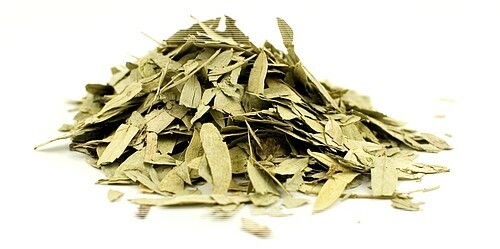
For medicinal purposes, the leaves, flowers, fruits and trunk of senna are used. Raw materials are harvested by hand 2-3 times per season, dried in an open ventilated space without direct sunlight. Prepared raw materials are packed in paper bags. Thus, the processed herb is stored for three years from the date of collection.
The composition of plant materials contains anthraglycosides, alkaloids, organic acids, flavonoids, phytosterols, glycosides and resins.
Anthraglycosides irritate the receptors of the large intestine, activating its work, This helps to get rid of constipation. The presence of alkaloids in the composition gives this medicinal plant soothing and analgesic properties. Organic acids can help maintain the balance of the intestinal microflora. Flavonoids have antioxidant effects.
Content
- 1 Dosage forms
-
2 Senna application
- 2.1 Indications for use
- 2.2 Senna for weight loss
- 2.3 Pregnancy and Senna preparations
- 2.4 The use of senna preparations for young children
- 3 Contraindications
- 4 Side effects
- 5 Application rules
Dosage forms
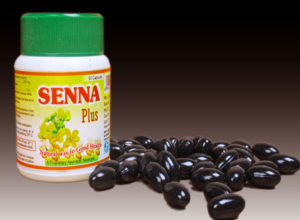
In pharmacies, senna is sold in the form of herbal preparations, filter bags for brewing, in tablets, powders, lozenges. Senna is part of teas for cleansing and slimming. You can prepare a decoction or infusion from this plant at home.
Senna application
Senna is known as a herbal laxative. By gently stimulating the work of the intestines, it helps to cleanse it. In order to normalize and soften the stool, preparations from this plant are taken for constipation and proctological diseases. The course of treatment lasts no longer than a week to avoid addiction. If you neglect this rule, there is a danger of getting the opposite effect in the form of "lazy bowel", which is fraught with the onset of chronic constipation.
If you take any laxative for a long time, conditions are created under which useful substances do not have time to be absorbed in the small intestine. Because of this, there is a deficiency in the body.
The elimination of toxins and toxins when using senna and its choleretic properties help to improve the functioning of the liver and gallbladder. Constipation medications containing senna should be taken at night, since the laxative effect occurs after 6-8 hours.
Indications for use
Indications for the use of senna preparations are constipation, hemorrhoids, anal fissure, overweight. Treatment is prescribed for atonic constipation. They arise due to the slowness of the intestine, its decreased tone. This happens with improper diet, insufficient physical activity, sedentary work. For constipation associated with cramps in the intestines, the use of products containing senna leaves is not recommended.
Senna preparations are prescribed as a means of helping to cleanse the intestines before research and surgery.
The condition when excessive straining during bowel movement is undesirable is considered as an indication for the appointment of senna. For example, to create gentle conditions in the postoperative period. Senna can be used as an adjuvant in getting rid of intestinal parasites.
Senna for weight loss
The use of senna-based products will help to reduce weight by several kilograms in a month, following a light diet. Weight loss occurs by cleansing the intestines from old feces. This cleansing helps to improve metabolism.
To use for weight loss, the infusion of leaves should be cold, half a glass at night. It is also prepared in a cold way, pouring water over senna leaves and insisting throughout the day. It is important not to forget to stir it periodically.
Fruit balls or pastilles are made from a mixture of powdered senna leaves with dried fruits crushed with a meat grinder: figs, prunes, dried apricots, dates and the addition of honey. This is an effective way to fix your chair.

The same dried fruits, taken 100 g each. of each type, can be combined with dry senna leaves, brewed with boiling water and infused. You get an infusion that has a laxative effect.
To prepare a drink from senna, pour 300 g of boiling water in one container in one container. senna leaves, and in another 300 g. brew raisins in 1 liter of boiling water. After cooling, strain the resulting infusions through cheesecloth and mix. Take the resulting "compote" half a glass twice a day.
If you add ginger root to the crushed leaves and boil with boiling water, you get a useful drink that increases metabolism. This tea is taken hot at night.
It will not be superfluous to consult a nutritionist on the use of this method in your particular case before taking a course of taking a herbal remedy for losing weight.
Pregnancy and Senna preparations
Senna is contraindicated in pregnancy and breastfeeding. There is a danger that the substances that make up this medicinal plant and increase peristalsis will harm, provoking miscarriage and premature birth. Although it is known about the practice of using senna as an intestinal cleansing agent in women before childbirth.
Against the use of such funds by pregnant women is the fact that the use of laxatives interferes with the absorption of nutrients and vitamins. And for a woman and a fetus, it is extremely important to fully provide the body with nutrients. During pregnancy, the course of using laxatives containing the herbal components of senna is prescribed only by a doctor, taking into account the possible risks.

The use of senna preparations for young children
Children under 6 years of age are an absolute contraindication to taking senna drugs. The intestines of young children are sensitive to any influences and stimulating it in this way will be stressful for an immature organism. For children after 6 years of age, this medicine is prescribed by a pediatrician.
Constipation problems in young children are eliminated through a properly selected diet and drinking balance.
Contraindications
Contraindications to taking medications containing hay are acute inflammatory diseases of the gastrointestinal tract, liver, intestinal obstruction, tendency to diarrhea, bleeding in the gastrointestinal tract, uterine bleeding, abdominal pain of unknown etiology, including suspicion of appendicitis.
Side effects
If the dosage is exceeded or individual intolerance, side effects are possible in the form of spasms, increased gas production, intestinal colic. More serious manifestations of side effects are expressed in cardiac arrhythmias, confusion, manifestations of a reaction in the form of nausea and vomiting. The imbalance of nutrients leads to malfunctions in the body. Overdose can cause diarrhea and dehydration. If you are allergic to any component of plant materials, skin manifestations in the form of dermatitis or urticaria are possible. If such side effects occur, the drug is discontinued.
Application rules
Before starting to use the drug, you should study the rules for its use. Instructions for using the drug are placed by the manufacturer on the packaging or provided by the pharmacy.
- The dose of the drug recommended by the instruction or by the doctor's prescription cannot be changed on your own, focusing on your own feelings.
- If the taste of the aqueous forms of the senna preparation seems unpleasantly bitter, it is allowed to sweeten it with honey.
- If using senna leaves causes increased intestinal activity, try replacing them with pods of the same plant. The pods contain less active ingredient, so the laxative effect is less pronounced.
- With increased gas formation, it is better to ingest collections containing dill seeds. The same method of administration is used for children.
- It is not allowed to increase the dose of the medication if the previous dose of the pill is missed.
- It is possible to increase the duration of the course of treatment only after consultation with the attending physician and under his supervision.