Constipation in a child: what to do, how to help
Stool retention in a child is an alarming signal for parents. The unpleasant symptom is common among children of all ages. Both the baby and the teenager suffer from the lack of defecation and difficulty emptying. Help at home can be done with the help of modern medicines and traditional medicine. Every adult should know what to do to alleviate the child's condition.
Content
-
1 Types of constipation
- 1.1 Spastic
- 1.2 Atonic
- 1.3 Psychological constipation
- 2 Why do children get constipation?
-
3 Constipation treatment
- 3.1 Treatment in newborns
- 3.2 Treatment in children from one to three years
- 3.3 Treatment in children over three years old
- 4 Folk recipes
- 5 Diet
- 6 Prophylaxis
Types of constipation
Constipation is usually divided into organic and functional. Organic is rare in babies. The reasons for organic fixation can be in the anatomical features of the intestinal structure, neoplasms and defects acquired during surgery.
Functional constipation in babies is usually divided into:
- Spastic;
- Atonic.
Spastic
With spastic fixation, the baby has a spasm in the intestines. For this reason, feces do not move through the intestines for a long period. The accumulation of feces in a separate area of the intestine contributes to its compaction. Defecation is difficult, painful.

Atonic
Atonic constipation occurs due to improper diet or after taking antibiotics. Symptoms typical for this type of constipation:
- Lack of appetite;
- Weakness, lethargy;
- Lack of bowel movements for a long period;
- There is blood in the stool;
- Bloating is felt in the abdomen.
Fixation after antibiotics in children occurs more often than in adults. During antibiotic therapy, you should carefully consider the child's diet.
Psychological constipation
Modern medicine distinguishes another type of stool retention in children - psychological. The symptom can occur in children over 2 years of age who have stool control. Toddlers restrain urges in new or uncomfortable conditions. Often the symptom occurs when attending kindergarten. The new environment affects the psychological state of the child. Psychogenic fixation is difficult to eliminate on your own.
With the accumulation of feces, the baby has a stomach ache, and the intestines can be injured. If stool retention occurs regularly, a psychologist's consultation is necessary.
Why do children get constipation?
Childhood is a good time for stool disorders. Diarrhea often alternates with constipation. There are many factors that can provoke anchorage. A harmless reason is the use of fixing foods.
The temporary absence of defecation may accompany the disease. Feces in a difficult period are dehydrated. Symptoms that provoked the phenomenon: fever, high fever, vomiting.

Often, the absence of stool appears in children after rotavirus. Sometimes alternates with diarrhea. The patient may have a fever, which will be a sign of constipation against the background of pathology.
Severe constipation can begin after an intestinal infection. A patient with this condition may not have to empty the intestines for three days. At the same time, there is strong pain in the abdomen. Sometimes they suffer from false urge to use the toilet.
Fixing antibiotics in babies is a frequent occurrence. Some medications may also have an absence of stool.
Food allergies to foods can cause stool retention and difficulty in defecation.
Constipation treatment
Constipation in a child must be treated, since a prolonged absence of stool can adversely affect the organs of the gastrointestinal tract and the state of the whole body. Consequences of long-term fixing:
- The absorption of useful microelements is impaired, which leads to the development of anemia, a decrease in immunity.
- Intoxication of the body occurs, as the decay products begin to be absorbed into the bloodstream, poisoning the entire body.
- The mucous membrane becomes inflamed, severe spasms begin.
- Frequent constipation is fraught with cracks in the rectum and bleeding.
Due to constipation, the patient's general condition worsens. The kid becomes lethargic.
Timely treatment will help to avoid the consequences. It is necessary to carry out therapy based on the causes of the symptom and the age of the children.
One-time fasteners are eliminated on their own. But if they are of a regular nature, it is recommended to consult a doctor. Chronic constipation is dangerous for children and adults.
Sometimes surgery comes to the rescue. Surgical intervention is required for acute intestinal obstruction, anatomical pathologies of the organ.
Treatment in newborns
Constipation in a newborn baby - a condition in which the stool is hard or completely absent. The baby is experiencing pain in the abdomen, presses the knees and cries. It is these signs that let parents know that the baby is constipated. Help for the baby is urgently needed. Dill water or special means to normalize the work of the gastrointestinal tract will help alleviate the condition.
The parent can massage the baby's tummy by stroking it clockwise.
If constipation persists and home remedies do not work, you should consult your doctor. Your pediatrician can advise:
- Laxatives
- Gas outlet tube.
- Enema.
- Glycerin candles for babies.
The doctor will recommend that formula-fed babies replace the usual formula with medical food for babies.
Babies who are breastfed will not be able to adjust their nutrition, the mother must do this. It is because of the gaps in the mother's nutrition that the infant often has intestinal upset.
A child from six months of age who has already been introduced to complementary foods may suffer from stool retention due to a new dish introduced into the diet. If constipation occurs in a six-month-old baby who eats some adult food, you need to exclude gas-forming fruits - bananas, apples.
If a month-old baby has no stool for a long time or the feces are solid, there is blood in the feces, the baby is restless, while the temperature rises, you need to call an ambulance.
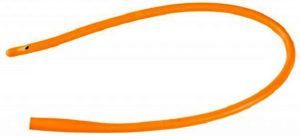
- Gas outlet tube. Fix a chair the gas outlet tube quickly helps. It frees the baby's stomach from gases. When used correctly, irritating the intestines, it provokes the excretion of feces. For constipation in an infant, a gas outlet is an effective method, but the device must be selected correctly. When choosing a tube, you need to pay attention to the tip. It should be soft so as not to harm. For a baby of 1-2 months, a 15 cm tube is suitable. For older children - 18 cm.
- Glycerin candle. Suppositories with glycerin will relieve constipation. Safe for babies from birth. The candle is gently inserted into the anus. For some time, the parents hold the baby's buttocks to prevent the drug from being pushed out.
Treatment in children from one to three years
Babies one year old and older already eat adult food, but the stomach is not strong enough, so a delay in defecation is inevitable. To avoid digestive problems, parents are obliged to provide healthy, nutritious food for children. Drinking more fluids is important.
The diet of babies excludes rice and semolina porridge. The problem will worsen from rice cereals in the composition of dishes. It is recommended to reduce the use of sweets or eliminate them altogether.
It is permissible to treat stool retention in children under three years of age with the help of laxatives prescribed by a doctor. When taking certain medications, the child may develop allergies, so the course of treatment is usually two weeks, no more. The main condition for medication treatment is the absence of contraindications. Therefore, a doctor's consultation is necessary.
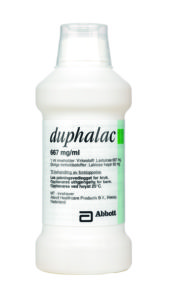
The doctor prescribes medications based on lactulose. Duphalac is a popular and safe remedy. Acts gently, stimulating intestinal peristalsis.
Treatment in children over three years old
Retention of feces is dangerous for children of all ages, as it causes intoxication of the whole body, negatively affects the patient's well-being. You can cure constipation in children over three years old with a laxative or using an enema.
An enema is given if there is no pain and blood from the anus.
To activate the intestines, prokinetics are prescribed. If the baby has pain and cramps in the abdomen, prescribe No-shpu.
To eliminate dysbiosis caused by antibiotics, prebiotics are recommended. Lactulose will help well.
All medications must be prescribed by a doctor.
Folk recipes
At home, you can use folk remedies for constipation. Allowed for children:
- Wheat bran, seaweed are natural laxatives. Eat alone or as part of meals.
- Senna is an herb that can help relieve constipation. The plant is pre-brewed and insisted. Take one spoonful three times a day.
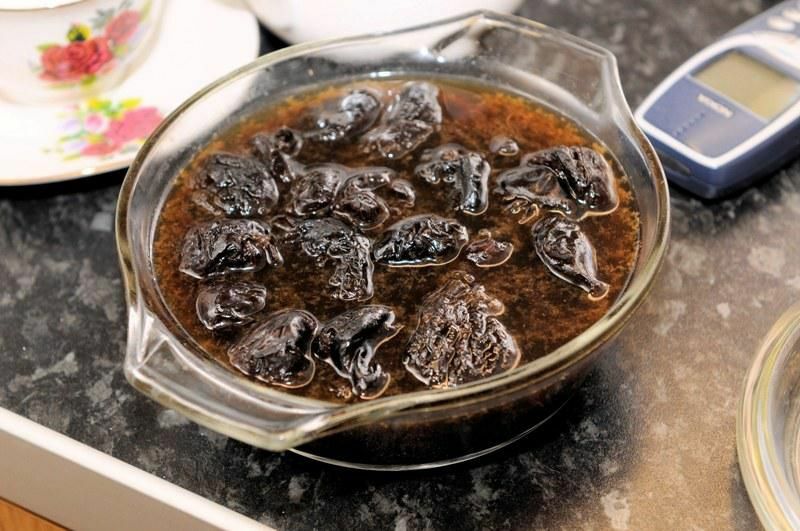
There are many recipes for eliminating the symptom. For the treatment of children, you need to choose those remedies that eliminate the phenomenon gently, while having a pleasant taste. The best option is dried fruits. Dried fruits are allowed in their natural form, in the form of infusions. Recipes to eliminate stool retention:
- Dried cherry drink. Dry fruits must be brewed and insisted.
- Prunes, dried apricots pour boiling water and leave for 15 minutes. Give the fruit to the child.
- You can make a decoction from raisins.
The home method will be effective if the symptom is not caused by a serious disease of the gastrointestinal tract. If you suspect a pathological process, it is better to abandon folk ways to eliminate the phenomenon and urgently seek qualified help. The doctor can give a referral for tests, quickly identify the cause of stool retention.
Diet
The main thing in the treatment of stool disorders is adherence to a diet. Proper nutrition is half the success of therapy.
For the work of the gastrointestinal tract of infants, the nutrition of the nursing mother is important. Mom needs to exclude fixing products from the menu: rice, legumes, fatty broths. For a while, it is better to reduce the amount of sweets or refuse them altogether. It is recommended to eat more fresh vegetables and fruits.
Older children who have switched to adult nutrition are advised to consume foods:
- White cabbage, Brussels sprouts or broccoli.
- If defecation is delayed, children are advised to eat fresh fruits along with the peel. The fruits are thoroughly washed beforehand.
- Babies from 6 months can be given vegetables in the form of mashed potatoes - broccoli, carrots.
- Dried fruits help fight stubborn constipation. Children under one year old are given compotes and infusions, the elders can eat pre-soaked fruits.
- Natural yoghurts, only made, stimulate the intestines.
Be sure to include cereals in the kids' menu. Babies receiving complementary foods should be given porridge of a very liquid consistency. Thick porridge is cooked for one-year-old children. Buckwheat porridge works well on the stomach. From buckwheat or oatmeal, the risk of fixation is minimal.
The menu for a teenager in the absence of a chair should be the same as for an adult in a similar situation.
Prophylaxis
To avoid delayed bowel movements, you need to follow some recommendations:
- Babies of the first year of life need to be fed with breast milk, even after the introduction of complementary foods, it is recommended to give the breast.
- Before feeding, the little one should be laid out on the stomach.
- Older children need to be provided with proper nutrition. The child's diet must be balanced. Fatty, spicy dishes are excluded from the menu.
- The child must follow a physical activity regimen. Regular exercise and walking will be helpful.
- The family should have a favorable environment. The kid needs to be protected from stressful situations.
After constipation, when the patient's well-being has improved, it is not recommended to return to the usual diet. It is better to follow the regimen and diet constantly.
Prolonged absence of stool in children or difficulty defecating is not uncommon. First aid for the disorder can be provided by parents. If persistent constipation and cannot be treated at home, you need to seek help from a doctor.