Chronic constipation: causes, quick treatment and prevention
Constipation is a weak, difficult bowel movement. This delicate problem is becoming the most common today. Constipation is not just an incomplete bowel movement, but possibly a symptom of a serious illness. Treatment that has not begun in time, simply the absence of daily stool, translates into the chronic stage of the disease.
In medicine, constipation is divided into two types: dyskinesia and dyschezia. The first type is intestinal dysfunction, delayed contraction of the rectum. The second type is the weakening of the nerve endings of the pelvic muscles and anal sphincters.
Content
- 1 Signs of chronic constipation
-
2 Etiology of the onset of the disease
- 2.1 In young children
- 2.2 In pregnant women
- 2.3 In older people
-
3 How to treat chronic constipation
- 3.1 In children
- 3.2 Babies
- 3.3 Schoolchildren and kindergarten
- 3.4 In adults
- 4 Using enemas for constipation
-
5 Prevention of constipation
- 5.1 Classical therapy
- 5.2 Traditional therapy
Signs of chronic constipation
Very often people do not pay attention to such trifles as: rare going to the toilet; the number of feces leaving the rectum during the day is less than 35 grams; going to the toilet is accompanied by painful sensations; there is mucus in the feces, increased gas formation. But already at this stage it is worth thinking and visiting a doctor to find out the reason.
Etiology of the onset of the disease
Chronic constipation occurs for commonplace reasons:
- Insufficiently active (or rather lack of movement at all) lifestyle.
- A person consumes little water. Today, the consumption of other liquids (coffee, sugary drinks) is mainly taking place, and water fades into the background.
- The diet is violated, as a result of which the intestines cannot adjust the rhythm of work.
- The menu lacks the necessary substances and elements. In addition to the regime, the content is also important.
- Constant stress does not have a positive effect on the digestive tract.
- The lack of proper rest affects the work of the whole organism, not only the intestines.
- Traveling abroad, business trips lead to stagnation in the rectum and constipation.
- Taking medications, side effects of which lead to constipation.
- A lot of chocolate can also cause intestinal congestion.
- Uncontrolled use of laxatives.
- Diabetes.
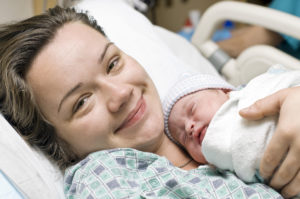
- Pregnancy and childbirth.
In young children
The causes of bowel dysfunction in children are as follows:
- Congenital developmental defect.
- The diet of an artificially fed baby is not filled with a variety of foods.
- The infant is malnourished due to the lack of milk from the mother.
- An oversaturation of food with fats and proteins and a lack of fiber and fluid.
- Bone disease - rickets, the activity of the intestinal walls decreases.
- The child does not move much, etc.
In pregnant women
Many pregnant women suffer from chronic constipation. The disease manifests itself in the early stages and in the last months of pregnancy. In the first trimester, stool instability is explained by the restructuring of the body at the hormonal level. What happens is necessary for the anchoring of the egg in the uterus.
Constipation can form due to an insufficient amount of incoming fluid (a woman limits herself to drinking). Taking medications containing iron and calcium leads to the accumulation of hard feces in the intestines. Limited movement during the entire period of gestation also creates unfavorable conditions for the normal functioning of the gastrointestinal tract.

Lack of bowel movements in the last months of pregnancy is due to the growing fetus, which puts pressure on the intestines.
In older people
The older a person becomes, the more the motor function of the gastrointestinal tract weakens, which does not allow actively moving feces to the anal outlet. The urge to evacuate becomes weaker and the person simply does not feel that it is necessary to go to the toilet. These are the main factors in the occurrence of problems with the gastrointestinal tract, but there are also the following:
- Reduced motor activity.
- There is little fluid entering the body.
- Taking a large number of medications.
- The diet lacks foods with dietary fiber.
Often cause of constipation diseases become: atherosclerosis, diabetes mellitus, depression, parkinsonism.
Stool disorders are perceived by the elderly as normal and are in no hurry to see a doctor. But this is exactly what needs to be done in order to be able to live a fulfilling life.
How to treat chronic constipation
Constipation treatment is complex. It is necessary to change both the diet and the diet itself, include sports in the lifestyle, observe the rate of fluid intake. Whatever is done to combat constipation, you must first consult your doctor. He will make the correct diagnosis and prescribe an individual course to restore the correct functioning of the human digestive system. But there are nuances for citizens of different age categories.
In children
In children, constipation occurs due to an incompletely formed digestive system. Incorrect feeding system in babies and the abuse of sweet schoolchildren.
Restoring the correct diet, creating conditions for the active movement of the baby, the absence of stress will allow the intestines to normalize, and the mother will calm down. A visit to a pediatrician is mandatory. Only he will be able to correctly establish the etiology of the ailment and prescribe a course for recovery.
Babies
If the infant is bottle-fed, the formula must be safe for feeding. Pediatricians try to prescribe mixtures containing probiotics. They accelerate the growth of bacteria that are good for digestion.
When the reason for the lack of bowel movements lies in the product introduced into the diet, it is worth removing it and trying to find a replacement. New items should appear on the baby's menu no more than once a week, one spoon at a time. The reaction of the baby's body is observed and the dose is increased.
For the first six months, a breastfed baby feeds only on mother's milk. After six months of life, it is necessary to add water, juices, tea to the menu. During this period, mothers follow a diet. The baby is given a belly massage. Enemas and suppositories may be a last resort.
Schoolchildren and kindergarten
At the stage of development of a child in preschool and school age, it is important to adhere to the diet. Constant movement, circles, sports sections for the correct development of all muscle groups. Do not forget about the drinking regimen.
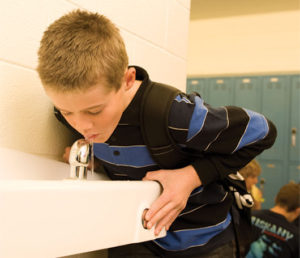
The morning of a student and going to kindergarten should begin with a glass of plain water to start all the systems of the digestive tract. For breakfast, eat oatmeal or buckwheat porridge, and throughout the day, eat prunes, vegetables, fruits. Before going to bed, have the child drink a glass of kefir or yogurt, this will help the intestines to digest the accumulated food during the day, and in the morning to have a normal bowel movement.
In adults
Adult constipation is sometimes very serious and may indicate the development of a serious illness. If it was not possible to solve the problem of the absence of defecation on your own, then contacting a doctor will be the most reasonable solution.
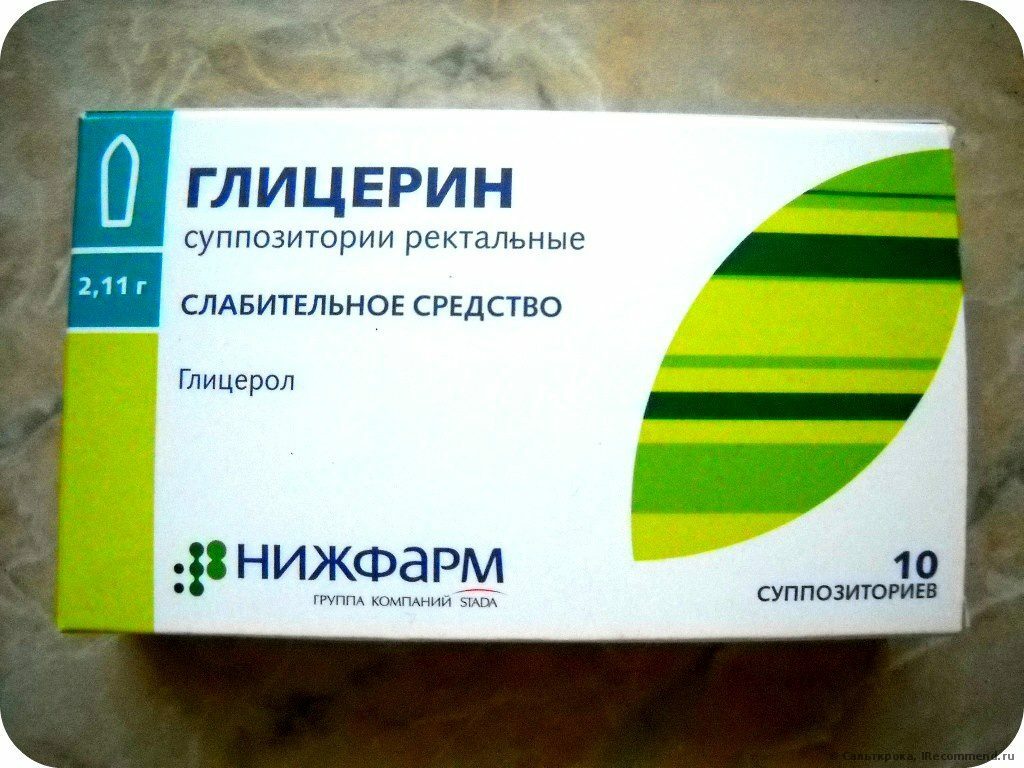
Long-term absence of stool in adults may indicate diabetes mellitus, for example. The doctor determines the etiology of the disease and prescribes an individual course and medications, if necessary. An important factor on the path of recovery is the patient's desire to get rid of the problem. The main drugs prescribed are bisacodyl, defenorm, microlax, picosen, etc.
In addition to taking medications, you need to adjust the diet. It is difficult for a working person to balance food at work, but it is worth giving up snacks on the run, from fast foods. With sedentary work, you should do gymnastics every half hour - this will help the intestines to normalize their motor function. And a lot - a lot of water.
Using enemas for constipation
A single use of an enema is allowed, but under the supervision of a doctor.
In chronic constipation, the use of an enema can worsen the patient's condition. Doctors recommend performing cleansing procedures in the evening and no more than eight times a month. It is necessary to alternate water-oil and medicinal enemas to restore the motor function of the intestines.
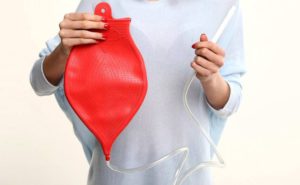
The oil-water enema is an ambulance for chronic constipation. Contains sunflower, vaseline, castor oil. Helps to remove gases and feces accumulated in the intestine. It will suit: pregnant women, after surgery, with inflammatory processes in the intestines, in the absence of effect from other procedures.
The herbal enema consists of a decoction of herbs: common chamomile, medicinal sage, calendula, plantain, yarrow. It will help to remove increased gas formation, has a weak astringent effect.
Prevention of constipation
Treatments for relieving symptoms of chronic constipation are aimed at preventing the development of more serious and complex diseases. You can treat it in different ways. It all depends on the complexity of the disease, on the stage of neglect and on the individual characteristics of the organism. There are two types of prevention: traditional with the use of drugs and folk.
Classical therapy
The patient is prescribed medications:
- contributing to an increase in the activity of intestinal peristalsis;
- relieve irritation on the colon mucosa;
- make the feces softer (liquid paraffin);
- promote bowel movements by increasing the pressure inside the intestines. Preparations containing sodium sulfate, magnesium sulfate and cellulose.
Self-treatment of constipation can lead to even worse consequences. Uncontrolled intake of funds leads to addiction, the intestine atrophies and does not perform its functions.
Stool normalization procedures are supervised by the attending physician, who will be able to coordinate the process based on the characteristics of the body.
Traditional therapy
As a therapy for chronic constipation, traditional medicine offers vegetables, fruits, decoctions, enemas. In non-traditional recipes, the characteristics of each organism are taken into account: children, adults, elderly.
- Sauerkraut brine, fresh apple and cherry tea, radish juice - drink 1 liter per day.
- Salad of boiled beets and vegetable oil on an empty stomach, raw viburnum berries, carrot juice also act as laxatives.
- Dried apricots with prunes. In equal proportions of 400 g. pitted prunes and dried apricots, one pack of Alexandrian hay. Grind and add 200 g. honey. Mix. A teaspoon of warm water is taken during dinner.
- Honey solution. 1 solution: 5 g. honey in a glass of water. Drink on an empty stomach in small sips. 2nd solution: honey and cold water or apple juice. 3 times a day on an empty stomach, but not more than 100 g. per day. 3 solution: mix slightly warmed milk with 15 g. candied honey. Take one third of a glass at night. The recipe is suitable for small children 5-8 years old - 10 g. before bedtime.
- Aloe juice. The leaves of a 3-5 year old plant are cut off, passed through a meat grinder, the juice is squeezed out. Mix 150 g. juice and 300 g. honey. Before and after sleep, 1 tbsp. l. 2 times a day on an empty stomach with cold water. Store the infusion in the refrigerator.
The combination of treatment with medicines and traditional medicine recipes eliminates unpleasant symptoms and serves as a prevention of the occurrence of consequences. And the attending physician will be able to take a different approach to solving such a delicate problem.