Symptoms and treatment of atonic constipation
Every second adult at least once in his life encountered such an unpleasant disease as atonic constipation.
It is not customary to speak openly about this delicate problem, but it is worthwhile to understand the causes of the disease and choose the appropriate treatment.
What is atopic constipation?
Contents:
- What is atopic constipation?
- Causes of intestinal atony
- Medical measures
The stomach and intestines of a person have muscles that cause their walls to move. Thanks to this movement, food and liquid can move along the digestive organs.
This contraction of the muscles is called peristalsis. The movements of the muscles are a wave that passes through the entire digestive tract.
Undigested food enters the large intestine, after which digestive waste forms stool and is discharged through the rectum.
Bowel movements are usually associated with one of two processes - relaxation( atony) or spasm of the musculature of the intestine. Correspondingly, the cause of the malfunction is divided into atopic constipation and spastic constipation.

When atony weakens the tone of the walls of the intestine, as a result of disturbed wave-like contractions of the muscles of the colon and complicates the movement of feces along it.
Normally, the small and large intestines perform 15 to 18 motions, if this number decreases, the stool masses do not move at the required speed and intensity, constipation is formed.
In healthy people, bowel evacuation happens 1-2 times a day. When atony acts of defecation are reduced to 2-3 times a week, and with severe form of the disease occur even less often.
In this case, the calf accumulates in the large intestine, and the adjacent abdominal organs experience discomfort.
Symptoms of atonic constipation include rare bowel movements( with a periodicity of 48 hours or more) and complicated stool.
Atonic constipation is often accompanied by pain in the abdomen, often with nausea and weakness. The structure of the stool with constipation is dense, the feces are colored in a dark color.
Because of the large amount of fecal matter, when they exit, anal fissures can form, resulting in scarring of scarring blood.
If defecation does not occur more than 3 days, an increase in body temperature is possible, indicating that the organism is intoxicated. Toxication is characterized by nausea, vomiting, discoloration of the skin.
Atony of the intestine is often a symptom of many diseases, in this case, atonic constipation requires immediate treatment.
Causes of atony of the intestine
One of the main causes of impaired intestinal peristalsis is malnutrition.
A large number of bakery and meat products, sweets, fast food negatively affects the work of the entire digestive system.
Often constipation disturbs those who consume few products of plant origin, choosing foods that are low in fiber.
Video:
In addition, the amount of liquids drunk per day influences the digestive tract, especially simple clean water.
As a result, the fecal matter solidifies and makes it difficult to move through the large intestine. Particular attention should be paid to the drinking regime during the hot season or at high body temperature.
The smoothness of the musculature of the intestine is affected by the mobility of a person. With hypodynamia, the abdominal muscles become weakened, which in turn affects the bowel motility.
Often the cause of atony of the stomach and intestines are stresses, excessive emotional and physical stress.
Harmful habits( drinking alcohol, smoking, disturbing the regime of the day) affect the functioning of the human digestive system.
Doctors distinguish the so-called "lazy bowel syndrome", one of the main symptoms of which is atonic constipation.
The causes of this syndrome - in an intensive effect on the digestive tract( strong laxatives, frequent cleaning enemas).
As a result, the intestinal nerve receptors can not properly respond to food and move it along the digestive tract.
Video:
Often with atonic constipation, elderly people and pregnant women face.
Normal intestinal work is directly related to a variety of hormones, and in humans after age 65 and women in position the hormonal background changes markedly. Atonic constipation can occur with hypothyroidism, uremia, and diabetes mellitus.
If treatment of atonic constipation in adults usually requires medical intervention, then constipation in infants and children under 3 years of age may be the norm option.
In children of this age, the digestive system is extremely sensitive and imperfect.
Any change in external and internal factors( stress, changing of the situation or regime of the day, the introduction of new food, vaccination or disease) can lead to atonic constipation.
In the presence of disruptions in the work of the digestive system in a child after 3 years, a consultation of the gastroenterologist is necessary.
Treatment measures
In the treatment of atonic constipation, first of all, you should carefully consider the prevention of its occurrence.
It is necessary to adhere to a diet that includes a large amount of fiber, dietary fiber, observe the drinking regime and the regime of the day. Meals should be at the same time, with intervals of 2-3 hours.
A prerequisite for the proper functioning of the digestive system is moderate exercise.
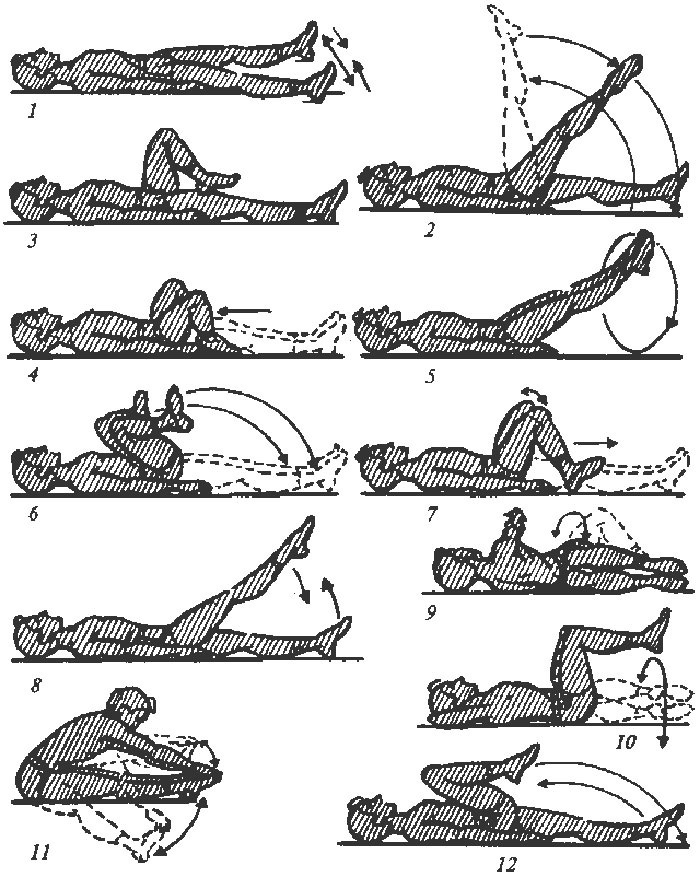
The implementation of a number of special exercises aimed at strengthening the muscles of the abdominal cavity, will lead to improved intestinal motility.
Children with weakened peristalsis are recommended to conduct a course of therapeutic massage of the abdomen.
If nevertheless intestinal atony continues to bother, then it is worthwhile to seek advice from a competent specialist.
The doctor will identify the true causes of the disease and tell you how to treat constipation correctly and effectively.
To diagnose, in addition to general examination and questioning of the patient, the doctor will prescribe an X-ray and a colonoscopy. It is these studies that show the presence of fecal masses, adhesions and tumors in the intestine.
Treatment of atopic constipation implies an integrated approach: diet, drug therapy and motor activity.
Nutrition during constipation excludes the use of eggs, coffee, sweet, canned food, spicy and fatty foods.
It is recommended to take dairy products and bran, which improve the intestinal motility.
Normalization of the diet is the main treatment for constipation. However, in the absence of improvement in the condition, one must resort to medical therapy.
The basis of this therapy is prokinetics. Prokinetics are drugs that stimulate the motility of the gastrointestinal tract. These include "Ganaton", "Domperidon", "Motilium."
If prokinetic therapy does not work, then laxatives are prescribed.
Medicines based on lactulose( for example, "Dufalac") are considered the most safe and not addictive. Relaxing glycerin suppositories can be prescribed in the absence of hemorrhoids and anal fissures.

Reduction of painful sensations gives reception "No-shpy", "Papaverina", "Spazmaline".The introduction of spasmolytic drugs in the protocol of treatment is possible only in case of pain symptoms during bowel movement.
Although staging enemas with atonic constipation is undesirable, it is sometimes a forced measure.
In this case, the doctor prescribes cleansing( based on decoctions of chamomile or calendula), oily or salt enemas.
However, with inflammatory processes in the colon or intestinal obstruction such enemas are prohibited.
For the treatment of atonic constipation, plant preparations( senna, aloe, buckthorn) and oils( almond, olive) are prescribed. The patient can also try phytotherapy.
Traditional medicine is rich in prescription drugs for constipation, but it is advisable to consult with your doctor before taking such medications.
Among well-proven folk medicines - decoction of prunes, ashberry syrup, flax seeds and boiled beets.
Of course, such drugs should not form the basis of treatment for atonic constipation, but they can become one of the means of restoring the intestine.

Invalid or untimely treatment of atonic constipation is fraught with its transition to a chronic form.
Do not neglect your health and be afraid to seek medical help.
In the article you learned about the symptoms and treatment of atonic constipation, which means you can take timely measures to eliminate this phenomenon.