Constipation in a newborn with artificial feeding
Constipation in infants with artificial feeding is a common occurrence. Every fifth baby "artificial" suffers from this problem. Often parents panic in vain, make the wrong diagnosis on their own. The stool of a newborn is different from that of an adult and has a number of characteristics.
Content
- 1 Features of the chair of a newborn
- 2 Constipation symptoms
-
3 Causes of constipation
- 3.1 Incorrectly selected food
- 3.2 Diet changes
- 3.3 Drinking regimen
- 3.4 Dysbacteriosis
-
4 Methods and remedies for constipation
- 4.1 Independent safe actions
- 4.2 Laxative medications
- 4.3 Glycerin suppositories and microclysters
- 4.4 Folk remedies
- 4.5 Special mixtures for constipation
- 5 Prevention of constipation
Features of the chair of a newborn
The intestines of a child in the first months do not always do their job well. It takes time for him to adapt to new conditions. Color, consistency, smell, frequency of emptying often raise doubts of parents.
Pediatricians say that a formula that is suitable for a baby is well absorbed, leaving a minimum of waste in the form of feces. The bowel cleansing process changes with the age of the child.

Features of the chair in the first month of life. The first stool in newborns is dark, odorless, jelly-like, called meconium. This is how the contents of the amniotic fluid come out, which the baby swallowed in utero. A month-old child has frequent bowel movements, up to 10 times a day. The "artificial", in contrast to the "breast" baby, has a denser feces with a pungent odor.
Features of the chair from the second month. As the child grows, poop less often. In a two-month-old baby "artificial", the process of emptying occurs up to 3 times a day. With an increase in the volume of incoming food, the weight of the feces increases, the consistency changes into a thick gruel.
"Artificial" and "infant" child are already an individual. For one, the norm is to poop once every three hours, for the other once every three days. The stool should be regular, without pain.
Constipation symptoms
It is a mistake to call every fecal retention in the body constipation. There are several signs that will help you recognize this unpleasant phenomenon:
- Sparse stools (if the child feels well, no stool is allowed for up to 5 days).
- Hard, dark-colored stool. Provokes the formation of cracks in the anus.
- Bloating.
- Bad sleep.
- Vomit.
- Poor appetite.
- Lack of gases, gases with a rotten smell.
Causes of constipation
Artificial nutrition, in contrast to breast milk, has a higher amount of fatty acids and various additives. It is difficult for a newborn's undeveloped intestines to cope with them. Therefore, bottle-fed babies are more prone to constipation. Sometimes the cause of constipation is not related to the baby's diet. Consider the possible factors that trigger fecal retention.
Incorrectly selected food
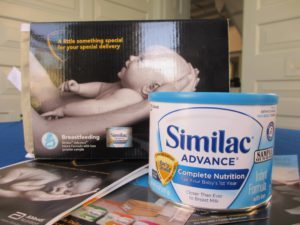
The health and development of the child's body depends on the mixture that the baby uses. You cannot save on baby food; a good formula cannot be cheap. Buy this product only at pharmacies or specialty stores for children. When choosing, be guided by the age of the child, carefully study the packaging. Below is the main classification of mixtures:
- Highly adaptable mixtures - the composition is most similar to breast milk, it consists of whey and a number of bioactive substances. Suitable for newborns.
- Mixes of small adaptation - the composition has increased the protein content, which is characteristic of cow's milk.
- Partial adaptation mixtures - do not have biologically active additives. Suitable for older children.
- Fermented milk mixtures - bacterial enzymes are added to the composition. They are used in addition to the main food.
- Mixtures for special purposes - therapeutic and prophylactic, can be used from birth. Prescribed by doctors for children with digestive problems, lactase deficiency, anemia, allergies.
Diet changes
When changing the formula, the baby's stool usually changes. Color, odor, consistency may change, and stool retention may occur. Constipation that occurs when switching to a new diet is false. After adaptation of the organism, it passes. It is necessary to transfer to a new mixture of newborns gradually, over the course of a week, adding in small portions to the usual feeding of the baby. The mixture should be changed when absolutely necessary!
Drinking regimen
Pediatricians recommend after the mixture to offer the baby clean water, "raisin water", a decoction of prunes. Dense stool indicates a lack of fluid in the body. The amount of water you drink per day should be 30 g. for one kg. weight.
Dysbacteriosis
Constipation in a newborn can occur with dysbiosis. Up to 95% of children under one year old face this imbalance in healthy intestinal microflora. Many doctors do not consider dysbiosis to be a disease. The body gradually adjusts its work in its microflora on its own. Some pediatricians prescribe prebiotic and probiotic treatments.
Methods and remedies for constipation
In most cases, infants with constipation do not need treatment. It is recommended to keep the situation under control, to closely monitor the child's well-being.
Many parents begin to panic, quickly change one mixture to another, test folk, grandmother's remedies on the child. Such actions can worsen the condition of the child. Knowing the methods and means of treating constipation, the problem can be safely solved.
Independent safe actions
The parent can help the baby cope with the illness. The main thing is not to worry, the excitement will pass on to the child, provoke screams and tears. Confidently and carefully, you need to do the following:
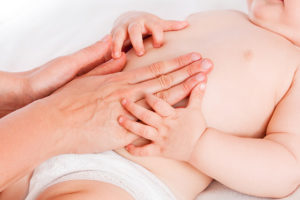
- Tummy massage. Without touching the navel, place the thumb of the right hand below the navel, the rest of the fingers should be gently rotated clockwise. You can't put pressure on your stomach. Massage with a warm hand.
- Planting over a container. 10 minutes after feeding, press the baby's knees to the tummy, and thus drop it over the container. Staying in this position promotes the work of the intestinal tract. The procedure is performed daily, preferably at the same time.
- Exercises with legs. Put the baby on his back, in turn, bend and unbend the legs at the knees, gently pressing the thigh to the tummy. Repeat 5-10 times. Then do this exercise, bending two legs at the same time.
- Laying out on the tummy. Turn the baby over on his stomach (preferably on a hard surface), stroke the back with light pressure.
Laxative medications
The most common laxative for constipation is lactulose syrup. It is sold in pharmacies under different commercial names (Duphalac, Normase, Goodluck). It is considered a harmless substance, not addictive. The doctor should prescribe the dosage.
Glycerin suppositories and microclysters
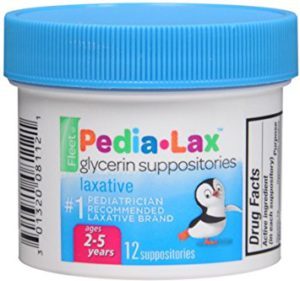
Glycerin candles used as a last resort, can cause itching and irritation of the baby's skin. Use no more than one candle a day. The effect is achieved within an hour.
A safe modern way to combat constipation is the Mikrolax small enemas. The prepared solution is injected into the anus to the depth of half of the tip (indicated by a special mark), within 10-15 minutes the problem of constipation will be eliminated. The solution acts only on dense feces, does not affect the organs of the digestive system, unlike other drug treatments for constipation.
Folk remedies
Some people consider the medical approach unsafe and use "grandma's recipes." Many methods have been tried for centuries and give positive results.
The main condition when using folk remedies is not to go to extremes, to think about the safety of the baby.
Consider the popular methods of traditional medicine:
- Dill water. Newborn dill water should be given before and after each feeding in the amount of two teaspoons. The recipe is quite simple: one teaspoon of dill seeds is poured with a glass of water, boil over low heat for three minutes, let it brew. Then strain.
- Honey. It is considered a natural mild laxative. Dip the pacifier in honey and give to the baby. In addition to the laxative effect, it promotes sound, healthy sleep in the baby. Honey is a strong allergen, use with caution.
- Irritation of the anus. Gently insert a cotton swab lubricated with glycerin into the baby's anus, then twist. Instead of a stick, a gas outlet tube will do. Sometimes a thin bar of soap is used, but recent research shows that it is harmful to your baby's health. Pediatricians do not recommend this method.
Special mixtures for constipation
The special blends contain prebiotics and probiotics and are low in protein. This promotes more active digestion and faster elimination of food from the body. Some formulas contain lactulose. It has a laxative effect and multiplies bifidobacteria, which lead to the natural improvement of intestinal motility.
Fermented milk mixtures are added to the main diet. The mixtures populate the intestinal microflora with live bacteria, adjusting its work.
Prevention of constipation
To avoid constipation in a bottle-fed newborn, follow the rules recommended by doctors:
- Choose your mixture carefully.
- Try to stick to one mixture, not switch to new ones.
- Observe the drinking regime.
- Do the recommended physical exercises for your child regularly.
- Spread on the tummy.
If, following these rules, the parents are still faced with the problem of constipation, then first of all contact your doctor who will offer competent treatment.