Diet for constipation in the elderly: menus and nutritional rules
According to medical statistics, older people suffer from constipation twice as much as other age groups. The cause or reasons leading to constipation is different, but everyone should stick to a diet for treatment.
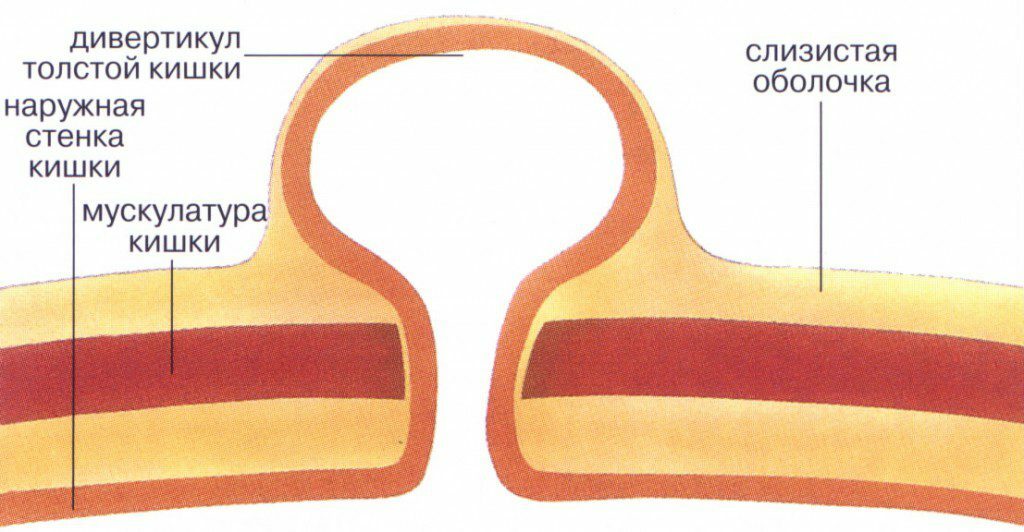
It is important to know that constipation does not appear on its own. It is a signal of serious diseases of the digestive system. The main factors of intestinal dysfunction: hemorrhoids, diabetes mellitus, atherosclerosis, pathology Gastrointestinal tract, stress, unhealthy diet, sedentary lifestyle, the presence of tumors in the straight or thick intestine.
There are two types of lack of emptying: acute and chronic. With the first ailment, there is a sharp delay in defecation as a rare case. This can be associated with a rapid change in diet, diet, abnormal development of the intestine, a violation. At the second chronic constipation the problem lasts a long time, accompanied by poisoning of the body with accumulated feces.
Content
-
1 Features of the treatment of constipation in the elderly
- 1.1 Features of the laxative
- 2 Gut Wall Irritants, Fillers & Probiotics
- 3 Laxative suppositories for constipation
-
4 Proper nutrition for stool disorders
- 4.1 Allowed Products
- 4.2 Prohibited foods
-
5 Diet rules
- 5.1 Rule 1
- 5.2 Rule 2
- 5.3 Rule 3
- 5.4 Rule 4
- 6 Seniors menu
Features of the treatment of constipation in the elderly
Elderly people are more likely than others to have disorders in the work of the gastrointestinal tract. It is necessary to carry out treatment gradually. To prevent stagnation in the rectum, it is necessary to take daily vegetables, fruits, herbs, oil, seeds, cereals and grain bread. The diet of every elderly person should contain foods containing dietary fiber, which helps the body in the self-cleaning process. It is necessary to remove foods that cause constipation from the menu.
Drug treatment is used only when the diet has not helped to cope with the violation of natural emptying.
The pharmaceutical industry produces laxative drugs in various forms: powders, suppositories, tablets, drops. The proctologist prescribes drugs.
Features of the laxative
Medicines designed to help with constipation are divided into 4 types of effects on the intestines. The first type of medicines for constipation - osmolytics, being inside the rectum, help to soften hard feces. They do not harm humans, do not remain in the body, but are excreted along with feces within 6 hours.
Phytomucil - goes as an additive to food, consisting of: plantain seeds (husk) and homemade plum. When taking the drug, rectal motility returns to normal. The husk of psyllium seeds contains hydrophilic fibers that retain moisture inside the intestine, increase its volume, loosen the contents and promote the natural excretion of feces. Homemade plum fruits, containing phytoncides and enzymes in large quantities, have a mild laxative. It is a natural preparation that does not irritate the gastrointestinal tract and is not addictive. Disinfects, improves food digestion and rectal motor function.
Gut Wall Irritants, Fillers & Probiotics
Medicines act on the nerve receptors in the intestine and make it move, thereby moving the stool to the anal outlet. These properties are possessed by: sodium picosulfate and the leaf of the senna of Alexandria.
Today, teas are produced containing senna extract. They must be taken in limited quantities, an overdose threatens with a violation of the water-electrolyte balance. Instead of constipation, you can get diarrhea and abdominal pain. The glycoside contained in the herb causes such unpleasant sensations and consequences. Many elderly people are forced to abandon this drug and switch to synthetic drugs due to senna intolerance.

As an alternative substitute for herbs on the shelves of pharmacies, there are medicines containing sodium picosulfate: guttalax, verilax, picocox, laxidogol, evacuol, etc. Such means are used as first aid in the absence of bowel movements. With longer use, the normal rhythm of food digestion is disrupted, there is heaviness in the abdomen, pain.
Existing fillers - increase the volume of the contents of the rectum due to the fluid drawn in from the outside. The funds remain inside the organ for a long time and help the bowel movement process. Possess the following properties: microcrystalline cellulose, bran, flaxseed, agar-agar.
Microcrystalline cellulose is undesirable for people of age suffering from hemorrhoids, there is a risk of exacerbation.
Preparations containing live microcultures are called probiotics. They normalize digestion. Linex - contains bacteria that help older people cope with dysbiosis and normalize the process of emptying. Dysbacteriosis develops after antibiotic treatment, causes bloating, increased gas production, and skin rashes. The course of treatment with probiotics is 10 days.
Laxative suppositories for constipation
Older people are encouraged to treat constipation with suppositories. The medicine is used after breakfast (after 20 minutes). Suppositories contain glycerin, which, getting inside the intestine, irritates its mucous membrane and stimulates the motor function of the organ. The use of this product should not be permanent, allergic reactions may appear.
It is prohibited to use glycerin-based drugs for hemorrhoids, colitis, fissures in the anal canal, and cancer.

Bisacodyl is a suppository laxative. It is used in combination with other drugs. Does not help with chronic disorders of the gastrointestinal tract.
Candles with the effect of gassing are sold on the shelves of pharmacies. When injected into the rectum, they cause the formation of carbon dioxide, which irritates the walls of the organ and forces the feces to move towards the exit.
Proper nutrition for stool disorders
The menu of an elderly person suffering from constipation does not require special financial investments. The main thing is to have on your table a product that contributes to the normal functioning of the gastrointestinal tract and natural emptying.
Allowed Products
Products that are allowed for consumption during the period of defecation disorders:
- Cereals. The use of oatmeal, buckwheat, wheat porridge will help to normalize the rectum.
- Dairy products. Kefir, curdled milk, natural yoghurts contain bacteria that have a positive effect on the microflora of the digestive system.
- Lean poultry and fish.
- Vegetables. Zucchini, carrots, beets, pumpkin, cucumbers.
- Fruits. Bananas, apricots, peaches, plums, apples contain natural dietary fiber and fiber that contribute to normal peristalsis.
- Dried fruits. Raisins, dried apricots, prunes. Since ancient times, they have been famous for their laxative properties.
- Sweets. Fruit jelly, candy, fruit jelly.

Food should be eaten steamed, without added fat. Reduce the use of butter, sour cream. Use the oven to cook the meat and bake it in one piece. Cooked porridge should be crumbly. A salad consisting of bran and fermented milk products will also contribute to the normal functioning of the whole body.
Prohibited foods
Elderly people suffering from obstipation should not eat foods that cause gas. Such symptoms are caused by foods containing coarse fiber. During the treatment period, the consumption of legumes, sorrel and cabbage, apple and grape juice is reduced.
The following are subject to exclusion from the diet:
- yeast dough products, white bread, pasta;
- smoked meats;
- chocolate;
- blueberry;
- cowberry;
- peas, beans, mashed potatoes;
- jelly, porridge with a viscous consistency;
- tea, coffee, cocoa.
Bananas deserve special attention. An important point: with constipation, unripe foods should not be consumed, the tannins they contain will worsen the patient's condition. Ripe fruits can be eaten. They have the opposite effect on the body and contribute to its normal functioning.
Treatment of constipation with diet is a long process, but the effect of treatment is longer and occurs naturally.
Diet rules
The proper result when on a dietary diet will come in a few days, but for older people it is better to stick to the diet further in order to consolidate success and not repeat unpleasant symptoms. The main thing is to follow the rules.
Rule 1
Eating fresh vegetables and fruits every day will help the intestines to find the necessary dietary fiber and vitamins. Not only helps the body to cope with constipation, but also improves the immune system. If necessary, vegetables and fruits can be grated or finely chopped.
Rule 2
The correct meal is broken down into several approaches. Eat at least four times. Do not transfer. Nutrition should be at a certain time, then the body turns on the regulating internal mechanisms, and the process of defecation is normalized.
Rule 3
Compliance with the drinking regime. 1.5-2 liters of clean still water per day. As a reminder, you can draw a bottle and hold it near you and drink one at a time - two sips.
Rule 4
The diet should not contain the same foods. Variety in the menu will allow you to quickly get rid of constipation, stimulate appetite and interest in preparing new dishes.
Folk recipes:
- Dried fruits. Prunes, dried apricots, raisins, other dried fruits. They have a mild laxative effect. For consumption they are washed and crushed, senna and honey are added. Stir until smooth, in a jar and in a refrigerator. Grated walnuts are added for taste. A tablespoon of this mixture in the morning or evening will ensure that the digestive tract is working quickly. Raisins are taken in the form of a decoction. Pour boiling water over five tablespoons of raisins overnight. Drink one or two glasses during the day.
- Linseed oil. It is an excellent remedy for treating rectal congestion in the elderly. The presence of an unpleasant taste and aftertaste discourages the desire to take such a medicine. A cocktail of yogurt and flaxseed oil helps to avoid this. The taste is pleasant and the smell is not felt. Take in the morning and evening.
Seniors menu
An approximate set of dishes for those suffering from ailments:
- Breakfast: porridge made from oatmeal, buckwheat, millet. Dilute with milk. If desired, add raisins or other dried fruits soaked in water beforehand. Wash down with herbal tea or compote cooked on dried fruits.
- Second breakfast: any permitted fermented milk product (kefir, yogurt). Sandwich: black or bran bread and low-fat cottage cheese.
- Lunch: Vegetable, fish or chicken soup. Black bread. For the second, stuffed cabbage or stewed cabbage. Tea with marmalade or compote.
- Afternoon snack: tea with soaked croutons. Mix of dried fruits, baked apples.
- Dinner: buckwheat porridge with oven-baked fish, or steamed cutlets. Stuffed cabbage. Vegetable salad or beetroot salad with vegetable oil.
Adhering to the menu and diet rules, this will improve the condition of the elderly, tone the body. They will be able to lead a fulfilling lifestyle and enjoy the coming day.