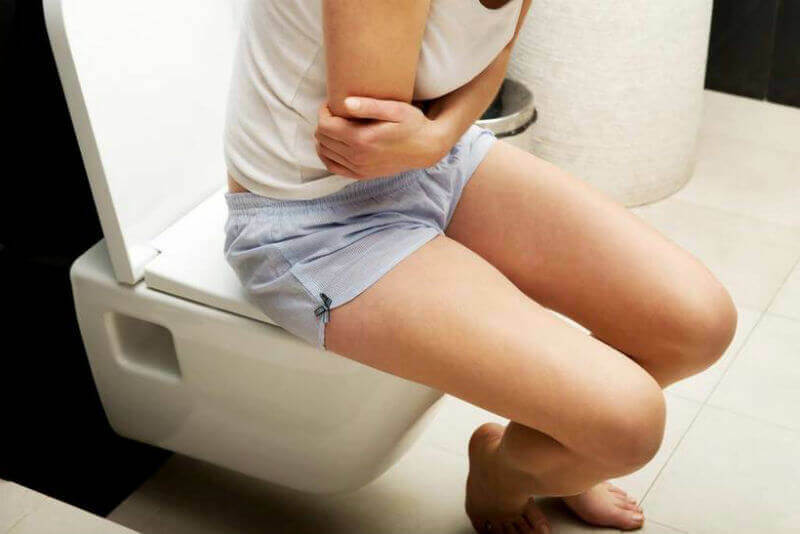
Is it possible for pregnant women to do an enema for constipation: recommendations in the early and late stages
Pregnancy is a tremulous state for a woman. Any expectant mother dreams of giving birth to a healthy strong baby and bearing the fetus easily and freely. But carrying is often complicated. Constipation is a common condition that can darken the gestation period. It seems that this is not a terrible condition that can be eliminated in many ways. But during gestation, the use of medications is prohibited. Will an enema help with constipation during pregnancy, and what possible contraindications are discussed in the article.
The manifestation of constipation is a common nuisance in any trimester of gestation. The first step is to establish the cause of the occurrence before eliminating it.
Causes of constipation during pregnancy:
- Change in hormonal levels. Due to an increase in the hormone progesterone, a malfunction of the intestine and its motor function is possible. As a result, a difficult act of defecation develops.
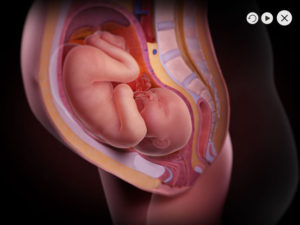
- Enlargement of the uterus. It increases tenfold during pregnancy. The growing fetus and the walls squeeze the intestines, which affects peristalsis.
- Improper nutrition. Often, due to toxicosis in the early stages, a woman is unable to eat normally. Sometimes food comes back out due to bouts of nausea and vomiting. Such situations affect the functioning of the digestive system, which leads to constipation. It is advisable to eat during this period in small portions and often. The transition to fractional nutrition will allow you to maintain the correct functioning of the digestive system and the supply of essential nutrients to the body.
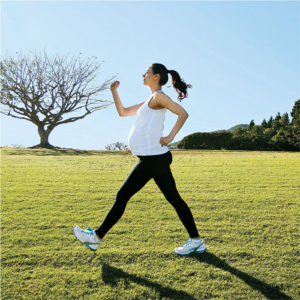
- A drastic change in lifestyle. Often, having learned about the "interesting situation", the expectant mother begins to protect herself from unnecessary activity and physical exertion. Due to a sharp decrease in physical activity and movement, the digestive organs malfunction.
- Lack of vitamins and minerals. Often in the first trimester, there is a lack of iron or calcium, which is expressed by complicated bowel movements. Shown to drink a complex of vitamins.
- Stressful states. During the period of bearing a child, the psyche is extremely unbalanced. Due to a sharp change in hormonal levels, mood swings and the frequent predominance of stressful emotions are possible. This is reflected in the difficulty of defecation, as a result - there is a violation of the stool.
- Increased need for fluid. While waiting, every expectant mother should monitor the diet. Her health and the condition of the unborn child depend on the correct regimen. If the body lacks fluid, you need to drink more clean drinking water. At least 1.5-2 liters per day.
There are many known ways to eliminate an unpleasant situation. Suppositories and medications are often prescribed. Enema is an effective way to combat stool disorder, but pregnancy factor complicates its use. In this case, the method reveals several contraindications and is used only as a last resort with the permission of the gynecologist.
Content
-
1 Indications for use
- 1.1 First trimester use
- 1.2 Application in the second, third trimester
- 2 Features of use during pregnancy
- 3 When use is prohibited
Indications for use
An enema for pregnant women with constipation is used only if other methods are ineffective. If neither dietary change nor drinking regimen helps, after consulting a gynecologist, it is possible to apply artificial cleansing once a week as the only means of relief.
Main indications:
- Chronic constipation and hemorrhoids.
- Lack of effect from the use of alternative methods.
With the help of artificial emptying, it is possible to get rid of constipation in the intestines. The woman feels relief, abdominal pain is eliminated. But there are contraindications. It depends on the duration of pregnancy and the characteristics of its course for each woman individually.
First trimester use
Gynecologists say that using this method in the first trimester is safer than in the third. This is due to the small size of the uterus, on which the impact will be minimal. But you need to take into account a number of points in which the application is impossible:
- Threat of spontaneous abortion due to increased uterine tone.
- The presence of bloody discharge from the genital tract of a woman.
- Pain in the lower abdomen of a pulling character.
If there is even one item, it is extremely dangerous to use an artificial method of bowel movement. Due to the pressure of the intestines on the uterus, even if not yet enlarged, there is a risk of miscarriage.
Application in the second, third trimester
In the second and third trimester, the fetus is already firmly attached to the wall of the uterus. But the use of an enema in late pregnancy is not recommended, as it can lead to the onset of labor. The fact is that the uterus is enlarged at a later date. When using an enema, the intestines directly affect the walls of the uterus and cause contractions. A similar condition can provoke the onset of premature birth.
From about 36 weeks of gestation, an enema is considered a relatively safe procedure, since the fetus is already mature enough in the womb and is capable of independent survival outside the mother's body.
To eliminate constipation in pregnant women, it is safer to revise the diet. The diet of the expectant mother should be dominated by vegetables and cereals with a high content of fiber and coarse fiber, it will be necessary to ensure sufficient abundant drinking and frequent walking.
If these methods do not bring an effect, when a pregnant woman cannot go to the toilet on her own for a very long time, an enema is used, but in a hospital setting and under the supervision of the attending physician.
Features of use during pregnancy
An enema is prescribed during pregnancy if less dangerous options are ineffective. If a woman experiences chronic difficulties with bowel movements, and this method remains the only option for relief, use is allowed - subject to the rules.
How to put it correctly:
- Gynecologist's consultation. The basic rule when using this method is the permission of the observing doctor. Use is possible only if there are no threats to the health of the mother and child. You can not resort to using it yourself, the result can be disastrous.
- Use no more than 2-3 times a week. With more frequent use, intestinal disruptions are possible. There are situations when the intestine loses its ability for independent peristalsis due to the frequent use of aids.
- It is advisable to carry out the procedure in the morning. The fact is that the intestines begin to work some time after the introduction of fluid. It is better to carry out the procedure after waking up, before breakfast, when food has not yet entered the body, to reduce unnecessary stress.
- The enema will be based on clean water at room temperature, without the addition of oils, stimulating drugs.
- The use of probiotics. When using stimulation of defecation, not only feces are removed from the intestines, but also useful microflora. To replenish, it is necessary to take drugs that restore the intestinal microflora.
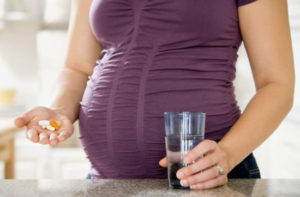
- Forbidden give an enema, if a woman has already lost a child in the early stages of pregnancy, has difficulties with bearing, or has a history of uterine hypertonicity.
Compliance with the rules for the use of enemas at any time is mandatory. Refusal of conditions can lead to miscarriages and a threat to the health of the mother and the unborn child!
When use is prohibited
Sometimes the mother's health condition does not allow the use of an enema. It is prohibited to use artificial stimulation of bowel movement if the following factors are present:
- Haemorrhoids.
- Inflammatory processes in the intestines.
- Cramping pain in the abdomen, if the cause of their appearance is unknown.
- A pregnant woman suffers from high blood pressure.
- The woman has suffered a heart attack or stroke.
Constipation during pregnancy is an extremely unpleasant condition that worsens a woman's quality of life and darkens the period of bearing a child. Enema is a quick way to eliminate constipation, but it has a number of contraindications and can be dangerous. At any stage of pregnancy, its use is possible in an exceptional case, with the ineffectiveness of other possible methods and only with the permission of a gynecologist or in a hospital setting.
Respect for health, proper nutrition, adherence to the drinking regime and daily routine will help it is easier to endure the side moments of an interesting situation, to carry a healthy child and maintain health mother.