What to do with constipation after cesarean section?
According to medical statistics, about 80% of women face such a nuisance as constipation after cesarean section.
What to do in this case and how to behave, because the newly mum is already weakened by birth, and then she also has constipation.
In addition, stasis can lead to general intoxication and poisoning of the body, which is extremely undesirable for a young mother.
Constipation symptoms and approximate female ration after cesarean section
Table of contents:
- Constipation symptoms and approximate female ration after cesarean section
- Medications for getting rid of constipation after surgery
- Folk remedies for constipation treatment
Babies are diagnosed with constipation if the following symptoms are present:
- absenceStools more than 2 days;
- marked soreness in the act of defecation;
- pain in the lower abdomen;
- nausea, belching, lack of appetite;
- cracks in the anus, bleeding when trying to stool.
All these symptoms indicate the presence of such a problem.
Constipation is divided into two types:
- atonic constipation, which is associated with weak motor activity of the intestinal muscles;
- spastic constipation that occurs if the intestinal peristalsis is normal, and the rectum is vice versa.
Constipation that occurs in women after caesarean section is atonic.
The incision of the abdominal cavity leads to a worsening of blood circulation in the nerve endings, they react weakly to stimuli, so the intestinal peristalsis decreases, solid fecal matter accumulates in the rectum.

The antibiotics used in cesarean section and in the postpartum period aggravate the general condition of the intestines of the parturient woman and lead to constipation.
The problem of constipation after caesarean section is very serious. The woman begins to strain strongly with the act of defecation, which can lead to a divergence of postoperative sutures on the abdominal cavity and in the perineum.
Constant abdominal pain, a general feeling of discomfort in the pelvic area may even stop lactation.
In the case of diagnosing constipation after cesarean section, what to do, many do not know at all.
In order to get rid of this phenomenon, there are many ways. One of them is the normalization of the young mother's diet.
At the same time, the following recommendations should be followed:
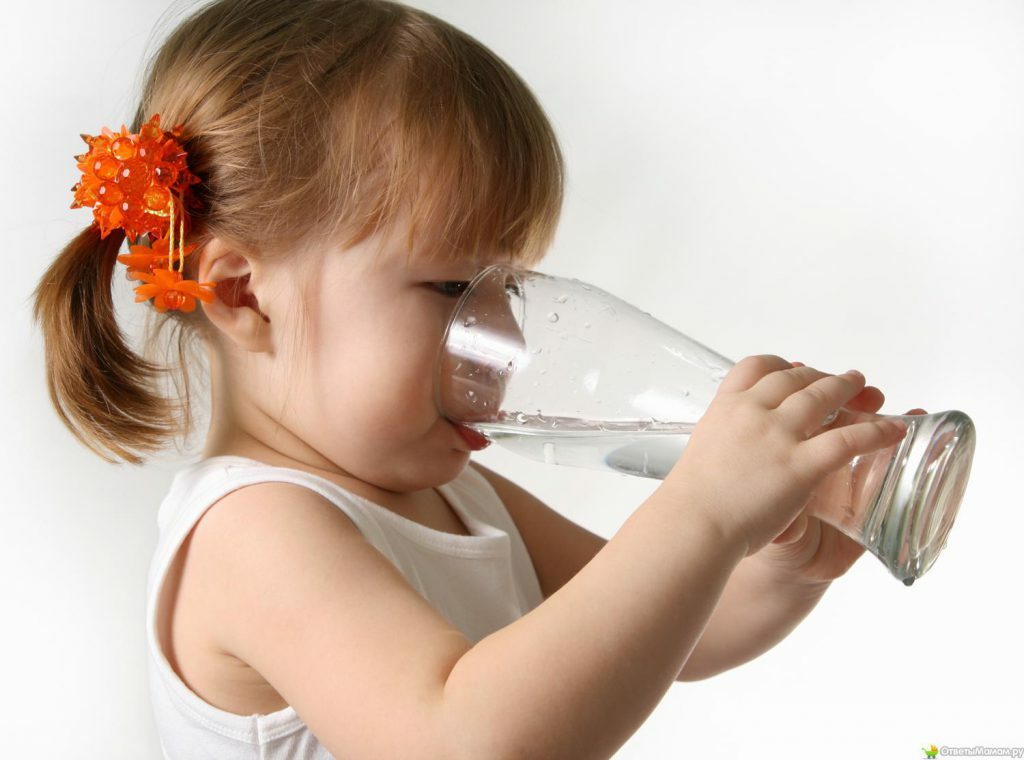
- is prohibited on the first day after giving birth, but drinking plenty is recommended - it helps soften fecal masses in the intestine and improve its motor activity;
- on the 2nd day, the woman giving birth can take dairy products of low fat content or drink broth, which must be brewed from lean meat "on the third water."The liquid, as before, must be drunk in large quantities;
- on the 3rd day in the diet can enter solid food in small quantities - baked apple, a little porridge welded on the water, a small piece of solid low-fat cheese. There is little need to 5-6 times a day, drinking a lot of still water or infusion of dogrose.
Compliance with these recommendations will result in a mild elimination of constipation on day 3-4 after caesarean section.
Medications for getting rid of constipation after surgery
There are situations when, despite the observance of dietary recommendations, constipation after a while comes back and becomes chronic.
In this case, a woman can be helped by special gymnastics:
- needs to take the position lying on her right side;
- pressing to belly left leg;
- hold in this position for about 5 minutes.
This exercise stimulates the release of gases and improves the motor activity of the intestine.
If the above measures do not help, then the problem of constipation after childbirth can be eliminated using medicines.
However, we must not forget that the regular use of laxative drugs is addictive to them and can "disaccustom" the intestines from independent motor activity.
Video:
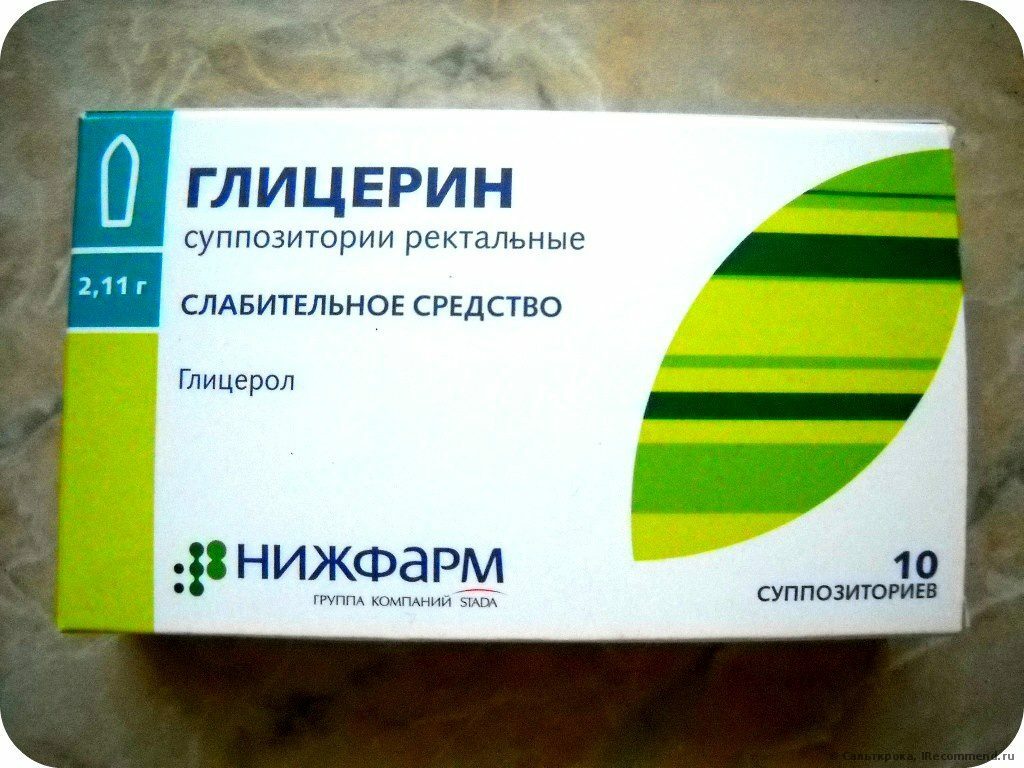
In addition, in the lactation period, not all medicines can be used. Authorized for use in breastfeeding conditions are drugs such as Fortrans, Dufalac, the enema Microlax, various glycerin suppositories.
If there is no bowel movement by the third day after caesarean section, these drugs are used as follows:
- "Microlax" quickly dilutes stool and causes urge to defecate after 10 minutes after application. Produced in a convenient package, so that the mother can put the enema herself;
- glycerin suppositories are used in case of an emergency situation if a woman has not had a chair for more than three days. They act on the lower parts of the large intestine, without affecting the composition of breast milk. The effect from them is immediate, which leads to a quick relief of the general condition;
- "Dufalac" in tablets or syrup, the main ingredient of which is lactulose, is a laxative on a natural basis, which is allowed to be used by nursing women. When using it, you must carefully follow the instructions for use, do not stop taking after the first defecation, otherwise the problem of constipation will return literally the next day;
- preparation "Fortrans" is a packet with a dry mixture. It is a very strong laxative, due to the effective dilution of the contents of the intestine. The mixture from the sachet is diluted in 1 liter of water and the resulting liquid must be drunk during the day.
In case the born child is on artificial feeding, his mother with constipation can take such drugs as "Regulax", "Gutalax".
In addition, irrespective of the type of feeding, the woman with constipation is allowed to use anal "Ferrolax" candles, during which the amount of carbon dioxide in the intestine increases, the peristalsis improves.
Rectal suppositories are recommended no more than once a day, because their overdose can lead to a loose stool, and diarrhea in a woman who has undergone a cesarean section is just as undesirable as constipation.
Folk remedies for the treatment of constipation
If a young mother is afraid to use medications for the treatment of constipation immediately after surgery, then for this case there are folk remedies in combating this problem, safe for both the mother and the baby.
- decoction of figs.2 tablespoons finely chopped fresh fig fruits mixed in a glass with warm water or milk, insist for 20 minutes. Take 1 tbsp. L.4-5 times a day;
- herbal infusion. It is necessary to take 1 tbsp. L.Blends of valerian root, anise, nettle, mint leaves, strawberry and chamomile flowers. Herbs are taken in the same proportions. Next, you need to pour the herbal mixture with boiling water, put in a thermos and insist for about 2 hours. Drink 100 g of infusion 2 times a day;
- a decoction of seeds. Seeds of fennel, anise and cumin are taken in the same amount and poured 200 g of boiling water, and then insisted in a thermos for 2 hours. Infusion is used for 1 day in 2-3 divided doses.
If there is no time and energy to prepare these infusions and broths, then to get rid of constipation will help enema with warm water and a drop of vegetable oil.
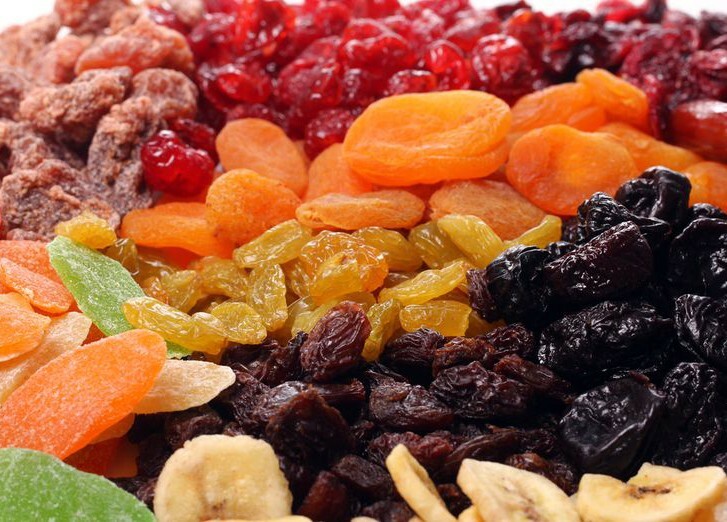
A handful of prune fruits, grated beetroot or crushed nuts, with yogurt eaten on an empty stomach, will ease the overall condition of the nursing mother.

After cesarean section, women often brush off problems with constipation, ignoring them.
However, excruciating with defecation should not poison the joy of motherhood, and if constipation is observed for a long time, they are joined by hemorrhoidal problems and cracks in the anal passage, then the woman should immediately see a doctor.
Constipation may be due not only to physiological causes associated with caesarean section, but also to be the result of an infection that is easily picked up by the weakened body after anesthesia.