Products for constipation during pregnancy
Pregnant women are the most vulnerable category of patients, included in the risk group for almost all pathologies of internal organs and infectious diseases. Even completely healthy women, while carrying a child, face unpleasant symptoms and health problems. They may experience nausea, heartburn, and other digestive upsets. Almost half of women during pregnancy first experience edema and increased blood pressure, many have diuresis disorder. But constipation is traditionally considered the most common pathology of pregnant women.
Constipation in pregnant women occurs for two reasons. The first is an anatomical feature associated with the location of the uterus. One of the main organs of the reproductive system is located between the intestines and the bladder, and as the uterus and the fetus, the initial sections of the intestine are squeezed, provoking difficulties with the passage of feces in a straight line intestine. The second reason is a change in the hormonal background of a woman, under the influence of which all the basic functions of the body slow down, including the digestion of food and its evacuation from the body. To prevent constipation, doctors recommend moving a lot, drinking enough fluids, and including foods that improve digestion in the diet. They will be discussed below.

Products for constipation during pregnancy
Content
- 1 Why does constipation occur?
- 2 How pathology manifests itself: symptoms and varieties
-
3 What to eat: What foods can help prevent constipation?
- 3.1 Sources of vegetable fiber
- 3.2 Soups and first courses
- 3.3 Fermented milk products and milk-based products
- 4 What can you drink to prevent constipation?
-
5 Sample menu for pregnant women with constipation
- 5.1 Video - Harmful products during pregnancy
Why does constipation occur?
In addition to physiological factors, other reasons associated with a woman's lifestyle during pregnancy can also make it difficult to defecate. The main one is improper and unbalanced nutrition. Experts believe that about 70: women do not eat properly while carrying a child, and this concept includes not only the chemical composition of food, but also its quantity. Toxicosis, which appears in many pregnant women in the first trimester, is accompanied by unpleasant symptoms, almost all of which are associated with the work of the digestive tract. It can be heartburn, nausea, vomiting, pain in the abdominal space and epigastrium, lack of appetite.
A decrease in appetite, as well as hormonal changes in the body of the expectant mother, leads to a change in dietary habits and a decrease in the amount of food eaten per day. Restriction in food leads to a decrease in intestinal volume and a gradual atony of the muscles of the intestinal walls: such symptoms are called lazy bowel syndrome and are easily eliminated by correcting food diet. Sweet (refined) foods, the volume fraction of which in the diet increases by about a third, since it is sweet that best helps to cope with toxicosis.

Causes of constipation in pregnant women
Other causes of constipation in pregnant women include:
- hardening of feces as a result of insufficient drinking regime;
- insufficient physical activity;
- swelling (especially in the third trimester).
To prevent difficulties with defecation, a pregnant woman should move enough, walk a lot, perform special exercises for pregnant women (in the absence of the threat of interruption and other complications, as well as normal feeling). Drinking regime should also be plentiful: at least 1.8-2.3 liters of fluid per day.

Causes that contribute to constipation during pregnancy
Note! Recommendations for limiting drinking with edema syndrome, common in the Soviet obstetric and gynecological practice, considered outdated and not meeting physiological needs women. With severe edema, women are not recommended to limit fluid intake, but at the same time, salt intake should be minimized (up to 5 g per day). Vinegar, pickled vegetables, canned food should be completely excluded.
How pathology manifests itself: symptoms and varieties
The main manifestation of constipation of any type during pregnancy is weak defecation, which in most cases is accompanied by severe pain. When visiting a doctor, it is important for a woman to correctly describe the available signs so that the specialist can accurately determine the type and cause of constipation - this may determine the treatment and recommendations for the regimen and nutrition.

Classification of constipation during pregnancy
Types of pathology in pregnant women
| Name | Causes of occurrence | How does it manifest? |
|---|---|---|
| Atonic (from the term "atony" - muscle weakness) | Decrease in the tone of the intestinal walls and weakness of the intestinal muscles, which cause difficulty in the movement of the fecal lump. Atonic constipation often occurs with dehydration | Painful bowel movements, feces are dense, have a large volume and the shape of an elongated sausage. After having a bowel movement, the woman usually does not feel relief. The process of passing feces can be accompanied by intense pain and cuts. |
| Spastic (from the word "spasm") | Irregular, arbitrary contractions of the intestinal walls, which do not allow creating sufficient tension in all parts of the small and large intestines to ensure the necessary peristalsis | Has a short duration. The stool is dense, looks like small lumps of dark brown or black color. Before a bowel movement, a woman may experience cramping pains in the lower abdomen. Feces dry |

Clinical symptoms of constipation during pregnancy
Important! With spastic constipation, a woman is shown a constant sparing diet to reduce the load on the intestines and restore normal peristalsis. For atonic constipation, the use of laxative products may be recommended for a limited period of time (including fasting days in the second and third trimester).
What to eat: What foods can help prevent constipation?
A correctly compiled menu during pregnancy is a guarantee not only of normal bowel function, but also the prevention of possible complications and health problems for the mother and fetus. If a woman adheres to the rules of a healthy diet since the beginning of pregnancy, the likelihood of constipation and other digestive frustration will be minimal, since it is on the products that the pregnant woman uses that the work of the gastrointestinal path. Listed below are foods that can help normalize bowel movements and avoid constipation.

Principles for the prevention and treatment of constipation during pregnancy
Sources of vegetable fiber
Fiber - coarse plant fibers that are not digested by digestive enzymes, but are processed by the microflora. Fiber is called "intestinal brush", as it absorbs all allergens, toxins and other harmful substances and removes them from the body unchanged, restoring intestinal motility and cleansing the blood of toxic products. Vegetable fiber is found in all fruits and vegetables. Many fibers are found in berries, herbs and grains, so the daily inclusion of these products in the menu ensures the prevention of constipation and the normal functioning of the digestive tract.
It is better to choose seasonal fruits: apples, bananas, pears. For women prone to allergies, it is better to give preference to yellow and green varieties, since fruits with bright red color contain a large amount of coloring pigment that can provoke pathological reaction. You can eat any vegetables, but it is important to monitor the content of starchy vegetables in the general menu. Of the berries, the most useful are gooseberries, white and red currants, and cherries.

Typical symptoms of constipation during pregnancy
To maximize the benefits of fiber-rich foods, you must eat them correctly during pregnancy. To do this, follow the recommendations of the specialists listed below.
- High blood sugar (gestational diabetes) is one of the common problems in pregnant women, so fruits with a high content of fruit sugars (for example, grapes and persimmons) should not be consumed more often 1-2 times per week.
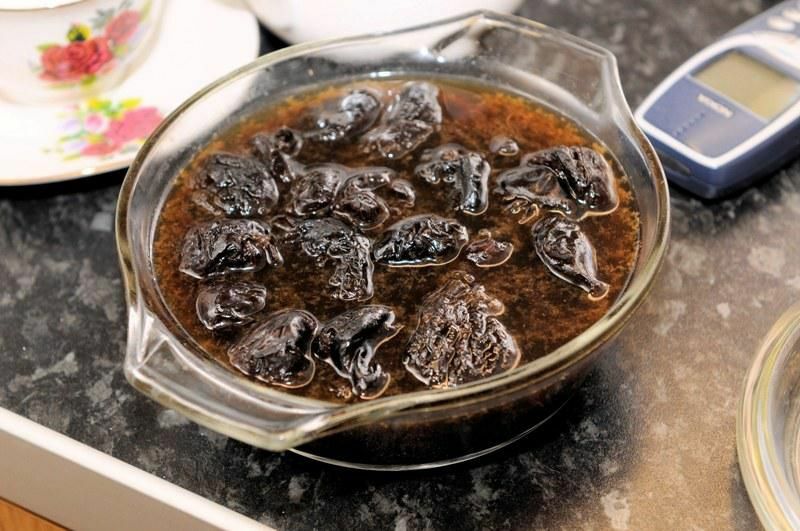
- The maximum portion of dried fruits should not exceed 5-6 pieces.
- Starchy vegetables (potatoes, beets) can negatively affect bowel function and cause bloating, so they should not be consumed more than 200 grams per day.

What foods should be included in the menu for constipation
Note! For women with colitis, gastritis, duodenitis and other diseases of the gastrointestinal tract, fruits are recommended to be eaten baked.
Soups and first courses
Nutritionists from different countries still cannot come to a consensus on whether soup should be considered an obligatory dish on the daily menu. Despite this, all doctors recommend including soup in the diet during pregnancy, as this dish allows you to provide additional intake of fluids and vegetables and avoid constipation caused by dehydration or insufficient intake of vegetable fiber.

Useful and harmful foods during pregnancy
Soups during pregnancy are best prepared with vegetables with a minimum of potatoes and pasta. It can be cabbage soup, borscht, vegetarian soup. Mashed soups such as pumpkin soup with cream or mashed cauliflower soup with grated unsalted cheese are especially helpful. Women who are accustomed to adding sour cream to the soup can not give up their habit, but it is important to strictly control the amount of the product and its fat content: sour cream should not have a fat content of more than 15%, and the daily amount of the consumed product should be no more than 1 tablespoon spoons. The recommended amount of soup for pregnant women is 280-300 ml per day. With frequent constipation, chopped fresh herbs and some rye croutons can be added to the dish.
Note! Some women, in an effort to limit their fat intake, refuse to add frying to their soup. This should not be done, since vitamins A and E contained in onions and carrots are absorbed almost completely only together with fats. Meat and fish broths must be diluted with boiled water in a 1: 1 ratio.

Diet advice during pregnancy
Fermented milk products and milk-based products
Pasteurized milk, low-fat cheese, cottage cheese, natural yogurt - all these products are necessary not only for the prevention of constipation, but also for ensuring a sufficient supply of calcium, which is necessary for the growth of the musculoskeletal corset of the fetus and the health of the bones and joints of the pregnant woman women. The choice of dairy products on store shelves is huge, therefore, when drawing up a menu, you should take into account the recommendations of doctors.
- Whole cow's milk can negatively affect intestinal motility, so during pregnancy it is better to replace it with goat or pasteurized milk with a fat content of 2.5% to 3.2%.
- The daily rate of cottage cheese during pregnancy is 100-150 g. It is better to fill it with acidophilus or yogurt.
- Only natural yoghurts should be purchased. Such a product should not contain colorants, flavors, preservatives or other chemical additives. The ideal composition of natural yoghurt: skim milk and sourdough.

Fastening and laxative products
Note! The shelf life of natural milk-based products is 3 to 7 days.
What can you drink to prevent constipation?
Kefir is an ideal product for the prevention of constipation. This fermented milk drink contains a large amount of bifidobacteria and lactobacilli, which normalize the composition of the intestinal microflora and restore the normal functioning of the digestive tract. To avoid difficulties with bowel movement, it is enough to drink 1 glass of kefir before bedtime. If a woman does not like the taste of kefir, she can replace it with bifidok or fermented baked milk. Curdled milk, acidophilus and whey are also useful. Serum contains almost all the vitamins and minerals necessary for a woman and a developing fetus, helps to control weight and has a positive effect on the woman's immune and nervous system. To enhance the taste of the product, you can add a little natural juice to it.

Prohibited foods during pregnancy
Fruit and vegetable juices are another healthy drink for pregnant women. They contain a lot of pectin, fiber and vitamins, help control appetite and improve bowel function. Drinking freshly squeezed juices is best for an afternoon snack or after dinner. It is not recommended to use them on an empty stomach, especially for women suffering from gastritis. To prevent constipation and increase the tone of the body, 1 glass of juice a day is enough.
Other drinks that stimulate your intestinal walls include:
- spring or mineral water without gas;
- berry juice;
- fresh or dried fruit compote;
- weak green tea;
- herbal teas from linden, chamomile and other hypoallergenic herbs.

Dietary advice for constipation
Important! Raspberry leaf tea is contraindicated for pregnant women at any gestational age, as it can provoke uterine contractions and cause premature onset of labor.
Sample menu for pregnant women with constipation
Breakfast: cottage cheese casserole (150 g), peach and apple puree (100 g), lime tea with one spoon of honey (180 ml).
Lunch: whole grain bread with a thin layer of butter and a small piece of cheese (10 g).
Dinner: cabbage soup with beef (250 ml), two pieces of rye bread, mashed potatoes with meatballs (220 g), boiled broccoli (50 g), dried apricot compote (150 ml).
Afternoon snack: Jubilee cookies (2 pieces), bifidok (180 ml).
Dinner: cod with creamy sauce (140 g), grilled vegetables (100 g), tomato juice (200 ml).
Before bedtime: a glass of warm milk or kefir.

Food for one day for constipation
The menu can be adjusted taking into account the taste preferences and individual needs of the woman, but it is important observe healthy dietary norms and monitor the content of basic useful elements in the daily diet pregnant. If there is no effect, you can use drugs. Pregnant women are allowed: Duphalac, Microlax, Lactulose, Goodluck, Lavacol. Before using any drug, you should consult your doctor.

Drugs for the treatment of constipation during pregnancy