Remedy for constipation during pregnancy
Constipation or constipation is one of the most common manifestations of gastrointestinal dysfunction. Such a violation can be both situational, that is, episodic, and chronic. Speaking of constipation, experts mean the patient has no stool or difficulty in emptying the intestines for 72 hours or more. The most common episodic defecation disorders caused by stress, taking pharmacological agents, climate change or pregnancy.

Remedy for constipation during pregnancy
Problems with normal bowel movements are a common problem in women during gestation. At the same time, the development of this pathology is not affected by the patient's age, her health status or lifestyle. This condition is not considered a disease, but it can significantly reduce a woman's quality of life. The disorder can be eliminated by taking medications to improve intestinal motility and following recommendations for further prevention of constipation.
Content
- 1 Features of dysfunction of the gastrointestinal tract
-
2 Causes of constipation in women during gestation
- 2.1 Factors leading to constipation
- 2.2 Video - Constipation in pregnant women
-
3 Treating constipation during gestation
- 3.1 Diet change during pregnancy constipation
- 3.2 Healthy foods for constipation
- 3.3 Exercise for constipation
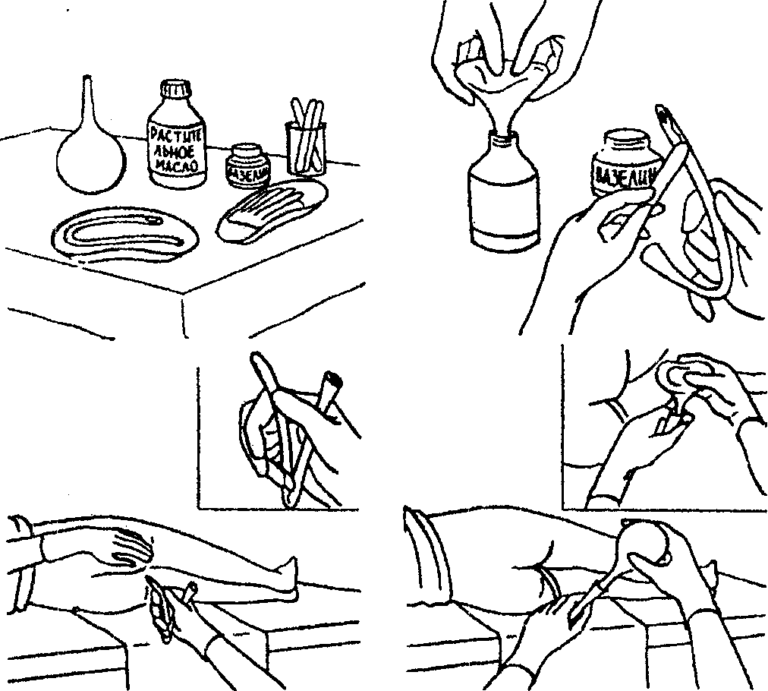
- 3.4 Enema as a remedy for constipation
- 3.5 Pharmacological remedies for constipation
- 3.6 Folk remedies for constipation
Features of dysfunction of the gastrointestinal tract
Constipation is a violation of the normal process of the digestive tract, accompanied by the absence of stool or insufficient emptying of the intestines during bowel movements. During gestation, this dysfunction occurs in more than 70% of women.

Differences between normal feces and constipation
The disorder is manifested by a decrease in the frequency of stool normal for a person and a number of symptoms that arise against the background of this:
- cramping and cramping pain in the abdomen caused by impaired intestinal motility;
- anal fissures, hemorrhoids, anal bleeding due to strong straining;
- hardness of feces;
- bloating, nausea;
- soreness and burning in the posterior region after stool.

Indigestion symptoms
Attention! Regular constipation also negatively affects the general well-being of patients. Partial reabsorption of fluid from feces leads to intoxication of the body, which is manifested by rapid fatigue, weakness, dry skin, brittle hair and nails. In pregnant women, this condition can develop even after 3-4 days of constipation.
Causes of constipation in women during gestation
The main reason for the development of constipations in the early stages of pregnancy is hormonal changes in the woman's body. In the normal state, the patient's blood contains a large amount of biologically active substances that stimulate the contraction of the intestinal walls. However, during gestation, the amount of these hormones is drastically reduced. This is due to a single system of innervation of the digestive tract and uterus.

Causes of constipation during pregnancy
Attention! Innervation is the supply of nerves to tissues, thereby ensuring their connection with the organs of the central nervous system.
The peristalsis of the intestinal walls leads to a similar contraction of the myometrium. A similar process during pregnancy can lead to spontaneous abortion. Therefore, the woman's body during gestation suppresses the production of hormones that ensure the normal movement of the chyme along the gastrointestinal tract. Due to this, a kind of protection of the embryo is created. However, the negative consequence of this process is the development of constipation.
In later stages of pregnancy, constipation occurs as a result of the intensive growth of the embryo and the increase in the size of the uterus. This leads to compression of the intestine and a decrease in its lumen. In addition, during the last weeks of gestation, the fetus descends to the entrance to the small pelvis, as a result, significantly impairs the functioning of the digestive tract.

Lowered fetus into the small pelvis
Factors leading to constipation
Also, the following factors can lead to constipation at various stages of pregnancy:
- A sharp increase in the level of progesterone in a woman's body. This hormone reduces the muscle tone of the internal organs from the first weeks of gestation.
- Eating foods and vitamin and mineral complexes with a high iron content. Many pregnant women take medications to prevent anemia. Such remedies have a fixing effect and are capable of provoking constipation.
- Decreased physical activity. A sedentary lifestyle, which is natural for women during gestation, leads to a decrease in the tone of the intestinal walls and, as a result, the development of constipation. Patients who are prescribed bed rest to prevent the threat of miscarriage are especially susceptible to constipation.
- Lack of fluid. During pregnancy, a woman's body requires an average of 2 liters of water per day. Dehydration leads to a deterioration of the general condition, cephalalgia and defecation disorders.

Causes of constipation
Constipation has a detrimental effect on the condition of both the woman and the fetus. Therefore, it is required to eliminate dysfunction when primary symptoms appear. Otherwise, constipation can lead to the following unpleasant consequences:
- Violation of the microflora in the gastrointestinal tract of a woman, which then causes dysbiosis in the body of the newborn.
- Accumulation of waste products in the patient's intestines, which can negatively affect the fetus.
- Painful attacks that a woman experiences if necessary to push hard. In the second or third trimester, the pain is so severe that it can lead to fainting or vomiting.
So that constipation does not harm the woman and the embryo, it is necessary to take measures for the timely therapy and prevention of this condition.
Video - Constipation in pregnant women
Treating constipation during gestation
Today there is a huge variety of means to combat constipation in pregnant women. In this case, the treatment of constipation should be carried out in a comprehensive manner. The patient is recommended:
- change your diet and diet;
- use pharmacological drugs if necessary;
- perform exercises to improve intestinal motility;
- use herbal remedies with a laxative effect.
Attention! Before using any measures to eliminate dysfunction of the digestive tract, you should definitely consult with a specialist. The possibility of using certain means depends on the state of health of the woman and the embryo.

Intestinal peristalsis
Diet change during pregnancy constipation
The most effective remedy to improve the functioning of the gastrointestinal tract is to change the principles of the patient's nutrition. To get rid of constipation, you should follow a number of principles:
- You need to eat regularly, but in small portions. Pregnant women are advised to eat about five times a day, but the volume of meals should be small. This measure allows food to be thoroughly digested.
- You should stop eating fatty, excessively high-calorie or fried foods. Preference should be given to steamed, boiled or baked dishes. The basis of the diet should be foods high in fiber: fruits, vegetables, cereals. Such food stimulates intestinal motility.
- To prevent the accumulation of waste products in the woman's body, it should be during the day drink at least one and a half liters of liquid. Otherwise, the patient may develop flatulence, which only worsens the excretion of feces from the intestines. To stimulate peristalsis, you can drink 1 glass a day of mineral water with a high content of magnesium, for example, “Essentuki" or "Moscow».

Essentuki water
Healthy foods for constipation
The diet of patients with constipation should include the following foods:
- Rye or cereal bread. The baked goods must be dry. Instead of bread, you can eat unsweetened cookies, biscuits, bread.
-
Soups. Vegetable and cereal soups should form the basis of women's nutrition during gestation. These dishes improve intestinal motility, allow the body to receive sufficient amounts of nutrients and fluids. It is recommended to cook soups with chicken, beef or fish broth.

Vegetable and cereal soups should form the basis of nutrition for women during gestation
- Milk and dairy products. Preference should be given to fermented milk products: kefir, fermented baked milk, cottage cheese and dishes made from it: cheese cakes, casseroles, dumplings, etc. Cream and sour cream can be consumed in small quantities.
- Eggs. Boiled or fried eggs are quite heavy food, so steaming omelets with a little milk or butter is recommended.
-
Cereals. Cereal dishes are easy to digest and provide a woman's body with many nutrients. Especially useful are steamed oatmeal in water, oatmeal with skim milk, muesli, pearl barley porridge.

Cereal dishes are easy to digest and provide a woman's body with many nutrients.
- Vegetables. Beetroot, pumpkin, cauliflower and broccoli, cucumbers have a beneficial effect on digestion. You should stop eating white cabbage, legumes and potatoes.
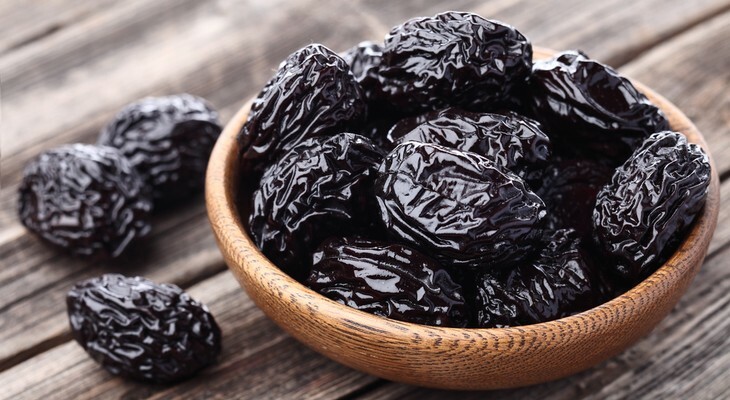
- Fruits. Fruit or fresh juices from them are recommended as a dessert. Dried fruits are also beneficial for the digestive system: apples, dried apricots, prunes, apricots.
-
Sauces. Ketchup and mayonnaise should be discarded. Sauces and gravies should be prepared on their own, in addition, dishes can be seasoned with olive, vegetable or linseed oil. To relieve constipation, it is recommended to take 1 teaspoon of bearberry oil 2 times a day.

For constipation, ketchup and mayonnaise should be discarded.
In order for a pregnant woman's nutrition to be complete, it is recommended to draw up a menu in advance one or several days in advance.
Approximate diet for the day
| Eating | Dishes | Image |
|---|---|---|
| Breakfast | Steamed omelet, vegetable salad with olive oil, rosehip broth |  Steamed omelet |
| Lunch | Fresh apple, orange or nectarine |  Fresh apple |
| Dinner | Chicken broth soup with noodles, beef zrazy with beet salad, unsweetened compote |  Chicken broth soup with noodles |
| Afternoon snack | Pear Uzvar, biscuits |  Biscuits |
| Dinner | Boiled fish with rice, cucumber, tea, prunes |  Boiled fish with rice |
| Second supper | Kefir or fermented baked milk, cookies |  Kefir |

Nutrition for constipation
Exercise for constipation
Exercise is an essential tool in the fight against disorders of the digestive tract. Gymnastics allows not only to improve intestinal peristalsis, but in general to increase the tone of the body.

Exercise is essential in the fight against digestive disorders
Gymnastics classes involve the following exercises:
- Get on all fours. Knees should be hip-width apart, arms not shoulder-width apart. Tear off your right palm from the floor and reach for your left knee, leaning slightly downward. Take the starting position. Repeat the exercise with your left hand.
- Sit on the mat with your legs extended. Place your palms on your knees. Perform turns of the head and body to the right and left.
- Sit on the rug with your back to the wall. Bend your legs slightly at the knees. Take deep belly breaths for two to three minutes.
- Lie on your back, bend your legs slightly at the knees. Touch the left knee with the right heel. Repeat the exercise with the other leg.
- Lie on your back. Bend your legs at the knees, spread them apart, press your feet together. Try to bring your knees as close to the floor as possible.
- Lie on your back, bend your knees. The feet should be flat on the floor. Turn the pelvis to the right and left, trying to touch the knees to the floor.

Exercises to prevent bloating
Attention! You need to perform each exercise 10-15 times. At the same time, gymnastics should not lead to excessive physical exertion or cause a deterioration in well-being. Before starting classes, you should consult with a specialist.
Enema as a remedy for constipation
Extreme caution should be exercised when using enemas to treat constipation during pregnancy. This method makes it possible to quickly get rid of excess feces in the intestine, however, it has a number of contraindications. It is impossible to give enemas and microclysters to women with the following pathologies:
- increased tone of the uterus;
- isthmic-cervical insufficiency;
- the patient has a history of miscarriages;
- the threat of premature termination of pregnancy;
- underdevelopment of the placenta.

The root causes of constipation
Attention! Even if the patient has no contraindications to the use of an enema, then it should be used only after contacting a gynecologist. The presence of a doctor's suspicions about a violation of the condition of a woman or a fetus is the basis for a ban on carrying out this procedure.
The most gentle type of enemas are microclysters. Their volume is usually 5-15 ml. One of the most commonly used rectal drugs for the treatment of pregnant women is Microlax.

Micro enema Microlax
Pharmacological remedies for constipation
In early pregnancy, the following medications are usually prescribed:
-
Mukofalk - a drug against constipation, which increases the volume of feces and prevents them from hardening. The product is available in the form of granules for solution preparation. Not absorbed in the intestine. You need to take 1 teaspoon 2-6 times a day.

Mucofalk with orange flavor
-
Fiberlex - a medicine that improves intestinal motility and normalizes bowel movements. Moreover, this drug allows you to eliminate not only constipation, but also nervous diarrhea. Available in the form of dilution powders. The remedy should be taken 1 sachet twice a day.

Fiberlex drug
- Phytomucil - a product that contains plum pulp and psyllium husk. Has a mild laxative effect. Phytomucil should be taken 1 sachet twice a day.

Phytomucil
Experts try not to prescribe classical pharmacological laxatives to women during gestation, since such drugs sharply increase peristalsis. Medicines such as Senade or Regulax have a strong irritating and stimulating effect, due to which they are able to cause uterine contraction.
To normalize the stool, patients in late gestation are prescribed osmotic drugs. They allow bowel movements to be emptied without additional mechanical stimulation.
Attention! Osmotic drugs increase the pressure in the digestive tract. In addition, these funds do not allow the reabsorption of liquids to occur, that is, they protect the body from intoxication.
The most popular are the following:
-
Forlax - a powder of a whitish shade with a grapefruit aroma. It has a weak osmotic effect, due to which it can be taken both during pregnancy and during lactation. One sachet of the drug should be dissolved in 50 ml of warm water and taken once a day.

Laxative Forlax
-
Tranzipeg - a laxative that dilutes fecal matter. It contains the same active ingredient as Forlax. It tastes like lemon or apple and comes in the form of a white powder. You need to take the medicine once a day. The powder of one sachet should be dissolved in 100 ml of water.

Tranzipeg
-
Karlovy Vary salt - mineral geyser salt, which is dispensed in 5 gram sachets. The contents of the sachet should be dissolved in a glass of water and drunk twice a day, 100 ml.

Karlovy Vary salt
Folk remedies for constipation
You can improve bowel function using traditional medicine methods. The following recipes are most effective:
- Mix a tablespoon of castor oil with one egg yolk and 15 grams of honey. Dilute the resulting mixture in 150 ml of warm water. You need to take the solution 1 tablespoon every two hours.
- Mix potato juice with warm water in proportions 1: 1. The solution should be drunk 3 tablespoons before each meal.
- Stir 1 teaspoon of olive oil in one glass of fresh low-fat kefir. Take the mixture before bed.
- Mix together 100 grams of prunes, grated beets and oatmeal. Pour the mixture with two liters of hot water, cook over low heat for 60 minutes, strain and cool to room temperature. Take the broth one glass at a time before bedtime. Store the solution in the refrigerator.
- Pour 500 ml of warm water over three tablespoons of flax seeds. Leave it to brew overnight, strain and drink the resulting liquid, 100 ml three times a day.

Symptoms of constipation during pregnancy
Constipation is one of the most common complications during pregnancy. This condition as a whole does not pose a danger to the health of the woman and the fetus, but it can give the patient a lot of unpleasant sensations. To eliminate constipation, you should take a comprehensive approach to solving the problem: do gymnastics, lead a healthy lifestyle and only if necessary take medications with a gentle osmotic action.