
Spastic colitis of the intestine: symptoms and treatment of the disease
Spastic colitis of the intestine (abbreviated as SRCT) is a non-infectious disease of a chronic nature, with in which the colon is irritated, which leads to a pronounced disorder of its motor and secretory functions. The main symptom of the disease begins to manifest itself in the form of sharp pain, i.e. spasms.
This common type of disease refers to functional disorders, often caused by neurogenic factors such as stress, overwork, hormonal disruptions. The pathology is sometimes accompanied by an inflammatory process. Men are less susceptible to this disease than women.
Content
- 1 Etiology
- 2 Classification
-
3 Symptoms
- 3.1 Acute SRCT in adults
- 3.2 Chronic stage of SRKT in adults
- 3.3 Features of the acute form in children
- 3.4 Signs of a chronic form in children
- 4 Diagnostic research
-
5 Treatment methods
- 5.1 Medications
- 5.2 Physiotherapy procedures
- 5.3 Folk recipes
- 6 Preventive measures
- 7 Food
Etiology
The main cause of the disease is an improper lifestyle: frequent consumption of junk food, alcohol abuse.
Other causes of colitis:
- exposure to stress;
- overwork (lack of adequate sleep);
- hormonal imbalance;
- viral infections and other diseases of the gastrointestinal tract (gastrointestinal tract);
- allergies to certain foods;
- tough and long-term diet;
- history of surgical interventions;
- interaction with metals and other harmful substances;
- frequent use of antibiotics and pain relievers;

- passive lifestyle;
- infection with helminths;
- disorder of microflora;
- forced suppression of the urge to defecate;
- repeated use of laxatives;
- the large intestine was traumatized.
These criteria contribute to the fact that the body's natural ability to resist all kinds of viruses and infections (immunity) decreases, and intestinal function worsens. If you do not get rid of bad habits in time, the process will develop into a chronic stage.
Classification
Pathology develops in two main forms - acute and chronic.
Acute colitis accompanied by a sharp onset of symptoms, and is completely eliminable with proper treatment.
The chronic form will be characterized by the periodic manifestation of symptoms, expressed to a lesser or greater extent. It is almost impossible to completely defeat the disease in the chronic stage, methods that reduce the frequency of attacks, such as adherence to a special diet, will help improve the quality of life.
Also, the disease is subdivided according to the predominant symptoms:
- SRCT with constipation (constipation);
- SRCT with diarrhea;
- SRCT, where diarrhea and constipation alternate.
Symptoms
It is important to be able to distinguish the acute stage of the development of the disease from the chronic one.
Acute SRCT in adults
The main symptom of the acute stage of SRCT in adults will be a sudden painful attack, which can occur in any area of the abdomen. This syndrome is spastic in nature, i.e. the pain intensifies and goes away after a while. Soreness subsides immediately after bowel cleansing.
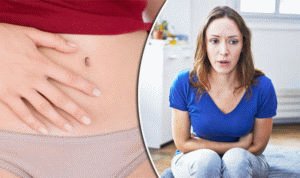
Associated symptoms:
- constant but unsuccessful urge to defecate;
- feeling of fullness in the abdomen;
- odor from the mouth that does not disappear even after brushing your teeth;
- gas formation;
- upset stool (or diarrhea, or constipation, or both alternately);
- the stomach increases in volume;
- belching;
- apathy for food;
- dizziness;
- feeling of nausea;
- phased bowel movements;
- body temperature remains subfebrile and does not exceed 38 degrees;
- stool is sometimes accompanied by an abundance of mucus and blood impurities.
Chronic stage of SRKT in adults
Chronic irritable bowel syndrome is accompanied by the following symptoms:
- persistent headaches;
- constant feeling of tiredness and anxiety;
- loose stools alternate with constipation;
- sleep disorder.
Features of the acute form in children
In childhood, such an ailment often develops against the background of infectious diseases of the gastrointestinal tract. In infants, spasmodic syndrome is usually called "colic", the causes of which are still unknown to science.
In addition to the symptoms listed above, children, unlike adults, often have a fever with an increase in temperatures up to 40 degrees, as well as irritated intestines cause dry skin and mucous membranes, lethargy, stools with mucus or foam.
If the treatment of the child is not started on time, dehydration of the body will begin, which is fraught with serious consequences, up to and including death.
Signs of a chronic form in children
- Inconsistency of stool (diarrhea alternates with constipation);
- Aching pains in the lower abdomen;
- Restless sleep;
- Feeling of fullness;
- Weakness;
- Weight loss;
- Low hemoglobin.
Diagnostic research
The signs listed above are the cause of many diseases of the gastrointestinal tract. The following examination will help to establish an accurate diagnosis. It is necessary to conduct a general blood test and biochemistry. A general urine test and stool analysis for bacterial infections and occult blood will be required. Ultrasound of the digestive system or X-ray examination using barium.
The most reliable diagnostic method is considered to be endoscopic methods, such as colonoscopy or sigmoidoscopy, which visually make it clear what the mucous membrane of the membranes is inside. When viewed with a probe, the patient is diagnosed with a loose shell covered with erosions and cracks. At the stage of atrophy, pallor and dryness of the intestinal walls is found.
Palpation is one of the methods for detecting pathology, in which only a highly qualified gastroenterologist discovers that a person suffers from colitis.
Treatment methods
Lifestyle changes can help you get rid of annoying colitis. It is necessary to adhere to the principles of a healthy diet, play sports, often walk in the fresh air, give up bad habits. Avoid stress, try to sleep well.
In the advanced stages of the disease, one cannot do without prescribing drugs, physiotherapy and traditional medicine methods.
Medications
The main principle of the treatment of colitis is to improve the normal functioning of the gastrointestinal tract and reduce associated symptoms.
In the acute stage, anti-inflammatory drugs are prescribed, which quickly improve well-being and relieve inflammation, but keep in mind that prolonged use of antiseptics disrupts the microflora intestines.
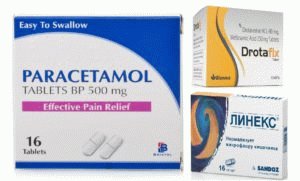
- Non-steroidal drugs are used (Paracetamol or Diclofenac), as well as antibacterial agents (Sumamed or Azithromycin).
- To relieve pain, pills that block spasm are used (Spazmoverin, Drotaverin).
- Enterosorbents (Activated carbon, Polysorb, Enterosorb) are taken to cleanse the body of harmful toxins.
- Enzymatic preparations (Penzital, Festal) will help to improve digestion.
- When mucous membranes are irritated, enveloping agents are prescribed (Calcium carbonate, Gastal).
- To restore microflora after taking antibiotics, prebiotics or probiotics (Bifiform, Linex) are used.
- To enhance the body's natural immune defenses, multivitamins are prescribed (Centrum, Multi-tabs, Complivit).
- Nervous states and stress will help relieve taking sedatives (Motherwort, Valerian).
- In case of obstipation, agents are needed to irritate intestinal motility and have a laxative effect (suppositories with glycerin, castor oil, Bisacodyl) and cleansing enemas (Microlax).
- For diarrhea - strengthening agents: Imodium, Smecta.
Medicines are prescribed only by the attending physician on an individual basis, taking into account the characteristics of the organism.
Before taking medications, be sure to consult a specialist!
Physiotherapy procedures
Physiotherapy procedures help to recover and relieve symptoms while taking the necessary medications:
- Warming up (Paraffin candles or Ozokerite therapy);
- Galvanotherapy (exposure to electric current);
- Healing baths.
Folk recipes
Non-traditional methods of treatment are based on the use of herbal decoctions and the use of enemas.
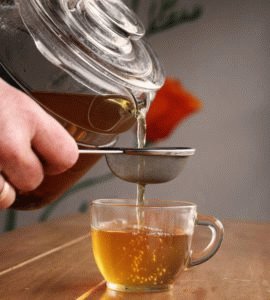
For constipation and infection, an enema with medicinal chamomile and calendula flowers is recommended: 1 a tablespoon of dried herbs is added to 200 ml of boiling water, twice a day, 1-3 weeks, regarding the degree severity.
Anise seed infusion will help relieve a symptom such as flatulence and relieve pain: 1 tsp. 200 ml of water, drink a tablespoon 8 p. in a day.
For constipation, fresh onion juice is used: 1 teaspoon 3 r. per day for 30 min. before eating.
Traditional medicine advises enemas with honey: 5-10 teaspoons of honey in an aqueous solution.
For depression and fatigue, it is shown to drink mint tea: three times a day.
Raw potato juice will serve as an effective laxative: 100 ml 2 r. per day 30 minutes before meals.
A good herbal recipe would be a 15g infusion. chamomile and 2 gr. valerian: brew in a glass of boiled water, stand for several hours, take half a mug in the morning and evening.
An excellent remedy for colitis - wormwood: 1 tbsp. l. wormwood per 200 ml of water, 2 tbsp. l. three times a day. A decoction of yarrow and juice from gooseberry berries have a similar effect.
Diarrhea can be treated with folk fruits: bird cherry and blueberry, thyme, fennel.
Any use of decoctions or enemas is carried out strictly under the supervision of a doctor, in case of allergies or feeling unwell, you should stop taking medicinal herbs.
Preventive measures
The best way to get rid of a disease is to prevent it. For preventive purposes, it is recommended to adhere to a balanced diet, play sports, eat more foods with fiber content, try to sleep at least 6 hours a day, avoid stress and nervous shocks.
Food
The basic principle of a healthy diet for spastic colitis is a fractional meal, at least 6 times a day in small portions. The best cooking option would be boiling, stewing, or baking. The diet should be based on fiber-rich vegetables. Drink plenty of fluids, about 2 liters per day.
Recommended products:
- Fruits, vegetables and berries;
- Gluten-free porridge;
- Durum wheat pasta;
- Cereal loaves;
- Low-fat meat and fish;
- Kefir, cottage cheese;
- Green tea, rosehip decoction, dried fruit compote.
With diarrhea, it is necessary to exclude raw vegetables and fruits from the diet, they can be eaten boiled or stewed, rice porridge, jelly would be a good option for loose stools.
Invalid Products:
- Fried, smoked, pickled dishes;
- Fatty meat, fish;
- Sweets;
- Canned food, semi-finished products;
- Beans, beans, peas;
- Nuts;
- Mushrooms;
- Fresh cabbage;
- Hot spices;
- Coffee.
Diet therapy will help to permanently relieve the patient of the annoying symptoms of this disease. The best solution to this problem will be good nutrition, moderate physical activity, and reduction of stressful situations.


