
Atrophic colitis of the intestine: symptoms and treatment of the disease
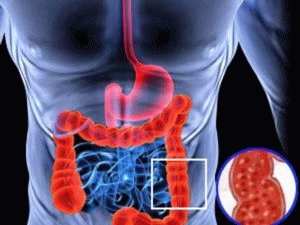
Diseases of the gastrointestinal tract can cause a lot of problems for a person. Atrophic intestinal colitis develops against the background of an inflammatory process in the tissues, and the intestinal mucosa becomes inflamed. It is a secondary disease. The rectum also suffers.
Inflammation of the walls of the intestine, rectum lead to thinning of the tissues and mucous membranes of the gastrointestinal tract. Dystrophic changes adversely affect the digestive system and the patient's health.
The precursor to the onset of atrophic colitis in the body is chronic colitis. The disease manifests itself in regular pains of various kinds in the abdominal cavity. There is a gradual replacement of intestinal and colon tissues with fibrous tissue. Bowel function becomes difficult. The patient is having problems with stool. The absorption of nutrients is impaired.
Most often, periods of remission are replaced by an exacerbation of the disease. In the absence of treatment, the course of the disease becomes chronic, which is observed in 43% of cases. A special risk group is men aged 40 to 60 years. It is less common in women, but the age range is from twenty to sixty years and the complications are more serious.
Content
- 1 Causes of occurrence
- 2 Symptoms
- 3 Diagnostics
-
4 Treatment methods
- 4.1 Drug treatment
- 4.2 Treatment-and-prophylactic diet
- 4.3 Traditional methods of treatment
Causes of occurrence
Among the common reasons, doctors distinguish the following:
- Heredity. In 40% of patients diagnosed with colitis, the immediate family suffered from the condition.
- Wrong way of life. The presence in the diet of a large amount of fatty, spicy foods, carbonated drinks, unhealthy foods, alcohol.
- The presence of concomitant diseases of the gastrointestinal tract.
- Uncontrolled intake of antibiotics, medications.
- Poisoning caused by chemicals entering the body through the esophagus.
- Lack of regular bowel movements, prolonged use of laxatives without taking into account the doctor's recommendations and instructions for the drug.
- Lack of physical activity.
- Self-medication is a common cause of colitis.
The precursor of the disease will be catarrhal colitis. This ailment is characterized by inflammation and thickening of the intestinal mucosa. Lack of treatment guarantees the transition of the disease to the form of atrophic colitis, the lower gastrointestinal tract suffers, and the intestinal walls are thinning. Complications in this case are much more serious.
Symptoms
Symptoms may vary slightly depending on whether the patient is in the acute or chronic stage of the disease.
In acute atrophic colitis, the disease will proceed with the following symptoms:
- spastic constipation or diarrhea;

- the presence of blood mucus in the feces, mucous feces;
- intestinal spasms;
- increased gas formation, a feeling of heaviness;
- acute pain and discomfort in the lower part of the peritoneum, not having a clear localization;
- increased painful sensations after eating or when moving;
- another symptom is the patient's temperature is below 36.6 degrees.
The chronic form of the disease proceeds with symptoms such as:
- flatulence;
- constipation;
- increased pain in the abdominal cavity with physical activity;
- nausea, headaches, general deterioration of health.
The nature of the pain is different. The pain has a cramping character, disappears after a bowel movement or passing gas. Modern medications can relieve symptoms.
Diagnostics
At the first stage of diagnosis, the doctor conducts a visual examination of the patient, probes the abdominal cavity for pain.
The next stage is the delivery of blood, feces and urine tests. Based on the results, the doctor directs the patient to an intestinal examination. To do this, resort to colonoscopy, sigmoidoscopy, irrigography. The appearance of the mucous membrane helps the doctor to establish a specific disease - catarrhal, subatrophic, atrophic colitis. Visual examination of the intestinal walls helps in determining the possible causes of the development of the disease. Usually, the nature of the disease is focal, and with a detailed study, you can find the exact location of the inflammation.
If an acute form of the disease is diagnosed, then the patient is shown hospitalization. Inpatient treatment lasts 6-9 days. In advanced cases, the hospital stay lasts longer.
Treatment methods
Colitis of the intestine requires systemic serious treatment prescribed by a specialist. Initially, it is necessary to eliminate the cause of the disease, revise the diet, and give up alcohol. After eliminating the causes, the doctor prescribes complex therapy, which consists of traditional drug treatment, a special diet and folk recipes.
Drug treatment
The doctor prescribes drugs to solve specific problems.
- To prevent the development of pathogenic microflora in the intestines, the doctor recommends taking antibiotics of a wide spectrum of action. It is advisable to do a bacteriological study before prescribing drugs. This is necessary to understand which antibiotic will be more effective. The use of probiotic preparations together with antibiotics for the restoration of microflora is shown.
- Taking non-steroidal anti-inflammatory drugs. With a mild course of the disease, the doctor prescribes drugs of this group, and the treatment is limited to this. In most cases, the use of drugs in the form of rectal suppositories is indicated. This allows you to act directly on the intestinal tissue.
- In extreme cases, hormonal drugs of the corticosteroid group are prescribed. The drugs are prescribed by a doctor and taken with caution under the supervision of the attending gastroenterologist. They cause serious side effects.
Treatment-and-prophylactic diet
A gentle diet is indicated for patients with this diagnosis. With a properly selected menu, the symptoms of the manifestation of the disease can be greatly alleviated.
Calorie content in the range of 1550 - 1800 Kcal per day, for both men and women. Fractional meals are recommended, in small portions. Food temperature is warm, exclude cold and hot. Preference is given to soft foods: cereals, mashed soups, stewed vegetables. The daily rate of fluid for colitis is 1400-1600 ml per day.
Products recommended for atrophic colitis:
- steamed meat and fish puddings;
- light vegetable broths;
- vegetable puree from potatoes, carrots, zucchini;
- soft cottage cheese;
- fruit jelly and compotes, herbal infusions.
Strongly exclude:
- fatty, spicy dishes;
- fresh fruits and vegetables;
- bakery products;
- sugar, salt, spices;
- semi-finished products, smoked meats, pickles;
- mushrooms, peas, beans, lentils, nuts;
- strong black tea, coffee, alcoholic drinks.

Traditional methods of treatment
Doctors do not recommend using alternative methods of treating colitis without medication. With a passion for self-medication, the result will be negative.
In traditional medicine, it is recommended to use:
- the first folk remedy - chamomile tincture - doctors recommend taking a tablespoon three times a day for one month;
- it is recommended to treat the inflammatory process with alcohol-free propolis tincture - take 30 drops for 14-20 days;
- an effective folk method of treatment is the mummy. The substance is able to help in the fight against the inflammatory process and stop the development of the disease.
If you suspect a gastrointestinal disease, you should immediately seek help from a gastroenterologist.
Atrophic colitis of the intestine is a serious pathological change in the structure of the walls of the intestine and rectum. In case of untimely treatment, serious complications, internal bleeding, irreversible changes in the organs of the gastrointestinal tract are possible. A serious consequence of the disease is the development of tissue necrosis.


