
Spastic colitis: symptoms, treatment, nutrition and prevention
Among the numerous diseases of the digestive system, colitis occupies a special place, since it can have different forms and manifestations. One of the most common types of it is called spastic colitis, or syndrome irritable bowel - along with hypertension, osteochondrosis and allergies, it is referred to as so-called diseases civilization. In the absence of treatment, pathology can not only significantly worsen a person's quality of life, but also cause serious complications, therefore, its signs cannot be ignored.

Spastic colitis: symptoms, treatment, nutrition
Content
- 1 Spastic colitis - what is it?
- 2 Causes of spastic colitis
- 3 Spastic colitis symptoms
- 4 Diagnostics of the spastic colitis
-
5 Spastic colitis treatment
- 5.1 Conservative treatment
- 5.2 Folk remedies
- 6 Nutrition for spastic colitis
-
7 Prevention of spastic colitis
- 7.1 Video - Spastic intestinal colitis
Spastic colitis - what is it?
In fact, spastic colitis is a chronic inflammatory process localized in the large intestine. According to statistics, every 9th adult on the planet suffers from it, and only half of the patients apply for medical help, and many are unaware of the disease, attributing the discomfort to errors in nutrition and others pathology. Irritable bowel syndrome is a controversial medical issue - some doctors consider it not an independent pathology, but a manifestation or consequence of other disorders of the gastrointestinal tract. Despite this, spastic colitis is included in the international classification of diseases ICD-10 under the code K58.

What is spastic colitis
Interesting: spastic colitis, or irritable bowel syndrome, can be called a disease of female middle age, since most often with this problem to the doctor women at the age of 25-40 years old apply - in men, pathology is diagnosed 3 times less often, and in older people and adolescents it is found in single cases.

Irritable bowel syndrome
Causes of spastic colitis
The exact causes of the development of the disease are still unknown - it is believed that they are caused by a combination of several factors, including:
- unhealthy diet for a long period;
- allergic reactions;
- disorders of the gastrointestinal tract, especially gastroenteritis;
- bad habits;
- infection of the body with pathogenic microorganisms or parasites;
- uncontrolled intake of laxatives, antibiotics, non-steroidal anti-inflammatory drugs and other drugs;
- frequent stress and emotional stress;

Frequent stress is one of the causes of the disease
- lack of physical activity, sedentary work;
- history of bowel surgery;
- long-term exposure to harmful substances on the body.
The mechanism of development of spastic colitis is also not defined - it is believed that under the influence of the above reasons, some parts of the large intestine begin to work more actively than rest. As a result, the process of food digestion is disrupted, it begins to irritate the mucous membrane, causing unpleasant and often painful manifestations.

Irritable Bowel Syndrome Symptoms
For reference: recently, scientists are inclined to believe that the main cause of the development of irritable bowel syndrome stress occurs - more than 60% of patients with this diagnosis have depression and nervous disorders systems.
Spastic colitis symptoms
The difficulty in diagnosing spastic colitis lies in the fact that its symptoms are purely individual and nonspecific, so it is easy to confuse them with signs of other pathologies. The manifestations of the disease include:
- paroxysmal pain syndrome that occurs throughout the day (at night and in the morning, unpleasant the patient's sensations do not bother) and, as a rule, disappears after the act of defecation, gas evacuation, during menstruation in women;
- changes in stool consistency - it becomes liquid, solid or fragmented ("sheep feces"), sometimes there are blood impurities, a feeling of incomplete emptying of the intestines and a false urge to defecation;

With spastic colitis, stool consistency changes
- flatulence, bloating and rumbling that appear after eating;
- diarrhea, constipation or their alternation, and the frequency of bowel movements can be completely different - more than 3-4 times a day or less than 3 times a week.
Depending on the characteristics of the stool and its frequency, the disease can occur in four variants: with constipation, with diarrhea, in a mixed or unclassified form.
Table. Forms of spastic colitis.
| Spastic colitis form | Symptoms |
|---|---|
 Colitis with constipation |
The feces in patients are hard or fragmented, there may be rare cases of diarrhea - no more than 25% of all cases of defecation |
 Colitis with diarrhea |
Liquid or watery feces predominate, constipation is possible, but rarely enough |
 Mixed colitis |
Hard or loose stools alternate, and in general account for more than 50% of all cases of bowel movement |
 Unclassified colitis |
The symptoms are too varied, which does not allow attributing the disease to one of the above forms |
Important: with irritable bowel syndrome, patients do not have blood impurities in the feces, an increase in body temperature, a decrease in body weight and other signs characteristic of infectious intestinal diseases.
Diagnostics of the spastic colitis

Diagnostic features
If a disease is suspected, the patient undergoes a number of standard diagnostic measures indicated for disorders of the digestive system:
- collection of complaints and anamnesis, external examination and palpation of the intestine, during which it is possible to identify enlarged or, conversely, narrowed areas of the intestine;
- general and biochemical blood test;
- fecal analyzes - for eggs of worms, coprogram, bacterial culture, to exclude infectious diseases and helminthiasis;

General analysis of feces
- Ultrasound of the abdominal cavity to detect violations of the pancreas, gallbladder and other organs involved in the digestion process;
- endoscopic examinations (colonoscopy, fibrogastroduodenoscopy, sigmoidoscopy) are carried out to assess the state of the mucosa the membranes of the stomach and intestines - the walls of the organs, as a rule, are edematous, hyperemic, can be covered with single ulcers and damage.

How is a colonoscopy performed
The diagnosis of irritable bowel syndrome is made if the symptoms of the disease are observed in a person for more than 3 months, and other causes that can cause them are excluded.
For reference: the difficulty of making a diagnosis with spastic colitis lies in the fact that not all patients can correctly to assess the frequency and consistency of stools - many people mistake isolated cases of constipation and diarrhea for signs pathology.
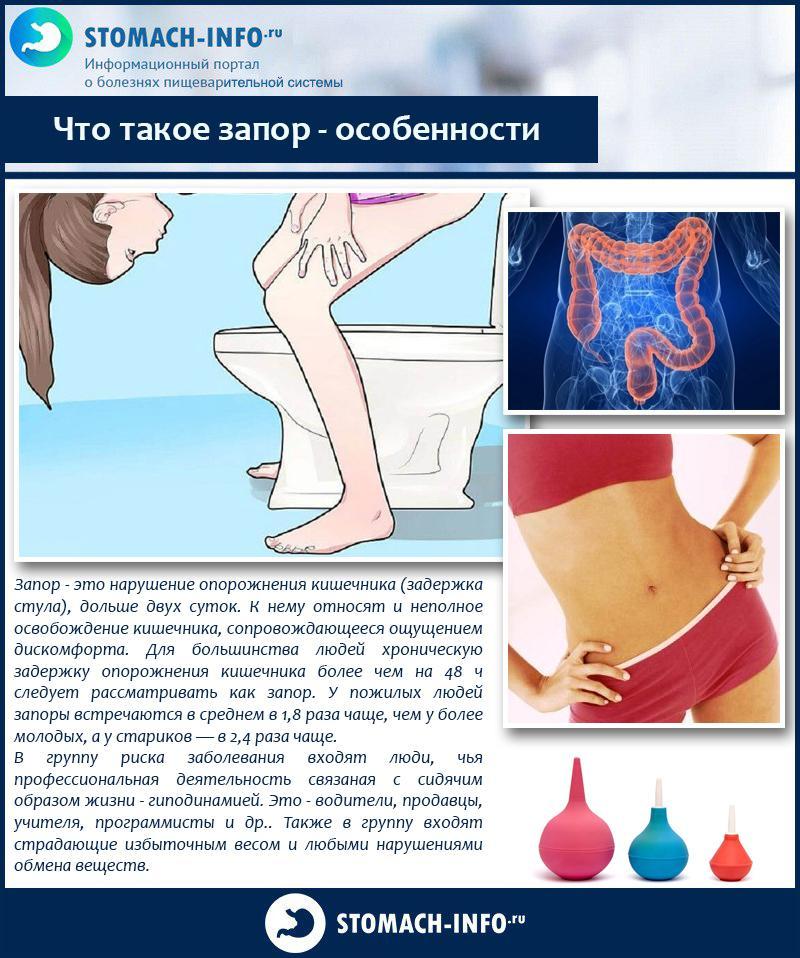
What is constipation - features
Spastic colitis treatment
Spastic colitis is not considered a dangerous disease, but it can significantly worsen a person's quality of life and cause complications in the form of rectal fissures, hemorrhoids, etc. The mainstay of treatment for irritable bowel syndrome is proper nutrition, and medications are used to eliminate symptoms and improve the condition. sick.
Conservative treatment

No-shpa
Drugs for irritable bowel syndrome are selected depending on the course of the disease - for colitis with constipation, diarrhea, flatulence, etc. needs its own treatment regimen.
Table. Groups of medicines.
| Group of medicines | Features of the impact | Drugs |
|---|---|---|
| Antispasmodics | Relieve spasms of smooth muscles, eliminate pain and discomfort in the abdomen | No-shpa, Drotaverin, Papaverin, Mebeverin |
| Laxatives | Medicines containing various active substances (methylcellulose, lactulose, sorbitol, etc.) are used for forms of the disease, which are accompanied by constipation - they thin the feces and facilitate their passage through intestines | Duphalac, Metamucil, Relaxan, Macrogol |
| Antidiarrheal drugs | Used for frequent diarrhea to thicken feces and reduce the frequency of bowel movements | Loperamide, Imodium |
| Probiotics and prebiotics | Means containing beneficial bacteria, which improve the microflora and intestinal motility, eliminate the manifestations of dysbiosis, improve the general condition of the digestive system. They may contain one or more types of microorganisms. | Atsilakt, Regulon, Linex, Yogulakt, Goodlak, Bifidumbacterin |

Bifidumbacterin
In addition to the above drugs, the complex treatment for spastic colitis may include other medications - anticholinergics, dopamine receptor inhibitors, drugs to reduce gas formation, etc.
Recently, patients with spastic colitis are often prescribed antidepressants, sedatives and sedatives - together with symptomatic therapy, they give a good effect, which confirms the influence of disorders of the nervous system on the development disease.

Sedatives
Attention: It is not recommended to take antidiarrheal and laxative drugs independently and uncontrollably, as they have many side effects, and some are addictive.
Folk remedies
Folk recipes for spastic colitis are relatively safe for the body, and can be used to treat pathology in the elderly and children.

Treatment with folk remedies
Like medicines, traditional medicine should be chosen depending on the symptoms of the disease - constipation, diarrhea, flatulence, etc.
- Yarrow relieves intestinal cramps, relaxes muscles and eases the manifestations of spastic colitis. Take the plants collected during their flowering period, rinse well, grind and squeeze the juice. Drink a teaspoon before meals.
-
Anise infusion relieves pain and eliminates increased gas formation. Take a teaspoon of dry or fresh anise, pour a glass of boiling water, cover and leave for 5-7 minutes. Drink instead of water throughout the day.

Anise infusion
- Wormwood root has a beneficial effect on the work of the digestive tract, relieves colic and normalizes appetite. Take 5 tablespoons of chopped root, pour half a liter of vodka, leave for two weeks, then strain and drink a teaspoon before meals no more than 4 times a day.
-
Flax-seed has a mild laxative effect, improves the activity of the pancreas and intestinal motility. It can be consumed in its pure form, a tablespoon per day, after grinding the seeds in a coffee grinder, or preparing an infusion from them. To do this, pour a teaspoon of seeds with a glass of boiling water, insist overnight, and drink in the morning without straining.

Flax-seed
- Celery juice normalizes bowel function, removes excess gas and helps relieve constipation. The root crop should be peeled, chopped well, squeezed out and taken 3 teaspoons half an hour before meals.
To normalize the functioning of the nervous system, it is useful to drink teas and infusions containing valerian root, motherwort, mint and lemon balm.

Valerian tincture
Attention: therapy of spastic colitis with folk recipes requires a lot of time - the funds must be taken over several weeks, and sometimes months.
Nutrition for spastic colitis
Proper nutrition for spastic colitis is fundamental, and diet is based on a few simple principles.
- Food should be natural, without preservatives, flavor enhancers and too hot seasonings, and the menu should be light and nutritious at the same time. It is better to steam it, boil it or stew it - fried, smoked, pickled dishes and semi-finished products should be excluded. Prohibited foods also include chocolate, whole milk, sodas, caffeine, sugar and foods containing it.

Prohibited foods
- For spastic colitis with frequent diarrhea, the diet should be dominated by animal products origin, first of all, you should use fermented milk products, lean poultry meat, veal, eggs. Vegetables and fruits should be cooked before eating and must be peeled, since the coarse fiber that it contains irritates the intestinal mucosa. Products that cause increased gas formation should be discarded - these include black bread, baked goods, grapes, plums, legumes.
- If the disease is accompanied by constipation, the amount of plant and animal food should be approximately the same. To improve the functioning of the intestines and activate the process of peristalsis, fresh fruit and vegetables should be consumed. juices, stewed and boiled fruits (especially beets, turnips, pears and apples), wholemeal bread, dried fruits.

Freshly squeezed juices
- You need to eat fractionally, several times a day, do not starve, but at the same time do not overeat. Food should be eaten warm or hot and in no case washed down with water, as this impairs bowel function and increases gas production.
In addition to nutrition, patients diagnosed with spastic colitis should normalize the daily routine, fully rest, give up bad habits and engage in light physical activity.

Rejection of bad habits
For reference: if spastic colitis has a variety of symptoms (constipation, diarrhea, flatulence, pain, etc.) you should keep a food diary and write down all the foods that were consumed during day. Thanks to him, when the condition worsens, it will be possible to easily identify the foods that caused the exacerbation of the disease.
Prevention of spastic colitis
Since the causes of spastic colitis are not identified, recommendations for prevention of the disease are general character - lead a healthy lifestyle, eat a balanced diet, play sports, quit smoking and alcohol. An important role in the prevention of spastic colitis is played by reducing the amount of stress and the ability to cope with critical situations - for this you can use breathing exercises, yoga, psychotherapy.

How to avoid spastic colitis
Spastic colitis is not considered a dangerous disease, but its symptoms can significantly impair a person's quality of life and cause comorbidities. The good news is that the disease responds well to treatment - proper nutrition and a healthy lifestyle are usually sufficient to completely eliminate symptoms.


