Reactive pancreatitis in children: symptoms and treatment
All diseases that occur in adults can develop in children, in particular, the pathology of the pancreas, which is called pancreatitis.
Such a disease can be from the first days of life, and a violation can be recognized by its characteristic symptoms.
Pancreatitis in children is a pathology that is inflammatory in nature, the ducts and tissues of the pancreas are affected.
The disease develops due to the release of certain enzymes, without treatment, the dystrophy of the gland begins.
In children, the course of the disease may not have pronounced signs or is hidden under other pathologies of the gastrointestinal tract.

Content:
- 1 Classification
- 2 Main reasons
-
3 The main symptoms
- 3.1 Acute form
- 3.2 Chronic form
- 3.3 Reactive form
- 4 Diagnostics
-
5 Treatment
- 5.1 Conservative treatment
- 5.2 Surgery
- 6 Nutrition rules
- 7 Folk remedies
- 8 Forecasts
- 9 Useful video
Classification
Pancreatitis in a child can be of different types, which are divided into criteria. By the nature of the course, the pathology can have an acute or chronic phase.
In the first case, a strong catarrhal process begins, the pancreas increases due to swelling, there may be hemorrhage and tissue death.
In the chronic phase, the problem has hidden symptoms, the course is sluggish, leading to gradual tissue atrophy. This condition is typical for the age of 7-14 years.
Chronic pancreatitis in children is primary and secondary, which has latent and recurrent symptoms.
Often, a latent course is diagnosed, which does not give pronounced symptoms, has erased signs, which indicate other diseases and problems of the gastrointestinal tract. If we talk about a recurrent form, then there are several forms with varying degrees of severity.
The disease is also classified by transformations in the affected part. In this case, we can highlight:
- Acute edematous period.
- Hemorrhagic, when the destruction of blood vessels begins, which leads to bleeding.
- Purulent.
- Fatty pancreatic necrosis is a special form of the disease, which is characterized by the necrosis of all tissues of the pancreas, the consequences will be irreversible.
Reactive pancreatitis in children begins as a result of the response of the affected organ to various pathological processes of the digestive system.
Such disorders can appear even in an infant, over the years the condition worsens, and the disease turns into true pancreatitis. The development of pathology is of a genetic nature.
Main reasons
Pancreatitis in a child has different forms of development, which are based on deformation and destruction of the pancreas, under the influence of enzymes.
Due to this, the tissues of the organ are constantly damaged, there are deformations in the ducts and vessels. Due to self-destruction, edema and catarrhal changes appear.
General symptoms are accompanied by the release of enzymes into the bloodstream, as well as the release of harmful substances that simply poison children from the inside.
There are several types of reasons that can affect the development of the disease:
- Mechanical.
- Etiological.
- Neurohumoral.
- Allergic and toxic.
For clarity of the whole picture, it is necessary to highlight and know the possible reasons leading to the violation:
- Unbalanced nutrition, when the child eats a lot of unhealthy foods or the meal is untimely, for example, long breaks between meals. This situation causes the active release of enzymes that negatively affect the organs, provoking acute pancreatitis in children.
- Abnormalities in the structure of the organ itself or its ducts. In this case, the changes lead to a delay in the outflow of enzymes.
- Chronic or postponed pathologies in severe form of the gastrointestinal tract. For example, inflammation of the liver, gallbladder, or ulcers.
- Malignant tumors and similar diseases.
- Long-term use of medicines or the use of pharmaceuticals without doctor's instructions and taking into account possible contraindications, side effects.
- Infection of the child's body with worms and other parasitic organisms, especially roundworms and lamblia.
- Disorders in the endocrine system or its pathological changes.
- Genetic predisposition, which causes disruptions in metabolic processes.
- Viral diseases.
- Infection of the intestine with parasites, in particular, pancreatitis can lead to salmonella or staphylococci.
- Abdominal injury.
- Atopic dermatitis.
- Food allergies, lactose intolerance.
Parents will be able to determine the disease in a timely manner according to the condition of the child. To do this, you need to know the symptoms in children in the initial stages of pancreatitis.
The main symptoms
The main signs of pancreatitis in children will have different types, it all depends on the form of the disease.
As a rule, a child with a disease will have a moderate or mild course of the disease, and a high degree of severity appears very sharply.
The intensity of symptoms can increase as children grow up, so the clinical picture will be weak up to 7 years old.
Acute form
The acute form of pathological changes in the pancreas begins as a result of infection of the body.
Very often, the cause is malnutrition, when the child's menu is dominated by fatty foods, and the meal itself is very plentiful. Also, helminths and other types of viruses become the cause.
An acute inflammatory process has pronounced symptoms. This condition indicates the need for urgent care, children are often hospitalized, which eliminates complications and consequences for the digestive system.
Timely determination of an acute form and an appeal to a doctor can accelerate recovery, exclude purulent peritonitis. For the acute course of pancreatitis, the following symptoms can be distinguished:
- Temperature rise.
- Severe seizure-like pain.
- Nausea with vomiting, which does not improve the condition. Vomiting may occur even when the stomach is empty.
- A white coating appears on the tongue.
- Pale skin.
- Persistent diarrhea.
If there is at least one of the symptoms, parents with a child should urgently consult a doctor, undergo an examination and start treatment.
Chronic form
Chronic pancreatitis in children is determined by the state of other important organs of the gastrointestinal tract.
As a rule, symptoms begin to worsen after eating unhealthy foods, stress and exertion. There is pain in the chest area.
This form of the disease begins more often with a genetic predisposition. If parents or blood relatives suffered from pancreatitis, then the likelihood of pathology in children increases significantly.
The chronic phase can cause serious consequences that cannot be reversed. The glands and the organ itself disrupt the work, are deformed.
If you have symptoms of exacerbation, you should immediately consult a doctor. Self-administration of therapy can only make it worse.
Chronic pancreatitis in children may not have pronounced symptoms, and the appearance of pain depends on the stage and duration of the pathology.
As a rule, failures can be identified by the following criteria:
- Frequent complaints of dull pain syndrome, which can be permanent or temporary. Pain is localized in the center of the abdomen, and after exertion, malnutrition or stress, the symptom intensifies.
- Decreased appetite.
- After a meal, a burning sensation of the esophagus appears.
- Often nauseous.
- Stool work is disrupted, children have constipation or diarrhea, and feces have a fatty composition.
- Decrease in body weight, due to the inability to absorb nutrients from food by the body.
- Lethargy and drowsiness.
Chronic pancreatitis in children is difficult to determine, but if the parents are watching the child, then it is possible to suspect malfunctions.
Reactive form
Reactive pancreatitis in children begins due to impaired work and diseases of the gastrointestinal tract, as well as due to toxic effects, for example, after prolonged use of medications.
Most often, inflammation begins with inflammation of the liver or gallbladder. The reactive form begins a few hours after the appearance of external, internal causes.
In this case, the child complains about:
- Pain after meals.
- Strong gases.
- Nausea, which changes with vomiting, and there will be mucus or bile in the masses.
- Burning of the esophagus.
Diagnosis cannot be delayed, any form of the disease can be dangerous and has serious consequences. Every day of delay worsens the condition of the child.
Diagnostics
With the appearance of frequent pain in the abdominal cavity in a child and a decrease in appetite, you should immediately contact a doctor for examination and assistance.
To diagnose children, they can be referred to a gastroenterologist, after which the doctor assesses the condition and prescribes different types of research.
It is worth noting that pancreatitis can have similar symptoms with ulcers, gastritis and other diseases, so the doctor should exclude them.
The complex of diagnostic techniques includes:
- Collection of complaints, assessment of the child's condition, palpation, which makes it possible to assess the strength and localization of pain.
- Blood analysis.
- Stool analysis.
- Abdominal sonography showing the size of the pancreas, the structure of its tissues.
You can confirm the diagnosis using some other methods, such as X-ray, MRI and others.
Knowing the causes and type of pancreatitis, the doctor can choose the right treatment, which will have high results and minimal toxic effects on the child.
Treatment
The essence of the treatment is to normalize the digestive function and the secretory capacity of the pancreas.
Also, therapy allows you to eliminate inflammation and the characteristic symptoms of the disease. If the disease has an acute course and this is the first time, then the child is hospitalized.
The main therapy technique is as follows:
- Organization of bed rest.
- Fasting for 1-2 days, it is possible to use mineral water. Due to this, the pancreas finds rest.
- Infusion of glucose into the body.
- Correction of nutrition, use of a dietary table for pancreatitis.
- Treatment with medicines.
Conservative treatment
Treatment of pancreatitis in children with conservative methods is not always prescribed. Among the main medicines that can be used:
- Antispasmodics to eliminate spasms and pain. Children are prescribed Papaverin, No-shpu. With severe pain syndrome, Promedol may be required, but the drug is included in the group of narcotic analgesics, which must be taken into account.
- Glucose solutions and other drugs that are injected into a vein, as well as the use of enzyme blockers that cause disease. These include Contrikal or Trasilol. Solutions allow you to relieve intoxication, and also provides nutrition to the child.
- Antisecretory drugs are prescribed to reduce the secretion of enzymes. For this, Octreotide or Famotidine is used.
- Medicines that normalize microcirculation. For treatment, Trental, Dipyridamole are used.
- Antibiotics can be prescribed for purulent or bacterial processes. Such funds are used in the form of injections, and after the pain is eliminated, the drugs can be used orally, but not earlier than 2 weeks after the start of treatment.
If medical treatment does not give the desired results, doctors have to perform an operation.
Surgery
Operations can be performed not only with the ineffectiveness of medications, but also with the development of complications.
For this, part of the affected pancreas, which has dead tissue, is removed, after which drainage is performed. During fasting, doctors suck out everything in the stomach, which avoids the activation of the secretion of enzymes under the influence of gastric juice.
After the pain is reduced, the child can be given food that is exclusively steamed or cooked. For 2 weeks, all products and dishes are used without adding salt.
Nutrition rules
It is unrealistic to cure the disease without adjusting the diet. The diet allows you to improve the effect of conservative methods, more quickly normalizes the work and condition of the digestive system.
Nutrition is determined by the doctor individually for each patient, but it is important to use the basic principles:
- Remove fatty foods and meals from the diet, as well as foods high in carbohydrates. The dietary table should include a lot of protein.
- Completely abandon harmful foods, especially sweets.
- You need to eat in small portions and often, about 5-6 times a day.
- Observe the diet, you should eat at the same time.
- All foods should be warm, not cold or hot.
- The drinking regime must be observed, there should be 1.5 liters of water per day.
- Dishes are made in a liquid or semi-liquid consistency.
It is important to follow the basic rules of the dietary table No. 5p according to Pevzner.
Folk remedies
Traditional medicine will help speed up recovery and recovery, which also increase appetite, the immune system, and improve other important processes.
Treatment with folk remedies can be carried out along with drug therapy. Herbal decoctions and infusions, juices from vegetables and fruits are often used, which will reduce the risks of exacerbations of the disease.
Of the effective recipes for pancreatitis, one can single out:
- Oatmeal jelly. To prepare it, you need to wash the oat grains and, after they dry, grind them into powder. Boiling water is poured into the resulting mixture, it is sent to cook for 5 minutes, after which it is infused for another 20 minutes. Strain the drink before use. Give the child jelly in small doses, and every day you need to prepare a new one.
- Potato juice. The remedy is taken 4 times a day before the start of the meal. For children, the daily volume is 100 ml. For cooking, you need to peel the raw potatoes, grate them and squeeze the juice out of the gruel.
- Infusion of herbs. You will need to combine 1 tbsp. flowers of calendula, chamomile and yarrow. Add 0.5 liters of boiling water to the collection, leave for 30 minutes. Give children with a disease 150 ml before meals 3-4 times a day.
Treatment can be carried out only if there is no allergy to certain components from the recipes, it is forbidden to use the described and other folk remedies for up to 3 years.
It is impossible to completely get rid of the causes and symptoms of only folk remedies, they are used as a supplement. The described recipes can be used only with the permission of the doctor.
Forecasts
The prognosis of treatment and recovery is directly related to the type of disease and the reasons that caused the disorders in the pancreas.
If the child does not have complications, then the prognosis will be good, and proper nutrition and medications will give positive results. As practice shows, 98% of children then fully recover.
Chronic pancreatitis in children has more serious consequences and prognosis is different. They depend on the rules of nutrition, the child's lifestyle and preventive measures.
With a hemorrhagic or purulent form of the disease, the prognosis will be the worst, since there may be high risks of death.
It is very important to take care of the child, use several preventive measures. Their observance significantly reduces the possibility of pancreatic inflammation:
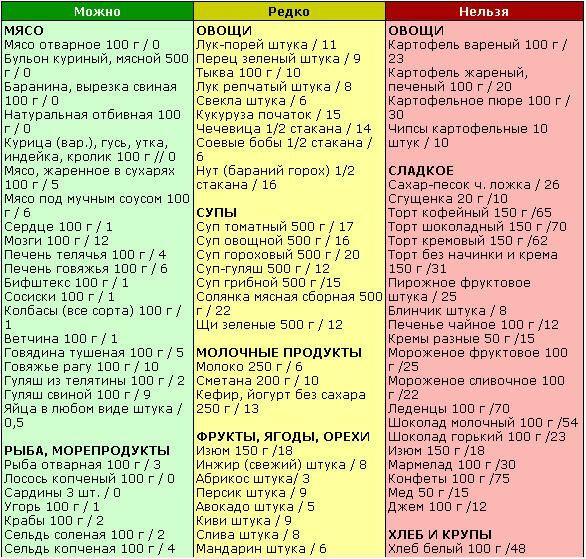
- Observe proper nutrition, taking into account the condition and age of the children. Parents are required to study in detail the permitted and prohibited foods, cooking methods.
- Timely use the medications prescribed by the doctor, without deviating from the treatment regimen
- Keep your hands clean and take other hygienic measures.
- To carry out preventive measures to infect the intestines with parasites, poisoning.
- Always respond immediately to pain and other symptoms of gastrointestinal diseases in children.
Using simple rules, you can exclude the appearance of pancreatitis in children or reduce the relapse of the disease to a minimum.
Proper treatment will completely eliminate the disease or minimize exacerbations.