Chronic alcoholic pancreatitis: symptoms and treatment
Chronic alcoholic pancreatitis is one of the forms of inflammation of the endocrine gland located in the abdominal cavity and connected to the duodenum and bile duct.
Alcohol abuse is the cause of many diseases in the human body, including alcoholic pancreatitis.
An acute form of pathology can also occur against the background of abundant libation, which was accompanied by the intake of fatty, spicy and poorly digested food.
Chronic appears when a person constantly drinks, leads an antisocial lifestyle, eats from time to time, but drinks alcohol regularly and in large quantities.
Alcoholic pancreatitis is a disease with a negative prognosis, which can end badly during the next relapse, if the main provocateur of inflammation is not eliminated in time.

Content:
- 1 The nature of the problem and the mechanism of occurrence
- 2 The mechanism of action of alcohol and the development of acute inflammation
- 3 Chronic form of the disease
- 4 Symptoms and Diagnosis
- 5 Treatment and prognosis
- 6 Useful video
The nature of the problem and the mechanism of occurrence
Acute pancreatitis is a disease, the development of which can easily lead to the development of a chronic form, which is characterized by periodic relapses and remissions.
Over time, the period of relative calm between attacks gets shorter and harder.
Approximately 2/3 of alcoholics with such a defeat come to a rapid death. The development of chronic pancreatitis almost always occurs against the background of alcohol addiction, daily libations, strong drinks, usually of not very good quality.
However, it would be a mistake to believe that the consumption of expensive drinks cannot cause alcoholic pancreatic provocation, since certain prerequisites are necessary for its occurrence, causing inflammatory process.
The pancreas is an integral part of the endocrine system of the body, which is responsible for the production of essential digestive enzymes and the hormone insulin, which regulates human blood sugar levels.
Against the background of the lack of the required amount of insulin, diabetes mellitus develops.
Insufficient production of enzymes leads to the progression of numerous pathologies of the digestive organs, (including number, liver and gallbladder, intestines and stomach), the normal activity of which depends on the functionality pancreas.
Chronic pancreatitis occurs under the influence of various provocateurs that cause an inflammatory process in cells of the organ, but of which it is alcohol that is the prevailing leader, acting as a starting factor a.
If a person has alcoholic pancreatitis, the gastroenterologist confidently assumes other provoking factors:
- hereditary predisposition;
- diseases of the stomach and duodenum, associated dyspeptic disorders;
- gallbladder disease (usually congestion associated with a poor and irregular diet, interspersed with significant doses of alcohol);
- alcoholic hepatitis or liver cirrhosis;
- poor quality food with low levels of protein compounds;
- allergic reactions;
- disorders of the nervous system and related disorders of the functionality of the brain.
Alcohol plays a huge role in the development of acute alcoholic pancreatitis, which causes all these disorders on the background of constant intake and dysfunctions of the digestive system, to which they were also brought by this provoking factor.
The mechanism of action of alcohol and the development of acute inflammation
In addition to insulin, the pancreas also produces other compounds. The endocrine gland juice changes its composition with the permanent use of alcohol.
An excess level of proteins appears in it, and the stomach's response is an excess production of hydrochloric acid.
The liver, in turn, enhances the production of bile, aimed at breaking down harmful compounds and excreting them, already in a neutralized form, from the body.
The secretion of one of the hormones, pancreozymin, a product of the duodenum, is multiplied by the action of ethanol metabolites that appear in the digestive system.
The result of this is a change in the quantitative composition of bile, and the lack of nutrition causes stagnation.
At the same time, excess liver production does not find passages for removal into the intestinal lumen.
At the same time, the ducts of the pancreas itself are blocked by protein compounds, the increased production of which has already begun with the breakdown of alcohol. Blockage of the ducts and triggers the starting mechanism of inflammation:
- produced digestive enzymes cannot leave the endocrine gland due to blockage of the bile ducts;
- their activation, as a result, occurs inside the organ that developed them;
- the attack of active compounds, instead of food components, is directed to the cells of the pancreas producing them;
- inflammation starts from the release of serotonin and mast cells, which are produced by organ cells in order to escape from necrotization (death) under the influence of active enzymes;
- the launched mechanism cannot stop spontaneously, and the longer it continues to work, the more significant negative changes occur.
In the course of pancreatitis, two forms of flow are standardly distinguished. Acute is accompanied by pronounced symptoms caused by the negative effects of lipid-containing food together with alcoholic beverages.
The chronic form develops almost asymptomatically and gradually affects the cells of the gland.
But this process leads to organ dysfunction, against the background of which other irreversible processes in the alcoholic's body progress in parallel.
In the complicated course of pancreatitis, against the background of chronic inflammation, diabetes mellitus develops, caused by a shortage of the pancreas product - insulin.
During relapse, acute renal failure, hypovolemic shock or cerebral edema may occur, which become the cause of death.
The same picture can manifest itself in the acute course of the disease with the development of acute pancreatitis.
Therefore, gastroenterology diagnostics is aimed at the timely detection of the disease and its inpatient treatment.
Chronic form of the disease
It occurs against the background of constant alcohol intake, the effect of which sometimes allows patients not to notice even acute attacks.
The process of disintegration of pancreatic cells under the influence of destructive processes proceeds in a smoothed form, sometimes (with especially abundant libations), which develops into a stage of exacerbation or relapse.
The interconnection of the organs of the hepatobiliary and digestive systems during this period gradually leads to the development of new diseases or the accelerated course of those already existing in the body.
Often it is not possible to determine what exactly caused the development of pancreatitis, as well as to establish which of the existing conditions was its consequence.
Against the background of a chronic form of inflammation of the pancreas in the body of an alcoholic there are:
- stomach and duodenal ulcer;
- obstruction of the bile ducts;
- cholelithiasis;
- violation of the bile outflow and the state of secretion;
- hepatitis of the same etiology or alcoholic cirrhosis;
- the initial stage of encephalopathy caused by alcohol abuse.
The general condition of the body cannot even be stabilized if the patient continues to drink alcohol.
Its destructive effect causes an increasing aggravation of the pathology of the pancreas, leading to the development fistulas, cysts, pseudocysts filled with wastes from the process of cell necrotization, malignant neoplasms.
The reason for the development of chronic alcoholic pancreatitis is considered to be a combination of negative processes in the body.
They are exacerbated by unhealthy lifestyles, other bad habits, chronic malnutrition, or lack of appetite after alcohol intoxication.
For the appointment of treatment, provocateurs must be eliminated immediately.
Symptoms and Diagnosis
The manifestations of any form of pancreatitis are in many ways similar to the symptoms of diseases of other organs of the hepatobiliary system. associated with impaired production or outflow of bile secretion.
External manifestations and symptoms - weight loss, weakness, stool disorders and modifications, lack of appetite, nausea and vomiting - easily associated with food poisoning, manifestations of alcohol intoxication, diseases of other digestive organs systems.
It is noted that 1/6 of alcoholics may experience paroxysmal pain in the chronic course, but they easily cope with them by sending new doses of alcohol to the body.
A clearly pronounced clinical picture manifests itself already with the onset of irreversible changes in the organ, when even surgical treatment rarely gives favorable predictions for recovery.
Laboratory diagnostics is aimed at distinguishing pancreatitis from the forms of diseases of other organs of the hepatobiliary system and determining the current stage of development of the disease.
This makes it possible to identify the degree of changes that have occurred, to develop the necessary treatment tactics for a specific subclinical case.
The reason for the diagnosis may be the onset of a certain terminal state during an exacerbation, but conventional methods are not enough to identify chronic alcoholic pancreatitis.
The doctor can easily suspect inflammation of the pancreas in a permanent course, when collecting an anamnesis, in which there will be a constant use of alcohol.
Only when diabetes mellitus is detected does endocrinology do this. Laboratory diagnostics usually provide the basis for therapeutic or surgical treatment of impaired natural functionality.
In the course of diagnostics, the following can be used:
- laboratory blood tests (general analysis and biochemistry, to determine changes in the composition);
- analysis of secretions (urine and feces: the nature of the contents allows you to identify the presence of changes if glucose, stearates, undigested fibers are present);
- the so-called secretin-pancreozymin test, for the production of pancreatic and duodenal enzymes;
- Ultrasound, CT and MRI, as auxiliary methods, to clarify an already established diagnosis;
- cholangiopancreatography, which is performed using a special endoscopic probe and contrast agent.
The identified form of alcoholic pancreatic disease serves as an immediate basis for recommendations to stop taking ethyl-containing drinks and prescribe treatment.
The intensity and nature of the measures taken depend on the state of the organ and the manifestation of clinical symptoms.
Surgical treatment is prescribed for certain changes (tumors, blockage of the bile ducts, fistulas or cysts in the pancreas).
Stable remission can be achieved only with the elimination of the main provoking factor and adherence to the diet, with drug therapy.
Treatment and prognosis
There is no single prognosis for this condition. Life expectancy determines the timeliness of the therapeutic measures taken, the elimination of negative factors of influence and the diseases present in the body.
They can sometimes kill the body earlier than chronic alcoholic pancreatitis. A certain proportion of patients carry out the recommended treatment only with an exacerbation of the existing condition.
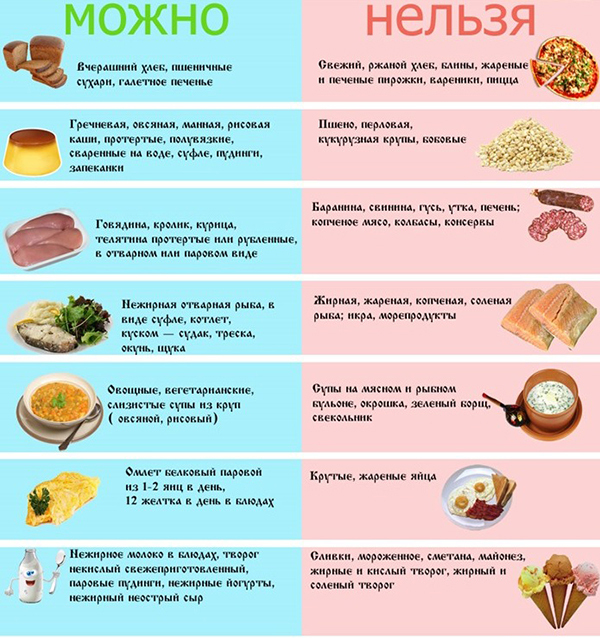
Some do not stop drinking alcohol and do not consider themselves sick enough to follow a diet. It is the diet that is one of the main means of complex treatment.
Eating healthy foods and eliminating harmful ones, in this condition, can significantly reduce the inflammatory process and somewhat normalize digestion.
The doctor may recommend physical therapy (UHF, electrosleep, nitrogen baths, etc.). Drug therapy is carried out depending on the symptoms that appear.
Prescribing drugs may be a consequence of the need:
- reduce pain symptom and spasm (analgesics and antispasmodics);
- lower blood sugar levels;
- replace or increase the pathological production of pancreatic enzymes;
- eliminate dyspeptic symptoms, if they are especially pronounced;
- make up for the lack of vitamins and minerals in the body.
Surgical treatment is used in case of emergency. The operation allows you to remove tumor-like formations, adhesions. obstruction of ducts, fistulas and other consequences of a specific condition.
The short-term prognosis may worsen and come on more quickly if treatment is carried out, or replaced by periodic medication.
High-quality - helps to improve the patient's condition and extend his life, stop quickly progressive process, reduce the likelihood of complications or sudden death outcome.
A prerequisite for success is the cessation of alcohol intake, the elimination of bad habits. adherence to diet and other conditions of a healthy lifestyle.