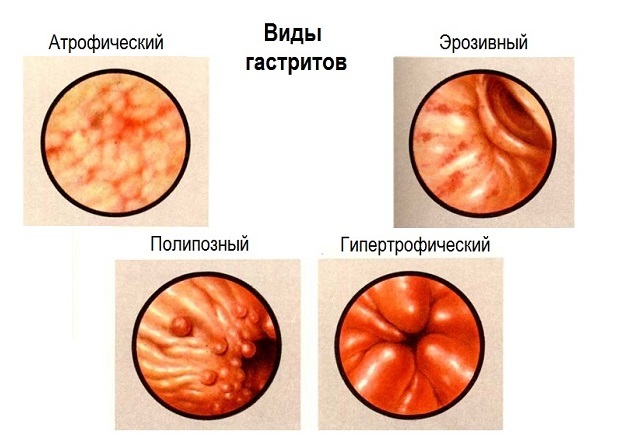
Symptoms and causes of erosive gastritis

Gastritis - an inflammation of the protective mucousThe shell of the stomach. With acute gastritis, sudden and severe inflammation develops, while chronic gastritis involves a prolonged and slow process, which can last for many years, if not treated.
Less common form of the disease - erosive gastritis, as a rule, does not cause any inflammation, but can be dangerous, as it leads to sudden bleeding and ulcers in the gastric mucosa.
As with other types of gastritis, treatment is effective when the doctor's recommendations are followed. As a rule, the normalization of the state occurs quickly.
Why the disease develops
There are certain reasons that cause an erosive gastritis:
- One of the main ones is damage to the gastric mucosa. This can be due to concomitant diseases such as Crohn's disease, food allergies and intolerance to certain substances, colic, increased acidity, gastrointestinal reflux, and infections caused by bacteria, for example E. coli.
- Causes of erosive gastritis - excessive use of non-steroidal anti-inflammatory drugs( NSAIDs), such as ibuprofen and naproxen. Alcohol is also included in this category.
- Genetic conditions, viral infections and bacterial causes of diseases can also lead to damage to the gastric mucosa. Long-term use of medicines taken without a prescription and doctor's supervision can also cause this condition and abdominal pain.
- Stress is also often associated with erosive gastritis. Although there is not much evidence to support this theory, many doctors believe that managing stress and improving overall quality of life can help you prevent erosive gastritis.
- Causes of erosive gastritis - a trauma of the stomach, which leads to damage to the mucous membrane of the gastrointestinal tract, and a decrease in blood circulation in these organs, which ultimately leads to a lack of nutrition of tissues.
Symptoms of acute form
Most of the erosive symptoms of gastritis are very easy to identify, they are extremely unpleasant and uncomfortable, in addition to the debilitating pain experienced by the patient.
The most common signs of this condition include:
- Bloating, flatulence, belching, dyspepsia and change in stool.
- You can experience pain attacks after eating food or drinking ordinary water.
- Patients report a sudden loss of appetite, and the consequences are weight loss. It is usually sharp and the patient can radically lose weight in a very short period.
- If you have signs of an acute erosive gastritis caused by stress, you will complain of nausea and vomiting.
In rare cases, erosive gastritis can lead to bleeding in the stomach. Blood can appear in the stool, and in some patients there are cases of bloody vomiting.
Still, cases of bleeding are rare in erosive gastritis. In these patients, there are other symptoms characteristic of this disease, at least within a week before the onset of bleeding. The recommendation to such patients is to discuss their condition with the doctor as soon as possible.
Symptomatic of chronic form
As a rule, this is an unexpressed form of inflammation. The clinical manifestation is erased. Of the signs of chronic form, a rare nausea, discomfort in the stomach, sometimes pain in the pit of stomach.
Rumbling in the abdomen - flatulence, unstable stool, perhaps, frequent companions of this form of erosive gastritis.

Diagnostic Methods
The method for diagnosing erosive gastritis begins with the assessment of symptoms. The doctor will discuss the manifestations of the disease with the patient in detail. During medical examination, the specialist palpates the stomach in the place where the patient feels frequent pain. Because this erosive gastritis symptoms are similar to common gastritis and the doctor, you may need to prescribe some additional tests to confirm the diagnosis.
A blood test is performed to confirm the presence of viruses or bacteria. The doctor may also take a stool sample to check for blood.
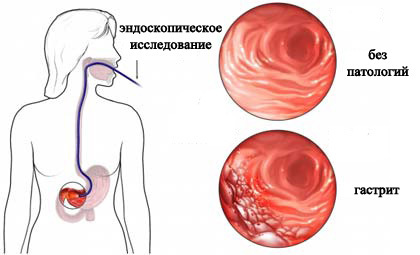
A biopsy of the stomach confirms the onset of degeneration of the gastric mucosa. This is usually done with an endoscopy performed in the doctor's office. Further testing may include ultrasound to check the gastric mucosa and X-rays.
Treatment
After diagnosis, the doctor will discuss with you the plan of supportive measures and treatment in detail. You will be recommended diet and a proton pump inhibitor is prescribed. The course of antibiotics is prescribed in case of bacterial infection.
Nutrition treatment is effective in this disease. Most patients note a rapid effect when the diet is properly selected and adequate treatment is prescribed. Very little dietary restrictions and lifestyle changes will be required. You can independently manage your state.
Methods and treatment that are prescribed for erosive gastritis and used to prevent deterioration of health :
- Start by evaluating your meals. Eat small meals throughout the day, but make sure that you eat healthy and fresh food, otherwise you risk aggravating the condition. This is important, since your treatment will then take less time. Consume foods that are easily digested. Avoid consumption of protein, fats and spices in food. Refuse to eat whole grains, cereals, citrus fruits, green vegetables and dairy products. You should know that acidic foods such as tomatoes, oranges and pineapple are prohibited for you.

- Avoid caffeine and alcohol. It is extremely bad if you smoke. Even passive smoking can aggravate the condition, so it is very important to avoid contact with tobacco smoke. Treatment can be delayed, as nicotine adversely affects the body as a whole.
- Processed products in which flavors have been added, preservatives and colorants can provoke problems. In addition, avoid consuming meat products such as sausages, salami and pepperoni. Successful treatment also depends on the refusal to drink carbonated drinks, which can irritate the mucous membrane of your stomach.
- To remove stress will help physical exercise. Deep breathing and meditation will allow you to keep the level of stress at a low level. You can combine treatment and gymnastic exercises to prevent the development of acute erosive gastritis.
Treatment of gastritis depends on the cause. Sometimes it is enough to stop taking medication that caused the disease and it will be enough to recover.
Drugs called proton pump inhibitors work by blocking cells that create gastric acid. Nevertheless, prolonged use of these drugs, especially in high doses, can lead to an increased risk of fractures of the spine, hip and wrist.
Assign medications that reduce the amount of acid in the stomach. They relieve pain in gastritis and allow your gastric mucosa to heal.
Your doctor may recommend taking antacids to relieve pain with gastritis. These drugs neutralize the acid in the stomach, but can cause diarrhea or constipation.
Do not attempt to treat erosive gastritis alone, this is fraught with sad consequences. Medical examination, accurate diagnosis and treatment scheme, selected by a specialist, will allow you to quickly recover and regain lost health.