
Semolina porridge for pancreatitis: is it possible or not, which cereals are more useful
All kinds of cereals often become the basis of the diet of patients with pancreatic disease. Nutritional value, pleasant taste, easy assimilation make the dish a leader in food consumed by patients with disease. Not all cereals for pancreatitis are equally useful.
Content
-
1 Semolina in the patient's diet
- 1.1 The use of semolina
- 1.2 Harmful qualities of semolina
- 1.3 Semolina with exacerbation of the disease
- 1.4 Semolina during the attenuation of pancreatitis
-
2 Porridge included in the diet of a patient with pancreatitis
- 2.1 Rice porrige
- 2.2 Oatmeal
- 2.3 Buckwheat
- 2.4 Barley porridge
- 2.5 Wheat and barley porridge
- 2.6 Millet with pancreatitis
- 2.7 Corn and bean porridge
- 3 How to eat porridge with pancreatitis
- 4 How to cook?
Semolina in the patient's diet
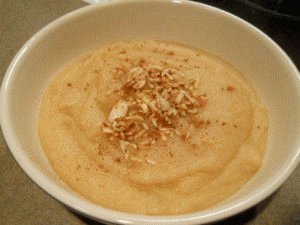
Semolina is thoroughly crushed wheat. Food prepared with the addition of cereals has the most delicate taste, soft slimy structure, does not require additional grinding. Semolina is quickly absorbed, provides a feeling of satiety, easily envelops the walls of the esophagus, preventing irritation. Porridge occupies a leading place in the treatment of the inflammatory process in the pancreas.
The use of semolina
Semolina with pancreatitis exhibits a number of useful qualities:
- The structure is not rough, which is important in the inflammatory process.
- When boiled, it acquires a slimy consistency. Covering the walls of the esophagus, it prevents the penetration of pathogenic microbes to the focus of the disease, helps to remove excess mucus and fatty substances from the body.
- It contains a lot of protein, having a beneficial effect on the healing process of the disease.
- Does not contain plant fibers, preventing excessive gas formation.
- Semolina is filled with useful substances that are preserved in their original form during heat treatment.
Harmful qualities of semolina
The composition of cereals contains gluten and phytin, which are harmful to babies and interfere with the accumulation of calcium in the body. For patients with inflammation of the pancreas, the substances are harmless, semolina is not considered the main source of nutrition for an adult.
As for the abundance of calories in semolina: a small amount of cereals is needed to prepare a dish, counting calories will not play a decisive role.
Semolina with exacerbation of the disease
Smear from semolina on water is the first dish allowed to be consumed by a patient with an exacerbation of the disease. Already a couple of days after the excess, a semi-liquid consistency in its pure form at minimum doses is allowed to be taken by the patient. By the end of the first decade of the disease, it is allowed to eat semolina in the form of a dessert, soup, or use it as an additional component in minced meat dishes.
Semolina during the attenuation of pancreatitis
During the recession of the disease, other semolina dishes are added to the patient's diet: sweet porridge, soups filled with semolina products, manna. Cheese casseroles with the addition of semolina are welcome. Baking, adding to minced meat and fish is allowed. Semolina is allowed to be eaten every two days, replacing the menu with more healthy cereals.
Porridge included in the diet of a patient with pancreatitis
Kashi are dishes that add variety to a poor patient's menu. Benefits: porridge made from rice, oatmeal, buckwheat, barley. Will cause harm - from millet, corn, wheat, peas, lentils and chickpeas.
Rice porrige
The first porridge consumed after an exacerbation will be rice. Cooked grits over low heat using water or diluted milk in the proportion: a liter of water and rice. With the attenuation of the disease, the finished cereal takes on a free-flowing appearance, it is allowed to add salt, oil, granulated sugar.
Rice porridges are useful: they are rich in nutrients, prevent hunger, and can be easily digested. Dishes do not irritate the digestive system, gently cleanse the body of decay products. Rice cereals exhibit an enveloping effect that protects the walls of the esophagus from irritants.
Due to its high fixative capacity, it is not recommended to eat porridge for constipation - frequent companions of pancreatic inflammation.
Oatmeal
Oatmeal is considered a mucous porridge. It is famous for its enveloping qualities, it is well accepted by the body, quickly absorbed in the gastric tract, saturating the body with proteins and fatty acids. Porridge neutralizes the excess of enzyme substances that occur during pancreatitis, has a stimulating effect on the digestive system, and is indispensable for difficulties with peristalsis.

Buckwheat
The highest score among cereals in terms of the composition of vitamins, minerals and energy benefits was shown by buckwheat. The content of a large number of cellular fibers increases the effectiveness of bowel cleansing, makes the body hardy in relation to a number of pathogens. Buckwheat helps to regenerate cells of the pancreas, relieves inflammation in the gastrointestinal tract. Porridge contains few calories and is indicated for consumption from the first hours of the onset of pancreatitis. Buckwheat plays a cleansing, stimulating, enzyme-generating role, improves the functionality of the pancreas. With any kind of grinding of the cereal, the usefulness does not decrease. This makes buckwheat porridge of paramount importance for disease.
With an exacerbation of the disease, it is necessary to use buckwheat, boiled to a state of stickiness. Oil and salt are prohibited. When the condition improves, the patient is allowed to take pre-chopped buckwheat soup. At the moment of attenuation, it is allowed to use buckwheat in a crumbly form. You can add butter, sugar or bee products. Buckwheat, diluted with kefir, has a cleansing ability that restores the work of the pancreas.
Barley porridge
Barley with pancreatitis plays an important role, exhibits the ability to eliminate toxic substances, enveloping the mucous surface of the esophagus, pain relief, relieving inflammation, creating a protective coating for the intestines.
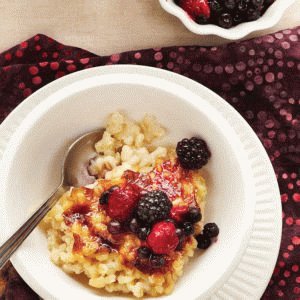
The disadvantage of cereals is excessive stiffness. For the purpose of normal digestion, it is necessary to cook cereals for a long time with further rubbing through a sieve.
Wheat and barley porridge
The composition of cereals contains a lot of gluten, vitamin B, potassium and other useful substances. The composition of cereals is low in calories.
Wheat porridge with pancreatitis improves metabolism and the work of the digestive tract, removes negative elements from the human body. Due to the extreme carbohydrate content of pancreatitis, millet is consumed in limited quantities, in small portions and infrequently.
Barley porridge is prohibited. The cause was an excess of carbohydrates, which makes it difficult to digest. Barley porridge is allowed to be eaten in the form of mashed potatoes during the complete attenuation of the disease and infrequently.
Millet with pancreatitis
Millet porridge for pancreatitis is allowed for infrequent use during the recession of the disease. Millet with pancreatitis is not digested by the human intestine, creating a great load on the diseased pancreas.
Corn and bean porridge
Corn does not lose its firmness even after long boiling. The fiber contained in the composition creates great difficulties with digestion. Including corn in the diet is indicated for a sluggish form of the disease and is extremely rare.

Peas, chickpeas, beans contain an increased amount of coarse fiber, which causes flatulence and other unpleasant symptoms. Porridges from the listed cultures are prohibited, even when the disease is alleviated. On rare days of use, it is allowed to cook such cereals infrequently, eat a little, chewing thoroughly.
How to eat porridge with pancreatitis
During the period of the acute course of the disease, they eat cereals approved by the doctor. They start with rice, later the ban is removed from buckwheat, oatmeal, pearl barley, semolina. Boil until liquid in water or half with milk, rub through a sieve or beat.
During the decay of the disease, the porridge is not grinded, but cooked in a crumbly form, adding salt, granulated sugar, oil. Then they are boiled in pure milk, without water.
How to cook?
With pancreatitis, permitted porridges are tasteless, insipid. During an exacerbation, nothing can be helped. When the disease subsides, additives in the form of oil, granulated sugar, bee products, jam, berries, fruits, dried grapes, nuts, and seeds will help to improve the taste.
The place of preparation of porridge is of great importance. Dishes turn out well in the oven and special eclectic devices for cooking porridge. A delicious side dish of vegetables, meat and fish products, light sauces and dressings will help improve the taste.
Porridge is of great benefit to the body in case of pancreatitis. Each has pros and cons, certain properties and disadvantages. For good nutrition, one cannot be limited to one type of food, the diet must be varied. The porridge is best eaten one at a time, using original cooking methods, adding different ingredients.


