
Shrimp for pancreatitis: is it possible to eat seafood
Today on the shelves of specialized stores there are seafood delicacies for every taste, valuable for gourmets. Seafood dishes are included in the menu of expensive high-end restaurants, and each hostess tries to surprise guests by putting exotic treats made from shrimp, squid on the festive table or crabs.
Nutritionists have not ignored the protein-rich product. Doctors strongly recommend including seafood in the diet of people who are obese, impaired work of the cardiovascular system, with diseases of the musculoskeletal system and respiratory ways. Eating seafood helps to strengthen the immune system and increase vitality.
Consider the issue of a therapeutic diet for people suffering from diseases of the digestive system, is it allowed to include seafood in the diet for pancreatitis.
Content
-
1 Seafood - what is it and how is it useful
- 1.1 Seaweed
- 1.2 Molluscs
- 1.3 Crustaceans
-
2 Is it possible to introduce seafood into the diet with pancreatitis
- 2.1 Seafood and acute pancreatitis
- 2.2 Seafood and chronic pancreatitis
Seafood - what is it and how is it useful
For most residents of the CIS countries, the product is considered more exotic than ordinary. Nutritionists recommend periodically including it on the menu. Seafood tastes good and has many health benefits.
These include crustaceans, molluscs and algae. Shrimp, squid and kelp are popular foods, food packages are easy to find on store shelves.
Seaweed
Seaweed is good for the human body:
- Filled with vitamins of group A, B, C, D, E, R, PP and microelements, they note a high percentage of iodine content;
- Contains phytohormones, amino acids.
The inclusion of seafood in the diet contributes to:
- strengthening the cardiovascular system and improving metabolism;
- removal of toxins and salts of heavy metals from the body;
- antibacterial protection of the body;
- improving the functioning of the thyroid gland.
Possessing many unique properties, seaweed is used in cosmetology, cooking, medicine, thalassotherapy and dietetics.
Molluscs
A group of dietary products, exotic and expensive. The most famous and popular are mussels, squid and rapanas, they have exquisite taste and a lot of useful properties:
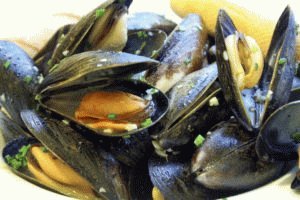
- A large percentage of the content of B vitamins, especially vitamin B12, helps to improve metabolism and brain function, strengthen blood vessels and heart muscle.
- The presence of Omega-3 and Omega-6 polyunsaturated fatty acids, due to which shellfish are considered cardioprotective - reduce the risk of arrhythmia, regulate blood cholesterol levels.
- A variety of trace elements in the product - iron, phosphorus, zinc, manganese, selenium and folate. Manganese helps to strengthen bones, selenium - protects against malignant tumors, neutralizes carcinogenic substances.
- High in dietary protein. In terms of content, mussels are not inferior to beef, in marine life there are less saturated fats.
However, mollusks pick up sewage from the bottom of reservoirs, eat toxic algae, and can cause poisoning in a person who has eaten the product.
Crustaceans
A common group of seafood used in cooking. The meat of aquatic inhabitants is tender and has a unique taste. Crustacean meat is considered a valuable dietary product due to:
- The content in the composition of vitamin A - useful for eyesight; valuable vitamin B12, rarely found in other foods; vitamin D, which prevents the development of rickets in children; vitamins C, E, PP.

- The presence of an easily digestible protein, useful for the restoration of damaged tissues of internal organs, including the pancreas.
- A variety of trace elements. There are magnesium, calcium, potassium, iron, phosphorus, fluorine, copper, selenium, zinc, chromium.
- The volumetric content of iodine, which is necessary for the health of the thyroid gland.
- The presence of amino acids.
- High content of Omega-3 and Omega-6, which normalize the level of fat-containing elements in the blood.
- The presence of taurine, which helps to improve vision and increase vascular elasticity.
Like molluscs, crustaceans are marine "scavengers", they absorb salts of heavy metals and radioactive substances.
Is it possible to introduce seafood into the diet with pancreatitis
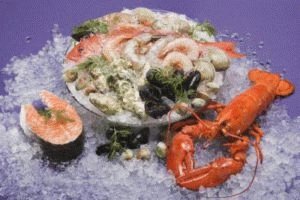
People with pancreatic disease are forced to adhere to a sparing diet for most of their lives and carefully think over their diet. Sometimes you have to give up the healthy products available to other people. Seafood is a healthy and tasty product, especially shrimp. Is it allowed to include shrimp in the menu for pancreatitis?
Gastroenterologists give a positive answer; certain rules should be followed when using.
Seafood and acute pancreatitis
In the phase of acute pancreatitis, the pancreas is inflamed; in the first few days after the attack, a person feeds on the intravenous administration of solutions and drugs. Then the patient is transferred to a sparing diet, excluding mechanical, thermal and chemical effects on the pancreas.
Shrimp and other seafood contain easily digestible protein and a lot of useful elements, they are distinguished by a dense structure, thanks to chitin, which is part of the composition. Animals, like a sponge, absorb salts of heavy metals and radioactive substances, becoming dangerous for the body weakened by the disease. In the first two months after the attack of pancreatitis, seafood, including shrimp, should not be consumed.
Seafood and chronic pancreatitis
People suffering from chronic pancreatitis must constantly monitor the diet, an accidental mistake in nutrition will lead to an exacerbation of the disease. Sometimes mistakes cannot be avoided, and the unpleasant symptoms of the disease manifest themselves with force.
During an exacerbation of chronic pancreatitis, a gentle diet is prescribed, as in acute pancreatitis. Seafood should be discarded. After the symptoms of exacerbation have disappeared, the addition of shrimp meat to the composition of other dishes is allowed by doctors, steamed and thoroughly grated.

During remission, there is no need for mechanical sparing of the pancreas. Shrimp, mussels, kelp need to be eaten, they are a storehouse of useful vitamins and minerals, contribute to the recovery of the body after illness. Protein from shellfish and crustaceans is easier to digest than meat, helping to repair damaged tissue in the pancreas. The fat content of seafood is lower than that of poultry.
People with chronic pancreatitis need to remember the following rules:
- Seafood must be of exceptional quality. On the limbs of the shrimp, there should be no black or yellow spots indicating unsuitability.
- Smoked, pickled seafood is unacceptable for people suffering from chronic pancreatitis.
- The daily intake of shrimp in the period of stable remission is 350 grams.
In the absence of symptoms of the disease, seafood and shrimp are allowed to be consumed in their natural (not pureed) form. Preferably steam, stew or bake, add to soups or omelets. There are many recipes for healthy and tasty dishes that make it easy to diversify the meager dietary menu of a person suffering from chronic pancreatic disease.


