
Pancreatitis and diabetes mellitus: relationship and co-treatment
One of the most serious pathologies of the digestive system is pancreatitis. This is a family of diseases in which the pancreas becomes inflamed. The authority has two important functions:
- Exocrine - the release of digestive enzymes into the duodenum (that break down starch, fats, proteins) and an electrolytic fluid that transports enzymes into the duodenum.
- Endocrine - the production of hormones glucagon and insulin into the blood, which regulate the metabolism of carbohydrates.
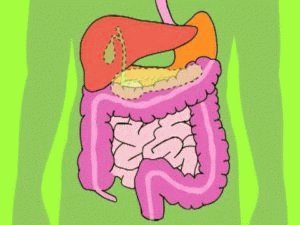
The main reasons that cause disturbances in the functioning of the pancreas and provoke inflammation are: in 70% of cases - alcohol consumption, in 20% - cholelithiasis. The disease can occur with trauma to the pancreas, various infectious-viral and autoimmune diseases, congenital tendency, taking certain medications.
IN international classification of pancreatitis, depending on the causes of occurrence, are divided into: acute, chronic, caused by alcoholic exposure, and chronic, provoked by other reasons.
Under the influence of chemical or physical damage to the pancreas, the duct pressure increases and inactive enzymes are released from the cells of the organ. They do not have time to exit into the lumen of the duodenum and are activated by digesting the tissue of the gland. Less commonly, violations occur with calcification and sclerosis of the parenchyma (internal tissue) of the pancreas. As a result, focal changes arise and progress, degeneration and degeneration of cells into fibrous (connective) tissue. With a prolonged inflammatory process, most of the pancreatocytes (glandular elements) atrophy, enzymes and hormones cease to be secreted. This leads to enzyme deficiency, in 40% of cases to diabetes mellitus.

Inflammatory process of the pancreas
Content
- 1 Diabetes with pancreatitis
- 2 Conservative treatment
-
3 Health food
- 3.1 Basic nutritional principles for pancreatitis and digestive disorders
- 3.2 Do's and don'ts for pancreatitis and diabetes
- 4 Forecast and general advice
Diabetes with pancreatitis
Diabetes in pancreatitis is accompanied by digestive disorders, abdominal pain and impaired carbohydrate metabolism. More often, blood sugar levels are quite high. This is because the pancreas cannot release enough insulin to lower glucose levels. Type 1 diabetes occurs.
In type 2 diabetes, the breakdown of carbohydrates is impaired. When insulin levels are high, cells do not respond to the hormone. This makes the pancreas work hard. As a result, inflammation progresses and atrophic pancreatitis.
Conservative treatment
Pancreatitis and diabetes require medication. In case of insufficiency of the enzymatic function of the pancreas, replacement therapy is necessary. The doctor individually selects the doses of enzyme preparations that break down proteins, fats, and normalize carbohydrate metabolism.
Insulin-dependent diabetics are given insulin injections. For people with type 2 diabetes, no injections are given. Patients are prescribed drugs that lower blood sugar.
Health food
Pancreatitis and diabetes mellitus must be treated in a comprehensive manner. In parallel with drug therapy, patients are required to adhere to dietary nutrition. Such an approach will allow avoiding complications, achieving stable remission, and improving the quality of life of patients.

Basic nutritional principles for pancreatitis and digestive disorders
The basic rules of nutrition for pancreatitis are to balance the nutritional value of the foods consumed. It is necessary to increase the amount of protein, reduce the intake of simple carbohydrates, and optimize the number of plant and animal products. Foods containing protein have a beneficial effect on the course of pancreatic diseases. Proteins are found in foods such as meat, fish, soybeans, egg whites, and nuts. Regardless of the presence of diabetes in the anamnesis, fractional food intake is important. The regimen assumes 6 meals a day in portions weighing no more than 300 g.
For the treatment of exacerbated and chronic inflammatory process of the pancreas, a special diet table No. 5p has been developed. For diabetes, table number 9 is used.
For patients with pancreatitis, it is important not to provoke a strong secretion of gastric juice, as in the case of a stomach ulcer. The increased content of hydrochloric acid causes the production of gastrin. The hormone stimulates the secretion of the pancreas, its digestive enzymes and insulin. From the diet, it is required to exclude spicy and sour foods, dishes that have been fried and smoked. It is forbidden to consume alcohol.
Diet for ulcers, as in pancreatitis, involves steaming or boiling, grinding and serving warm. Mechanical effects and temperature changes adversely affect the gastric mucosa, cause inflammation and the production of pancreatic enzymes.

Do's and don'ts for pancreatitis and diabetes
The diet of patients in each case is selected individually, with an eye on the accompanying pathologies. The diet for pancreatitis and diabetes mellitus should also take into account taste preferences and intolerances to specific foods and at the same time, it is designed to compensate for the lack of nutrients. This deficiency occurs as a result of insufficient absorption of proteins, fats and carbohydrates. The menu should take into account the level of the body's glucose tolerance.
With diabetes, a sufficient amount of protein foods is included in the diet of patients. Protein-rich foods digest slowly and do not cause blood sugar spikes, are recommended for diabetics.
With an exacerbation of a chronic inflammatory process, rice, oatmeal and semolina porridge are excluded from the diet. Buckwheat is preferred. Bread must be chosen gray, and before eating, it is dried. Fresh and rich baked goods, especially for gastritis with low acidity, cause rotting of poorly digested food. This makes it harder to break down carbohydrates, increases stress on the pancreas, and leads to spikes in blood sugar. With mild diabetes and chronic pancreatitis, it is allowed to eat crackers and bagels. These products are relatively low in calories. Bagels and dryers are best soaked in tea. Such a gentle diet does not irritate the mucous membrane and enriches the patient's menu.
With severe diabetes, the patient is prohibited from sweets and sweet fruits. But with a low sugar level and chronic pancreatitis, you can include a small amount of sweets in the diet.
Vegetables and fruits with exacerbation of diseases must be cooked. During remission, it is allowed to eat raw. Sour fruits: apples, plums, etc. in the acute phase of the disease are contraindicated. Besides the fact that these fruits stimulate the production of gastric and pancreatic juices, plum with pancreatitis increases diarrhea and worsens the course of disease. During persistent remission, you can eat sour fruits in small quantities. They contain a large amount of fruit acids, vitamins and minerals that have a beneficial effect on the body and its regenerative functions.
It is good for diabetes mellitus to drink skim milk and dairy products, they are also allowed for pancreatitis. Thanks to amino acids and enzymes, dairy products are easily digested, and the presence of protein, calcium and other micro and macro elements helps to calm down inflammation and restore body functions.
Also in the diet, you need to review the quality of fats. A diet for pancreatitis and ulcers prohibits pig fat, beef fat and lamb. It is better to give preference to lean meat (chicken, veal) and river fish. Vegetable fats must be present in the diet: olive, flaxseed and others. They have a curative effect on the restoration of cellular structures, normalize cholesterol and fat metabolism.
Patients are prohibited from chocolate and cocoa. Spicy garlic, onion and radish with pancreatitis cause severe pain and severe diarrhea, even with persistent remission.
Various herbs and spices significantly enrich the diet. They saturate the body with antioxidants that help eliminate toxins. But you need to be careful when eating greens for pancreatitis. Essential oils and organic acids irritate the gastric mucosa and provoke excessive secretion of pancreatic enzymes. Therefore, sorrel, spinach and lettuce are contraindicated in this disease. With prolonged remission, the patient is allowed to use other herbs in cooking: basil, cilantro, thyme and others. The safest are dill, celery, cumin, fennel and parsley for pancreatitis. The daily rate of these spices is selected individually, depending on the tolerance of individual products and related complications.
Forecast and general advice
Clinical studies have shown that in order to obtain a stable remission in chronic pancreatitis and diabetes, patients need, first of all, to eat properly. Drinking enough water is also important. It promotes better digestion of food, normalizes the water-salt balance and helps to remove decay products from the body.
A balanced diet and substitution therapy improve the quality of life of patients. The doctor will tell you which are allowed products for pancreatitis and diabetes, will select a diet and prescribe a course of treatment. These measures in 80% of cases lead to long-term remission.


