Acute pancreatitis: what is it, treatment, symptoms and prevention
Pancreatitis refers to severe diseases of the pancreas. Over the past few years, the number of patients suffering from this pathology has doubled. This applies to acute and chronic forms of the disease. The disease is provoked under the influence of malnutrition, bad habits, gastrointestinal diseases and is manifested by a pronounced pain syndrome. In this article we will answer the questions: acute pancreatitis, what is it, what are the main symptoms and causes of manifestation, what are the methods of treatment for this disease?

Acute pancreatitis: what is it
Content
- 1 General description of pancreatitis and its forms
-
2 Acute pancreatitis and its causes
- 2.1 Symptoms and signs of the disease
- 2.2 Development of acute pancreatitis in a patient
- 2.3 Danger of acute pancreatitis
- 3 Diagnostic methods for acute pancreatitis
-
4 Acute pancreatitis treatment
- 4.1 First aid for an acute attack
- 5 Nutrition after an illness
- 6 Medicines for acute pancreatitis
-
7 Traditional methods of treating the disease
- 7.1 Caraway
- 7.2 Mummy
- 7.3 Raw potatoes
- 7.4 Dill
- 7.5 Birch buds
-
8 Prevention and prognosis of the disease
- 8.1 Video - Pancreatitis: causes, symptoms, treatment, diet
General description of pancreatitis and its forms
Pancreatitis is an inflammatory process localized to a small or large area of the pancreas. The disease can develop rapidly, while an acute stage is noted, or there is a gradual replacement of healthy connective tissues, this is how chronic pancreatitis proceeds.
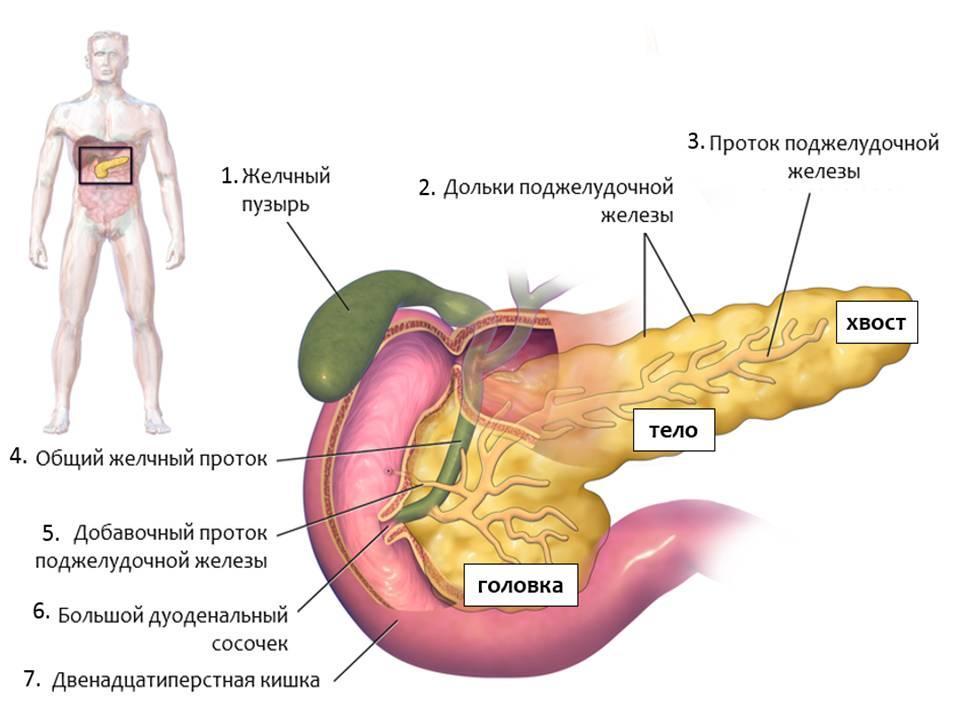
Pancreas - structure
The acute stage develops in a mild to severe degree. In the first case, the inflammation is localized in a small area and is eliminated with medication. With a severe acute stage, inflammation develops on a vast location of the pancreas or on all tissues of the organ. This can lead to necrotic, hemorrhoidal and purulent processes that endanger the patient's life.
The chronic stage is characterized by periods of exacerbation of pain and the withdrawal of the disease into remission. As a rule, with this degree of pathology, problems are caused after malnutrition and accidental injuries.

Pancreatic ducts
In acute stages, the pain is acute or shingles. In chronic pancreatitis, there is a more moderate pain syndrome. Additionally, vomiting, nausea, bloating, diarrhea, constipation, weakness, and weight loss are diagnosed in both cases.
Attention! In the chronic stage, all these symptoms are noticeable only during the exacerbation period and are less pronounced. This form of pancreatitis is almost always treated only with conservative methods.
Acute pancreatitis and its causes
This pathology is characterized by a severe inflammatory process of the pancreas. Due to inflammation, the organ grows, there is a strong edema of its tissues. In a severe stage, areas of destruction of the structure of the tissues of the pancreas are observed due to the large accumulation of bacteria. From this inflamed focus, infection can spread out, infecting organs in the abdominal cavity and poisoning the entire body. An acute inflammatory process in the pancreas is characterized by severe pain that can radiate to the organ region or spread throughout the abdominal region and back.

What does inflammation of the pancreas look like?
Almost half of all patients with acute pancreatitis suffer from alcohol dependence. In addition, the following factors can provoke disturbances in the pancreas:
- diseases of the gallbladder and other parts of the gastrointestinal tract;
- frequent overeating, eating a large amount of unhealthy food, including fried, smoked and salted;
- uncontrolled intake of medicines, most often antibiotics and hormonal drugs;
- trauma to the abdomen and pancreas;
- surgery performed on the abdominal organs;
- improper formation of the structure of the tissues of the pancreas of congenital or acquired types.
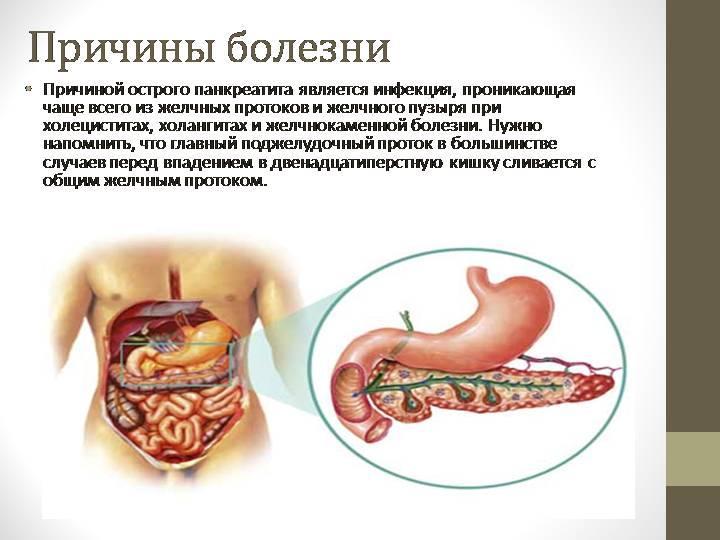
Causes of Acute Pancreatitis
Symptoms and signs of the disease

Pancreatitis symptoms
One can suspect a dangerous condition for a patient by the presence of characteristic signs for him:
- intense pain syndrome, which is localized in the upper abdomen;
- often the pain radiates to the back and is of a shingles in nature;
- the patient's blood pressure drops, bradycardia may develop;
- at the beginning of the development of an attack, nausea is felt, vomiting gradually appears;
- a yellow or white plaque appears in the oral cavity;
- the patient complains of heartburn, hiccups may occur;
- often there is frequent belching and dryness in the mouth;
- the skin takes on an unhealthy blue-green or gray tint;
- even repeated vomiting does not bring any relief;
- the patient loses his appetite, he has constant bloating and flatulence;
- the patient begins to lose weight intensively;
- bowel problems appear in the form of diarrhea or fecal retention;
- severe weakness, increased heart rate, and sometimes breathing disorders are noted;
- due to the inflammatory process, the body temperature rises, fever appears;
- confusion and severe dizziness are sometimes noted.

Depending on which zone of the tongue the plaque is in, one can judge about problems with a certain internal organ.
Attention! If even a small number of these symptoms appear, an urgent need to go to the hospital. The sooner the patient is treated, the fewer pancreatic cells will be affected.
Development of acute pancreatitis in a patient
A large amount of fatty foods, alcoholic beverages leads to severe stress on the pancreas. In order to process the incoming food, she needs to excrete more enzymes. They enter the intestines through the pancreatic ducts. If the organ does not cope with the load, protein plugs may form inside the ducts, which do not allow the juice to exit normally. As a result, the enzymes remain inside and begin to digest the pancreas. Under such influence, an acute inflammatory process is formed.
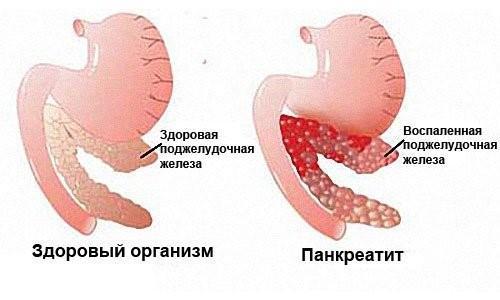
Inflammation of the pancreas is a very common disease in both women and men.
With a large amount of alcoholic beverages in the patient's diet, acetaldehyde accumulates in the body. It forms acute alcoholic pancreatitis.
The disease can develop under the influence of gallstone disease. The pancreas and gallbladder are connected by a duct, which forms the so-called ampulla. Along this path, bile and juice from the gland enter the digestive tract and allow food to be digested.
If the patient suffers from gallstone disease, fractions can escape into the duct and clog it. Because of this, not only juice with enzymes enters the pancreas, but also bile from the gallbladder. In this condition, acute biliary pancreatitis is formed.
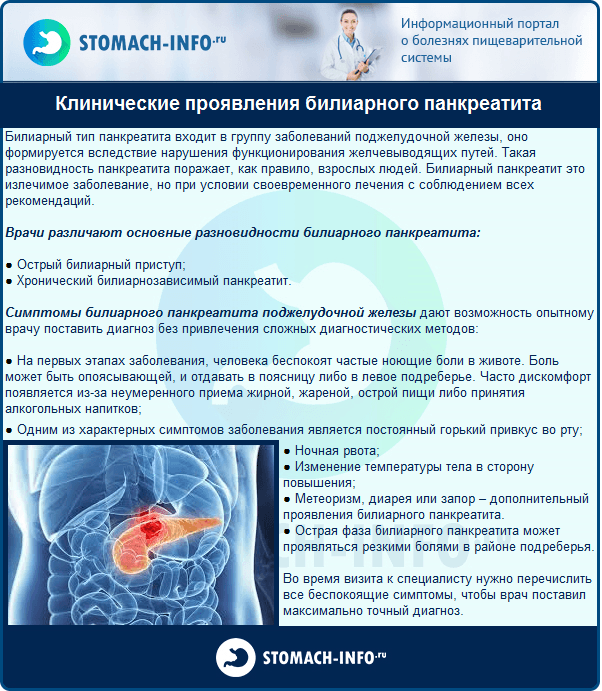
Clinical manifestations of biliary pancreatitis
Attention! The main reason for the development of the disease lies in problems with the natural outflow of enzymes from the pancreas. Combined conditions are very dangerous, in which the organ is also poisoned by bile. Because of this, the patient immediately develops an acute severe stage of pancreatitis, which requires mandatory surgical intervention.
Danger of acute pancreatitis
The danger of this form of pathology is associated with a high risk of developing severe complications, which can ultimately lead to the death of the patient. As soon as the tissue of the pancreas becomes infected, bacteria can begin to spread throughout the organ, provoking necrotic processes and abscesses. If, with such a development of the disease, timely medical and surgical care is not provided, the patient always dies.

Acute pancreatitis
Also, severe forms of the disease lead to shock, which can cause multiple organ failure. This condition is understood as a complete failure of internal organs, which also leads to death.
Sometimes, after the postponed stage of the acute type, pseudocysts are diagnosed in patients. In this condition, a large amount of fluid accumulates in the tissues of the pancreas in the patient. She begins to destroy the organ and channels for the release of enzymes.

What does ascites look like?
Attention! The pseudocyst can burst and form ascites. This state is understood as the release of the contents of the neoplasms into the abdominal cavity. The patient's abdomen is enlarged several times, the fluid is removed by an operative method.
Diagnostic methods for acute pancreatitis
Diagnostic procedures are performed by a gastroenterologist. First, he collects an anamnesis, after which he prescribes more accurate studies. The development of pancreatitis in the acute stage can be confirmed by general and biochemical urine tests and blood, using ultrasound of the abdominal organs, computed and magnetic resonance imaging of the pancreas glands.

MRI is the most informative diagnostic method
When receiving blood tests, they show a high level of leukocytes, an increased amount of amylase and lipase, which are pancreatic enzymes. Also, against the background of inflammation, the level of calcium increases sharply and hyperglycemia develops. Liver enzymes are found in urine.
By means of ultrasound, MRI and CT, structural changes, the presence of neoplasms in tissues, an increase or decrease in the size of an organ, fractions in the ducts, and purulent accumulations are determined.

Pancreas ultrasound
Attention! The patient is always checked for acute pancreatitis when he develops: appendicitis, cholecystitis, perforation of an ulcer, intestinal obstruction, bleeding and gastrointestinal ischemia.
Acute pancreatitis treatment
This form of the disease always requires compulsory hospitalization. The patient is constantly in bed, it is allowed to get up only to use the toilet. Therapy for acute pancreatitis is aimed at suppressing the pain syndrome, restoring the functions of the pancreas and relieving the accompanying symptoms of the disorder. For this, therapeutic and surgical methods can be used.

Treatment for acute pancreatitis
Therapeutic treatment includes the following points:
- the appointment of novocaine blockade and antispasmodic drugs to eliminate pain;
- the first day, fasting is prescribed, supporting the body with droppers with nutrients;
- prescribing antacids and proton pump inhibitors to relieve heartburn, inflammation and improve digestion;
- used gelatinous and enzymatic medicines aimed at restoring the functions of the gastrointestinal tract and pancreas;
- antibiotics of a wide range of effects to relieve the inflammatory process.
Surgical intervention is used in cases where pancreatitis is accompanied by the appearance of gallstones in ducts, when pseudocysts and fluid appear in and near the organ, as well as in the presence of necrosis, cysts and purulent foci.

Stones in the pancreas
With necrosis, only the affected area or the entire gland can be cut out. When stones appear, intervention is carried out only on the ducts, fractions are obtained and the affected area is partially cut off or sutured. The cysts are removed with a small area of the pancreas. The abscesses are opened, the contents are drained, and part of the organ tissue may be cut out.
After surgical treatment, therapy is necessarily prescribed, aimed at suppressing septic complications and their consequences.
Attention! The mild form of acute pancreatitis does not require significant efforts and is quickly suppressed by medications. In severe acute stage, treatment can take several weeks and requires a long recovery period.
First aid for an acute attack

If symptoms of the disease appear, you should immediately call an ambulance or take the patient to the hospital.
Before the arrival of the doctor, the following rules must be observed:
- you can not eat any food and drink, including water, this increases the production of pancreatic juice;
- the patient should be laid on his back, if there is vomiting, the patient is laid on his side;
- to relieve pain, you can draw your legs to your stomach;
- the abdominal cavity should be relaxed as much as possible;
- a cold compress can be put on the pancreas area, these will reduce the rate of development of pancreatitis and damage to healthy cells of the pancreas;
- it is impossible to give the patient pain relievers, so as not to smear the picture of the disease;

"No-Shpa" and "Drotaverin" are effective antispasmodics
Attention! In exceptional cases, you can give the antispasmodic No-Shpu or Drotaverin, and you need to notify the doctor about this.
Nutrition after an illness
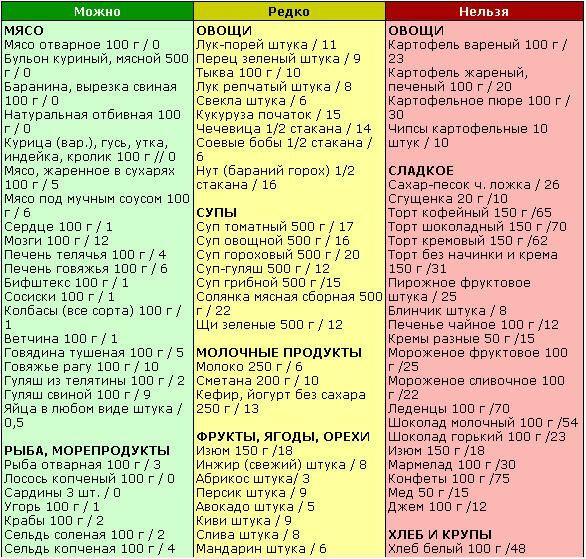
The diet is part of the mandatory therapy. Pancreatitis cannot be eliminated if the patient does not support the pancreas, reducing the load on it with proper nutrition. On the first day, the patient is forbidden to eat any food and drink. From the second day, it is allowed to drink mineral water with an alkali content, rosehip broth and ordinary water. From the third day, with a normal reaction to the treatment, cereals in water are added, salt, sugar and other additives are prohibited.

The best prevention of pancreatitis is proper nutrition and a healthy lifestyle.
You can switch to chicken broths, vegetable soups, lean fish only on the 6-7th day of treatment. Gradually, every day, the patient is advised to introduce a new product. At the same time, food should be as healthy as possible, fried and smoked foods are completely excluded. All food is steamed or baked; it is recommended to grind it for better assimilation. In the future, you should also adhere to the following principles:
- snacks should be frequent 5-6 times a day, the volume of food with such a diet at a time should not be more than your palm;
- you can not eat cold and hot foods;
- sausages, seasonings, semi-finished products, fried and salty foods are completely excluded;
- you cannot eat foods with coarse fiber, which causes bloating and flatulence, such foods include legumes and cabbage;
- you should give up sweets and carbonated drinks, strong coffee and tea;
- you can eat stale baked goods made from coarse flour;
- vegetable soups, cereals and durum pasta;
- lean meats and fish, baked in the oven or boiled, are compulsory;
- oils of any type can be consumed in minimal quantities;
- fruits and berries are selected with a minimum amount of acid and sugar.

Diet in remission of pancreatitis
Attention! With the transferred acute stage, the normal acidity of the gastrointestinal tract should be maintained by drinking 100-150 ml of alkaline water daily. It will strengthen the digestive processes and reduce the stress on the pancreas.
Medicines for acute pancreatitis
Acute pancreatitis is stopped by a complex of medications that are aimed at reducing the symptoms of the disease.

Only a doctor can prescribe specific medications
Table 1. Medicines for acute pancreatitis
| A drug | Class | Single dose | Number of daily intake | A course of treatment |
|---|---|---|---|---|
Omeprazole
|
Proton pump inhibitor | 40 mg | 1 | 3-4 weeks |
Rennie
|
Against heartburn | 1-2 tablets | 3-4 times | Individually |
No-Shpa
|
Pain reliever | 40-80 mg | Up to 240 mg | 3-7 days |
Gastril
|
Anticholinergic | 50 mg | 2-3 times | Up to six weeks |
Gastracid
|
Against heartburn | 2-4 tablets | 3 times | Individually |
Amoxiclav
|
Antibiotic | 375-625 mg | 3 times | 5-14 days |
Flemoklav Solutab
|
Antibiotic | 500-825 mg | 3 times | 5-14 days |
Maalox
|
Against heartburn | 2-4 tablets | 3-4 times | Individually |
Spazgan
|
Pain reliever | 1-2 tablets | 4 times | 3-7 days |
Hofitol
|
Choleretic | 2-3 tablets | 3 times | Individually |
Festal
|
Enzyme | 1-3 tablets | 3-5 times | Individually |

Multivitamins can be used to compensate for certain nutrient deficiencies
Attention! Additionally, the patient is prescribed multivitamins aimed at maintaining the whole body. With severe intoxication, medicines are used to cleanse organs and tissues. They are used drip in small courses. Enzymes are used only after the removal of acute symptoms, these include Creon, Festal and Mezim, so as not to increase the production of pancreatic juice.
Traditional methods of treating the disease
The use of such therapy is possible only after treatment in a hospital setting and with the permission of the attending physician. Traditional methods are used to maintain the pancreas and prevent a second attack.

Treatment with folk remedies
Caraway
Cumin infusion cleanses the body and supports the digestive system. You can prepare it from a tablespoon of seeds, which are infused in 200 ml of boiling water for 2-3 hours. The resulting solution must be filtered and taken in 50 ml three times a day before or during meals. The course of treatment is 7-14 days.

Caraway
Mummy
The substance in the amount of two grams is dissolved in three liters of boiled cooled water. The solution should be taken 45-60 minutes after the last meal of 200 ml. The duration of therapy is 10 days, you can repeat three courses with intervals of two weeks between them.

Shilajit is a natural organo-mineral complex, which contains about 30 chemical elements, the same amount of micro- and macronutrients, 6 amino acids, as well as almost all vitamins, essential oils, bee venom and other components useful for human health
Raw potatoes
Helps to get rid of intoxication and support the gastrointestinal tract. You should take 10g of potatoes every day, increasing the dose by 20g until it reaches 150g. Treatment is completed after reaching the maximum dose. The course can be repeated again after two weeks.

Potato
Dill
It has a good carminative and anti-inflammatory effect. For treatment, a tablespoon of herbs or seeds is poured with 250 ml of boiling water and insisted for 1-2 hours. After that, the seeds and grass are separated, and the patient takes a solution of 50 ml 3-4 times a day after meals and before bedtime. The duration of treatment is 2 weeks.

Dill infusion
Birch buds
Fresh ingredients are used for the treatment. For treatment, take 100 g of kidneys per 800 ml of vodka. The plant is kept in a bottle for 4 weeks in a dark and cool place. The solution is shaken every few days. It is required to take the drug 5 ml three times a day 30-45 minutes before meals. The course of treatment is 2 weeks.

Infusion of birch buds
Prevention and prognosis of the disease

Preventive measures
Preventive methods for the acute stage of pancreatitis include the following:
- drawing up a competent diet with a minimum amount of fast food, fried, smoked and salty foods;
- enrichment of food with fermented milk products, vegetables and fruits, you should choose those that do not form gases and do not contribute to intestinal upset;
- it is necessary to completely get rid of tobacco dependence and exclude alcoholic beverages;
- it is required to maintain an optimal body weight, since obesity leads to disruptions in the functioning of the organ;
- several times a year after a previous illness, undergo an ultrasound scan in order to exclude any unwanted changes in the pancreas;
- it is impossible to take medications of any type uncontrollably.

Sports and proper nutrition are the best prevention
Attention! Preventive methods after suffering acute pancreatitis have real effectiveness. They prevent recurrence and dangerous necrotic and hemorrhoidal processes in the pancreas, which can be fatal.

If you find the first signs, you should consult a specialized doctor.
Even 20-30 years ago, the onset of pancreatitis of the pancreas led to the death of the patient, especially in the acute stage, which instantly led to the destruction of organ cells. Today the disease is successfully stopped and transferred to the stage of remission. Only in exceptional cases the patient cannot be saved. In order to prevent problems with the pancreas or prevent their recurrence in the future, it is necessary to strictly follow the rules of treatment and observe preventive methods.