
Reactive pancreatitis in children: symptoms and treatment, diet
Reactive pancreatitis is a serious disease that poses a particular danger in childhood, as it can cause considerable harm to a growing body. In children, it develops suddenly, and the most important thing in this case is to provide the patient with timely assistance and prevent possible complications. In our article, you will learn how to recognize reactive pancreatitis in children, what symptoms and treatments exist.

Reactive pancreatitis in children: symptoms and treatment
Content
-
1 What is reactive pancreatitis?
- 1.1 Causes of reactive pancreatitis in children
- 1.2 Reactive pancreatitis symptoms
- 2 Why is reactive pancreatitis dangerous?
- 3 First aid
- 4 Diagnosis of reactive pancreatitis
- 5 Reactive pancreatitis treatment
- 6 Nutrition for reactive pancreatitis
-
7 Prophylaxis
- 7.1 Video - Pancreatitis in a child
What is reactive pancreatitis?
The pancreas is an organ that performs several functions in the body at once - it takes part in digestion and produces hormones that regulate sugar levels in the body. Reactive pancreatitis is a disease characterized by the development of pathological processes in the ducts of the gland, due to which the enzymes produced do not enter the duodenum, but remain in its tissues, as a result of which they begin collapse. Over time, the disease can become chronic and lead to serious disruption of the digestive system and other organs.
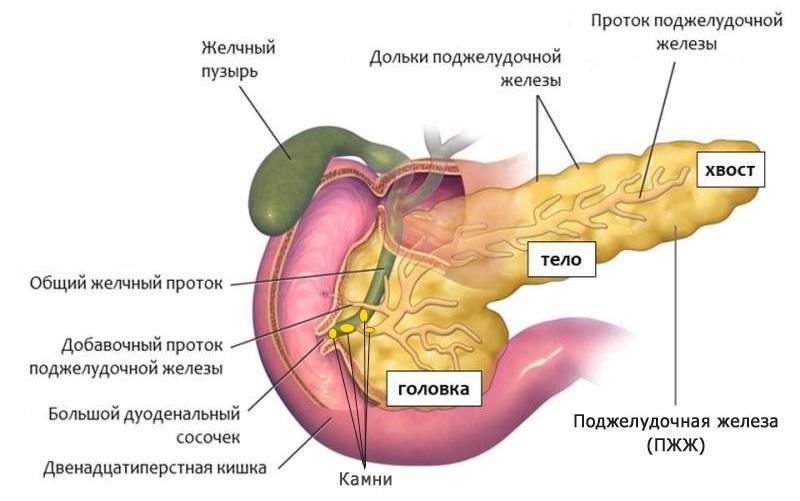
Pancreas
For reference: reactive pancreatitis used to be an "adult" disease, but in the last decade it is often diagnosed in children - this is due to an increase in the amount of unhealthy food, preservatives and chemical additives in the baby diet.
Causes of reactive pancreatitis in children
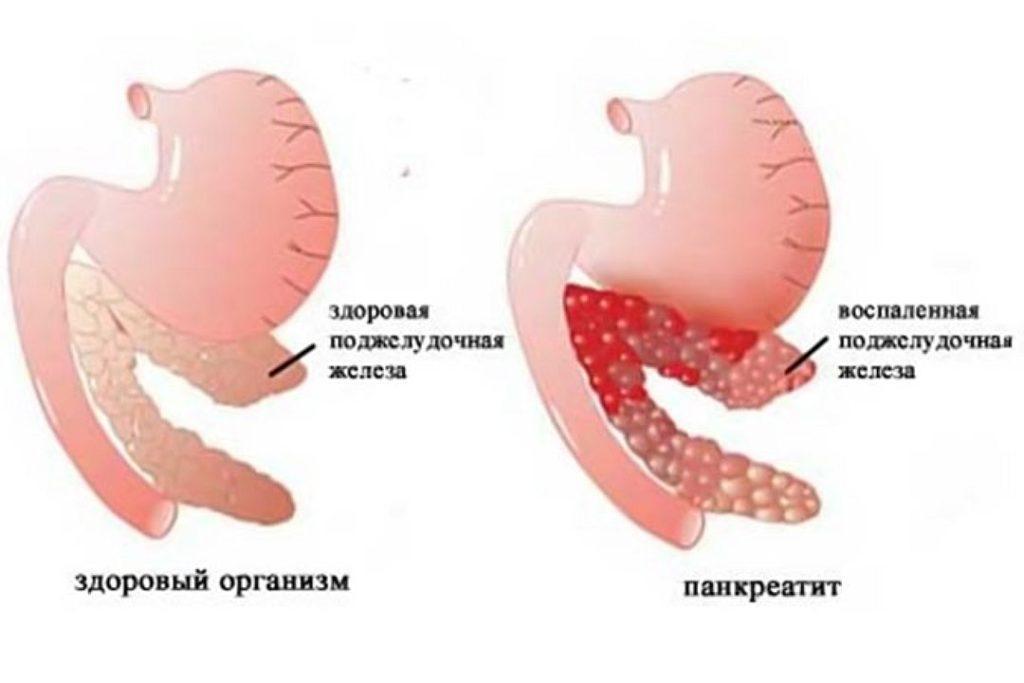
Inflammation of the pancreas with pancreatitis
Reactive pancreatitis is not an independent disease, but develops against the background of a number of diseases and pathological conditions, which include:
- improper diet, lack of a food intake regimen, regular use of semi-finished products, snacks (chips, crackers, nuts);
- infectious, inflammatory and autoimmune diseases, including mumps, rubella, citalomegavirus, etc .;
- cholelithiasis, blockage of the bile ducts and other disorders of the biliary tract;
- anatomical disorders of the structure of the pancreas, biliary tract, digestive tract;
- hereditary predisposition (cystic fibrosis and other genetic diseases);
- metabolic disorders accompanied by a high concentration of lipids or calcium;
- taking certain medications (antibiotics, corticosteroids, cytostatics);
- trauma to the abdomen and chest area;
- endocrine and hormonal disorders;
- stress, psycho-emotional stress.

Pancreatitis is much harder for children than for adults
Attention: most often, reactive pancreatitis is caused by inaccuracies in nutrition (68%), in second place are infectious diseases (21%), followed by pathologies of the digestive system and abdominal injuries.
Reactive pancreatitis symptoms
The disease in children develops suddenly, sometimes in just a few hours - in the morning the child can be absolutely healthy, and in the evening there are pronounced symptoms.

Signs of pancreatitis
- Pain syndrome. Pain sensations, as a rule, are localized in the upper abdomen and have a girdle character, but can spread throughout the abdominal cavity and give to the back.
- Nausea and vomiting. These symptoms are most often observed in older children, and vomiting is usually repeated and does not bring relief.
- Fever. The increase in temperature with reactive pancreatitis is insignificant, up to 37-37.5 degrees - higher numbers are rarely observed.
- Violation of defecation. Pathology is manifested by loose stools or too light stool.
- Deterioration of general well-being. Children become moody, lethargic, give up their favorite games, babies cry continuously and show signs of anxiety.

Pale skin and general weakness are warning signs
Other symptoms of reactive pancreatitis include yellowing or pallor of the skin, a white coating on the tongue, dry mouth, belching, gas and flatulence.
Note. The younger the child, the less pronounced the symptoms of the disease, so parents should not ignore even minor manifestations of anxiety and poor health.
Why is reactive pancreatitis dangerous?
In most cases, a violation occurs as a reaction of the body to the ingress of harmful chemicals into the body, dysfunction of the digestive system, infections and inflammation. With timely therapy, these changes are not dangerous for the body, but if there is no treatment, the child may develop diabetes mellitus and irreversible changes in the pancreas, which will require surgery and removal of part organ.

When the first symptoms appear, you need to show the child to the doctor.
In addition, pancreatitis increases the risk of developing one of the most serious and diagnostically unfavorable types of oncology - pancreatic cancer.
First aid
With the development of symptoms of reactive pancreatitis in a child, you should immediately call an ambulance - any delay, and even more so self-medication can lead to irreparable consequences.

First aid for reactive pancreatitis in a child is divided into several steps
In the overwhelming majority of cases, children with suspected disease require hospitalization and treatment in a hospital setting. While waiting for the medical team, the following must be done:
- lay the child (best of all on its side so that the inflamed organ does not press on the solar plexus) and do not allow him to eat;
- place a cold compress or heating pad with water on the abdomen;
- in between bouts of vomiting, give clean water to drink in small sips.

You can make a cold compress using an ice bag.
Attention: if you suspect the development of pancreatitis, you cannot use pain relievers - they can blur the picture of the disease and complicate the diagnosis.
Diagnosis of reactive pancreatitis
Symptoms of the disease are similar to signs of poisoning, appendicitis and other gastrointestinal pathologies, therefore, it is impossible to make a diagnosis based solely on external manifestations.

Diagnosis of the disease
To identify pancreatitis, a comprehensive diagnosis is required, which includes instrumental and clinical methods.
- General blood analysis. Reveals signs of inflammatory processes in the body - an increase in ESR and the level of leukocytes, a decrease in the level of hemoglobin.
- Biochemical analysis. It is carried out to determine the concentration of pancreatic enzymes (amylase, lipase, etc.), which increase with reactive pancreatitis.
- Stool analysis. The disease is a violation of the digestive process, therefore, a large amount of fat, undigested starch and protein residues can be determined in the feces.
- Pancreas ultrasound. The most informative type of research, which allows you to assess the size and shape of an organ, to identify violations of its structure and structure.
- Endoscopic retrograde cholangiopancreatography. It is carried out to study the ducts of the pancreas, small intestine and the rest of the digestive system.

MRI is a more comfortable diagnostic method than all others, therefore it is used even for children
In addition to the above studies, the child may need CT, MRI, X-ray examination of the intestines, as well as consultation with a gastroenterologist, geneticist and other narrow specialists.
Reactive pancreatitis treatment
First of all, the child should be provided with bed rest and complete rest. On the first day, patients are shown therapeutic fasting - you can drink only alkaline mineral water without gas or weak tea. Therapy is carried out by conservative methods, and the choice of a treatment regimen and specific drugs depends on the severity of symptoms, the age and characteristics of the child's body.

Parents' independent attempts to cope with the situation can lead to dire consequences.
Typically, reactive pancreatitis is treated with the following medications:
- pain relievers and antispasmodics (No-shpa, Drotaverin, Baralgin M);
- drugs to reduce the production of gastric juice (Pirenzepine and its analogues);
- antiemetics (Cerucal);
- medicines containing pancreatic enzymes (Mezim, Pancreatin, Creon);
- glucose-salt solutions to eliminate intoxication and dehydration.

Method of application "Baralgin M" in children
In cases where a malfunction of the pancreas develops against the background of another disease, it must be cured, otherwise pancreatitis therapy will be ineffective.
Important: it is strictly forbidden to give the child any medications on their own - they can cause side effects, and in some cases, worsening of the condition. So, preparations containing pancreatic enzymes in the acute period of the disease activate the activity of the organ and increase pain.
Nutrition for reactive pancreatitis
Proper nutrition is fundamental to the management of reactive pancreatitis. You can take food on the 2-3rd day after the first symptoms of the disease appear, when nausea, vomiting and painful sensations - you can eat crackers, light broths from lean meat, low-fat cottage cheese, boiled vegetables, baked apples. A strict diet must be adhered to for at least a few weeks, and the diet must be based on several important principles.

Talk to your child's doctor and nutritionist about your child's diet
- You should eat fractionally, 5-6 times a day in small portions with an interval of 3-4 hours, fasting and overeating with reactive pancreatitis is prohibited.
- Exclude from the diet semi-finished products, preservatives, fast food, sausages, sweets and all products that contain chemicals (flavor enhancers, flavors, etc.).
- Dishes should be steamed, boiled or baked without fat and oil.
- Meals should be light, but at the same time sufficiently high in calories - the protein content should be reduced in favor of vegetable fats and "slow" carbohydrates.

Fast food should be eliminated
Table 1. Allowed and Prohibited Products
| Allowed meals and products | Prohibited foods and foods | |
|---|---|---|
Bakery products
|
Stale bread, wheat flour rusks, non-sweet biscuits, noodles | Fresh pastries, pies and pastries, pizza, pancakes, pancakes |
Dishes from cereals
|
Rice, buckwheat, semolina, oatmeal dishes. They need to be boiled in water or vegetable broth, before cooking or use, grind so that the porridge is a little viscous and semi-liquid | Millet, pearl barley, corn porridge |
Meat and meat dishes
|
Lean beef, rabbit, white chicken | Pork, lamb, duck, offal, stew, lard, strong fatty broths |
A fish
|
Low-fat river varieties (cod, pike, perch) | Red fish, seafood, caviar, smoked and pickled fish, canned food |
Vegetables
|
Potatoes, carrots, zucchini, beets, cauliflower. Vegetables should be consumed exclusively in processed form (steam or boiled) | Cabbage, radishes, greens (especially sorrel and spinach), legumes, bell peppers, onions, garlic |
Fruits
|
Sweet apples, pears, peaches, bananas, etc., fully ripe and soft. It is best to make jellies, jelly, casseroles and compotes from fruits. | Any sour fruits and berries |
Dairy products
|
Low-fat fresh milk in dishes, cottage cheese, natural yoghurts without additives, mild cheese | Cream, sour cream, full-fat cottage cheese and cheese |
Eggs
|
Steamed omelets, at least 1-2 eggs per day | Hard boiled or fried eggs |
Attention: if the child wants something sweet, occasionally he can be pampered with caramel, marshmallow or marmalade (chocolate and ice cream must be excluded).
Prophylaxis
Prevention of reactive pancreatitis consists in proper, balanced nutrition, exclusion of harmful foods, especially chips, crackers, packaged juices and spices. The child should have a well-organized daily routine, proper rest and physical activity that is appropriate for age. Infectious and inflammatory diseases must be treated in a timely manner, and any medication take drugs only after consulting a doctor, strictly adhering to dosages and instructions for application.

Children are treated only as prescribed by a doctor.
Reactive pancreatitis is a serious disease that can cause irreparable harm to a growing body, but with timely diagnosis and treatment, and most importantly, the correct organization of nutrition and daily regimen, you can get rid of it without consequences for health.


