Rash with pancreatitis: types, therapeutic measures, prevention, pancreatic function, diet, folk remedies
Gastrointestinal problems often affect the condition of the skin. Acne, blackheads, red spots, sometimes some kind of ulcers or blisters appear on it. A common symptom is a rash with pancreatitis. At different stages of the disease and depending on the degree of its severity, skin rashes appear differently. A dermatologist or cosmetologist will not help get rid of them - complex therapy is needed to combat the disease (root cause). Then skin problems, as a concomitant symptom, will disappear by themselves.
Content
- 1 Pancreatic functions
-
2 Types of skin rashes with pancreatic disease
- 2.1 Acne covering the face
- 2.2 Vascular aneurysms
- 2.3 Spots on the face
- 2.4 Rash (dermatitis) with pancreatitis
- 2.5 Discoloration of the skin
- 2.6 Itching, burning and other signs of irregularities
-
3 Therapeutic measures
- 3.1 Medicines
- 3.2 Diet
- 3.3 Folk remedies
- 4 Prevention
Pancreatic functions
Without pancreas the digestion process is impossible in principle - it produces enzymes necessary for the breakdown of food and the release of substances useful to humans from it. In addition, the organ is involved in the synthesis of hormones, without which the gastrointestinal tract and secretory system cannot function "normally".
The pancreatic juice produced by the pancreas (a mixture of water, salts and enzymes) contains:
- amylase, lipase, trypsin, chymotrypsin - enzymes that "convert" food into proteins, fats, carbohydrates;
- insulin, glucagon - necessary to regulate blood sugar and carbohydrate metabolism;
- somastin - protects the stomach from "self-digestion" and the formation of ulcers on the mucous membrane with an excess of acid in it;
- acidic salts - provide pancreatic juice with the necessary acid-base balance. Alkali neutralizes hydrochloric acid in the stomach.
Despite its small size, the pancreas is one of the most important organs of the digestive system.

If the pancreas is due to a disease (for example, pancreatitis) cannot function normally, intoxication of the body with rotting food debris is inevitable, which is no longer fully digested in the gastrointestinal tract. Toxins are absorbed into the bloodstream, and it reacts to attempts to remove them through the skin:
- the appearance of a rash;
- irritation;
- itching and other unpleasant symptoms.
It is not possible to get rid of imperfections completely. They are clearly manifested when pancreatitis is already passing into the chronic stage, and in the phase of it exacerbations.

Inflammatory process, rash, other skin imperfections invariably "accompany" pancreatitis
Types of skin rashes with pancreatic disease
A rash, acne, and other skin rashes are one of the first symptoms of an incipient inflammatory process in the pancreas. But it is difficult to suspect the development of pancreatitis on this basis, therefore, one cannot do without consulting a doctor.
Skin problems, in particular, a rash, is a consequence of a combination of inflammatory, toxic and dystrophic processes in pancreatitis. Healthy tissues of the pancreas gradually become "inert" and stop functioning fully.
When pancreatitis becomes chronic, this, in most cases, means that the changes in the organ are already irreversible. Medicines, diet and folk remedies help the pancreas "maintain existence", but its restoration is impossible.
Acne covering the face
Acne or multiple pimples with pancreatitis appear on the face when the pancreas is unable to produce pancreatic juice in volumes required for digestion entering the gastrointestinal tract food,. or when the concentration of enzymes in it is insufficient for this.
Due to the accumulation of undigested food in the stomach and intestines, fermentation and decay of these residues begins. The resulting toxins cannot be eliminated in the usual way, so the body tries to get rid of them through the skin, which naturally reacts negatively to this.

As the pancreatitis progresses, the rash gets worse and the number of acne and blackheads increases. Most of them concentrate on the forehead, cheeks and temples, as if "framing" the face
The problem of rash is further aggravated when patients with pancreatitis have initially oily facial skin. The disease provokes excessive activity of the sebaceous glands. Their secret clogs the sebaceous ducts and pores. In the absence of air, sebum becomes a favorable environment for the development of pathogenic microflora. The rash that appears turns into inflammation and abscesses.
Vascular aneurysms
The official name of vascular aneurysms is Tuzhilin's syndrome. The "popular" name for this kind of rash is "red droplets". Vascular aneurysms in the form of almost regular hemispheres or flat rounded spots of bright scarlet color (it is easy to imagine that they are filled with blood) - one of the symptoms chronic pancreatitis.

A rare situation is when such a rash occurs already at an early stage of the development of the disease.
"Droplets" in pancreatitis are localized in a person on the stomach, back, arms and legs. On the chest and face - almost never. It is impossible to extrude their "content". When you touch the rash, no discomfort (pain, itching, burning) occurs.
By their number per square centimeter of skin, one can objectively judge the nature of the course of the disease. If the number of elements increases sharply, this means that pancreatitis is rapidly progressing or worsening. Otherwise, the human health situation improves, pancreatitis goes into remission. The aggravation was successfully "neutralized".
Such a rash never disappears quickly, since the process restoration of the pancreas goes slowly. As a result, if a person turned to a gastroenterologist in time, when pancreatitis is still "reversible", he performed it recommendations, took the prescribed drugs, then his skin will have single vascular aneurysms (or they disappear altogether).
Spots on the face
At the initial stage of development of pancreatitis, not only a rash appears on the face, but also uneven, irregularly shaped red spots (with a color of varying degrees of intensity). Thus, the skin reacts to the body's attempts to remove toxins that have begun to accumulate in the digestive tract through it.

When the disease progresses, the spots consistently change color, increase in size, spread not only to the face, but also to the body.
The red rash almost disappears and the skin becomes jaundiced. The symptom indicates:
- getting into the blood of one of the digestive enzymes (trypsin);
- compression of the bile ducts (the development of the inflammatory process provokes an increase in the size of the pancreas).
With each exacerbation of the disease, the skin acquires a bluish tint. When it seems almost bloodless, translucent, deathly pale, this means that the level of intoxication of most organs in the abdominal cavity has reached a critical maximum. Therefore, peripheral circulation is impaired due to negative changes in the composition of the blood. Somewhat less often, "marble" white stains against a background of red spots and a rash on the face testify to the same.
Rash (dermatitis) with pancreatitis
A characteristic symptom of sluggish pancreatitis is atopic dermatitis (aka eczema, popularly called "urticaria"). A red or reddish-purple rash on the skin in the form of multiple "bubbles" filled with fluid, accompanied by:
- swelling;
- severe inflammation;
- intense itching;
- less often - increased dryness, hypersensitivity of the skin.

The "foci" of such a rash have clearly defined boundaries.
Atopic dermatitis develops due to a low concentration of enzymes in pancreatic juice or its deficiency, a general weakening of the immune system in pancreatitis. However, it can also be:
- a symptom of allergy to food or medicines, any other substances (fluff, pollen, wool);
- a sign of the appearance of parasites in the intestine, the activation of pathogenic microflora in it due to a decrease in the number of beneficial microorganisms.
Gradually, the rash in the form of "bubbles" (if remission of pancreatitis is ensured) turns into dark spots (similar to skin hyperpigmentation) and plaques. If you try to pierce them, "weeping" ulcers are formed, then - scabs and "scales". When they heal, they leave shallow "dents" on the skin. With an exacerbation of the disease, the "foci" of the rash quickly increase in size, spreading in all directions.
Discoloration of the skin
When a red rash on the body with pancreatitis and spots of the same shade change color, this is a reason to immediately consult a doctor. The skin can become:
- icteric. This is typical for about a third of patients with pancreatitis. Others still have a red rash. The explanation for the yellowness of the body is the same as for a similar skin tone on the face. When trypsin enters the bloodstream, it destroys liver cells when its tissues try to "filter" the enzyme. Due to inflammation of the pancreas, the bile ducts are compressed, and bile also enters the bloodstream. At the same time, jaundice is one of the symptoms of pancreatic cancer;
- bluish. Such spots, sometimes merging into one large spot on the right side of the abdomen and chest, indicate an acute stage in the development of pancreatitis;
- unnaturally pale. Deadly pallor of the skin is a symptom of severe intoxication. For example, alcohol poisoning manifests itself in a similar way. The fact that pallor is caused precisely by pancreatitis is evidenced by acute stabbing and cutting pain, which is localized on the right under the ribs or "encircles" the chest. Pale skin on the face (around the lips and nose) means "malfunctions" in the work of the bronchopulmonary system due to the same intoxication.

As a rule, the process of changing skin tone with pancreatitis is gradual. The rash disappears at the same time.
Chronic pancreatitis in the acute stage is sometimes accompanied by spots of bright red, blue-violet or greenish-blue color, similar to bruises. They are formed in the navel, groin, less often on the thighs. Above (on the chest and abdomen), "marble" stains may occur. Their appearance is a consequence of the pressure of the increased pancreas on the nearby organs and blood vessels.
If a person's skin has elongated spots, as if repeating the pattern of veins under the skin, most likely pancreatitis can be ruled out. An even worse diagnosis is likely - oncology. Spots in the development of malignant tumors are localized on the neck, chest, abdomen, buttocks. A rash takes their place relatively quickly. As the disease progresses, ulcers appear. Healing, they leave scabs and ring-shaped dark spots that respond to touch with mild itching, burning, pain.
Itching, burning and other signs of irregularities
Sometimes the appearance of a rash and red spots on the skin with pancreatitis is not limited to. Other unpleasant symptoms are added to them:
- itching and burning of varying degrees of intensity (as a rule, the brighter the spots, the stronger it is);
- increased urge to urinate;
- unnaturally abundant urination with chronic thirst, dry mouth (it seems to a person that he cannot get drunk);
- ketoacidosis - smell from the mouthreminiscent of the "aroma" of acetone in combination with bouts of severe nausea;
- hypoglycemia - light-headedness, frequent fainting, intense sweating.
Any of these symptoms is a reason for an immediate visit to a gastroenterologist. If a person only notes itching and burning, this may indicate the development of diabetes mellitus (type 1).
Therapeutic measures
Pancreatitis, the treatment of which a person neglects, leads to much more dangerous consequences than a rash:
- renal, hepatic, respiratory failure;
- lung abscess, peritonitis;
- extensive lesion, internal bleeding in the abdominal cavity;
- fistulas, pseudocysts.
In most advanced cases, pancreatitis was fatal. Therefore, having found a "harmless" rash on the face or on the body, one should not postpone the visit to the doctor.
The gastroenterologist cannot start treatment without first making a diagnosis, despite the presence of a skin rash. In order to diagnose pancreatitis, blood and urine tests, ultrasound or CT are enough.
The disease is evidenced by:
- a decrease in the number of red blood cells and at the same time an increase in the concentration of leukocytes (due to developing inflammation and suppuration);
- Unnaturally thick blood (due to dehydration)
- a decrease in hemoglobin levels and an increase in sugar;
- turbid urine, in which protein, leukocytes, erythrocytes are found.

If there is any doubt about the diagnosis, an ultrasound scan is prescribed
Medicines
The course of therapy for pancreatitis means the need to take a variety of drugs. When it gives a result, rashes, red spots, and other skin imperfections disappear.
Medication, prescribed by a gastroenterologist for pancreatitis, are divided into several groups:
- contributing to the elimination of toxins (they provoke the appearance of a rash), neutralizing their negative effect on the general health and skin - "Enterosgel", "Polysorb";
- normalizing the work of the biliary system, "failures" in which are caused by pancreatitis - "Ursosan", "Ursofalk" and other drugs with ursodeoxycholic acid;
- reducing the intensity of itching, burning, accompanying the rash - "Prednisolone", "Hydrocortisone", other glucocorticoids. These hormonal drugs act quickly, but in no case can you "prescribe" them yourself because of the many side effects;
- helping to cope with a possible allergy to one of the prescribed drugs (an even more intense rash - one of the symptoms of individual drug intolerance) - "Cetrin", "Zirtek", "Tavegil", other antihistamines drugs.

Enterosgel is one of the most popular enterosorbents
Any pharmacy creams, ointments, gels, other medicines designed specifically to combat rashes, acne, skin imperfections, a person with pancreatitis can only use after consulting a doctor.
Diet
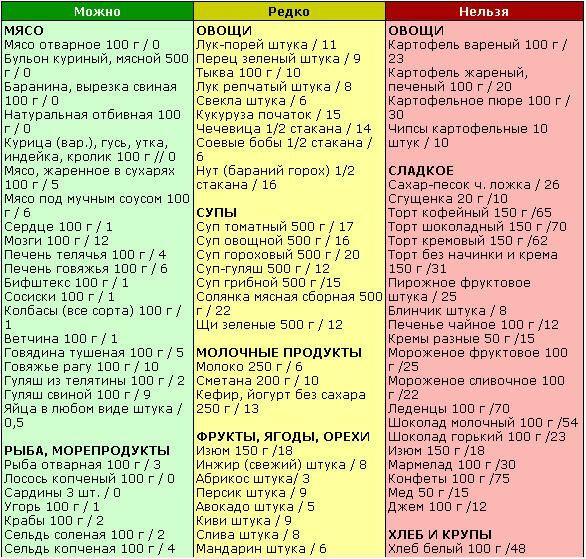
An important part of therapy for pancreatitis is diet ("table number 5"). Its purpose is to provide the digestive tract with a gentle mode of operation, to reduce the amount of juices secreted by the stomach and pancreas necessary for digestion. This helps to detoxify the body (the rash becomes less pronounced).
The following foods, meals, drinks are strictly prohibited for people with pancreatitis and an associated rash:
- fresh yeast bread (especially from wheat flour), pastries;
- high-calorie food rich in "fast" carbohydrates and sugar (fast food, sweets, confectionery, ice cream);
- rich meat broths;
- fatty meat (especially pork, lamb);
- smoked meats, sausages, lard, jellied meat, aspic;
- canned food, semi-finished products, other food containing many preservatives, flavors, dyes;
- everything that contains cocoa beans (especially coffee, chocolate);
- fried foods (especially in a large amount of oil, with a crust, burnt);
- fresh very sour or sweet fruits;
- pickles, marinades (including homemade);
- hot sauces, seasonings, spices (chili, vinegar, horseradish, mustard, mayonnaise);
- nuts;
- all types of cabbage;
- radish, radish;
- onion garlic;
- strong black tea;
- carbonated drinks;
- alcohol.
In the first days of treatment, the gastroenterologist recommends that the patient therapeutic fasting. After it, an improvement in the condition of the skin is noted, the rash becomes noticeably less.

It is necessary to adhere to the diet for at least 3 months, no "exceptional cases" are provided
For patients with pancreatitis, fractional meals are recommended (5-6 times a day, in small portions). Both excessively hot and very cold foods are prohibited. The basis of the diet for people with pancreatitis is:
- light vegetable broths;
- dishes from boiled, stewed, steamed lean meat, poultry (pork, turkey, chicken, rabbit) - it is advisable to first scroll it through a meat grinder or grind it in a blender, preparing meatballs, cutlets, meatballs;
- river or white marine lean fish (cod, bream, pike, pike perch) - in the same form as meat;
- fermented milk, dairy products (kefir, cottage cheese, yogurt, sour cream, mild cheese);
- boiled, stewed or baked vegetables;
- porridge made from well-boiled cereals in water or vegetable broth;
- pasta not made from durum wheat;
- dried bread, dry biscuits, crackers, biscuits, crackers;
- protein omelets;
- butter, vegetable oils in small quantities;
- baked pears, apples;
- homemade jelly, compotes;
- weak green tea;
- natural fruit juices diluted by half or 2/3 with water.

The basic requirements for food for pancreatitis - it should not overload the digestive system and aggravate intoxication
Folk remedies
Folk remedies for pancreatitis and rash are used only as an addition to the medications prescribed by the gastroenterologist and after consultation with him:
- infusion of flax seeds, marsh creeper (40 g each), marsh calamus roots (20 g), celandine leaves (10 g). All ingredients are poured with a liter of boiling water, insisted for 2-3 hours. Strain before use. Drink 2-3 times a day 10-15 minutes before meals - 40-50 ml;
- barberry bark (20 g), licorice root (40 g). Mix the ingredients, pour 500 ml of hot water, leave for 12 hours. The liquid is brought to a boil, after 5 minutes it is removed from the heat. Drink 30-40 ml 30 minutes before meals;
- peppermint leaves, valerian root, bird knotweed (40 g each), bean flaps (10-15 g). Dry everything, grind in a coffee grinder or blender. Pour 500 ml of boiling water over two tablespoons of the mixture, leave for 2 hours, drain. Drink a tablespoon each time 10 minutes before meals.
Prevention
Having got rid of pancreatitis and its characteristic rash, a person, in order to avoid a relapse of the disease, should not forget about preventive measures:
- examination by a gastroenterologist every 6-8 months, testing;
- a menu that is consistent with the principles of rational nutrition;
- a ban on overeating;
- a healthy lifestyle in general;
- rejection of bad habits;
- prevention of infectious diseases.
These are not temporary measures. Such a diagnosis requires a person to radically restructure their lives.
Pancreatitis, like many other diseases of the gastrointestinal tract, an experienced gastroenterologist can pre-diagnose, focusing on the type and nature of rashes on the skin of the face and body. The reason for the appearance of the rash is "malfunction" in the functioning of the pancreas, provoking hormonal imbalance, "pollution" with toxins.
Trying to get rid of the rash with pancreatitis is useless if you refuse to treat the disease itself. This will require not only taking the drugs prescribed by the gastroenterologist, but also following a strict diet. In certain cases, folk remedies can also be useful (they are resorted to only with the approval of a doctor).
Do you have experience in dealing with pancreatitis and the accompanying rash? Write in the comments. Share the article on social networks and save it to bookmarks.
We also recommend watching selected videos on our topic.
Pancreatitis: treatment + diet. Effective treatment of the pancreas without drugs and with drugs.
What foods does the pancreas like or dislike?