Pancreatic tumor: symptoms, causes and treatment
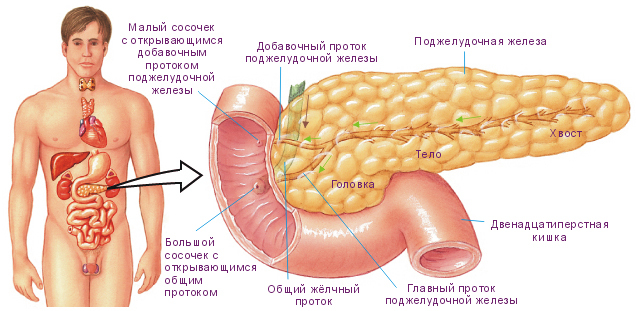
 Pancreatic cancer is a malignant neoplasm that forms from the tissue of the glands or ducts of an organ. The tumor looks like a high-density node and is yellow.
Pancreatic cancer is in fourth place in terms of incidence. However, the pathology is characterized by high mortality.
Every year the number of people with malignant neoplasms of the pancreas is increasing. More often men are ill.
The oncological process can develop in a person over 30 years old. But most often people over 70 get sick.
The danger of pancreatic cancer is due to its asymptomatic course.
Oncology is often detected at the last stages, when it is impossible to completely get rid of the tumor. Cancer quickly metastasizes to neighboring organs, which worsens the patient's condition.
A pancreatic cyst is a formation that is bounded by walls and filled with fluid. It can be congenital or caused by injury or inflammation.

Content:
- 1 Pancreatic cancer classification
- 2 Pancreatic cancer risk factors
- 3 Pancreatic cancer symptoms
- 4 Pancreatic cancer diagnostics
-
5 Treatment
- 5.1 Traditional methods of treatment
- 6 Prevention
- 7 Classification of pancreatic cysts
- 8 Causes
- 9 Pancreatic cyst symptoms
- 10 Survey
-
11 Treatment
- 11.1 Drug-free treatment
- 11.2 Drug treatment
- 11.3 Surgical intervention
- 11.4 Folk remedies
- 12 Which doctor should I go to?
- 13 Conclusion
Pancreatic cancer classification
By tissue structure, pancreatic cancer is divided into:
- ductal adenocarcinoma - a tumor from the ducts;
- cystadenocarcinoma - from a cyst;
- squamous cell carcinoma;
- mucinous adenocarcinoma.
By localization:
- head cancer;
- body cancer;
- pancreatic tail cancer.
By stages:
- Stage I - the size of the tumor is small. The neoplasm does not go beyond the pancreas;
- Stage II - the spread of the tumor to the bile duct or duodenum;
- Stage II B - the tumor spreads to the lymph nodes;
- Stage III - the neoplasm spreads to the stomach, spleen, large intestine;
- Stage IV - cancer affects the lymph nodes and spreads to other organs.
Pancreatic cancer can metastasize to the abdomen, lungs, stomach, brain, liver, intestines, bones.

Pancreatic cancer risk factors
What can lead to pancreatic cancer?

The emergence of a malignant neoplasm is facilitated by:
- chronic pancreatitis;
- pancreatic cysts;
- diabetes;
- stomach surgery;
- the action of unfavorable environmental factors;
- alcoholism;
- smoking;
- hereditary predisposition;
- lack of vegetables and fruits in the diet.
Pancreatic cancer symptoms

How does a malignant neoplasm of the pancreas manifest? The most common symptom of pathology is pain. It is formed as a result of germination or compression of the nerve trunks by the neoplasm.
Also, soreness occurs due to narrowing of the bile duct or pancreatic duct.
If the tumor affects the head of the pancreas, then pain is felt in the hypochondrium on the right or in the epigastrium (in the navel or 2-3 cm above it).
With tumors of the body or tail of the pancreas, the patient complains of pain in the hypochondrium on the left or in the epigastrium.
If the entire organ is affected, then the pain syndrome spreads to the entire abdomen. Sometimes the pain is localized in only one place. In some cases, the pain "radiates" to the spine, between the shoulder blades, to the right shoulder blade.
The pain syndrome occurs or becomes stronger in the evening or at night when the patient is in a horizontal position. The appearance of soreness after ingestion of fatty foods, alcohol is characteristic.
The pain can be so severe that the patient takes a forced position, leaning forward or bending over a pillow pressed against the abdomen.
Jaundice is also common in pancreatic cancer. It is characteristic of most patients with malignant neoplasm of the head of the pancreas.
It is formed as a result of the growth of a tumor into the bile duct, which leads to stagnation of bile and the appearance of jaundice. Very rarely, yellowing of the skin appears with cancer of the body and tail of the gland.
Before jaundice, the patient feels pain, body weight decreases. Skin color changes slowly. Darkening of urine and lightening of feces are also characteristic.
Itchy skin is common in pancreatic cancer. Often, he begins to bother the patient when jaundice occurs. In rare cases, itching occurs before jaundice.
This condition worsens the patient's quality of life, causes insomnia and irritability. Combing appears on the skin.
Weight loss, decreased appetite, and aversion to meat or fatty foods are also characteristic. Patients complain of weakness, fatigue, nausea, vomiting, heaviness after eating, heartburn, constipation or diarrhea.
The feces become gray, clayey, fetid. Sometimes the body temperature rises.
Pancreatic cancer diagnostics
What examinations are necessary for pancreatic cancer? Laboratory and instrumental studies will help to diagnose:
- complete blood count - an increase in the level of ESR, anemia, an increase in the level of platelets
- biochemical blood test - an increase in the level of bilirubin, glucose, alkaline phosphatase;
- general urine analysis - the appearance of glucose in the urine, increased diastase;
- Ultrasound of the abdominal organs - allows you to suspect a pancreatic tumor;

- multispiral computed tomography;
- MRI with cholangiopancreatography - allows you to identify pancreatic cancer and assess the state of its ducts and biliary tract, to identify metastases to the lymph nodes, liver, abdominal cavity;

- endoscopic retrograde cholangiopancreatography - with the help of a study, it is possible to assess the presence of blockage of the bile ducts and pancreatic ducts.

Treatment
The goal of treatment for pancreatic cancer is to remove or shrink the tumor.
Treatment of a neoplasm can be carried out by surgery, radiation therapy, or chemotherapy.
There are several types of chemotherapy:
- nonadjuvant - chemotherapy is given before surgery. It is prescribed to shrink tumors and detect cancer sensitivity to chemotherapy drugs;
- adjuvant - used after surgery to prevent metastasis. Also, this type of chemotherapy reduces the likelihood of a relapse of the disease;
- therapeutic - indicated for the reduction of metastatic cancer.
The indications for chemotherapy are:
- histologically confirmed pancreatic cancer;
- treatment of an inoperable tumor;
- metastasis to the lymph nodes;
- recurrence of the tumor;
- normal blood counts;
- intact function of the liver, kidneys, lungs, cardiovascular system;
- refusal of the patient from surgery;
- improvement of long-term results of therapy.
Chemotherapy is prohibited for conditions such as:
- dysfunction of the liver, kidneys, lungs, heart;
- heat;
- acute infections;
- mental disorders;
- ineffectiveness of chemotherapy;
- disintegration of the tumor;
- pregnancy;
- pulmonary tuberculosis;
- anemia;
low content of leukocytes, platelets; - exhaustion of the patient.
The duration and number of radiation therapy sessions are determined by the doctor. Radiation treatment can be prescribed both before and after the operation.
Surgical intervention is indicated when the tumor is resectable, if there are no contraindications to such treatment. Surgical treatment is contraindicated for:
- inoperability of the tumor;
- severe concomitant pathologies;
- laryngeal tumors;
- the presence of metastases in the bloodstream;
- with inoperable cancer of another organ;
- with diseases of the heart, lungs, urinary system, gastrointestinal tract;
- the presence of an allergy to drugs used for anesthesia.
Traditional methods of treatment

Of course, folk remedies cannot replace drug treatment for such a serious disease as a pancreatic tumor. But traditional methods can be used in addition to the treatment.
Recipes:
- Pour a handful of horsetail with 500 ml of boiling water, put on fire, bring to a boil and boil for 5 minutes. After cooling, the broth can be drunk. Take it between meals;
- mix in equal amounts St. John's wort, calendula, chamomile, wormwood, sage. Pour 30 g of the mixture with a glass of boiling water, then strain and divide into 3 parts. Take three times a day before meals;
- drink beet juice throughout the day;
- grind a glass of garlic, a glass of parsley and one lemon in a meat grinder. Mix everything and take a teaspoon three times a day before meals;
- chop the flowers of the immortelle. 2 tablespoons of flowers pour 400 ml of boiling water. Place the infusion in a container and close the lid tightly. Insist for 2 hours. Take 100 ml on an empty stomach twice a day;
- 15 g of thyme pour 200 ml of boiling water. Insist for 20 minutes, after straining, take 50 ml 4 times a day.
Prevention
Prevention of pancreatic cancer comes down to taking multivitamins, antioxidant drugs, proper nutrition, quitting smoking and drinking alcohol, and preventing viral infections.
It is important to regularly visit an oncologist, perform an ultrasound of the abdominal cavity and kidneys, and an x-ray of the lungs.
The cured patients are observed during the first year every three months, within 2 years after the end of treatment - every six months, during the third year - once a year.
Classification of pancreatic cysts

Pancreatic cysts can be:
- false - inflammatory (acute, chronic), post-traumatic, parasitic, neoplasms;
- true - congenital (simple, polycystic, dermoid, fibrinous-cystic), acquired (retention, parasitic, tumor).
Types of cysts:
- congenital - formed as a result of abnormal development of the tissues of the pancreas;
- acquired: retention - due to narrowing of the excretory ducts of the pancreas or clogging them with stones, a tumor;
degenerative - cysts are formed when the tissue of the pancreas is damaged during its necrosis, trauma, hemorrhage, tumor;
parasitic - cysts are formed due to the presence of parasites in the body (for example, echinococcus, cysticercus).
By localization:
- on the body;
- on the tail;
- on the head of the pancreas.
Causes

Why does a pancreatic cyst develop? There are several reasons for this:
- inflammation of the pancreas - pancreatitis;
- alcoholic illness;
- cholelithiasis;
- swelling of the large duodenal papilla;
- narrowing of the pancreatic ducts;
- injury.
Pancreatic cyst symptoms
Symptoms depend on the size of the cyst and the severity of the process. Usually, patients complain of paroxysmal pain in the abdomen, a feeling of fullness, nausea.
With small cysts, the patient does not feel pain, with large formations, pain becomes the leading symptom.
Pain syndrome is more pronounced with the formation of a cyst. As the process progresses, the pain becomes less intense.
If during an attack the body temperature rises, this may indicate the development of a purulent process.
If the cyst presses on the solar plexus, then the pain "gives" to the back and decreases in the knee-elbow position.
Cysts are characterized by diarrhea, weight loss, jaundice, and swelling of the legs. Retention of urine and feces is possible.
Survey
What examinations help to identify a pancreatic cyst? If you suspect this pathology, you should undergo the following studies:
- complete blood count - an increase in the level of leukocytes, neutrophils, ESR;
- biochemical blood test - increased amylase, bilirubin, ALT, AST, alkaline phosphatase;
- coagulogram;
- coprogram - the stool is liquid, fragments of undigested food, fats, muscle fibers appear in it;
- Ultrasound of the abdominal organs - allows you to assess the state of the pancreas and other abdominal organs;

- CT scan of the abdominal organs - with the help of the study, you can find a cyst, its size, relation to the surrounding organs;

- endoscopic retrograde cholangiopancreatography - allows you to assess the condition of the pancreatic ducts, biliary tract;

- MRI - with the help of a study, you can identify a cyst, establish its localization, and determine its size.

Treatment
How to get rid of a pancreatic cyst? Treatment of pathology depends on the cause and includes adherence to diet, drug therapy, and, if necessary, surgery.
Drug-free treatment
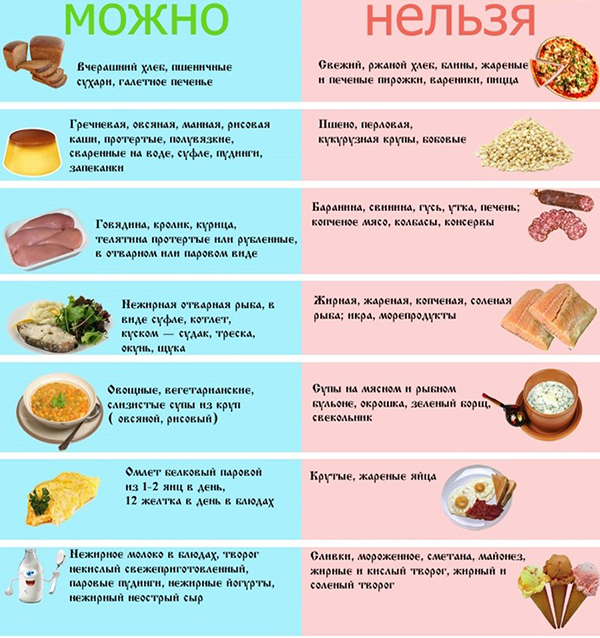
The diet provides 5 meals a day in small portions. It is necessary to exclude fatty, fried foods, spicy foods, canned food, smoked meats, carbonated drinks, alcohol, strong tea and coffee from the diet. It is necessary to follow the table number 5.
Drug treatment

When treating a patient with a pancreatic cyst, the following can be prescribed:
- iron preparations (Ferrum-Lek, Sorbifer) for anemia;
- enzyme preparations (Creon, Pancreatin) for the inflammatory process in the pancreas;
- ursodeoxycholic acid, hepatoprotectors for jaundice;
- antispasmodics (No-shpa, Spazmalgon) with pain syndrome;
- antibacterial drugs for inflammation of the biliary tract and in the postoperative period;
- antiproteolytic drugs (Aprotinin) - in the presence of bleeding, for the prevention of pancreatitis;
- hemostatic agents (Etamsilat) - after surgery and in the presence of bleeding;
- antimycotics - for the prevention of fungal pathologies;
- probiotics - for the prevention of dysbiosis;
- in the postoperative period - narcotic analgesics (Tramadol);
- intravenous nutrition (Aminoplasmal, Lipofundin, etc.);
- infusion therapy (sodium chloride, glucose, etc.)
Surgical intervention
Surgical treatment of pancreatic cysts can involve different volumes:
- external drainage - allows you to examine all parts of the gland, surrounding tissues and eliminate the cyst;

- internal drainage - an anastomosis is applied between the stomach or intestines and the cyst;

- partial removal of the cyst;
- complete removal of the cyst.
Indications for surgical treatment are:
- confirmed pancreatic cysts;
- ineffectiveness of drug treatment;
- the development of complications (purulent process, perforation, bleeding).
Treatment is considered effective if the cyst has been eliminated, the surgical wound has healed without signs of inflammation, there is no jaundice, and laboratory parameters are normal.
Folk remedies

Traditional medicine recipes for the treatment of pancreatic cysts:
- take calendula, celandine, yarrow in equal proportions. Pour 10 g of the mixture with 200 ml of boiling water and leave for 2 hours. Take 50 ml four times a day before meals;
- Mix 1 part of plantain arrows with 2 parts of tansy and 2 parts of calendula. Pour the mixture with 250 ml of boiling water and leave for 2 hours. After straining, take 50 ml four times a day. Course - month;
- eat 4 leaves of stonecrop every day;
- Mix equal amounts of corn stigmas, lingonberry leaves, blueberries, strawberries and beans. Pour 15 g of the mixture with 200 ml of boiling water and leave overnight. After straining, take 100 ml per day for two weeks. After a week break, repeat the course.
Which doctor should I go to?
If you experience any abdominal discomfort, you should consult a therapist or gastroenterologist. After the examination, the doctor can refer you to the okolnik or surgeon.
Conclusion
Pancreatic cancer is a malignant neoplasm that forms from the tissue of the glands or ducts of an organ.
It can develop against the background of a pancreatic cyst, pancreatitis, diabetes mellitus, smoking, taking alcohol, surgery on the stomach, malnutrition, hereditary predisposition.
The main symptom is pain. Patients with pancreatic cancer also experience jaundice, itchy skin, nausea and vomiting, weight loss, heaviness after eating, and heartburn.
Laboratory (blood, urine analysis) and instrumental (ultrasound, MSCT, MRI of the abdominal organs, ERCP) methods of investigation allow to make a diagnosis.
Treatment is based on the severity of the disease and may include surgery, chemotherapy, radiation therapy, and drug therapy.
A pancreatic cyst is a formation that is bounded by walls and filled with fluid. It can be congenital or caused by injury or inflammation.
Trauma, inflammation of the gland, alcohol, gallstone disease, and a tumor lead to the development of a cyst. Symptoms of a pancreatic cyst are pain, swelling, weight loss, diarrhea, and jaundice.
Laboratory and instrumental methods help to diagnose. Treatment of pathology can be conservative (medication) or operative.