Pancreas Diabetes Mellitus: Iron in Type 2 Diabetes Mellitus
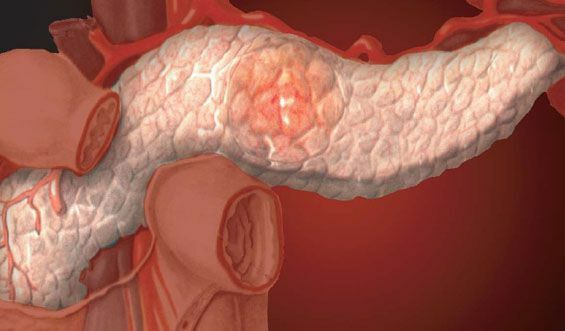
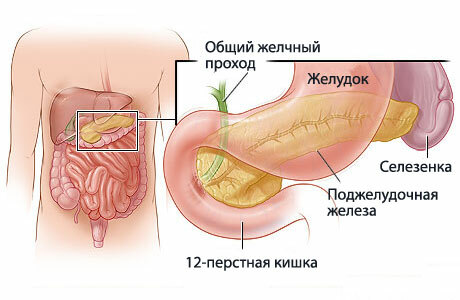
The pancreas is a complex organ that is responsible for digestive and endocrine functions.
It produces gastric juice and certain hormones, without which the natural course of metabolism is not possible.
A disorder in any of the functions provokes dangerous pathological processes. More often than others, pancreatitis and diabetes mellitus are diagnosed.
Therapy of the affected organ during diabetes is rather difficult, since the improvement in such a situation will be negligible.
In order for the recovery processes to be complete and this disease does not provoke negative consequences, such treatment is supported throughout life.

Content:
-
1 Views
- 1.1 Type 1
- 1.2 Type 2
- 2 Causes
- 3 Symptoms
- 4 Diagnostics
-
5 Treatment
- 5.1 Drug therapy
- 5.2 Diet food
- 5.3 Folk remedies
- 6 Useful video
Views
Diabetes mellitus is formed as a result of absolute or relative insufficiency of insulin, which is produced by the beta cells of the islets of Langerhans of the pancreas.
There are two types of pathological process. Each is characterized by its own characteristics of formation.
Type 1
Possesses an autoimmune origin. The disease is formed due to the loss of tolerance of immunity to beta cells.
The immune system begins to attack the islets of Langerhans and provokes their destruction. Due to the decrease in the insulin content in the bloodstream, tissues are not able to assimilate glucose that enters with carbohydrates.
Since glucose does not enter the tissues, it accumulates in the blood. The pathological process often accompanies other autoimmune diseases.
Type 2
Type 2 diabetes mellitus is formed with a decrease in the sensitivity of cells to insulin. Due to the weak sensitivity to the hormone, the tissues do not assimilate the required amount of glucose.
To eliminate starvation in them, the pancreas increases hormonal activity. Due to the intense functioning of the gland, it will become thinner and eventually lose its secretory capacity.
At a late stage of the formation of the pathological process, the organ does not produce the required amount of insulin.
Causes
Pancreatitis is considered an inflammatory process, as a result of which the affected organ loses its ability release of enzymes into the duodenum, stagnation occurs in the body and begins "Self-digestion".
Gallstone disease, intoxication, injury, damage to the pancreas by a fungus or a virus can provoke an inflammatory reaction.
However, in practice, half of the acute situations of illness are observed in those who abuse alcoholic beverages.
Often, an attack of pancreatitis is confused with ordinary intoxication or jaundice: there is a vomiting reflex, an increase in temperature indicators, feces turn pale and urine darkens.
It is possible to distinguish the disease from other pathologies yourself: in all situations, intense pain is manifested sensations above the abdominal cavity, radiating to the left side, however, usually, the patient indicates the place concentration.
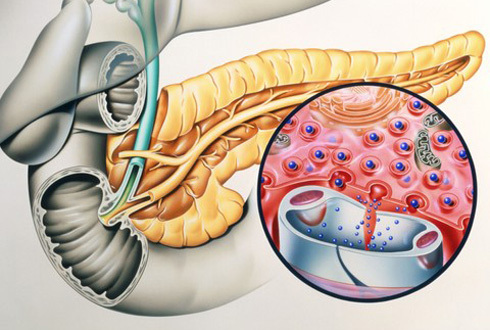
Diabetes mellitus is a pathological process that is caused by a violation of endocrine function. The pancreas has a complex structure, only 2% of the total area is allocated to the islets of Langerhans.
Directly such cells produce the necessary hormones. The destruction of the beta cells that are found in these islets leads to a lack of insulin.
This hormone is responsible for the conversion of glucose. An excessive amount of it leads to dangerous hypoglycemic conditions, a lack of it leads to an increase in the sugar content in the bloodstream.
The provoking factor of cellular damage is pathological processes of a genetic nature, autoimmune diseases, pathologies of the exocrine part of the organ.
The pancreas and diabetes mellitus are linked, since it directly produces insulin. Chronic or acute inflammation destroys beta cells and leads to a lack of it.
Symptoms
With such a disease, the following symptoms are noted:
- Painful sensations, which are constant and intense, are concentrated on the right or left side in the hypochondrium. With intense discomfort, when assistance was not provided in a timely manner, a shock state may follow.
- An increase in temperature readings and changes in pressure (increase or decrease). With a sudden inflammatory process, the patient's condition worsens, the temperature rises and blood pressure changes.
- Pale skin.
- Nausea, feeling of dryness in the mouth.
- Inflammation in the pancreas is associated with a gag reflex with bile. A patient with such a diagnosis is not recommended to consume food on the first day of the illness.
- Pancreatic diabetes mellitus is accompanied by diarrhea or constipation.
- Shortness of breath, intense sweating resulting from electrolyte loss after a gag reflex.
- In addition to painful sensations, the patient is worried about bloating, which is formed due to the inability of the gastrointestinal tract to contract during an attack.
- The inflamed pancreas is determined by the blue color of the skin near the navel or in the lumbar region.
Diagnostics
Timely detection of diabetic pathogenesis that affects the pancreas, making a proper diagnosis increases the chances of effective treatment many times over.
The most effective are complex methods and diagnostic technologies:
- Constant delivery of a blood test for sugar content. It makes it possible to immediately establish blood sugar levels. Pharmacies sell compact measuring instruments. When data up to 8 mmol per 1 L is a normal indicator, more than 12 - you need to consult a doctor.
- Ultrasound. Echogenicity will show dangerous modifications, deformation of a dense glandular structure.
- Sounding. Swallowing the tube is a test for gastric secretions. This procedure is required to confirm whether to refute the diagnosis. Detects an imbalance that occurs in the chemical composition of the stomach and in the pancreas.
- X-ray. Thanks to the manipulation, the specialist sees the entire gastrointestinal tract: the pathogenic areas filled with the suspension darken, the normal ones remain of a light shade.
Treatment
The therapy is based on the use of a variety of hormonal medications and enzymes.
But dietary adherence plays an important role in the treatment presented if diabetes is found.
For these purposes, it is required to abandon all kinds of prohibited products that can worsen the patient's well-being, as a result of the use of which the pancreas suffers.
Drug therapy
Most patients wonder how to restore the pancreas and whether it is possible to completely eliminate the pathological process.
Since therapy will be extremely difficult, it is impossible to do without medication.
The patient uses hormones and enzymes. In addition, it is required to balance the diet, to give up various prohibited foods to the maximum and adhere to all the doctor's prescriptions:
- In case of pain in the abdominal cavity, anesthetic and antispasmodic drugs are prescribed (Papaverine, No-Shpa).
- If you need to support the functioning of the pancreas, use unloading drugs (Mezim, Pancreatin, Digestal).
- In order to prevent the formation of infection, treatment with antibacterial agents is used (a specialist prescribes light antimicrobial drugs).
- The use of Metformin 500 will be extremely effective in the presence of grade 2 diabetes. Supportively, it is permissible to take Dibikor, which affects the damaged organ and normalizes metabolic processes.
Diet food
Therapy for a patient with pancreatic diabetes is difficult.
To get rid of unpleasant symptoms, you will need to use medications, as well as follow a diet based on the following principles:
- The patient's menu includes a strict ratio of protein, carbohydrate and fatty foods. Carbohydrates, as the main element of the diet, should be taken no more than 350 g per day, less protein (up to 100 g) and fat (up to 60 g).
- The number of meals a day is at least 5-6 times, but in small portions.
- A double boiler is used to prepare meals. Fried foods should disappear from the diet for a long time. It is permissible to cook foods, stew and bake is possible only during remission.
- It is forbidden to add seasonings, garlic, vinegar, other products that irritate the intestinal mucosa to food.
- At the stage of exacerbation and recovery of the affected organ, it is required to get rid of fatty, salty, spicy, smoked or rich food products.
The detailed ratio of food products, their calorie content, will be described by a specialist leading the pathological process and having the necessary diagnostic results.
The diet is made up individually for each patient. It varies from lifestyle, physical exertion, pregnancy.
Products included in the patient menu:
- lean fish, meat, soups from them, steamed cutlets;
- soups from vegetable broth or milk with cereals;
- egg omelet;
- porridge with milk or water, where butter and sugar are not added;
- pasta, dried bread;
- no more than 100 g of milk per day;
- fermented milk products;
- baked or raw fruits, berries, vegetables;
- sugar, honey or jam;
- weak tea with milk, fruit and vegetable juices.
From the above products, the diet for the pathological process under consideration with an acute form looks like this:
- for breakfast, the patient is offered an omelet of eggs, oatmeal, which is cooked in water, and butter no more than 10 g;
- in the afternoon, the patient is prepared with chicken or steamed beef cutlets and buckwheat porridge;
- An afternoon snack will be a small snack, so you should not overload the gland, but prepare weak tea with 1 liter for the patient. honey and crackers;
- in the evening, steamed fish is cooked or, when the patient's well-being allows, boiled beans baked in the oven;
- before going to bed, it is permissible to use kefir and crackers.
In the chronic form of the pathological process, it is permissible to add a salad of fresh tomatoes to the previous diet and cucumbers, seasoned with sunflower or olive oil, vinaigrette, sweetener sweets and carrot and cabbage salad.
Folk remedies
The specialist is also able to give recommendations on how to cleanse the pancreas at home and reduce the sugar content in the bloodstream.
For these purposes, recipes for alternative therapy can be used. The most common:
- The chicory roots are crushed, 2 tsp are added to the jar. l. mixture and poured with boiling water. The product is boiled for 5 minutes, allowed to cool, filtered. The medicine is used in order to improve the functioning of internal organs by 3-4 sips throughout the day. The duration of therapy is approximately 4 weeks, then a break is made for 7 days and treatment is resumed.
- It is possible to reduce the sugar content in the bloodstream due to the effect of the sea buckthorn leaf infusion. Raw materials in the amount of 2 hours l. pour hot water, insist for 50 minutes, filter. The tool is consumed in half a glass 3 times a day before meals. It is valued for supporting the functioning of the pancreas by cleansing it and excreting bile.
Before using any alternative therapy, you should consult with your doctor.
The pancreas in diabetes mellitus is considered a rather difficult process, since the improvement in such a situation is insignificant.
It is necessary to apply directly complex methods: medications and special dietary food.
So that recovery is complete and diabetes does not provoke adverse consequences, such treatment is supported throughout the entire period of life.
In this regard, it is recommended to consult a doctor from time to time.