
Diet for the pancreas
The pancreas is an important organ in the human digestive system that is involved in the process of digesting food. But she is extremely vulnerable, so even one good meal can lead to serious violations. To protect the organ from harmful factors, a diet for the pancreas is needed. A weekly menu, compiled by an experienced specialist, will improve the work of the pancreas and the entire system as a whole. More about this and will be discussed in this article.
Diet for the pancreas - menu for the week
Content
- 1 Pancreatic pathology
-
2 Power features
- 2.1 Allowed Products
- 2.2 Prohibited foods
- 3 How long should you limit yourself to food
-
4 Description of menu items
- 4.1 Video - Diet to cleanse the liver and pancreas
Pancreatic pathology
The main task of the pancreas is to synthesize certain enzymes that help break down fats and proteins in the body. The resulting enzymes penetrate the duodenum, where they begin to perform their main task. The pancreas is also involved in the production of insulin, which normalizes carbohydrate metabolism in the human body. Improper functioning of the organ leads to insufficient synthesis of insulin, which, in turn, contributes to the development of diabetes mellitus.

Anatomical location and structure of the pancreas
As a rule, diseases of the pancreas are various tumor processes, pancreatitis (chronic and acute form), etc. All these pathologies are united by similar symptoms. This is about pain in the left hypochondrium and discomfort in the back. In most cases, pains are chronic, that is, they constantly disturb the patient. But sometimes the pain appears periodically, in the form of seizures. Discomfort appears after consuming alcoholic beverages, fatty or fried foods.
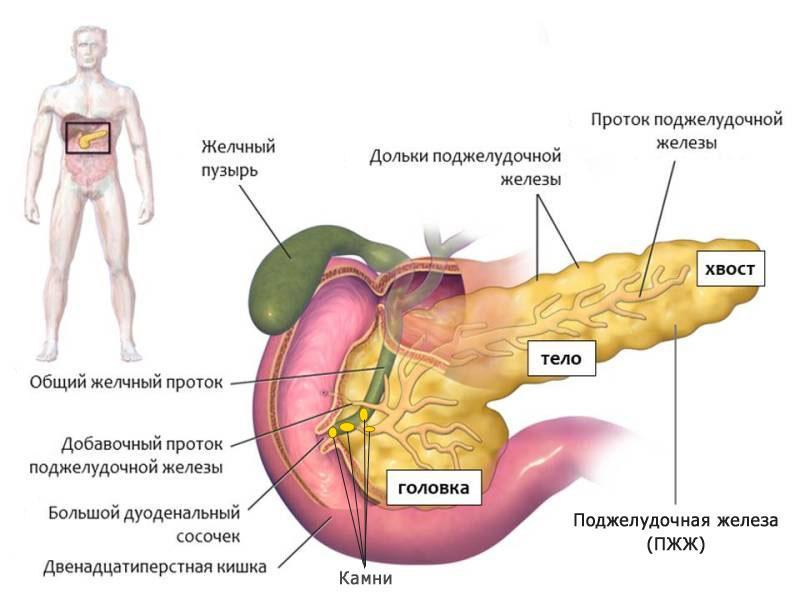
Development of pancreatitis. Stones in the pancreatic ducts
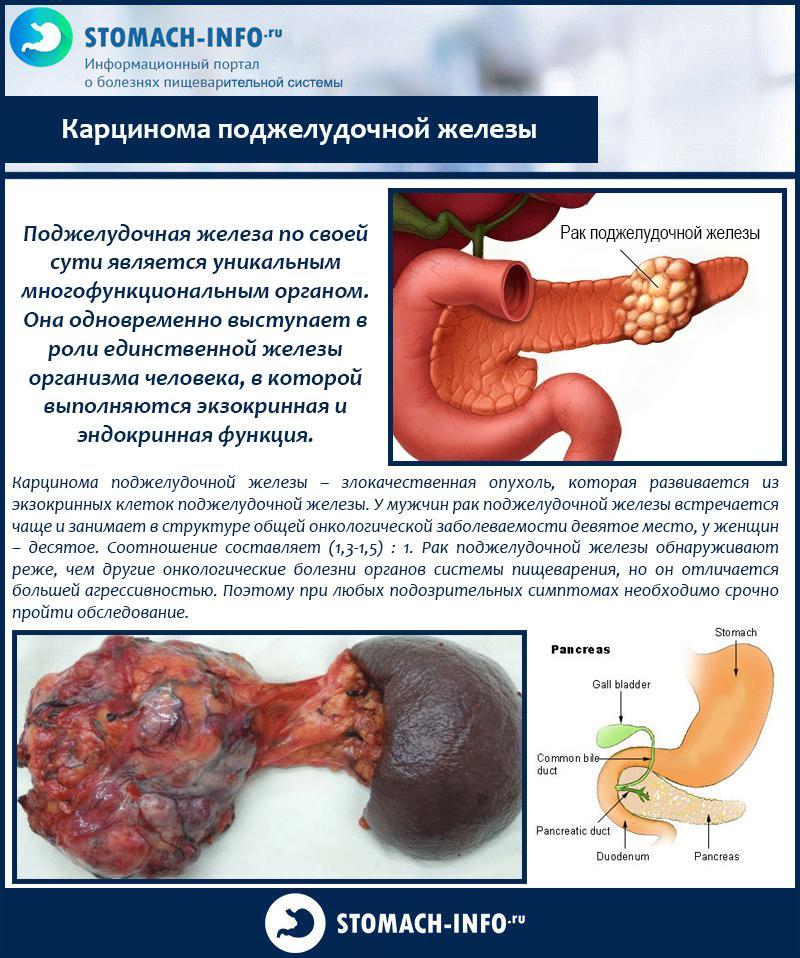
Pancreatic carcinoma
On a note! There are additional symptoms of diseases of the pancreas, including diarrhea, nausea, vomiting, fever. Also, the patient may lose appetite, but this happens extremely rarely.

Nausea
Power features
Regardless of the type of disease, diet is an important step in therapy. With the right approach to this issue, you can not only speed up the healing process, but also prevent relapses.
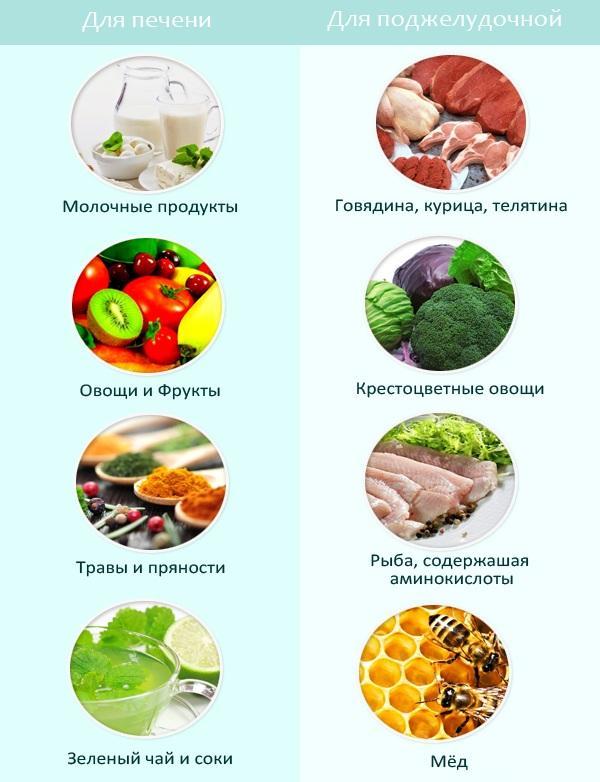
Proper nutrition for the liver and pancreas
The peculiarity of diet therapy is as follows:
- the patient should eat only boiled dishes or those that have been steamed. Such food will bring much more benefits and nutrients to the body;
- you need to eat fractionally. The term "fractional meals" means the frequent consumption of food, but in small portions. In order not to burden the digestive system, overeating should be avoided;
- during the treatment period, all food consumed must be in a grated or liquid form. This is an important condition;
- it is not recommended to use very cold or hot dishes, regardless of their type or method of preparation. Only warm food can be expected to benefit;
- it is necessary to cook various types of cereals in water, and after cooking - grind for better absorption and relieve the load on the intestines and pancreas.

Power features
Many people underestimate the effect of a proper diet, but most gastrointestinal disorders can be avoided or cured with nutrition alone. Therefore, if you had to deal with diseases of the pancreas, then get ready for a radical change in your daily diet.
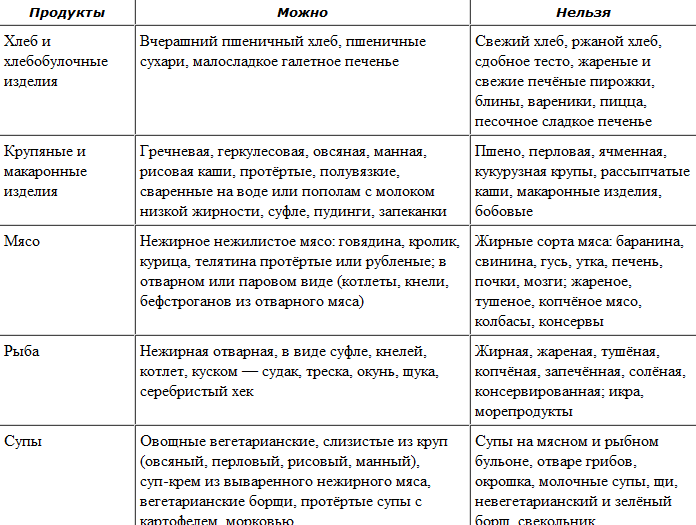
Do's and Don'ts
Allowed Products
There is a whole list of foods that can be consumed during the treatment period. These include:
- sweet varieties of apples;
- different types of cereals (pumpkin, buckwheat, etc.);
- low-fat fish;
- stale bread;
- quail and chicken eggs (only proteins);
- fruit compotes;
- low-fat varieties of fish and meat;
- boiled vegetables;
- various fruit salads, for example, vinaigrette;
- vegetable soups, borscht.

Pancreatic products
Such a diet is effective not only for the development of pancreatitis, but also for other diseases of the pancreas. There are a lot of permitted products, so you can add all sorts of varieties to the diet in the form of one or another dish. In addition, there are many recipes where even lean fish with vegetables turns out to be very tasty.
Prohibited foods
It is extremely important to exclude from the diet all foods that can harm the gland and the entire body during the period of treatment. First of all, you need to refuse such products:
- fresh bread, especially white bread;
- sweet carbonated drinks, coffee;
- various sweets (pastries, pastries, large quantities of chocolate);
- some fruits and berries (cranberries, grapes, bananas, pomegranates);
- beans, peas and other legumes;
- fatty meats and fish;
- rich broths;
- bacon, mushrooms;
- hot seasonings, spices, sauces;
- fast food (hamburgers, hot dogs, etc.);
- canned foods, marinades;
- alcohol;
- fatty, fried and smoked foods.

Fast food will have to be abandoned
Important! Experts recommend including in your diet a steamed omelet, low-fat dairy products, such as cottage cheese, cheese and kefir. Make sure that the daily amount of carbohydrates is in the region of 330-370 g. Drinks include mineral water and rosehip or chamomile tea.

Recommended and prohibited foods
How long should you limit yourself to food
It is impossible to say exactly for what period the treatment and, accordingly, the therapeutic diet can be delayed. It all depends on many factors, for example, on the severity of the disease, the patient's condition, the effectiveness of the prescribed diet and the correctness of its observance. As a rule, the patient should adhere to all dietary recommendations until complete recovery. The duration of this period can be from 2 to 4 weeks.. If a person regularly encounters a malfunction of the pancreas, then he should avoid or at least limit the amount of junk food throughout life to prevent relapses diseases.

Duration of the diet
As noted earlier, it is advisable to consume those dishes that have been steamed. This allows food to retain the maximum amount of nutrients. If the daily intake of carbohydrates should be around 350 g, then fats - no more than 80-85 g, and proteins - 110 g. Try to count the daily amount of calories that you eat with food. It should be in the range of 2600-2900 kcal.

Give preference to steamed dishes
Description of menu items
Nutrition for the pancreas, first of all, should be varied. If necessary, you can add various foods or dishes with an original taste to your diet. The amount of food that the patient eats per day should depend on his lifestyle. That is, if a person works at a factory, while spending a large amount of energy, then there should be more food. And if he has a sedentary job, then, accordingly, the amount of food should be less. Below is a nutritional plan for diseases of the pancreas.
Table. An example of a menu for a week for the pancreas.
| Day | The diet |
|---|---|
 Day # 1 |
1. Breakfast - 1/2 banana or pear with 200 g of cottage cheese. Make sure that the curd is low-fat. 2. Lunch - pasta with boiled brisket, berry jelly and a little lean oatmeal soup. 3. Snack - egg whites omelet, rosehip compote or dried fruit. 4. Dinner - compote and some curd casserole. |
 Day # 2 |
1. Breakfast - buckwheat, pearl barley or rice porridge, weak tea and scrambled eggs. 2. Lunch - chicken soup, pumpkin porridge and fruit jelly. 3. Afternoon snack - oatmeal with the addition of a small amount of fresh berries. 4. Dinner - fish paste, some mashed potatoes and fruit jelly. |
 Day # 3 |
1. Breakfast - steamed chicken, oatmeal and a glass of kefir. 2. Lunch - pumpkin or carrot puree, steamed fish and raspberry tea. 3. Afternoon snack - cottage cheese casserole and banana. 4. Dinner - stew with boiled chicken and zucchini, tea or compote. |
 Day # 4 |
1. Dinner - buckwheat porridge, boiled fish and jelly. 2. Lunch - beef salad, cream soup, boiled pasta and fruit jelly. 3. Afternoon snack - a decoction of chamomile or rose hips, protein omelet. 4. Dinner - a little cottage cheese and weak tea. |
 Day # 5 |
1. Breakfast - jelly, boiled egg and a small piece of crusty bread. 2. Lunch - vegetable soup, boiled chicken breast and some mineral water. 3. Afternoon snack - steamed beef cutlet, boiled buckwheat or rice. 4. Dinner - mashed potatoes, fish baked in the oven, kefir. |
 Day # 6 |
1. Breakfast - fruit mousse, weak tea. 2. Lunch - boiled potatoes, vegetable soup, fish cutlets cooked in a slow cooker, tea. 3. Afternoon snack - pasta with salad, some durum wheat bread, compote. 4. Dinner - barley porridge, a glass of low-fat kefir, light salad. |
 Day # 7 |
1. Breakfast - boiled rice porridge, tea. 2. Lunch - milk soup, buckwheat porridge with meat soufflé. 3. Afternoon snack - curd casserole, weak tea. 4. Dinner - boiled beef, potatoes baked in foil, meatballs and a glass of kefir. |
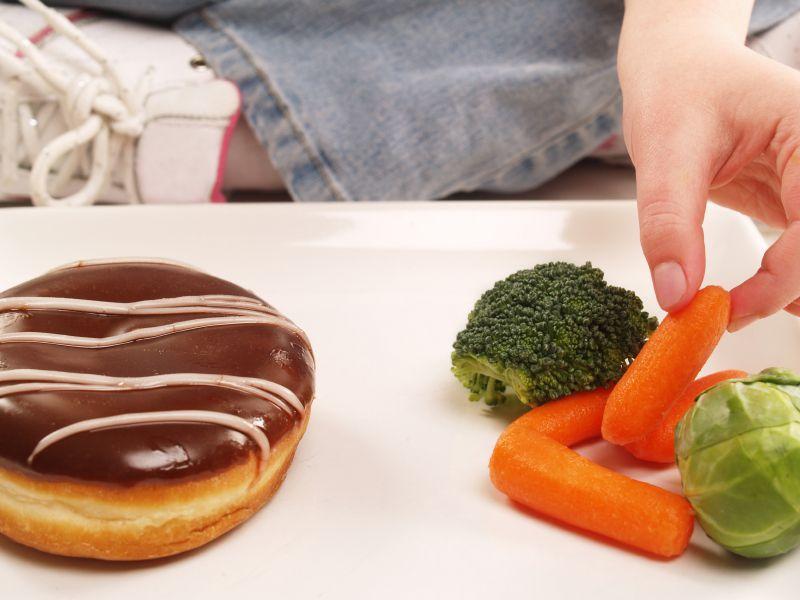
Nutrition rules
On a note! If, following a diet, you want not only to improve your health, but also to lose a few extra pounds, then during the first 5-6 days it is recommended to limit the amount of fat you eat. Throughout the entire therapeutic course, the use of salt during the preparation of various dishes must also be abandoned.


