Pancreatic pain: symptoms and how to treat, details
The pancreas is the most important organ, without which the normal processing of food in the body is impossible. If there is some kind of malfunction in its work, the person begins to feel pain in the area of the gland, in addition, a lot of other unpleasant symptoms appear.

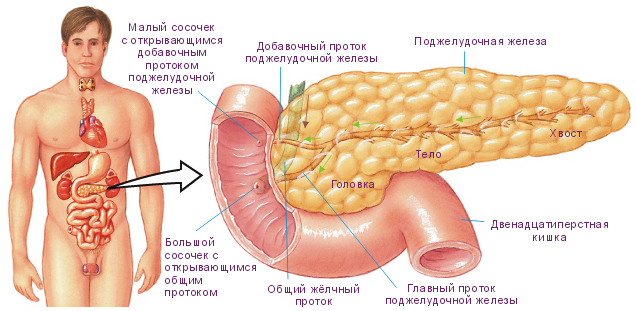
Pancreas - structure
Content
- 1 What is the pancreas for?
-
2 Diseases of the pancreas
- 2.1 Video - Chronic pancreatitis
- 2.2 Video - Pancreatonecrosis
- 2.3 Video - Gastrinoma
- 3 General symptoms of gland damage
- 4 Diagnostics
- 5 Treatment
-
6 The most effective remedies for treatment
- 6.1 Video - Symptoms of pancreatitis
What is the pancreas for?
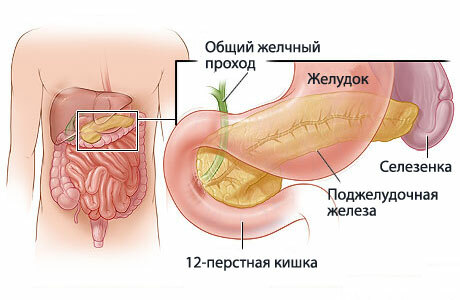
The pancreas is an unpaired organ that adjoins the back wall of the stomach.
The main functions of the organ:
- exocrine - the release of the required amount of pancreatic juice;
- endocrine - is responsible for metabolic processes in the body, the production of insulin.
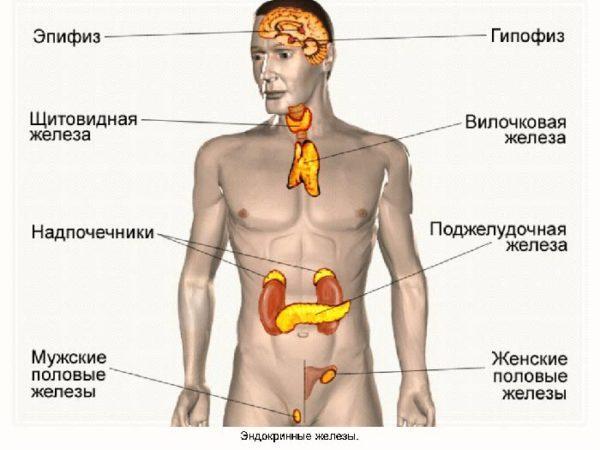
Endocrine glands
Due to the exocrine function, the necessary amount of juice is released, which is needed for the breakdown and digestion of food. A characteristic feature is that the quantity and quality of the juice is strictly varied and controlled by exocrine function. So, for example, the juice is released exactly as much as is needed for digestion at the moment, so the organ is protected from self-destruction.

Pancreatic cells
The quality of the juice also changes depending on which food comes in more. The enzymes that are needed for the digestion of proteins, fats or carbohydrates are released in large quantities. From 1.5 to 3 liters of pancreatic juice is produced daily.
However, even due to such properties, an excess of fatty and junk food can provoke a malfunction of the gland. In this case, not completely digested food particles will cause fermentation, bloating, and loosening of the stool. Lack of nutrients will affect the general condition, there is a lack of weight, vitamin deficiency and other symptoms.

Pancreas location
Endocrine function is carried out by cells called the islets of Langerhans. These "islets" - clusters of cells differ in the type of hormone produced. Basically, the hormones of the gland help in the breakdown of fatty acids, which are the energy material for many organs. Most are those that produce insulin. Lack of at least one hormone causes an increase in the amount of glucose in the blood, which leads to diseases such as diabetes mellitus.
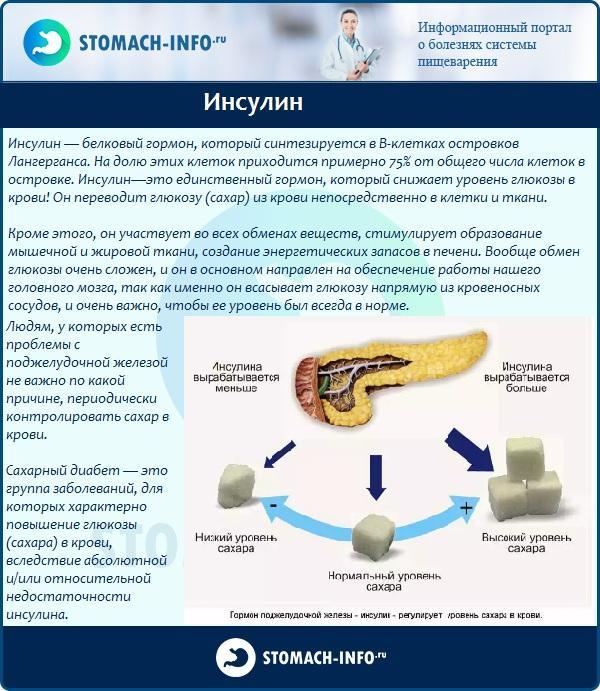
Insulin
The insulin antagonist hormone is glucagon. Its main function is to release the reserve stores of glucose (located in the liver) to increase its level in the blood during a critical decrease.

Insulin and glucagon

Glucagon
For reference! The functions are independent of each other: it is not necessary for a person with high sugar to suffer from digestive upset and vice versa.
Diseases of the pancreas
The most common pathology is called pancreatitis. In essence, this is the process of digesting the tissue of the gland with its own enzymes.

Pancreatitis
This condition can begin due to the following reasons:
- swelling of the tissues of the gland;
- the formation of stones in the duct;
- compression of the duct from the outside by a tumor;
- infection;
- helminthic invasion;
- development of gallstone disease;
- alcohol abuse;
- pregnancy;
- severe poisoning with toxins.
There are acute and chronic pancreatitis.
The acute form is usually accompanied by inflammation and edema of some part of the gland, often accompanied by suppuration and hemorrhage. More often, people who have not previously had problems with this organ suffer from an acute form, and this condition has arisen as a result of toxic poisoning or the formation of calculi.

Types of acute pancreatitis
The chronic form develops mainly after the transferred, but not fully treated acute form. The provoking factors are diseases of the liver, thyroid gland, stomach. With this form, healthy tissue of the gland is gradually replaced by scar tissue, and this reduces the production of enzymes necessary for digestion.
Video - Chronic pancreatitis
Pancreatic necrosis is a condition in which the cells of the gland begin to die off. This happens as a consequence of acute or chronic pancreatitis. And the reasons are the frequent and abundant use of alcohol, fatty foods, as well as blockage of the ducts with calculi.
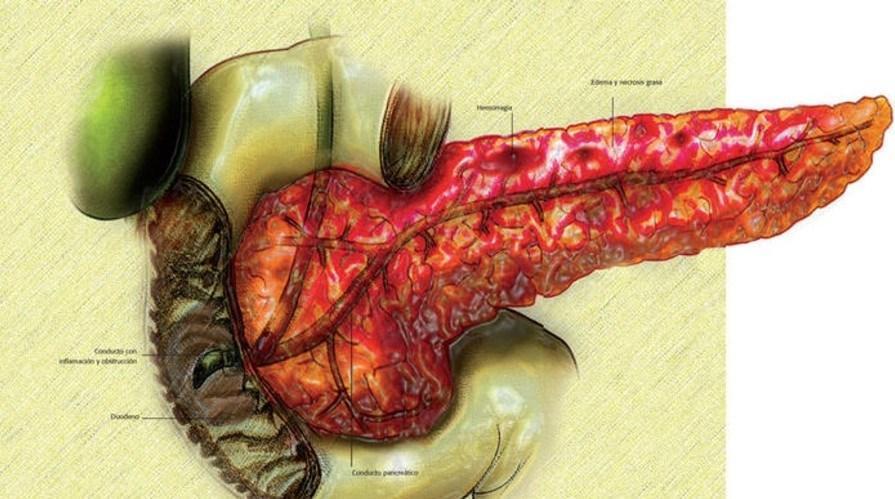
As a rule, mortality in pancreatic necrosis of the pancreas is 40-70%
This condition is characterized by pronounced symptoms that are difficult to confuse with symptoms of other diseases:
- acute pain in the left side of the abdomen, which can radiate in all directions;
- indomitable vomiting;
- severe dehydration of the body;
- bloating;
- temperature rise up to 39 degrees;
- discoloration of the skin to a pale, earthy, yellowish tint due to intoxication;
- the appearance of small bruises and bruises on the body.
Video - Pancreatonecrosis
Pancreatic tumors. More often, neoplasms are benign and are represented by adenomas, lipomas, fibromas and other not so dangerous clumps of cells. Sometimes hormone-active formations are formed: insuloma and gastrinoma.

Gastrinoma
Video - Gastrinoma
Cancer tumors can be distinguished from malignant ones, which are among the most dangerous and often fatal.
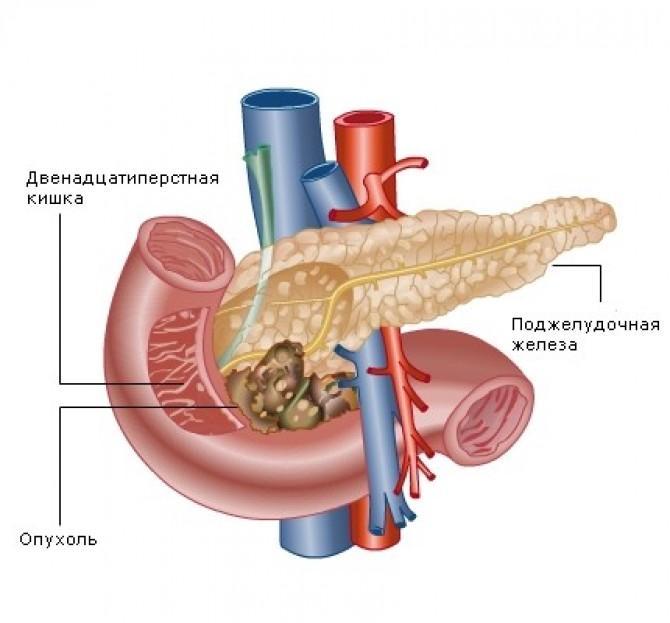
Pancreas cancer
There are several factors that increase the risk of cancer in this organ.
- Male. Men get sick 2 times more often than women.
- Age. After 50, the risk of the disease increases several times.
- Place of residence. In urban residents, pathology is more common than in those who live in rural areas.
- Racial affiliation. Representatives of the Negroid race suffer from pancreatic cancer more often than representatives of the Caucasoid.
- Bad habits. Those who consume alcohol, a lot of fatty foods, and smoke are more likely to develop cancer of the gland than those who lead a healthy lifestyle.
- Type of work. Workers in hazardous industries are more susceptible to disease.
- Diabetes mellitus increases the risk of developing a tumor several times.
Sometimes congenital gland pathologies are found, which are formed even at the stage of embryonic development, when 2 organ rudiments must merge together.
There are such anomalies as:
- split gland, when the rudiments of the organ and its ducts do not merge with each other and 2 ducts flow into the duodenum;
- the annular gland, when the organ tissue is displaced and completely (in a ring) covers the duodenum, as a result, the intestinal lumen narrows and this interferes with the passage of food;
- An ectopic gland is an accumulation of pancreatic tissue that does not have any contact with the main organ. Most often, this accumulation of tissue becomes inflamed or transforms into a tumor.

"Ring-shaped" pancreas. Congenital malformation
There are also several less common conditions.
-
Cysts of the gland. They can be congenital or acquired, occur more often due to organ injury or infection with echinococcus. They are quite large, and often the doctor can detect them even on palpation.

Pancreatic cyst
- Fistulas. A fistula looks like a duct of connective tissue that communicates with the duct of the gland. Fistulas can be external, when they exit through the skin and internal, when they exit to the stomach, intestines. Due to the appearance of fistulas, a significant amount of pancreatic juice is lost, as a result, dehydration, severe exhaustion develop, and things can reach a coma.
-
Calculi. Sometimes in the ducts, calcifications are formed - calculi ranging in size from a grain to a small nut. Stones can cause blockage of the gland, its inflammation, diabetes mellitus, they provoke cysts and abscess. Pain in the presence of stones is strong, encircling, paroxysmal, often impossible to stop even with potent analgesics.
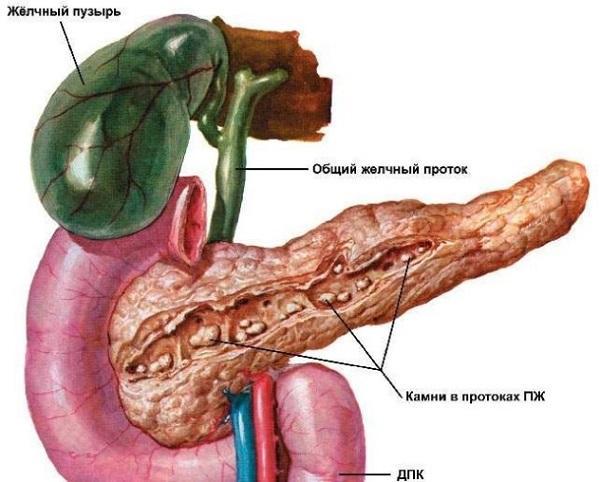
Formation of calculi in the ducts of the pancreas
General symptoms of gland damage
At first, the disease almost does not manifest itself in any way. A person can only complain about the following manifestations:
- frequent belching;
- heaviness in the abdomen after eating;
- constipation;
- inability to eat fatty foods.
They usually seek help when an attack of sharp pain occurs in the left under the ribs.

Patients complain of heaviness in the abdomen, constipation, sharp pain
With the progression of the pathology, jaundice occurs due to an increased accumulation of bilirubin in the blood. As the bilirubin oxidizes, the skin tone changes to an earthy or greenish tone. The urine becomes dark and the stool changes color to a grayish-white (clay-like).
Additional symptoms:
- itching of the skin;
- insomnia;
- irritability.
Diagnostics

Diagnostics
To get a complete picture of the disease, you must first take an anamnesis. The doctor listens to the patient's complaints, palpates the abdomen.

Abdominal examination
Tests of blood, urine and feces are prescribed. The amount of pancreatic enzymes that entered the blood and urine is investigated. If their number exceeds the norm by 2-4 times, we can talk about damage to the gland due to inflammation or tumor. But such an analysis is not always informative enough, since acute pancreatitis, for example, is not always accompanied by an increase in this indicator.

The content of pancreatic enzymes in the blood and urine
Additionally, the amount of fecal elastase-1 in the feces is determined to determine whether there is a violation of the digestive function of the organ. If the value of the indicator is less than 100 μg / g, then it can be concluded that the gland is insufficient.

Determination of fecal elastase-1
To determine how well the endocrine function of the gland is working, a glucose tolerance test is performed. To do this, you need to drink a glucose solution (about 75 g is diluted in 200 ml of water). 1 hour before the test and 1 hour after it, the quantitative indicator of glucose in the blood is determined. In this way, the course of latent diabetes mellitus or a predisposition to it is determined.

How is a glucose tolerance test done?
Informative research is considered:
- Ultrasound (performed on an empty stomach);
- computed tomography, which is performed with or without a contrast agent;
- MRI;
- FGDS - examination of the esophagus, stomach and duodenum 12 using a gastroscope;
- colonoscopy - instrumental examination of the large intestine, carried out through the anus.
Treatment
In treatment, the main and main condition is considered to be a complete rejection of alcoholic beverages, tobacco smoking and fatty foods, otherwise any therapy will be meaningless.
As with many other diseases of the gastrointestinal tract, you must adhere to a few simple rules in nutrition:
- Eat in small portions 5-6 times a day. This is necessary so that a small amount of pancreatic juice is produced at a time.
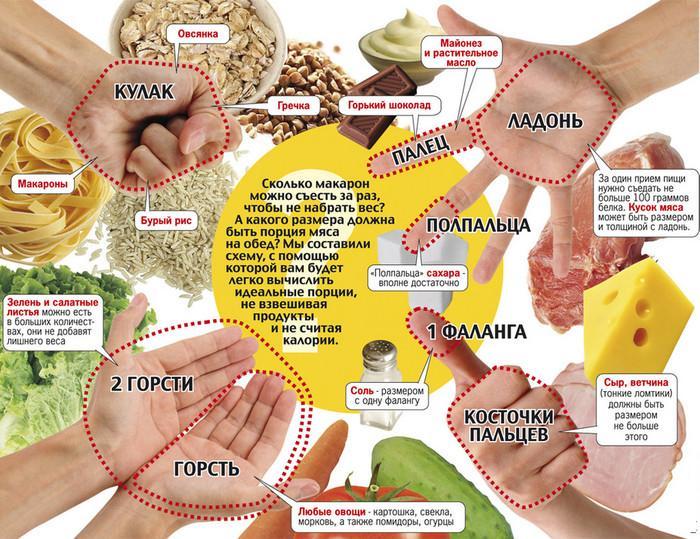
Correct portion size
- The temperature of the food should be approximately equal to the temperature of the human body.
- Food must be boiled, stewed or steamed; frying is excluded.

Better to steam food
- It is better to grind the food as much as possible, it is advisable to puree it.
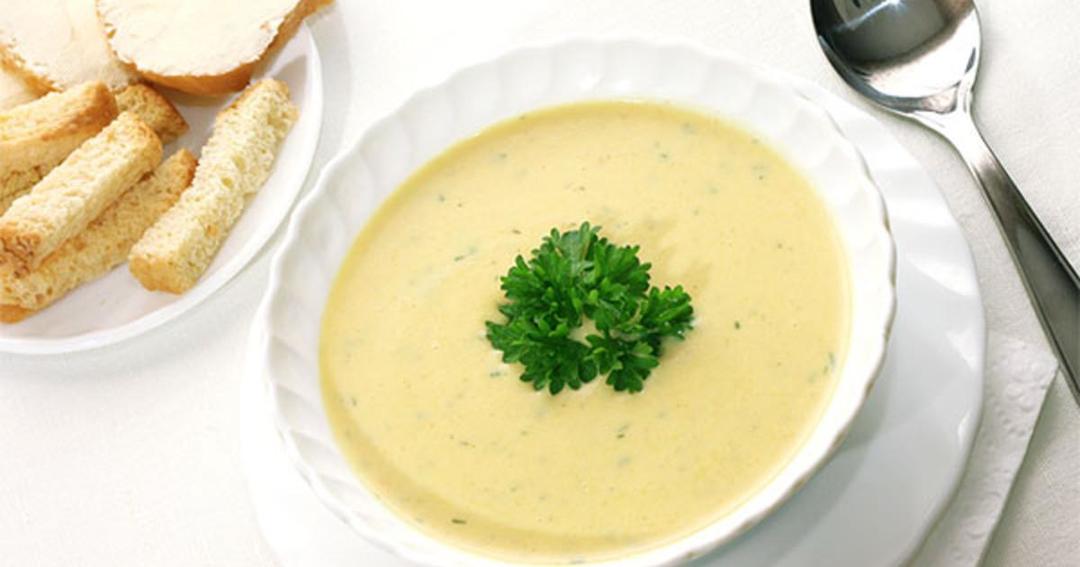
Soup-puree
- The last meal should be about 2 hours before bedtime for the food to be absorbed.
In case of damage to the gland, it is necessary that the menu included the following dishes and products.
- Rice, oatmeal, barley porridge, which have a good enveloping effect.

Barley porridge
- Dried bread.
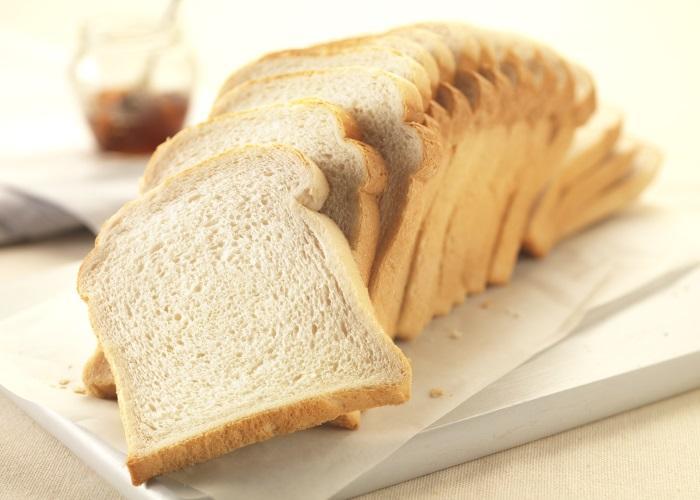
Dried white bread
- Steamed, lean, pre-chopped fish.

Steamed fish
- Low-fat dairy products: cottage cheese, kefir, milk.
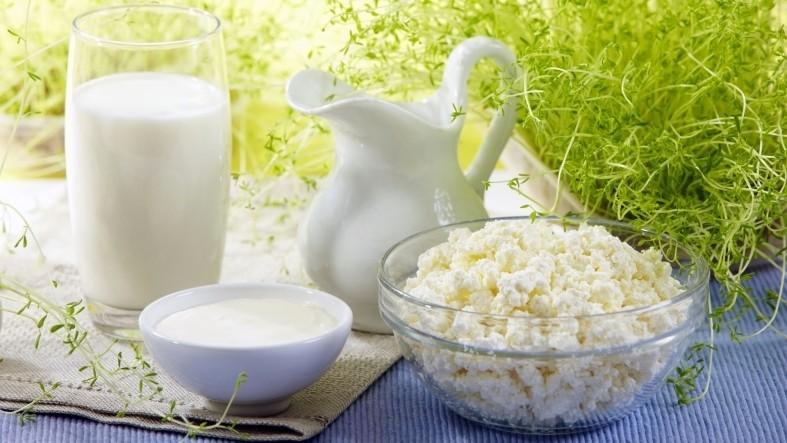
Cottage cheese, kefir, milk
- Vegetable purees.

Pumpkin puree
- Baked apples and pears.

Baked apples
- Dried fruit compotes with a small amount of sugar.
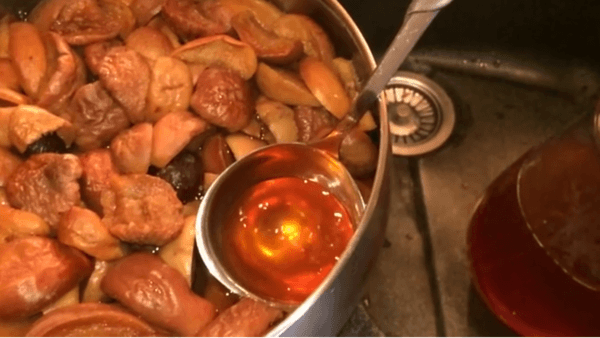
Dried fruits and berries compote
- Boiled lean meat that must be mashed or minced.
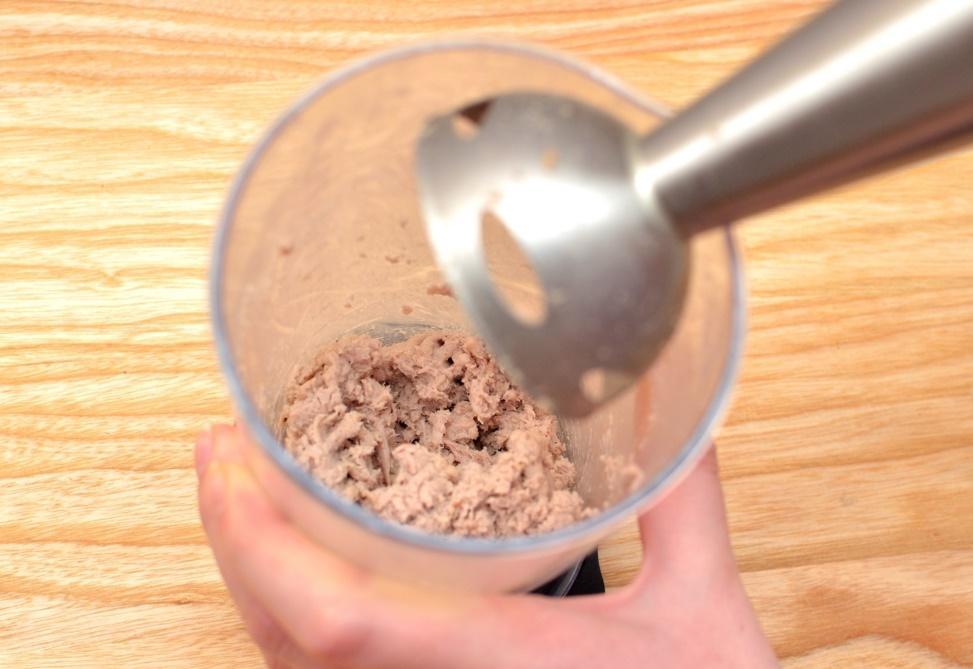
Meat puree
It is strictly forbidden to eat:
- pickles and smoked meats;
- fast food;
- canned food;
- hot spices and herbs;
- fresh baked goods and any pastry with creams and impregnations;
- fatty meats and fish;
- legumes, cabbage and potatoes;
- fresh fruits and berries;
- rich broths.
Attention! In an acute form of inflammation of the gland, food is stopped for several days. And the body is supported by the intravenous administration of nutrients.
Medical therapy for the pancreas consists in the use of different groups of drugs that help to reduce the secretion of pancreatic juice and fight inflammation.
The most effective remedies for treatment
| Drug group | Brand names | Action |
|---|---|---|
 Antienzyme drugs |
Trasilol, Aproteks, Ingiprol. |
The remedies help suppress pancreatic secretions to reduce inflammation. They must be taken on the first day when acute pain occurs. |
 Antacids |
"Phosphalugel", "Gastrotsid", "Alyumak". | The products effectively neutralize hydrochloric acid. |
 Antispasmodics |
"Spazmonet", "Drotaverin", "Riabal". | The drugs relieve spasms, helping to relieve the condition. |
 Antibiotics |
Azithromycin, Amoxiclav, Azitrox. | The drugs help suppress the development of inflammation and prevent peritonitis and pancreatic necrosis. |
 Anticholinergics |
Kuplaton, Aprofen, Chlorosin. | The drugs normalize the motor-motor activity of the intestinal function. |
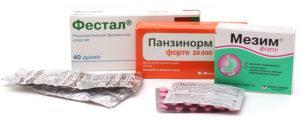 Enzyme preparations |
Micrasim, Festal, Creon, Panzinorm. | Used to improve the digestion of proteins, fats and carbohydrates if the secretory function of the gland is impaired. |
 Vitamins |
A, B, C, D, E | If the outflow of pancreatic juice is disturbed, the digestion of food is disturbed, a person suffers from a lack of important trace elements. Often, vitamin deficiency and anemia develop. Complexes of vitamins will help to fill the lack of necessary substances in the body. |
In some cases, if conventional antispasmodics do not work, narcotic medications are used to relieve the condition.
Among the home methods related to traditional medicine, the following recipes can be distinguished.
-
Freshly squeezed potato juice. 2 hours before a meal, you need to drink ½ glass of such juice, after which you can eat a small portion of food and drink it at the end with low-fat kefir. The remedy is anti-inflammatory and antispasmodic, excellent in wound healing.

Potato juice
-
Dill infusion. 2 h l. dill seeds must be poured with a glass of boiling water and allowed to brew for 30 minutes, then strain the drink and consume before meals. Such a remedy promotes the outflow of bile, eliminates pain, inflammation, and increases intestinal motility.

Dill infusion
-
Propolis. You need to eat 2 tsp. l. product or dilute a small amount of propolis in a glass of water and drink such a drink before meals. The tool helps in the healing of damaged tissues, normalization of enzyme production, elimination of nausea, flatulence.
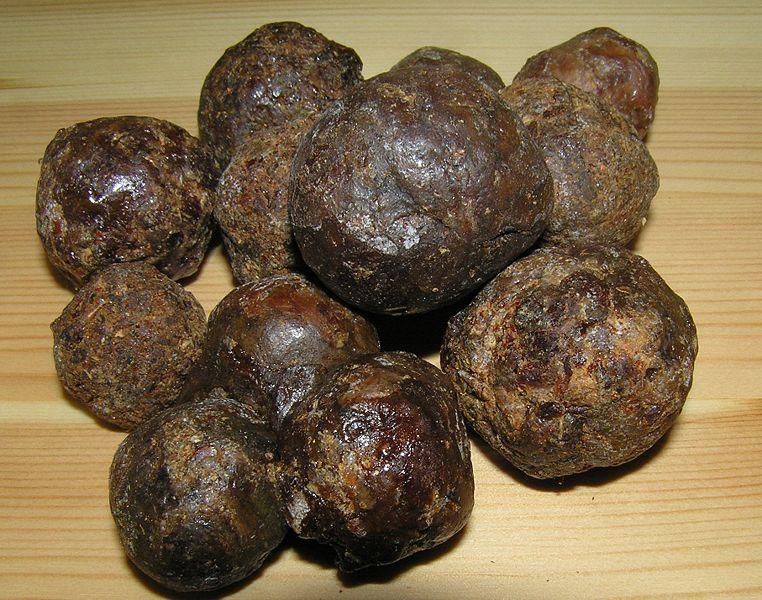
Propolis
Any remedy, both homemade and medication, must first be agreed with a doctor, since there are different forms and degrees of pancreatic disease. The main advice in this case is not to harm even more.
With timely measures taken, it is possible to eliminate the initial manifestations of the disease and live a full life, in Otherwise, if the disease is started, then serious measures may be required, including surgical operations. An attentive attitude to your health and timely medical examinations will help to avoid pancreatic diseases.