Can you live without a pancreas? Look for the answer here!
The pancreas is an important organ of the digestive system, involved in the production of metabolic hormones (glucagon, insulin) and enzyme-rich pancreatic juice. Insulin deficiency in the human body can lead to the development of diabetes mellitus, and an insufficient amount of digestive enzymes - to the appearance of intestinal dyspepsia, which is accompanied by inadequate digestion of food and absorption of nutrients elements. Therefore, even minor violations in her work entail many health problems, not to mention her partial or complete resection. So is it possible to live without a pancreas? More about this and will be discussed in this article.

Is it possible to live without a pancreas
Content
- 1 Reasons for the operation
- 2 Features of pancreatectomy
-
3 Rehabilitation after surgical removal
- 3.1 Health food
- 3.2 Taking enzyme supplements
- 3.3 Insulin therapy
-
4 Possible complications
- 4.1 Video - Pancreas surgery
Reasons for the operation
The development of diseases affecting the digestive gland can lead to serious disorders of this internal organ, as a result of which it will not be able to function normally. In this case, doctors are forced to remove it completely or partially. Surgical operation is perhaps the most radical method, which is resorted to only in case of ineffectiveness of drug therapy.
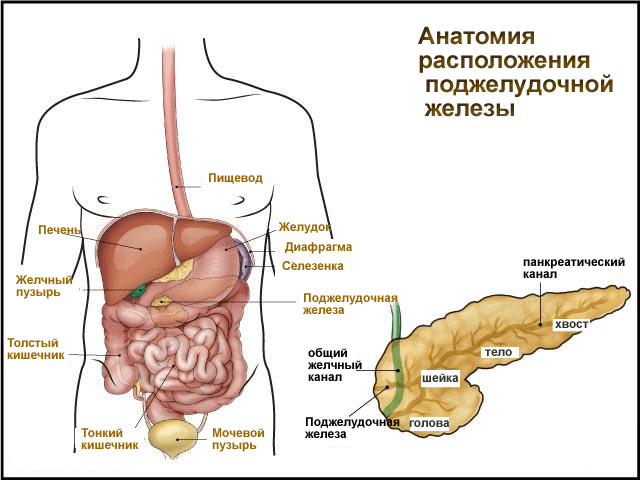
Anatomy of the location of the pancreas
Doctors include the main reasons for pancreatectomy:
- alcohol abuse;
- development of peritonitis;
- violation of the integrity of blood vessels;
- pancreatic necrosis;
- the appearance of a fistula;
- malignant formations;
- development of inflammatory processes;
- blockage of the iron ducts;
- mechanical damage to the organ, for example, the consequences of trauma;
- pathological cavity in the pancreas (cystic formation).
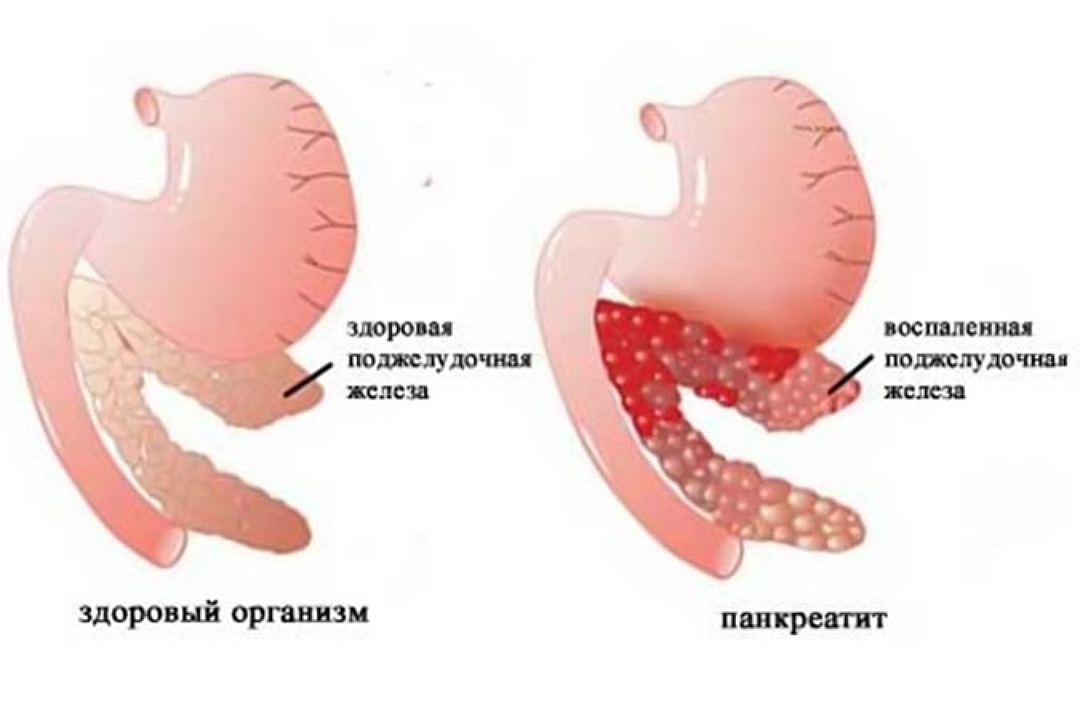
Pancreatitis
But the most common reason for removing the pancreas is cancer. The causal factors of its development include:
- pancreatic necrosis (necrosis of some areas or completely of the entire organ);
- the consequences of previous surgical operations on the stomach;
- alcoholism;
- excessive consumption of fried or fatty foods;
- smoking.

Pancreas cancer
On a note! Do not forget about the genetic predisposition, as it can also lead to the development of cancer. For example, if one of the parents suffered from pancreatic cancer, then there is a possibility of transmitting this cancer to their children.
Features of pancreatectomy
As noted earlier, surgical removal is perhaps the most optimal treatment for the affected pancreas. It involves the removal of the entire organ or individual affected parts. In rare cases, when the pathology has progressed strongly, it may be necessary to remove some neighboring organs (lymph nodes, gallbladder, some parts of the stomach, spleen, etc.) etc.).
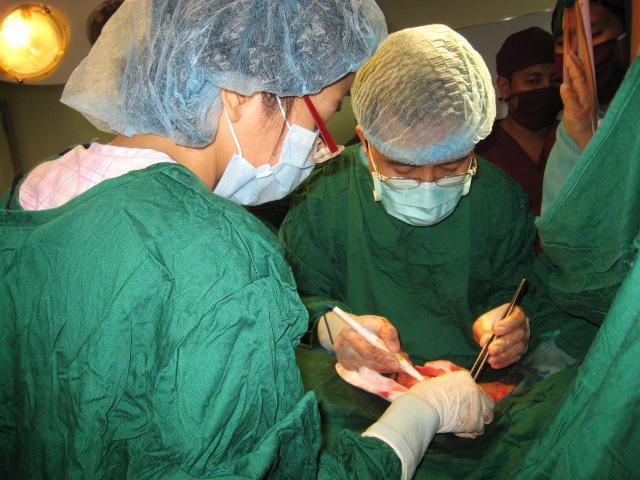
Surgical removal of the pancreas
An experienced specialist is required to carry out pancreatatectomy, but this does not exclude the possibility of complications. In rare cases, profuse bleeding may occur during surgery, which can lead not only to the loss of a large amount of blood, but also to infection.

Total pancreatectomy for pancreatic carcinoid
There are several factors due to which complications may arise in a patient during a surgical operation to remove the pancreas:
- smoking;
- alcohol abuse;
- unhealthy diet;
- elderly age;
- the development of cardiovascular diseases;
- excess weight.
During the operation, the doctor opens the patient's abdominal cavity with a scalpel and removes the affected part or the entire organ. Then he closes the incision formed with special surgical staples or sutures with a thread. As with other surgeries, there is no guarantee of successful recovery after removal of this organ. In addition, modern medicine, unfortunately, cannot accurately determine the patient's life expectancy after such a procedure.
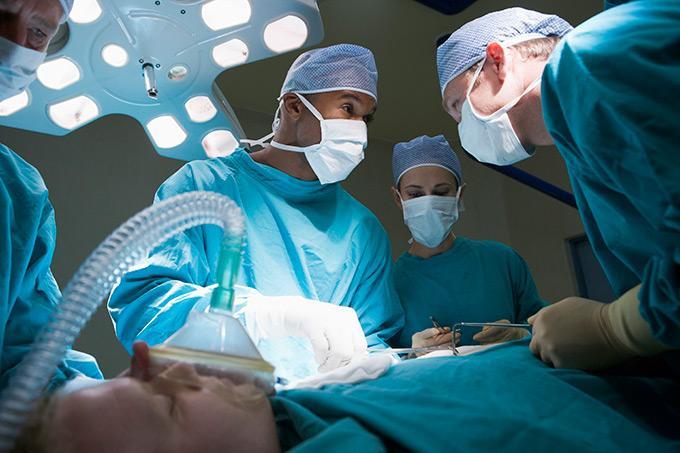
Such an operation cannot guarantee a successful recovery.
Of course, without a pancreas, a person can survive, but the work of his digestive system will significantly deteriorate. At the same time, the patient must follow all the doctor's instructions and perform some procedures.
Important! After removal of the pancreas, the risk of developing diabetes increases. This applies to all patients, regardless of age or gender, therefore, during rehabilitation, preventive measures for this ailment must be followed.
Diabetes
Pancreatectomy is a serious surgical procedure that requires a long rehabilitation period. As medical practice shows, a person can fully recover after an operation not earlier than in 2-3 months. But this is subject to strict observance of all the prescriptions of doctors.
Rehabilitation after surgical removal
Many are interested in the question of how to live after a successful operation. In this case, the patient is forced to follow a special diet and take various medications. Man is not a machine in which any worn-out part can be replaced with a new one. Therefore, the removal of the pancreas significantly affects not only the quality of life. a person, but also at its cost in terms of the high cost of drugs that are needed constantly accept. Patients need to regularly visit a gastroenterologist and endocrinologist. Consider the main aspects of life after surgical removal of the pancreas.

Gastroenterologist
Health food
Proper nutrition helps to avoid serious complications that may arise after surgery. As a rule, doctors themselves make up a detailed diet on an individual basis, taking into account the characteristics and state of the patient's health. During the first few days after the operation, you must completely refuse to eat (you can only drink non-carbonated water). It is recommended to drink from 1.5 to 2 liters per day, but divide this amount into 3-4 servings so that you can drink water throughout the day.

Prohibited foods
After a couple of days, the patient is allowed an omelet of egg whites and weak tea, preferably without sugar. If rice or pearl barley porridge was cooked in milk, then it can also be consumed, but in limited quantities. Approximately 7 days after the pancreatectomy, the patient is allowed to replenish the diet with low-fat butter and boiled eggs, and some wheat bread can also be added to the daily diet. Various soups are great for restoring the body, but be sure to grind all the ingredients on a grater before preparing them.

How to eat after surgery
Gradually, nutrition should be improved by introducing other foods into the diet, for example, lean meat. All dishes should only be eaten boiled or steamed. This is an important rule that must always be followed.
Table. List of products after pancreatectomy.
| Allowed Products | Limited to use | Prohibited foods |
|---|---|---|
| Fresh apples, pears, grapes and other fruits. They must be sweet. | Dried fruits | bitter chocolate |
| Various soufflés made from shabby beets, pumpkin or cabbage, as well as low-fat | Fruit preserves or jams | Fresh vegetables containing coarse vegetable fiber (beets, carrots, cabbage, etc.) |
| Coarse bread | Low-fat cheeses | Salty, smoked and fatty foods, any canned foods |
| Sour milk products with low fat content | Fresh cow milk | Various carbonated drinks (sweet and savory) |
| Boiled fish or steamed (be sure to use low-fat varieties) | Various types of oils (butter, olive, linseed), animal fats | Spices, hot seasonings |
| Steamed or boiled meat dishes (only low-fat varieties) | Pasta without gravy, baked goods | fried food |
| Various types of crumbly cereals, always boiled | Egg dishes | Sweets (cookies, candy, chocolate, ice cream, etc.) |

Limit the use of egg dishes
On a note! Use this table only as a basis or guideline. With its help, you can diversify your diet by adding many different and delicious dishes. This will allow you to adjust the diet, making it not only healthy, but also delicious.
Taking enzyme supplements
As noted earlier, surgery to remove the pancreas negatively affects the functioning of the digestive system as a whole. Deficiency of enzymes in the patient's body leads to a deterioration in the processing and absorption of food by the intestines. In order to somehow normalize the work of the system, doctors prescribe a course of enzyme preparations that have a positive effect on digestion. These supplements are recommended to be taken at all times, with meals.

Taking enzyme supplements
Let's take a look at the most common enzyme preparations used in postoperative recovery:
- Creon;
- Micrasim;
- Alpha-amylase;
- Vestal.

"Creon"
Regardless of what kind of drug your doctor prescribes, you will need to take it with food. You can notice positive changes almost immediately - bowel function will improve, and nausea will go away.
Insulin therapy
This type of therapy is needed for a normal existence after the removal of the organ. There are several types of insulin, the chemical composition of which practically does not differ from the composition of natural insulin produced by the pancreas. At the moment, only the injectable form of the drug is used. It is not necessary to visit a doctor for an injection, as insulin syringes are available at the pharmacy. They are very convenient, since you can inject the drug anywhere and without anyone's help.
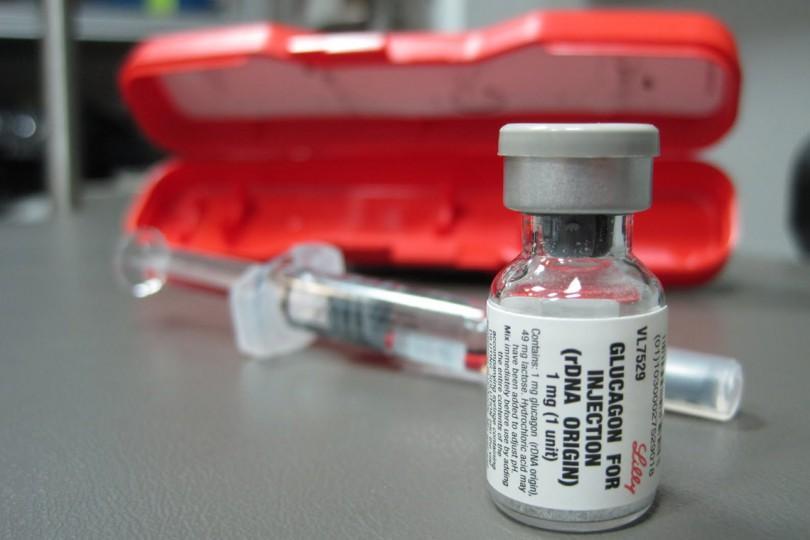
Insulin therapy
If your doctor has prescribed insulin therapy for you, this means that you will also need to buy a special device to measure your blood sugar level. This is glucometer. With it, you can find out your blood sugar level without laboratory tests.
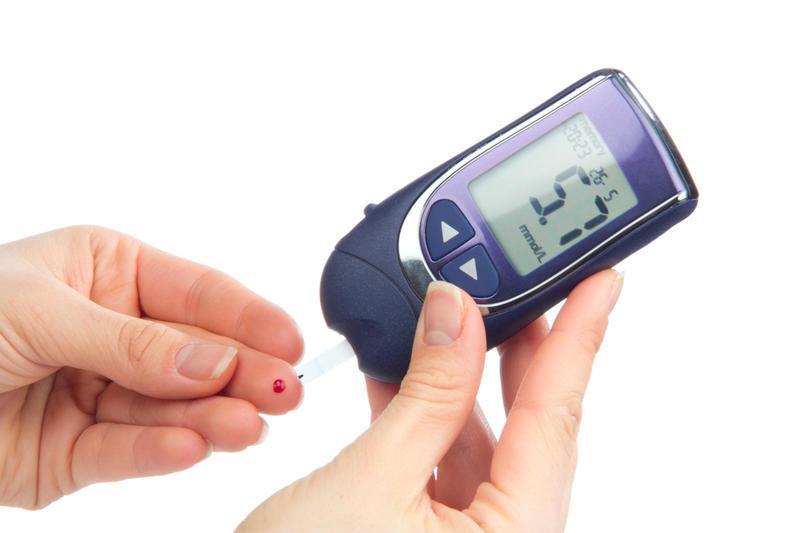
Blood glucose meter
Possible complications
The duration of the operation to remove the gland is approximately 2-3 hours, but this time may depend on many factors, for example, the experience of the surgeon or the age and condition of the patient. But even when using the most modern equipment, one cannot insure against possible complications that may arise during the operation.
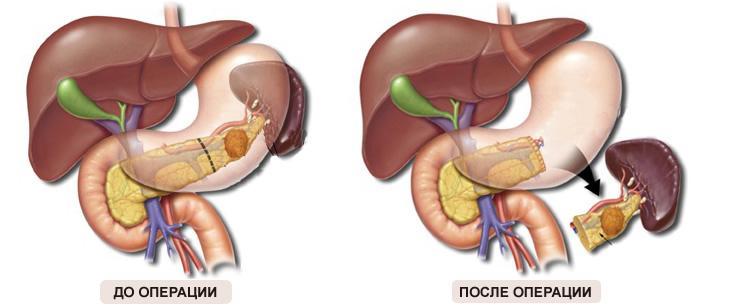
Before and after surgery
As practice shows, most often, when removing this organ, doctors are faced with the following problems:
- internal bleeding;
- accidental incision or other damage to internal organs that are next to the gland;
- violation of the integrity of nerve connections;
- falling into a coma;
- sudden heart failure (cardiac arrest);
- infectious infection of the patient's abdominal cavity;
- lowering blood pressure.
But even if no complications occurred during the operation, this does not mean that the patient will not face any difficulties. In fact, a successfully performed pancreectomy is only the beginning, since the patient after it is faced with severe pain that appears after coming out of anesthesia. And if the pain passes over time, then the absence of the pancreas will always remind of itself.
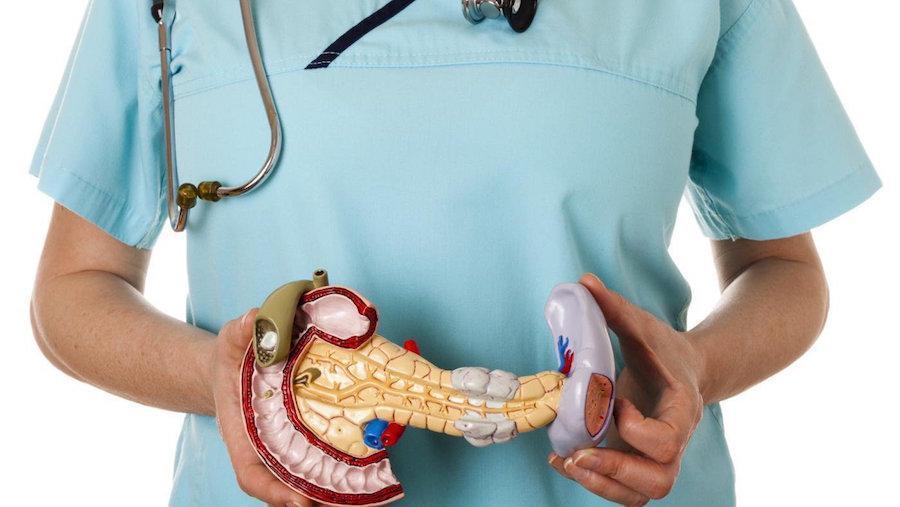
You can still live without a pancreas
There are also more serious complications that can arise immediately after a successful operation. Let's consider the main ones:
- disruption of the digestive system as a result of a deficiency of essential enzymes in the patient's body. If you do not take special drugs, then you will not last long without a pancreas;
- the organ is involved in the utilization of carbohydrates, therefore, after its removal, this process will stop. As a result, insulin will not enter the bloodstream, which will certainly lead to the development of diabetes mellitus;
- development of oncological diseases. Due to the weakening of the work of internal organs and damage to soft tissues during the operation, the risk of developing malignant tumors increases significantly.

Diabetes symptoms
If earlier the question of normal existence after removal of the pancreas was a big question, now, thanks to the development of various fields of medicine, a person can live a full life. At the same time, he will not feel severe discomfort or painful sensations. You just need to follow certain rules and take the appropriate medications.