
Exacerbation of the pancreas: symptoms and treatments
Diseases, which are popularly called simply - "exacerbation of the pancreas", in fact, there may be several. Most often, we are talking about acute pancreatitis, although other diseases that can affect the organ are not excluded. Pancreatic dysfunction caused by any ailment can significantly worsen a person's quality of life. The pancreas performs a very important activity - it produces insulin and produces digestive enzymes. Accordingly, with a disease of the gland, a person will experience the most unpleasant symptoms, and serious pathologies lead to the terminal stage of the disease, that is, a state between life and death.
Today's text will consider what the first symptoms are with exacerbation of problems in the pancreas, how to diagnose diseases in the early stages and what preventive measures need to be taken to minimize the risk of encountering diseases of this important organ.
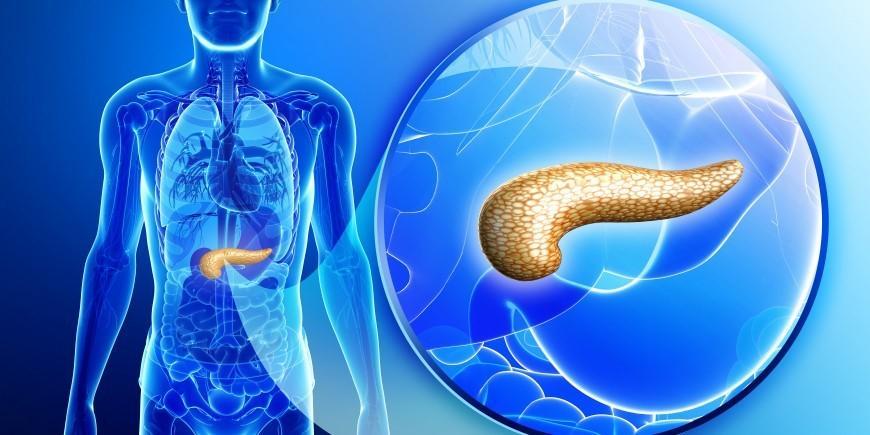
Aggravation of the pancreas: symptoms
Content
- 1 The pancreas is a unique organ
- 2 Acute pancreatitis
-
3 Typical symptoms of exacerbation of the pancreas
- 3.1 Pancreatic inflammation: diarrhea and vomiting
- 3.2 Skin changes
- 3.3 Other symptoms
- 4 Symptoms of other pathologies of the pancreas
- 5 Diagnosis of diseases of the pancreas
-
6 Pancreatic treatment
- 6.1 Video - Pancreatitis: treatment + diet
- 7 Summarizing
The pancreas is a unique organ
Any disease of the pancreas is dangerous because at the time of its dysfunction, no other organ is able to take over the work performed by the gland.

Accordingly, the death of pancreatic tissue is an irreparable loss for the body, which seriously affects the patient's well-being.
The direct responsibilities of the pancreas can be divided into two large blocks. The first is the production of insulin, which is necessary to control blood sugar levels. The fewer cells in the pancreas are involved in production, the higher a person's risk of developing diabetes. In patients with chronic pancreatitis, diabetes is often its companion.
The second part of the organ's functions is the production of enzymes for digestion. Normally, the pancreas breaks down fats, carbohydrates and proteins that a person receives from the outside, with food, when they enter the duodenum. If the duct becomes clogged for some reason, the enzymes are not able to "exit" into the intestine and remain inside the gland, no longer digesting food, but the cells of the organ itself. It turns out that the pancreas begins to work in a self-destructive mode.

The condition of the pancreas in chronic pancreatitis
Against the background of self-destructive work, iron is destroyed, living tissue turns into connective tissue, inflammation develops. It is this condition that people call "exacerbation of the pancreas", in fact, an acute or chronic form of pancreatitis is diagnosed. In the acute phase, the leap of destruction occurs quickly - within a short time, a piece of tissue dies off. In the chronic course of the disease, the pancreas is destroyed very slowly, but for a long time, and the lesion can spread to the area of the entire organ.
Acute pancreatitis
Most often, the first episode of exacerbation of pancreatitis is recorded in adults, forty to fifty years old. A problem arises against the background of the abuse of alcoholic beverages, fatty and spicy foods, and the violation of the diet in general. Health professionals distinguish four main types of acute pancreatitis:
- Purulent form.
- Edematous (interstitial) form.
- Hemorrhagic form.
- Partial or total pancreatic necrosis (tissue death).
The main problem in the diagnosis of acute pancreatitis is the multispectrality of symptoms. This means that the same disease can manifest itself in completely different symptoms in different people. However, the classic course of the disease still has characteristic symptoms that help doctors detect the disease.
Typical symptoms of exacerbation of the pancreas
Acute pancreatitis cannot be overlooked. A person experiences girdle pain, the center of which is in the epigastrium (between the ribs and the navel). At the beginning of the inflammation, repeated vomiting may occur, after which relief is not felt, there is a rapid heartbeat. If a person is able to ignore these signs, they will have a fever after two to three days.

Patients with pancreatitis are characterized by a whitish coating on the tongue, a bitter taste in the mouth, and bad breath.
In acute pancreatitis, pain is constant and does not correlate with food or fluid intake. However, a reaction to a meal still takes place - after eating a person feels nausea or experiences a single vomiting, often with elements of undigested food. With the use of pain relievers, the pain subsides, and at the end of the effect of the pain reliever, it gradually increases.
In addition to common symptoms, each of the types of acute pancreatitis has its own specific symptoms. Let's consider the typical manifestation in the form of a table.
Table 1. Signs of varieties of acute inflammation of the pancreas
| Pancreatitis form | Patient Symptoms and Feelings |
|---|---|
| Purulent | It is characterized by high fever, incessant nausea, depression of the patient. |
| Hemorrhagic | The pain innervates the spine, can rise up the back to the shoulder blades. Often this form of the disease is confused with angina pectoris or heart attacks. |
| Edematous | Tight, stinging pain due to compression of nerve endings by tissues, stretching of the organ itself, blockage of the duct. |
| Dying off of tissue | A very strong and vivid pain syndrome, in which a person falls into a state of shock from the fear of death. |
Pancreatic inflammation: diarrhea and vomiting
The key symptom of pancreatitis is functional gastrointestinal disorders. The patient experiences nausea, which in 80% ends with vomiting with the release of half-digested food, at the same time there is intestinal dysfunction, or, more simply, diarrhea. Liquid stool also contains semi-digested food fibers. Further, the picture may change - diarrhea is replaced by constipation, the patient suffers from flatulence, bloating, excessive gas formation. All these are the consequences of a lack of digestive enzymes.
Vomiting and loose stools inevitably lead to dehydration. Dehydration of the body is also among the symptoms of acute pancreatitis. At first, a person feels lethargy, a feeling of thirst, dry mucous membranes, breathing becomes rapid. If you do not take measures to restore the water balance, the symptoms progress: the skin loses its turgor, the pulse rises, the urine darkens, and its volume decreases significantly. At the third stage of dehydration, the patient's pressure drops, the heart rhythm is disturbed, the reactions are reduced, the consciousness becomes clouded.

In this state, immediate medical attention is needed, otherwise the cessation of cardiac and brain activity is likely.
Skin changes
In the inflammatory process, the pancreas swells, increases in size and begins to press down on adjacent organs. In addition to discomfort, this process interferes with the normal outflow of bile, as a result of which the skin reacts with a color change.
The overall color of the skin becomes pale, a greenish or jaundiced tint is possible. The nasolabial triangle may turn bluish in color, bluish spots appear on the arms and legs, in the navel.
Other symptoms
Doctors note a number of other characteristic symptoms that make it possible to diagnose acute pancreatitis in a patient even at the stage of examination and palpation. So, doctors of the "Ambulance" are guided by the following signals from the body:
- When pressed two centimeters above the navel, a person feels pain going in and up
- After pressing on the stomach, at the time of withdrawal of the hands, the pancreas responds with a dull pain.
- Palpation of the triangle under the ribs to the left and to the spine causes pain.
Symptoms of other pathologies of the pancreas
Acute pancreatitis is the most common, but not the only disease of the pancreas. Most ailments are painful, but this is not the only sign that allows you to diagnose a specific problem.
Table 2. Symptoms of other types of diseases
| Disease | Painful sensations | Dysfunction of the gastrointestinal tract | Peculiarities |
|---|---|---|---|
| Diabetes mellitus (type I) | Subtle or absent. | Nausea, vomiting, constant hunger. | Dry mucous membranes, permanent thirst, frequent urge to use the toilet, itching. |
| Oncology | Depends on the stage - from minor to excruciating. | Fatty unstable stools, persistent diarrhea in later stages. | Yellowing of the skin, a sharp drop in weight, dystrophy against the background of adequate nutrition. |
| Cysts and tumors | With a small cyst are absent, with a large area of education - a dull aching pain. | Rapid, colorless stools, flatulence, bloating. | With a large area, cystic formations are palpable, with suppuration, the temperature rises. |
| Chronic pancreatitis | Pain only in the "acute" period. | During an exacerbation: nausea, vomiting, stool disorders. | Exacerbations occur when you deviate from the diet. |
Diagnosis of diseases of the pancreas
Only a doctor can make an accurate diagnosis of pain in the pancreas, based on the results of laboratory and technical studies. Deciphering a blood test has a key value - the most indicative are the level of leukocytes and amylase indicators (a substance involved in the synthesis of carbohydrates). In another way, this substance is called “pancreatic amylase”. The norm of its content is 65 units, if the norm is exceeded twice, the diagnosis "Acute pancreatitis" is made. The critical figure for a person is 1000 units, in this case the condition is considered to be dying and the person is immediately placed in intensive care, on the surgical table.

Pancreatic amylase
Also, the patient undergoes a biochemical blood test to obtain a wider list of indicators. A blood test is a very accurate study, but it happens that the indicators remain normal or exceed it insignificantly. This happens with the rapid development of the disease or because of the individual characteristics of a person. In this case, other methods are included.
These include ultrasound or abdominal radiography, gastro- or endoscopy, computed tomography. Also, urine analysis, coprogram is done, express tests can be used.

The patient's blood condition is the main marker of the disease or its absence
Pancreatic treatment
A patient who has arrived with a diagnosis of acute pancreatitis is first of all prescribed anesthetic injections, droppers to restore electrolyte balance (glucose, Ringer's). Also, the patient is prescribed inhibitor drugs that block the production of enzymes and stop the self-destruction of the pancreas.
The diet is of great importance. During the period of exacerbation, the patient is prescribed complete hunger, after discharge, the person must form a special diet, based on dietary table No. 5 P. The essence of the medical menu is to exclude products that are harmful and difficult for the gastrointestinal tract, focusing on lean young meat, cereals, vegetables, and dairy products.
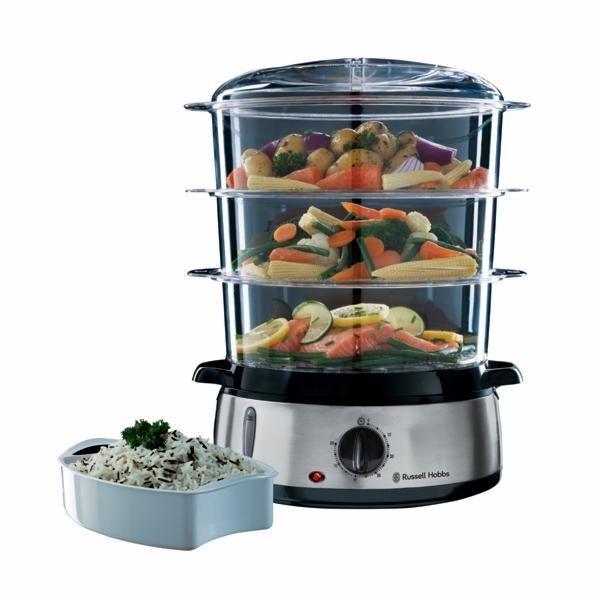
The basis of the diet should be steam or boiled dishes, a person should eat fractionally and little by little
The ideal diet would be five to six times a day; for one meal, you need to eat no more than the volume of a clenched fist. Soda, alcohol is completely excluded, smoking is prohibited. To maintain the pancreas, patients take enzyme-containing drugs: "Creon", "Mezim", drink a course of probiotics, vitamins to maintain microflora and immunity.

"Creon"
It should be understood that self-medication in the case of an exacerbation of the pancreas can be not only ineffective, but destructive. The doctor should draw up a therapy regimen, and the patient should regularly come to him for appointments, tell about all the changes.
Video - Pancreatitis: treatment + diet
Summarizing
Pancreatitis, like any disease of the pancreas, is a dangerous ailment that can deprive a person of the joy of a fulfilling life. We mentioned that the pancreas is a unique and irreplaceable organ, therefore it must be especially protected.
Prevention of diseases of this organ can be started at any age by qualitatively changing your habits, primarily food. Doctors have proven that, all other things being equal, non-smokers who go in for sports and follow a reasonable diet develop pancreatitis ten to fifteen years later.


